
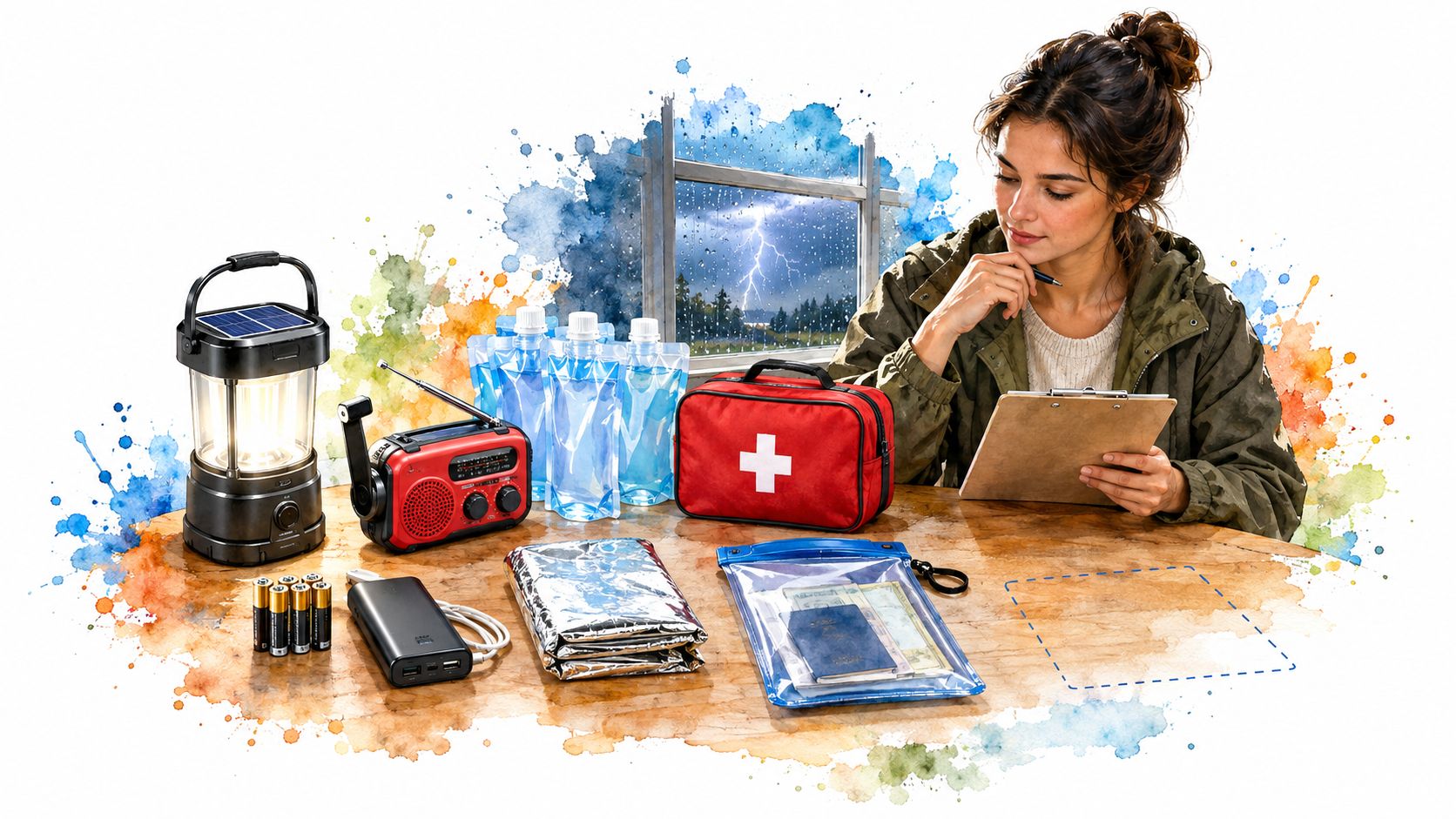
The sirens go off at 4 p.m., and the power dies before the warning ends. Your phone is now the only light in the room. Its battery keeps dropping, and you're wondering whether the flashlight lives in the kitchen drawer or that box behind the winter boots.
A severe weather safety kit should make this moment simpler. You need light you can find, alerts you can hear, water you can reach, and supplies you can carry without emptying a closet first.
Store-bought kits help you get started. But a backpack labeled for a household can still leave you short on water, and an AM/FM radio doesn't automatically give you NOAA weather alerts. I'd judge each purchase by the missing pieces before admiring the neatly packed pouches.
- For yourself: Choose a bag you can carry alongside your everyday mobility or medical equipment.
- For your household: Count actual food and water, then add prescriptions, pet supplies, and documents.
- For a crew or office: Separate shared supplies from the items each person needs immediately.
Before buying, organize your family's emergency supplies so you don't purchase another flashlight while overlooking drinking water. These ready-made options give you different starting points. The finishing work depends on who you're protecting and whether you'll shelter indoors or leave.
1. American Red Cross Deluxe 3-Day / 72-Hour Emergency Preparedness Kit
You reach into a backpack for your medication and pull out toiletries instead. Separate pouches can prevent that little scramble, especially when you're working by flashlight.
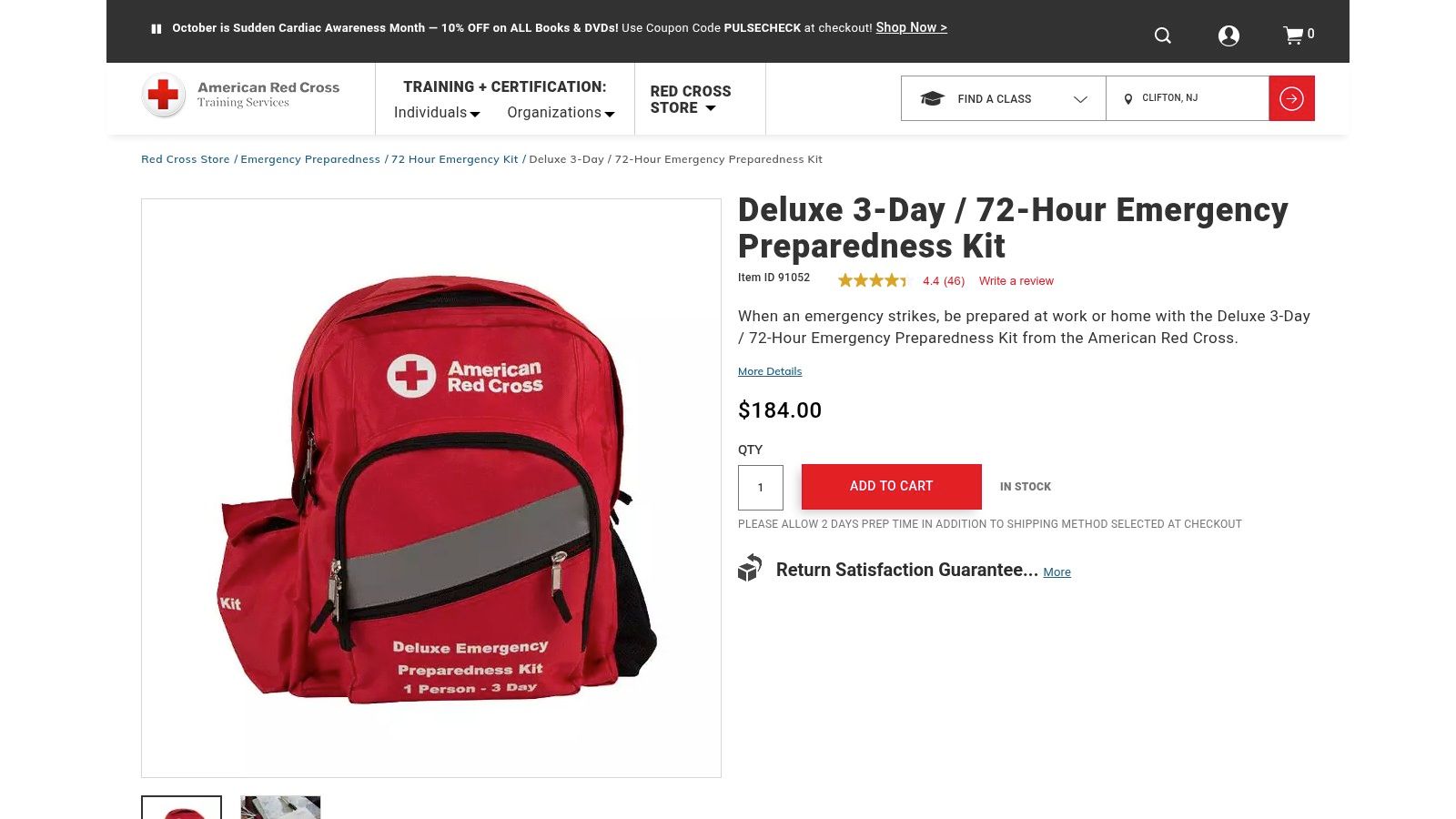
The American Red Cross Deluxe kit lists a one-person, three-day format at $184, with multiple backpack pouches, a removable organizer, a water container, hygiene supplies, and first aid. The Red Cross identifies Scientific Advisory Council approval and includes tornadoes among the emergencies you can prepare for with it.
Finish It for Your Own Exit
I like the organization as a starting point. You can give medication, lighting, and documents their own spots instead of digging through a single compartment.
- Strong point: You get a portable layout with room to personalize.
- Unconfirmed gap: Don't assume the description includes a NOAA weather-alert receiver.
- Personal additions: Pack prescriptions, glasses, charging cables, printed contacts, and suitable clothing.
A water container needs water in it. Check its capacity and the actual drinking-water supply before you treat the bag as ready.
For Chicago winter use, work through our cold-weather preparation guidance and add dry gloves, an insulated hat, and warm layers. Keep the items you'll need during an exit near the top, rather than underneath the spare blanket.
2. American Red Cross 4-Person 3-Day / 72-Hour Emergency Preparedness Kit
Your household gathers in the hallway, and everyone wants a drink. That's when the difference between a family-size label and a family-size water reserve becomes very tangible.
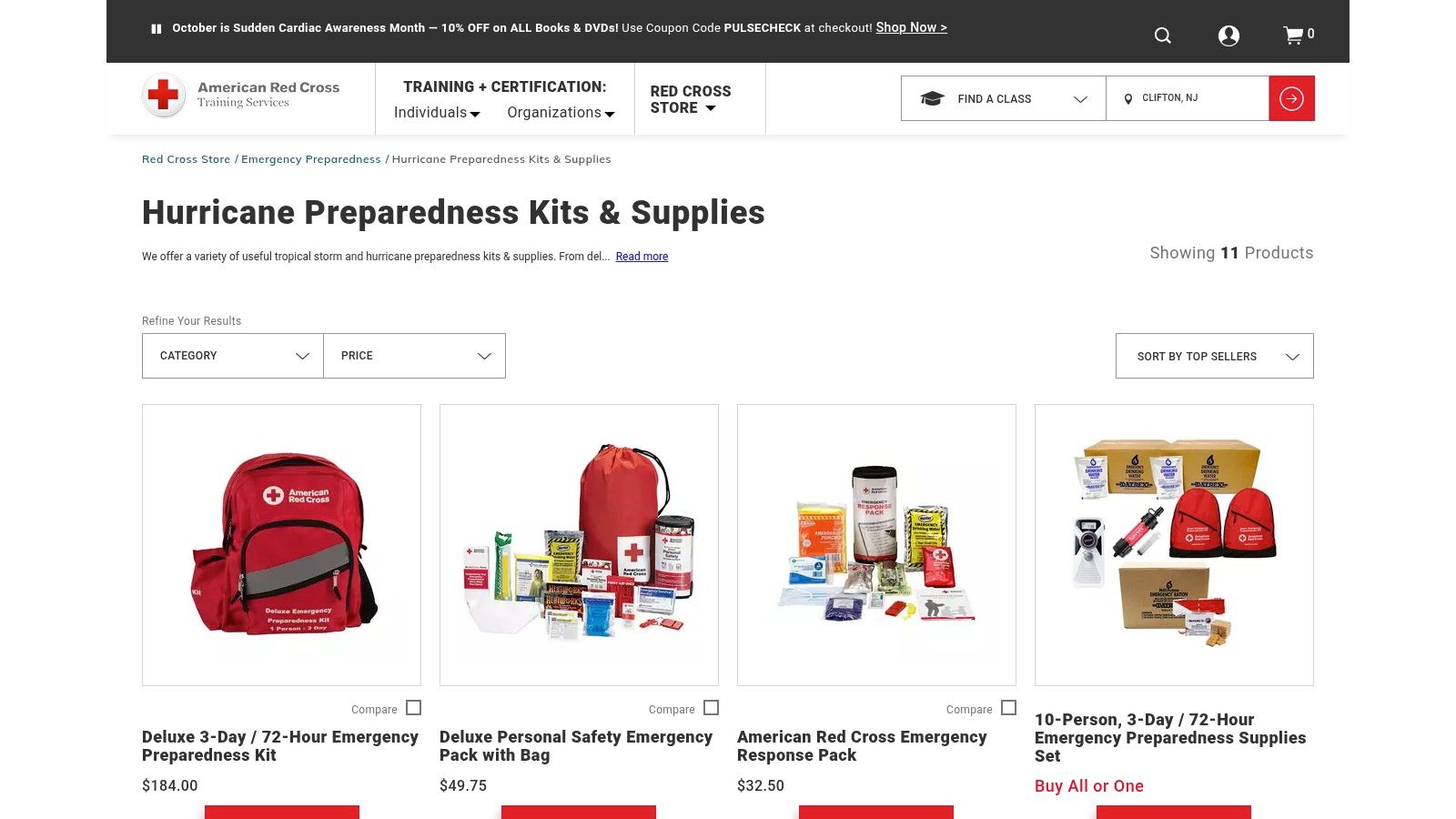
The Red Cross household-kit listing includes a four-person, three-day kit listed at $348. You spend more than you would on the smaller Red Cross backpack, but you start with a package intended for a household-sized group.
The category listing doesn't establish every item or quantity. Before paying, request or inspect the current itemized inventory rather than treating the household label as a complete shopping list.
Water first: The American Red Cross kit checklist recommends at least one gallon per person per day, which means a household of four needs at least 12 gallons for a three-day baseline.
Finish It for Your Household
Store your main water reserve near your shelter location. You don't need to force every supply into the evacuation bag.
Add foods everyone can eat, a manual opener, pet supplies, prescription information, and copies of important papers. Assign personal medication and comfort items to individual bags so nobody depends on another person's pocket.
Best fit: You want a preassembled household base and can budget for the missing supplies. Main trade-off: You still need to verify quantities, despite the higher purchase price.
3. Ready America 4-Person Emergency Kit (3-Day Backpack)
If you want to inspect a kit like a grocery basket, this backpack gives you a useful starting list. You can look at the contents and ask what you'd use.
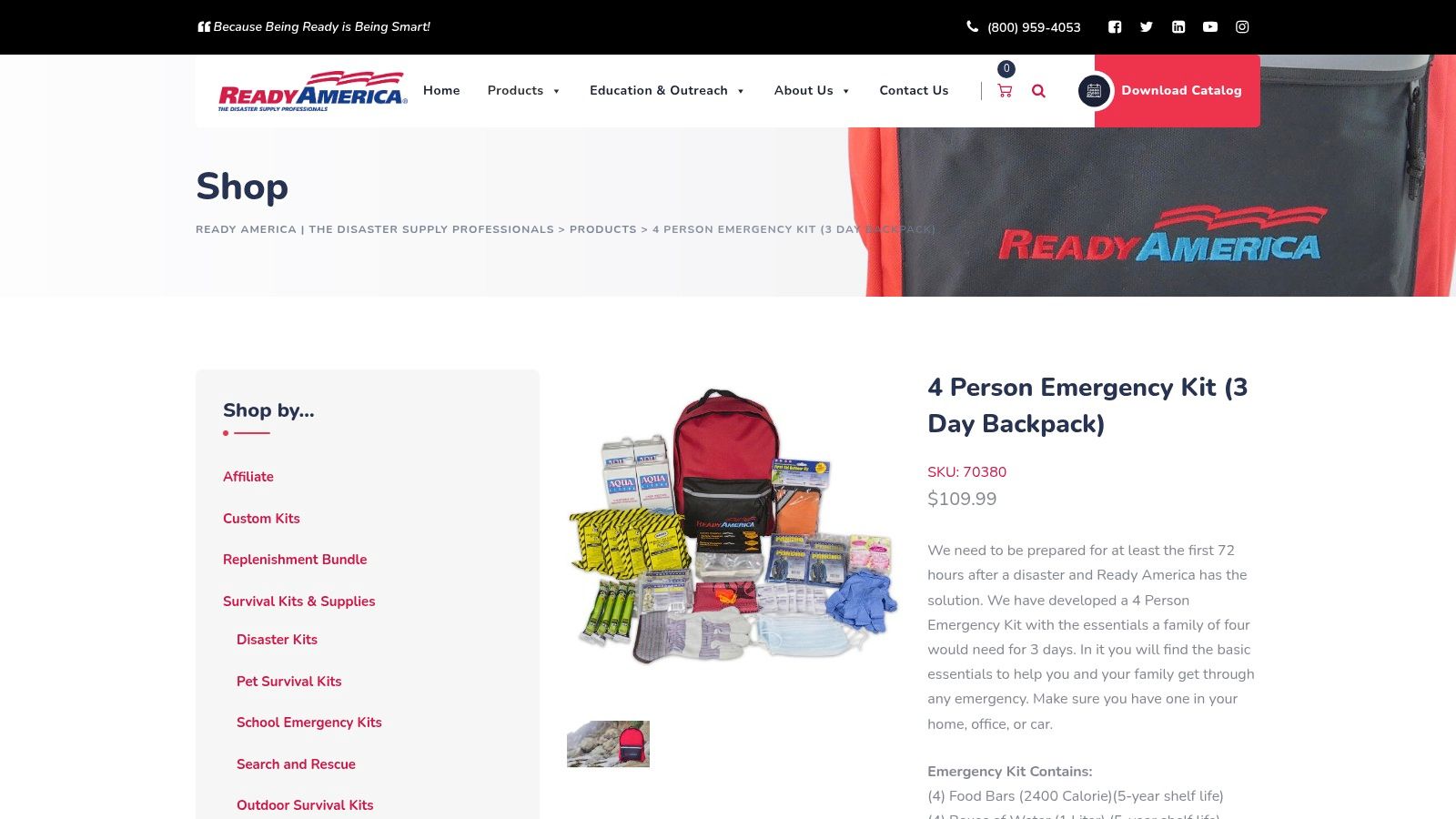
The Ready America backpack listing lists $109.99, food bars, drinking water, ponchos, survival blankets, a 107-piece first-aid kit, gloves, masks, goggles, a whistle, and hygiene items. It also specifies four one-liter water boxes, so you'll need a separate household water reserve.
Read the Contents, Not the Piece Count
You get a broad mix of protective and basic emergency supplies at a lower listed price than the Red Cross household option. However, Ready America says contents or packaging may vary, so compare the current inventory before buying.
- Useful inclusion: Gloves, goggles, and masks give you a head start on personal protection.
- Missing confirmation: The list doesn't name a NOAA weather radio.
- Biggest addition: Store substantially more drinking water alongside the backpack.
For a cleanup crew, inspect the first-aid contents rather than relying on the impressive piece count. The Red Cross first-aid guide names absorbent dressings, adhesive tape, antiseptic supplies, and a breathing barrier among its recommended contents.
Add work gloves suited to your task, eye protection, and an incident record. Carry your own prescriptions rather than expecting a shared pouch to cover them.
4. Ready America 4-Person Deluxe Emergency Kit
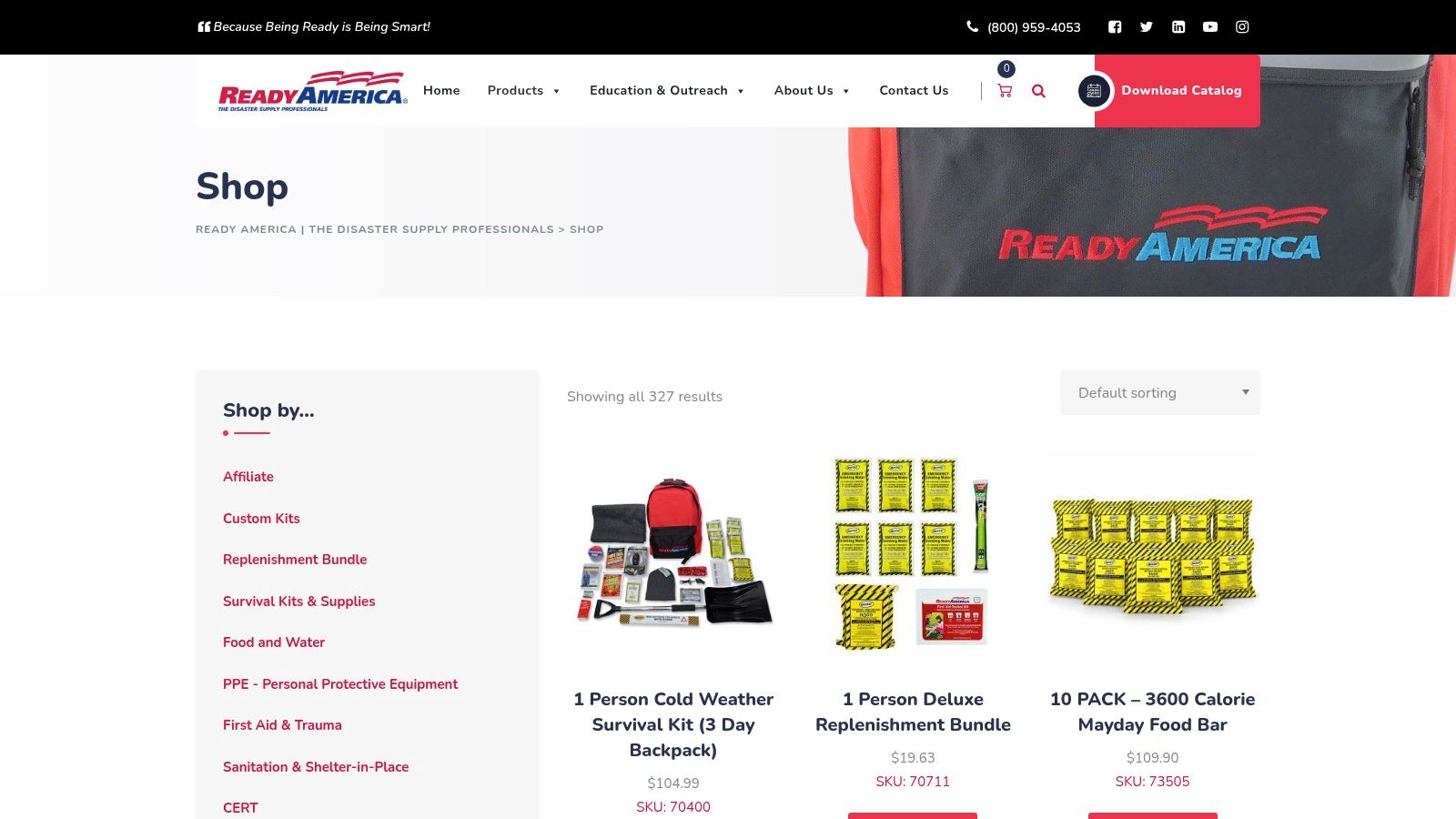
A flashlight, radio, and charger in the same device sounds tidy. You'll have fewer loose objects to chase around a dark room.
The Ready America deluxe-kit listing lists $154.99 and an emergency power station with a flashlight, AM/FM radio, siren, and phone charger. You also get a multi-function tool, duct tape, and a mix of food, water, first aid, and protective supplies.
The radio distinction matters: You can listen to AM/FM broadcasts, but the description doesn't establish a NOAA weather-alert receiver. Don't buy it expecting an alert function you haven't confirmed.
Finish It for an Outage
Compared with the basic backpack, you get more outage-related equipment. I'd still add a separate light so you can illuminate your surroundings while someone else uses the radio or charger.
- Check the charger: Confirm the connectors match your phone and test the charging function.
- Expand the reserve: Add household drinking water rather than relying on the included supply.
- Separate the jobs: Keep an independent alert receiver available.
Before a storm, learn what you'll do when that receiver sounds. The National Weather Service watch-and-warning guide explains that a watch means hazardous weather remains possible, while a warning calls for action.
For a tornado warning, move immediately to your safe place. For a severe-thunderstorm warning, enter a substantial building rather than staying outside to finish packing.
5. Ready America 2-Person Tornado Emergency Kit
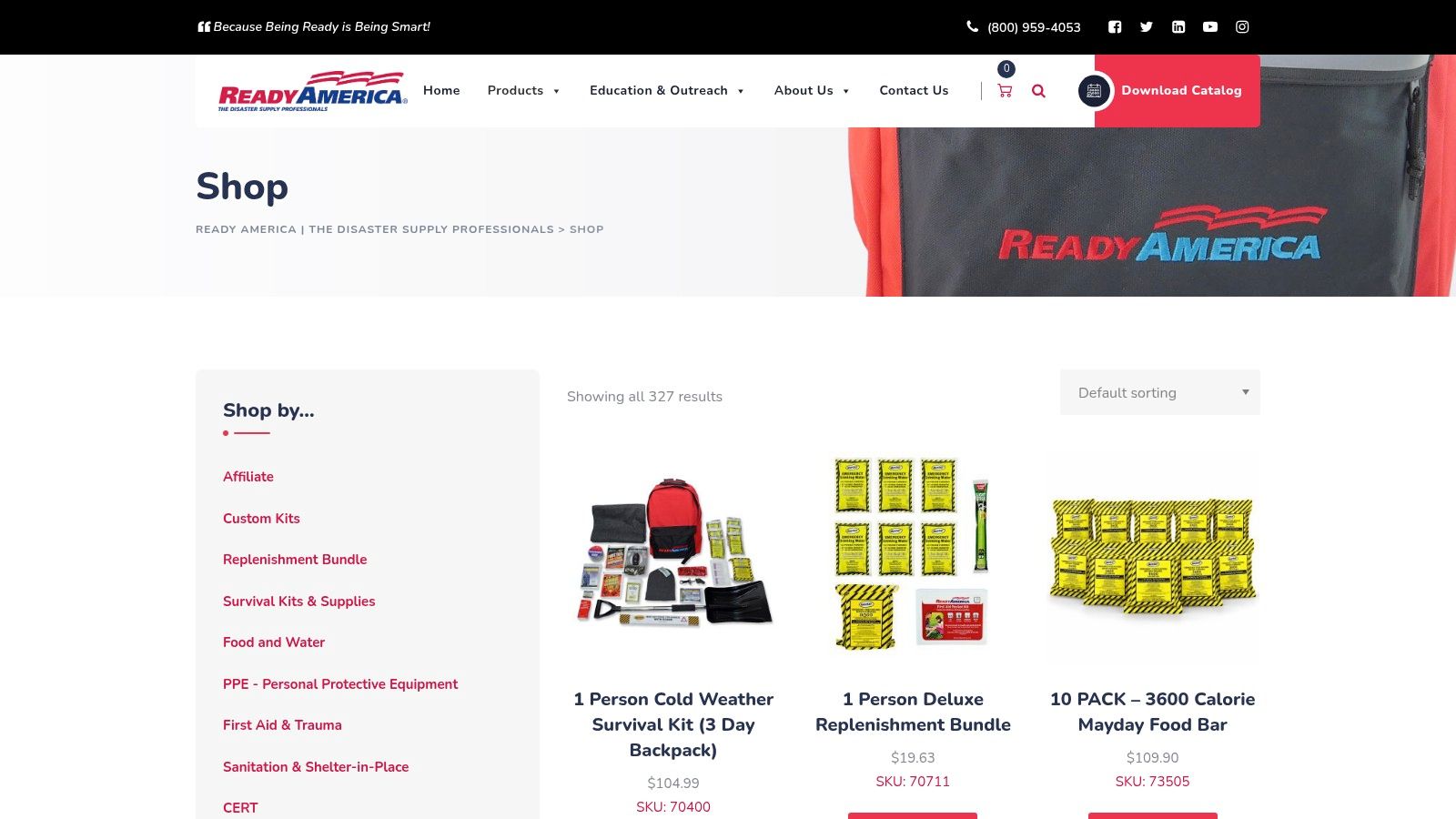
You and your roommate agree to buy emergency supplies. Neither of you wants a giant bucket blocking the apartment door.
Ready America lists its two-person Tornado Emergency Kit at $65.99 in its emergency-kit shop, within the three-day backpack category. The compact positioning and lower listed price make it a reasonable candidate for a small household.
The tornado label doesn't answer the practical questions, though. The shop listing doesn't give you enough item-by-item detail to confirm the complete shelter setup.
Pack for the place you'll actually shelter, rather than the storm printed on the bag.
Finish It for Roommates or a Couple
Check for a NOAA-capable receiver, usable lighting, drinking water, first aid, and personal medication. Add sturdy shoes and keep them accessible near your shelter supplies.
The Ready.gov emergency-kit guide recommends at least three days of nonperishable food and explains that a two-person household needs at least six gallons of water under its drinking-and-sanitation baseline. Add extra water for pets.
- Good match: You want a compact base rather than a larger household package.
- Main limitation: You need the current inventory before you can judge value.
- Easy improvement: Include familiar ready-to-eat food and a manual can opener.
Practice reaching your shelter with the bag. A bargain you can't locate in the dark won't feel like much of a bargain.
6. Ready America 4-Person Professional Kit, 10-Year Food and Water
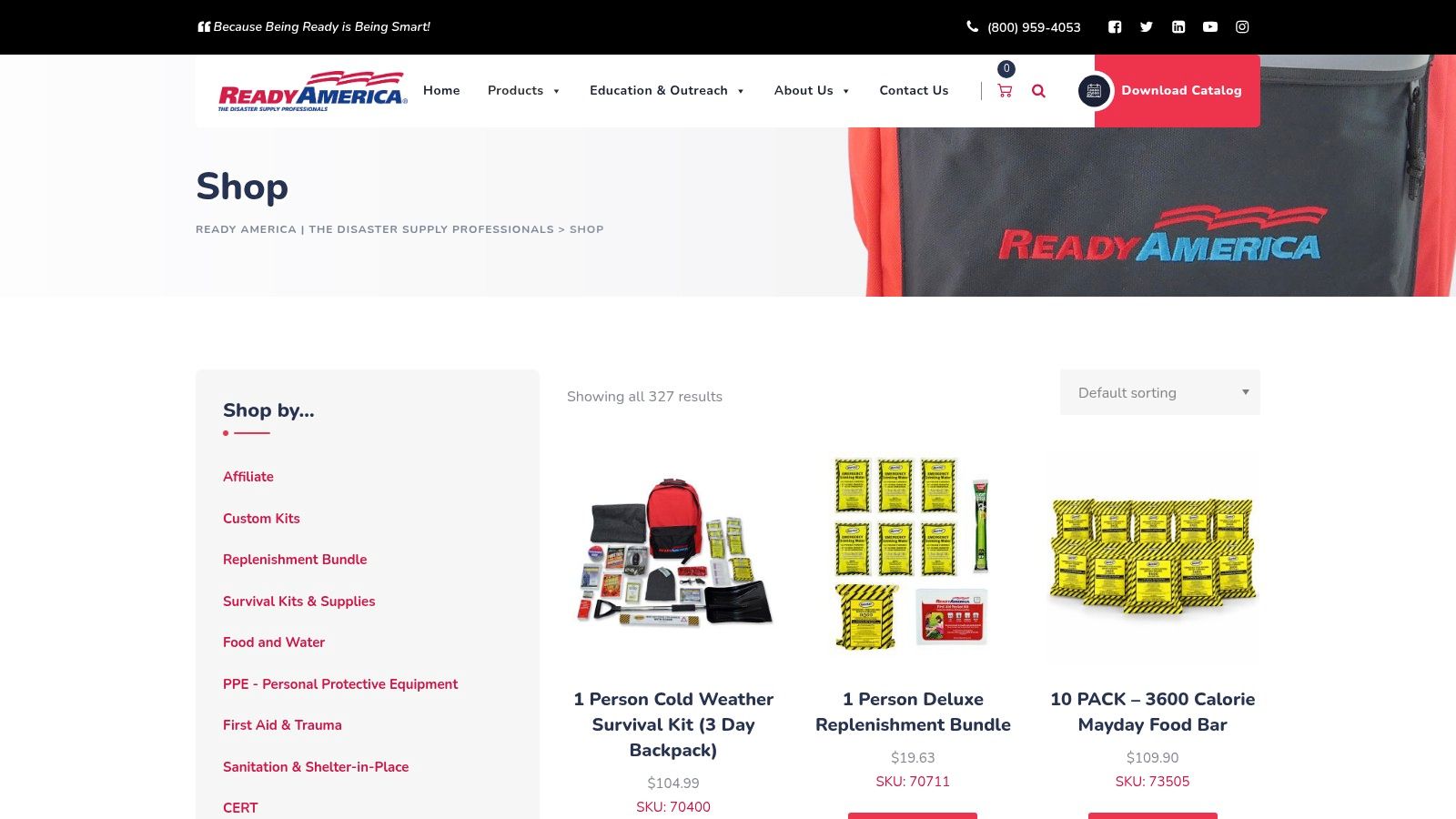
Say you want to pack a kit, shove it in a closet, and stop thinking about expiration dates for a while. A product name promising food and water for a decade sounds made for you.
The Ready America Professional kit is built around that promise: a four-person kit whose food and water carry a stated 10-year shelf life. The decade covers those named rations. Batteries, medications, bandages, and anything you add later all age on their own schedule.
Finish It for a Maintained Reserve
A longer-life base means fewer expiration dates to track on the named food and water, as long as you store the kit per its instructions. Everything around those rations still needs routine attention, and the listing leaves gaps you fill yourself.
- Inspect on arrival: Read the food and water dates, then file the inventory where you'll find it.
- Check the rest: Test the lights, look over the packaging, and swap out personal supplies when they expire.
- Close the gaps: Add a NOAA alert receiver if the kit doesn't include one, plus clothing matched to your season.
If the kit doubles as a grab bag for outdoor volunteer days, long-life rations won't carry you through a hot afternoon on their own. The heat-exhaustion prevention tips help you plan drinking water, shaded breaks, and when to call it a day.
Treat it like a pantry shelf. Durable packaging buys you time, but you still open the cupboard now and then to check what you have.
7. Ready America 4-Person Deluxe Emergency Bucket Kit
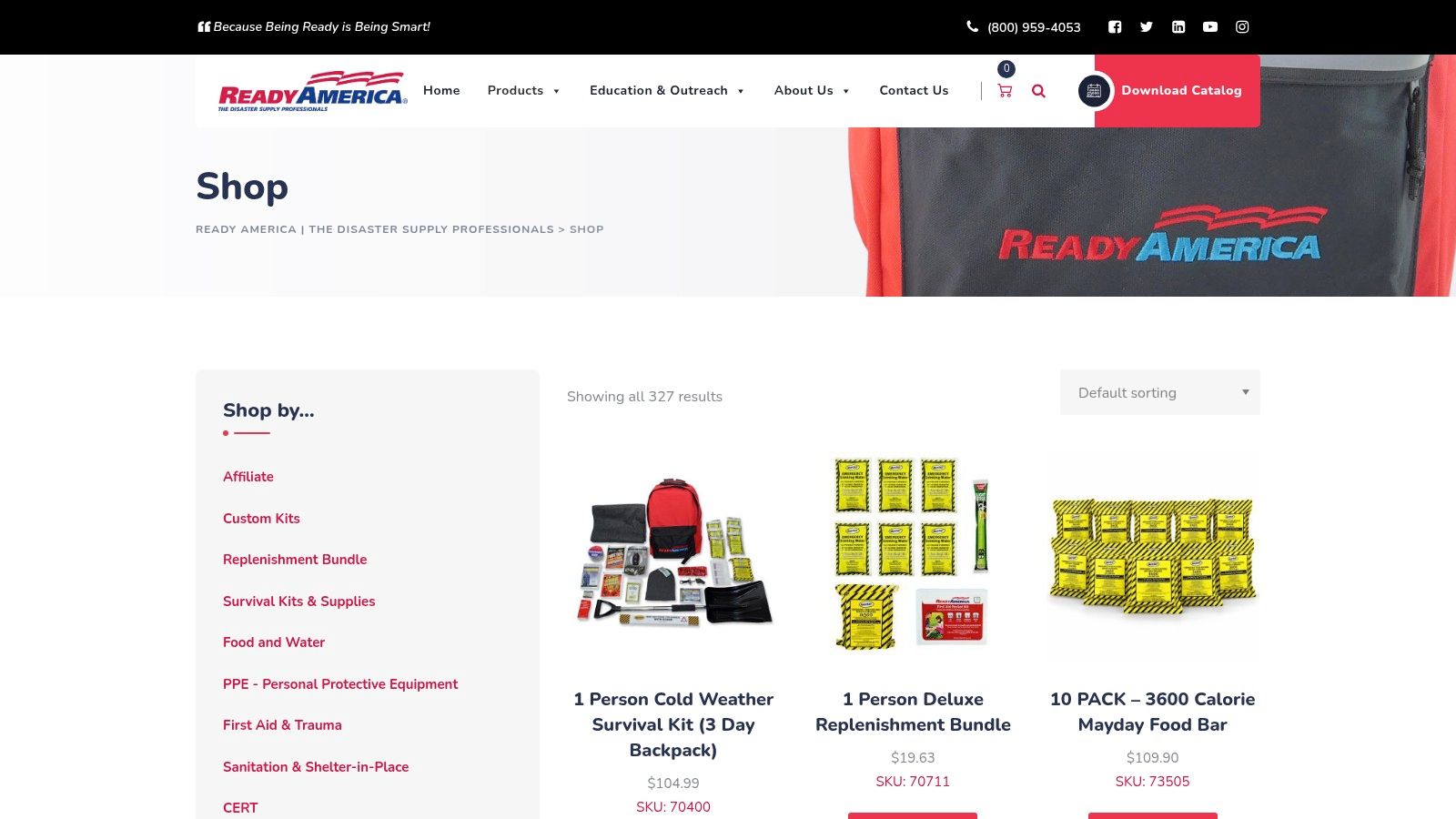
A bucket makes sense in a supply closet. Carrying it down stairs while holding a handrail is a different proposition.
The Ready America bucket-kit listing lists $154.99 for a four-person package in a five-gallon bucket. The listed contents include food bars, ponchos, blankets, first aid, an emergency power station, a whistle, protective gear, sanitation items, and four one-liter water containers.
You can keep the supplies together in a durable container, but you still need much more water. The listing also doesn't specify a NOAA alert radio.
Finish It for an Office or Shelter Room
I'd favor this format for stationary storage rather than a hurried walk to shelter. Put it somewhere accessible, then keep portable personal bags nearby for anyone who needs to leave.
The Ready.gov supply checklist includes moist towelettes, garbage bags, plastic ties, a flashlight, spare batteries, and a manual can opener. Compare those practical items against the bucket's current contents.
- For sanitation: Add missing waste bags, wipes, and hygiene supplies.
- For mobility: Move immediately needed items into lightweight carry bags.
- For an office: Label the location and assign someone to maintain the inventory.
Don't assume everyone can lift the container. Test the carrying plan before bad weather, especially if your route involves stairs or heavy doors.
8. Ready America Sustain Supply Essentials Kit, 2-Person
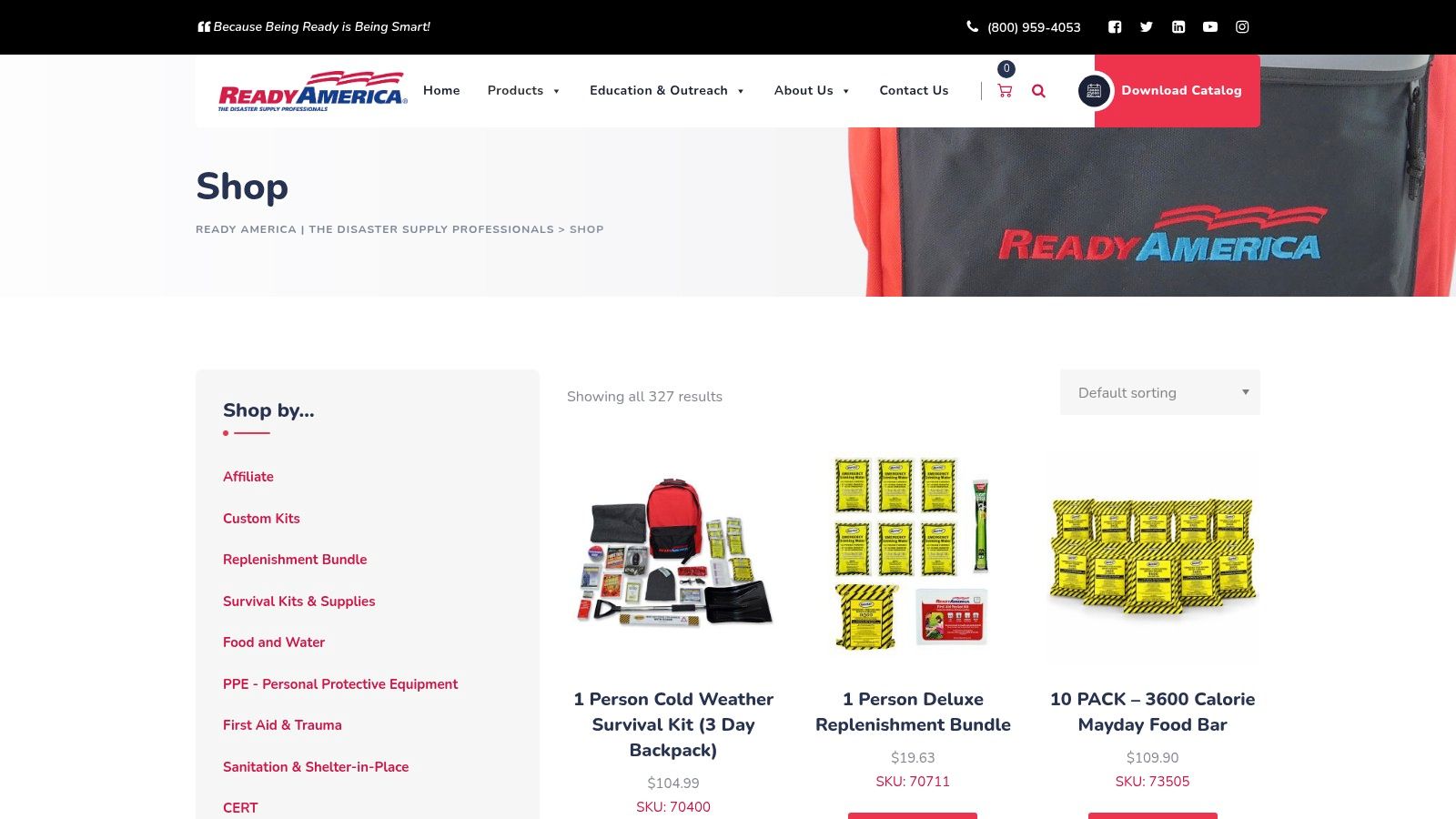
Start with who needs the kit. Then work out how they'll move it.
The Sustain Supply Essentials listing lists $99.99 for its two-person option. You can compare it with larger comfort and blackout bundles in the same range without buying a household package you don't need.
However, the shop listing doesn't detail every item. Essentials describes the product tier; it doesn't confirm a complete FEMA-style supply list.
Finish It Around the People
For someone who uses a wheelchair, mobility aid, or medical device, bag weight and pocket access deserve as much attention as the contents. Keep medication information, contact details, and charging equipment where you can reach them without unpacking.
The Red Cross storm-preparedness guidance recommends backup batteries and chargers for devices including CPAP machines and wheelchairs, along with advance transportation planning.
- Confirm before buying: Look for actual food, water, first aid, lighting, and communications contents.
- Adapt the carry: Use smaller modules if a single bag makes movement difficult.
- Plan assistance: Write down transportation contacts and arrange help before evacuation becomes urgent.
You can use this smaller package as a starting point for a couple or roommates. Add a NOAA-capable receiver if absent, then test whether each person can retrieve their own supplies independently.
9. Ready America Sustain Supply Fire and Blackout Emergency Deluxe Kit
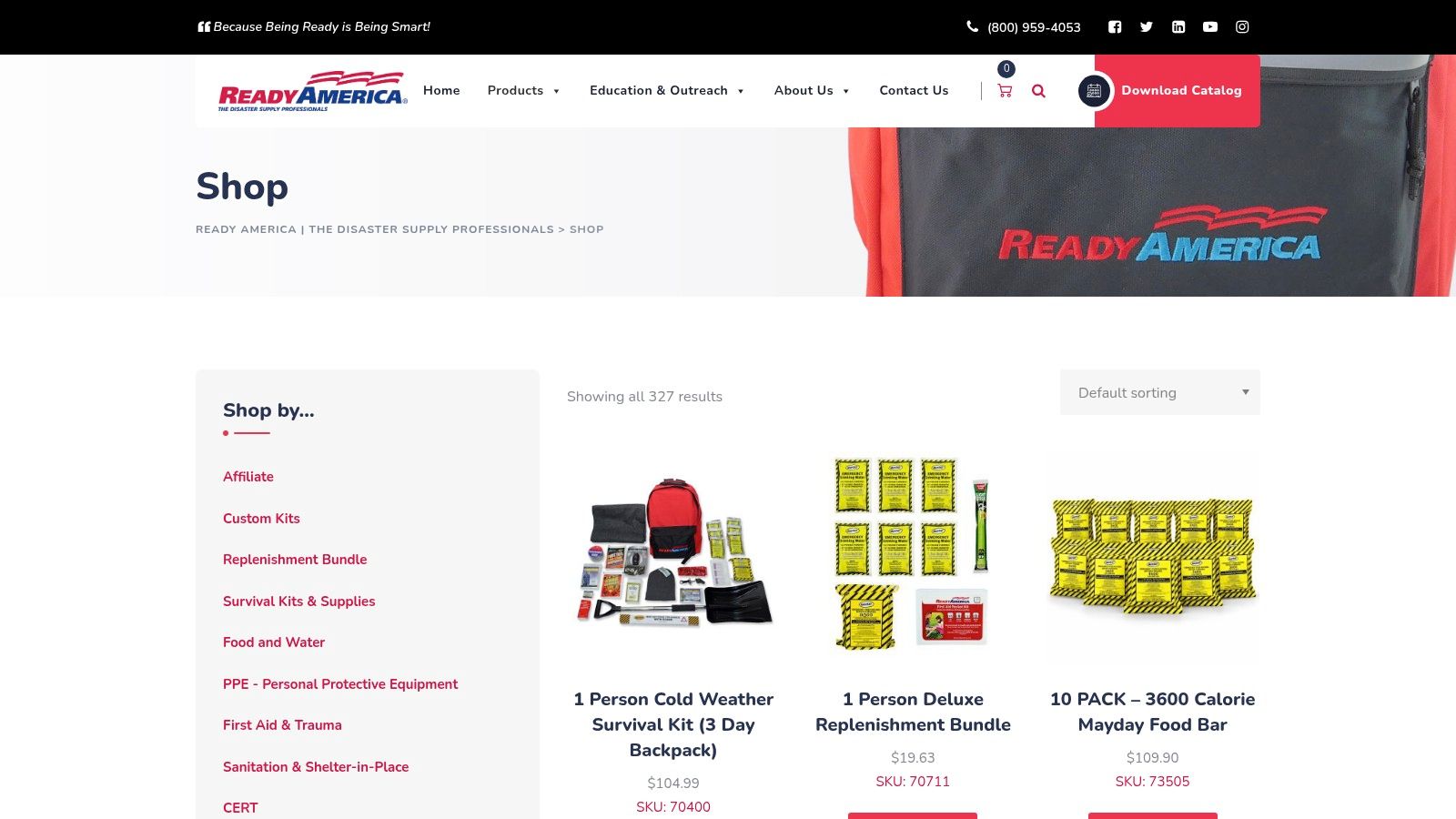
Say the lights cut out at dinner. The fridge goes quiet, your phone battery is already low, and a few minutes later water starts creeping past the curb downstairs.
This Ready America bundle sits near the higher-priced end of the brand's lineup and is built around outages, fire, and darkness. Treat “Deluxe” as a starting label, then look hard at what is missing for severe weather: a NOAA-capable alert receiver, enough water for several days, and supplies for sheltering in place if leaving is unsafe.
Finish It for the Hazard Beyond the Outage
Before you spend more, read the current inventory line by line for food, water, communications, warmth, first aid, and sheltering supplies. Compare actual items rather than treating deluxe as a promise of completeness.
Keep the exit open: A well-stocked kit should help you leave danger when staying gets risky.
The NOAA forecast-information guide explains that flood warnings call for movement to higher ground and that you should never walk or drive through floodwater. Don't wait in a low-lying area because your emergency supplies happen to sit there.
- Good fit: You want to compare a specialized outage bundle with general-purpose kits.
- Unanswered question: Does the current inventory cover your household's storm needs?
- Useful addition: Keep grab-and-go basics separate from heavier home reserves.
For an office or volunteer crew, choose one person to call the move and one to track who has left. For a single person, cut weight; for a household, split water and warm layers so nobody has to carry everything.
10. Midland ER310 Emergency Crank Weather Radio
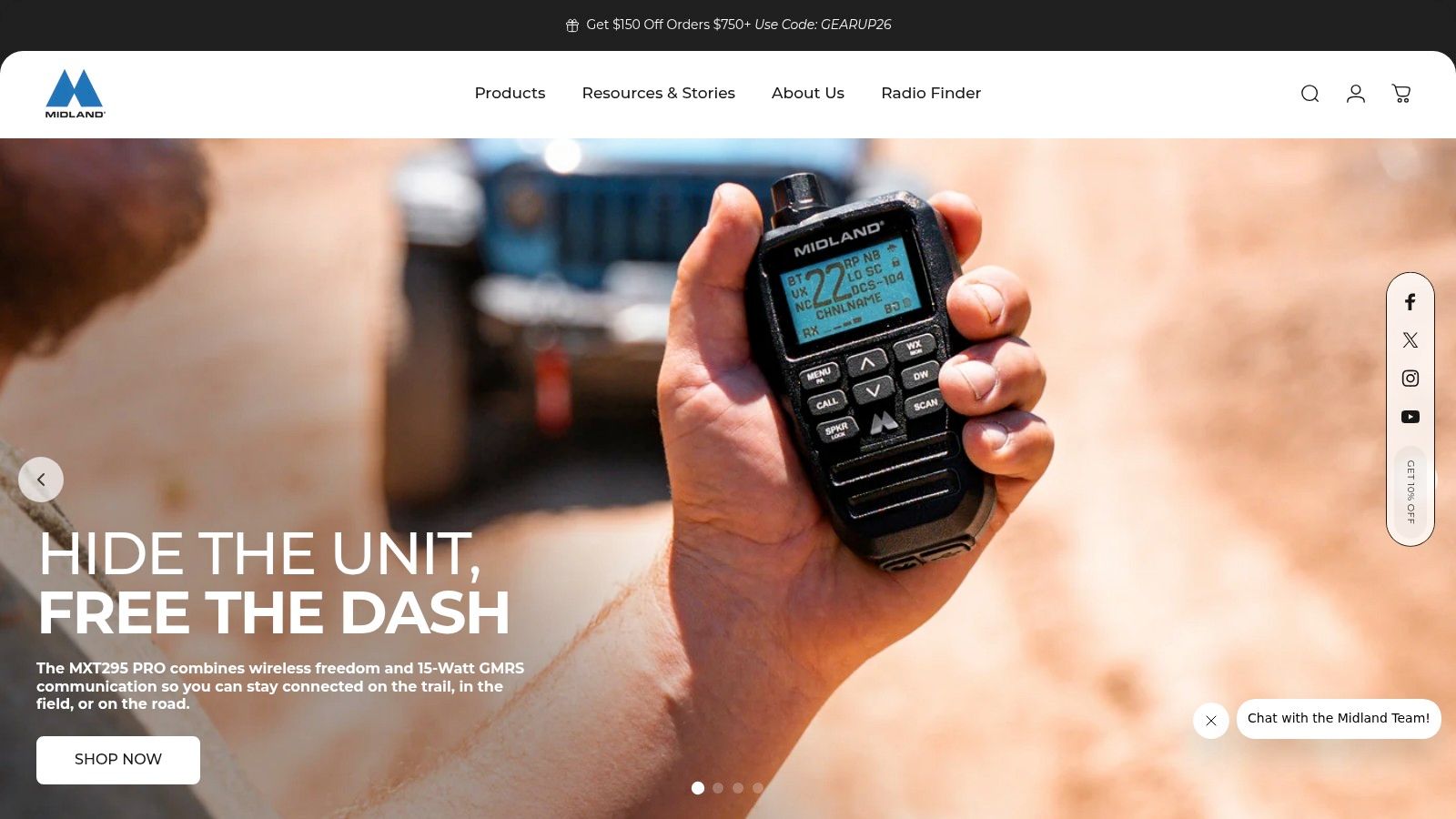
Your phone shows a weak signal. You keep refreshing the weather page, watching the battery fall while nothing loads.
The Midland ER310 is a dedicated emergency-radio component to investigate through Midland, rather than a complete severe weather safety kit. Check the current model specifications, backup-power options, alert functions, and availability before buying.
A separate receiver can fill a common gap in preassembled backpacks. You still need to confirm that the model's NOAA reception and alert behavior meet your needs, including county-specific alerting if you want it.
Finish the Communications Layer
The Red Cross preparedness guide recommends a battery-powered or hand-crank radio, preferably NOAA Weather Radio-capable. It also distinguishes a three-day portable supply from a two-week home reserve.
- Check reception: Test the radio where you expect to shelter.
- Learn the controls: Practice tuning, charging, and responding to alerts before an outage.
- Remember the gap: You still need food, water, first aid, medication, and shelter supplies.
For winter planning, pair your communications setup with our blizzard safety tips. A working radio helps you hear changing conditions, while warm clothing and a transportation plan help you act on them.
I'd treat this purchase as a companion to a kit, never a substitute for one.
How the 10 severe weather safety kit options compare
| Item | Listed Price | People Covered | Format | NOAA Weather Radio Listed |
|---|---|---|---|---|
| American Red Cross Deluxe 3-Day / 72-Hour Emergency Preparedness Kit | $184 | 1 person | Backpack, 3-day kit | Not specified |
| American Red Cross 4-Person 3-Day / 72-Hour Emergency Preparedness Kit | $348 | 4 people | Preassembled, 3-day kit | Not specified |
| Ready America 4-Person Emergency Kit (3-Day Backpack) | $109.99 | 4 people | Backpack, 3-day kit | No |
| Ready America 4-Person Deluxe Emergency Kit | $154.99 | 4 people | Deluxe backpack kit | No NOAA alert receiver specified |
| Ready America 2-Person Tornado Emergency Kit | $65.99 | 2 people | Backpack, 3-day kit | Not specified |
| Ready America 4-Person Professional Kit, 10-Year Food and Water | $249.99 | 4 people | Backpack, 3-day kit | Not specified |
| Ready America 4-Person Deluxe Emergency Bucket Kit | $154.99 | 4 people | Five-gallon bucket kit | No |
| Ready America Sustain Supply Essentials Kit, 2-Person | $99.99 | 2 people | Essentials kit | Not specified |
| Ready America Sustain Supply Fire and Blackout Emergency Deluxe Kit | $299.99 | Not specified | Deluxe emergency kit | Not specified |
| Midland ER310 Emergency Crank Weather Radio | Not listed | Not applicable | Emergency radio component | Weather radio; verify NOAA features |
Pack It Once, Then Check It Every Season
Choose a base kit you can carry, afford, and understand. Then finish the gaps: a NOAA-capable radio, drinking water for several days, prescriptions, copies of important papers, and clothing suited to Chicago weather.
You don't need the fanciest backpack. You need to know where your flashlight lives and whether you can open the food you packed.
Give Every Supply a Home
Keep the go-bag where you can grab it on your way out. Store heavier water and shelter-in-place supplies near your planned indoor refuge, without blocking doors or walkways.
Use labeled pouches for medication information, first aid, lighting, and documents. Keep personal essentials separate from shared equipment so a missing team bag doesn't leave you without your prescriptions.
For an office or volunteer crew, choose someone to maintain the shared inventory. Ask each participant to carry their own medication, suitable clothing, and accessible drinking water, then agree on who brings the radio and shared first aid.
Check the Kit and the Decision Plan
Set calendar reminders to inspect expiration dates and batteries twice a year, and adjust clothing as the seasons change. Test lights and radios, inspect containers, and replace anything you've used.
Before an outdoor event, check the kit again. A calendar reminder won't tell you that someone borrowed the flashlight last weekend.
- For heat: Plan shade, drinking water, breaks, and buddy checks.
- For winter: Confirm warm layers, a warming location, and a workable ride home.
- For storms: Identify substantial shelter and give everyone permission to stop immediately.
- For accessibility: Recheck carrying arrangements, charging needs, and transportation contacts.
The Red Cross preparedness guidance pairs supplies with advance planning. Don't let a bigger kit talk you into staying outdoors when you should shelter or cancel.
At Litter Caterpillars, we clean Chicago every weekend, rain or shine, and we put volunteer safety first. During our first pickup, we got caught in a springtime hailstorm and blizzard while every Uber we called canceled.
You can enjoy adventurous service without treating discomfort as a safety plan. Pack your kit, learn your shelter route, and join a weekend morning pickup ready to look after yourself and the people beside you.
We bring Chicago neighbors together for weekend morning cleanups, friendship, and hands-on neighborhood care, with volunteer safety first. Visit Litter Caterpillars to find a pickup, bring your personal weather supplies, and help us clean the city together.
Leave a Reply