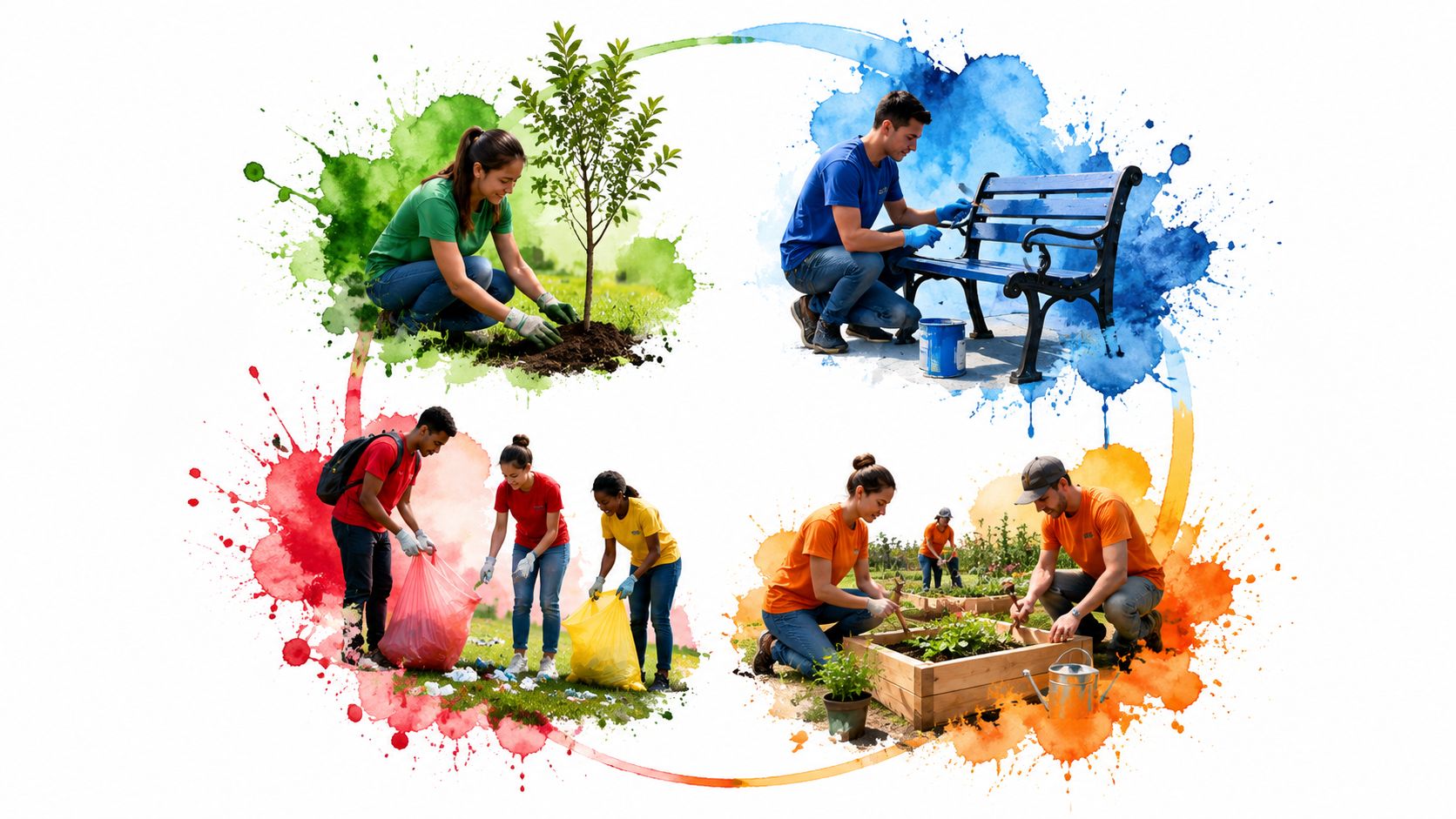
I started Litter Caterpillars when my own life felt impossible to clean. My apartment had turned into a museum of stuck memories. An old jar of jam from a trip years earlier, a bag of nuts from a health kick I never kept, and all of it felt like it weighed 500 pounds even though it barely weighed anything.
After a chaotic relationship ended, I hit a wall. I decided I had to train three muscles I'd avoided for years: cleanliness, consistency, and bravery. I also decided I wanted a social circle made of givers, not takers.
Then I learned something funny. Cleaning up someone else's mess is way easier than cleaning up your own, and somehow it's more fun too. On our first cleanup, there were only three of us, and we got trapped in a spring hailstorm, hiding under a tree while rides kept canceling. I remember shivering and thinking, this is awful, and also, this is a great story.
That's still how I think about service. Hardship adds flavor. It advances the plot. You show up, do something simple with other people, and suddenly your Saturday has meaning. You stop circling your own problems for a minute. You move your body. You laugh. You help.
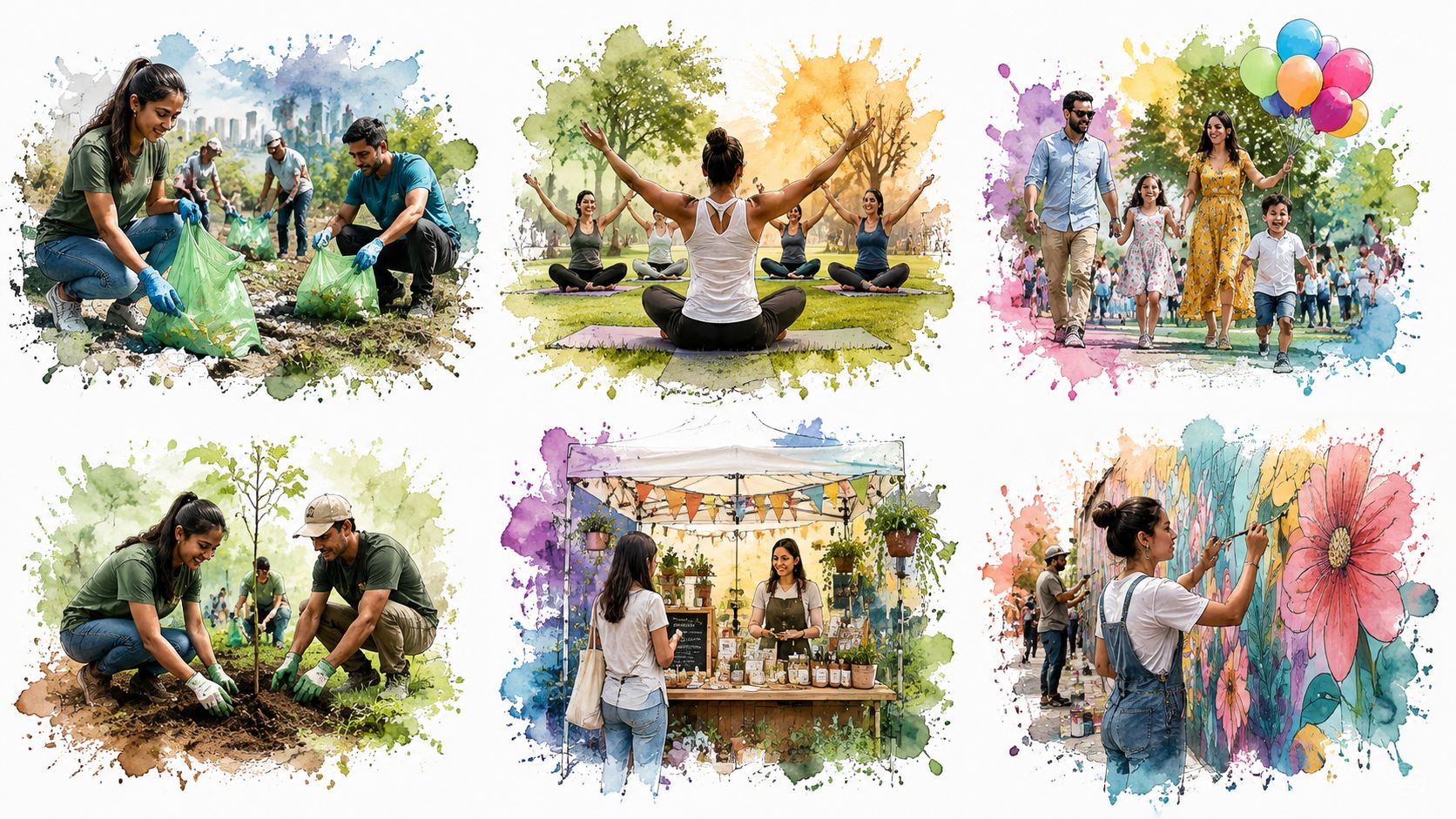
If you're looking for group service project ideas, I don't want to hand you a sterile list. I want to give you ideas that feel alive. Ideas you can start with friends, coworkers, classmates, or neighbors. Ideas that can grow into ritual, pride, and real community. These are the kinds of projects that taught me how to build something outside myself, and in the process, rebuild myself too.
1. Neighborhood Cleanup Blitzes with Geographic Rotation
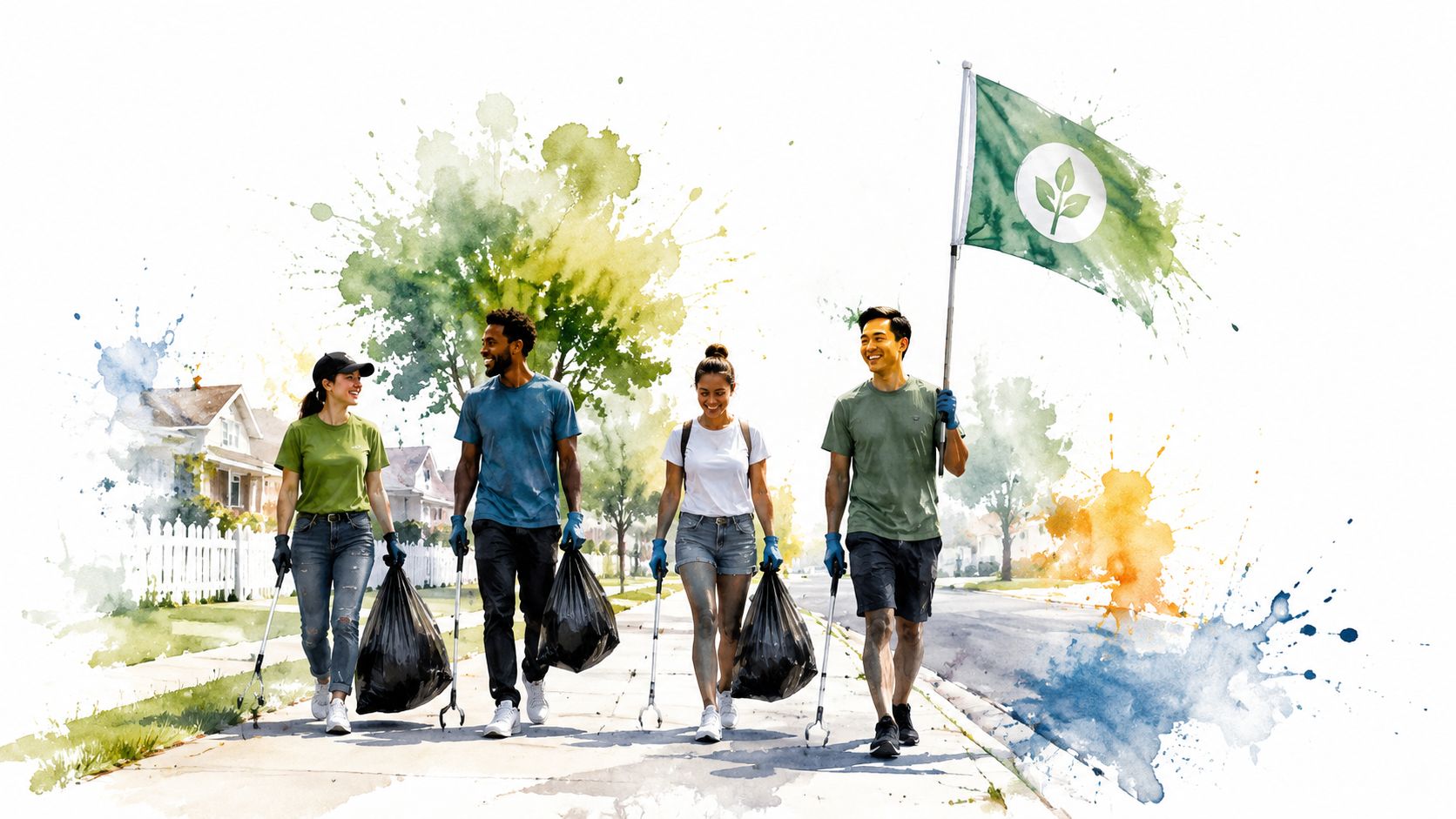
For instant clarity in a project, I would begin here. Pick one neighborhood this week. Pick a different one next week. Keep rotating.
That rhythm kept me interested because every area had its own personality. One block had fast-food wrappers everywhere. Another had dumped furniture. Another looked clean at first until you checked the curbs, alleys, and fence lines. Rotating keeps your eyes fresh, and it keeps the city from feeling like a blur.
A cleanup format like this also fits a model people already understand. Key Club International says its members give more than 13.5 million hours of service each year, and its own project ideas include recurring group formats like park cleanups, roadway adoption, tutoring, drives, and car washes in its service project flyer.
How I'd run it
Weekend mornings work. People are calmer, more generous, and less distracted. Post the location in advance, keep the meeting point simple, and give everyone a small zone so nobody wanders around confused.
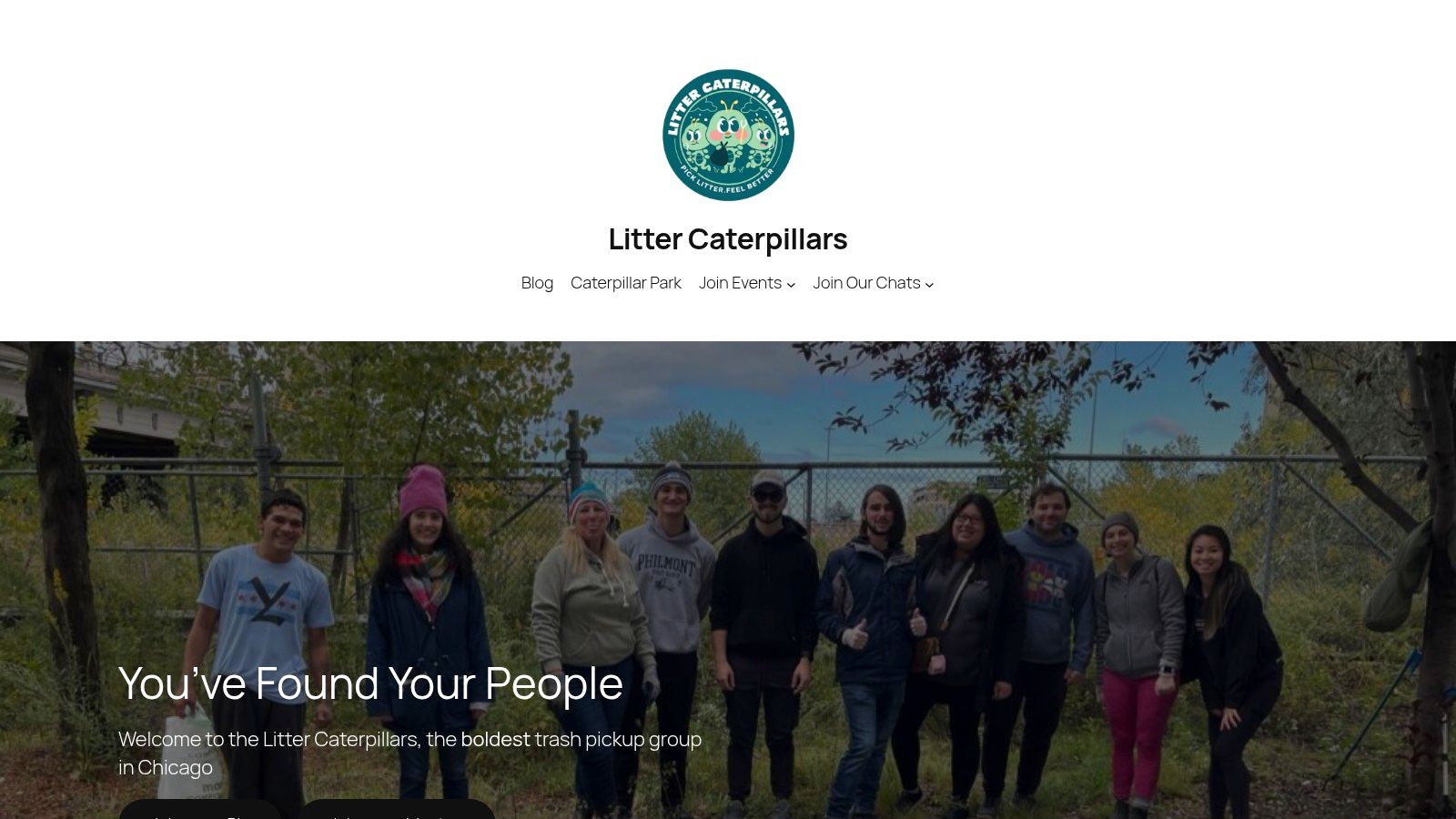
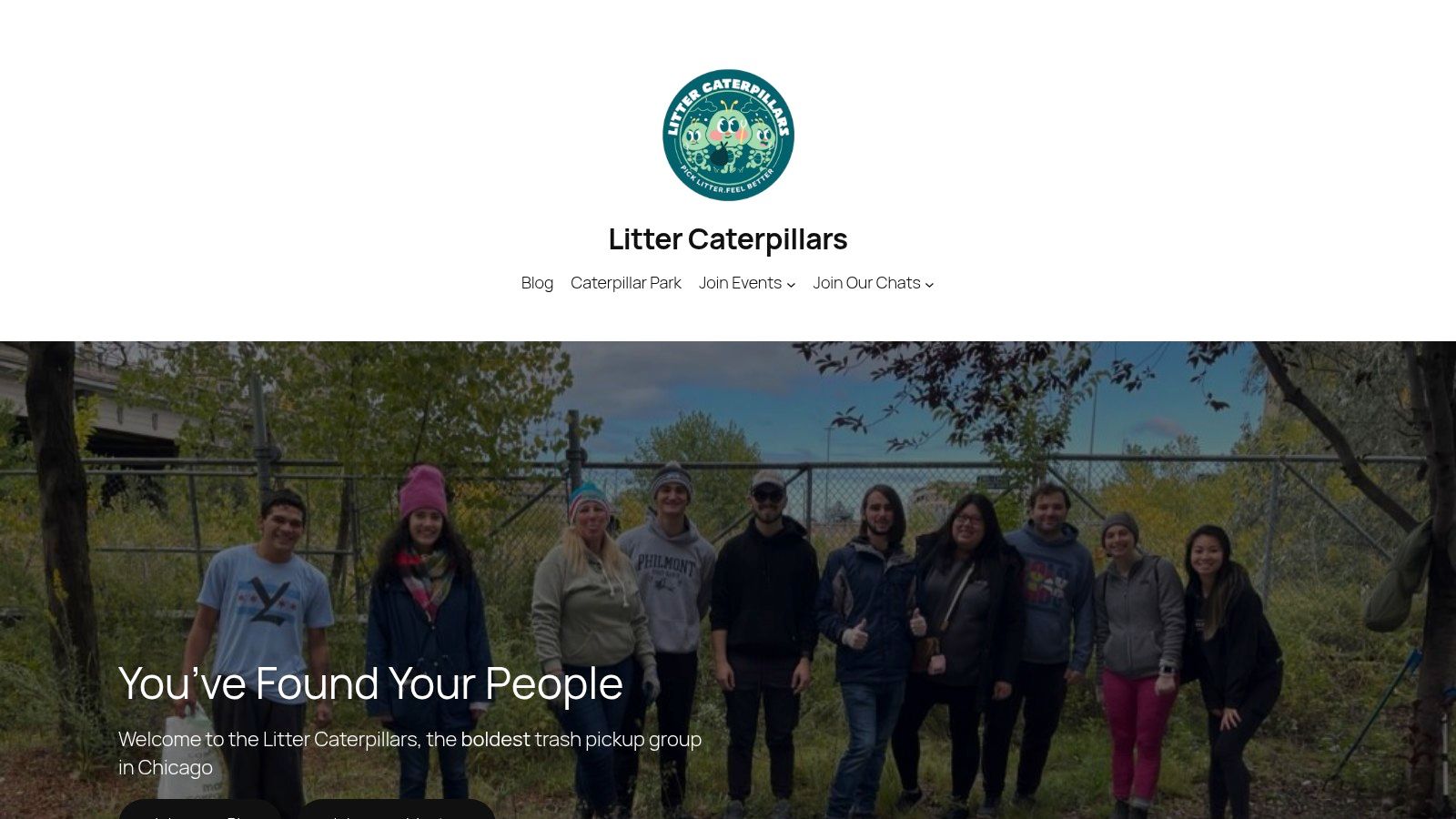
If you want a real example of what that looks like, our Chicago litter cleanup events follow that basic logic. You don't need a giant operation to copy the pattern. You need consistency more than complexity.
Practical rule: Give every event a clear start point, a clear route, and a clear ending photo.
A few things make this stick:
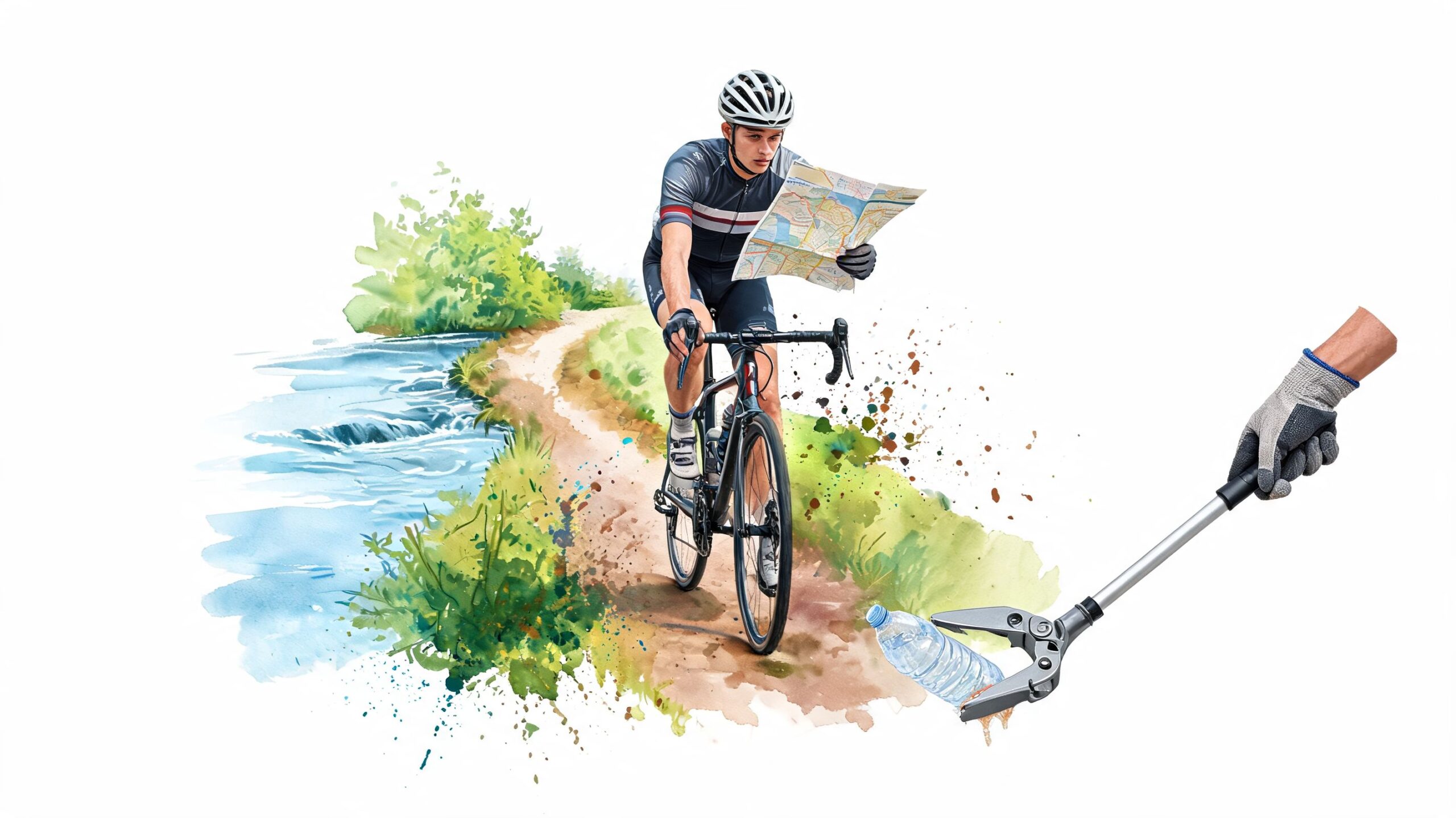
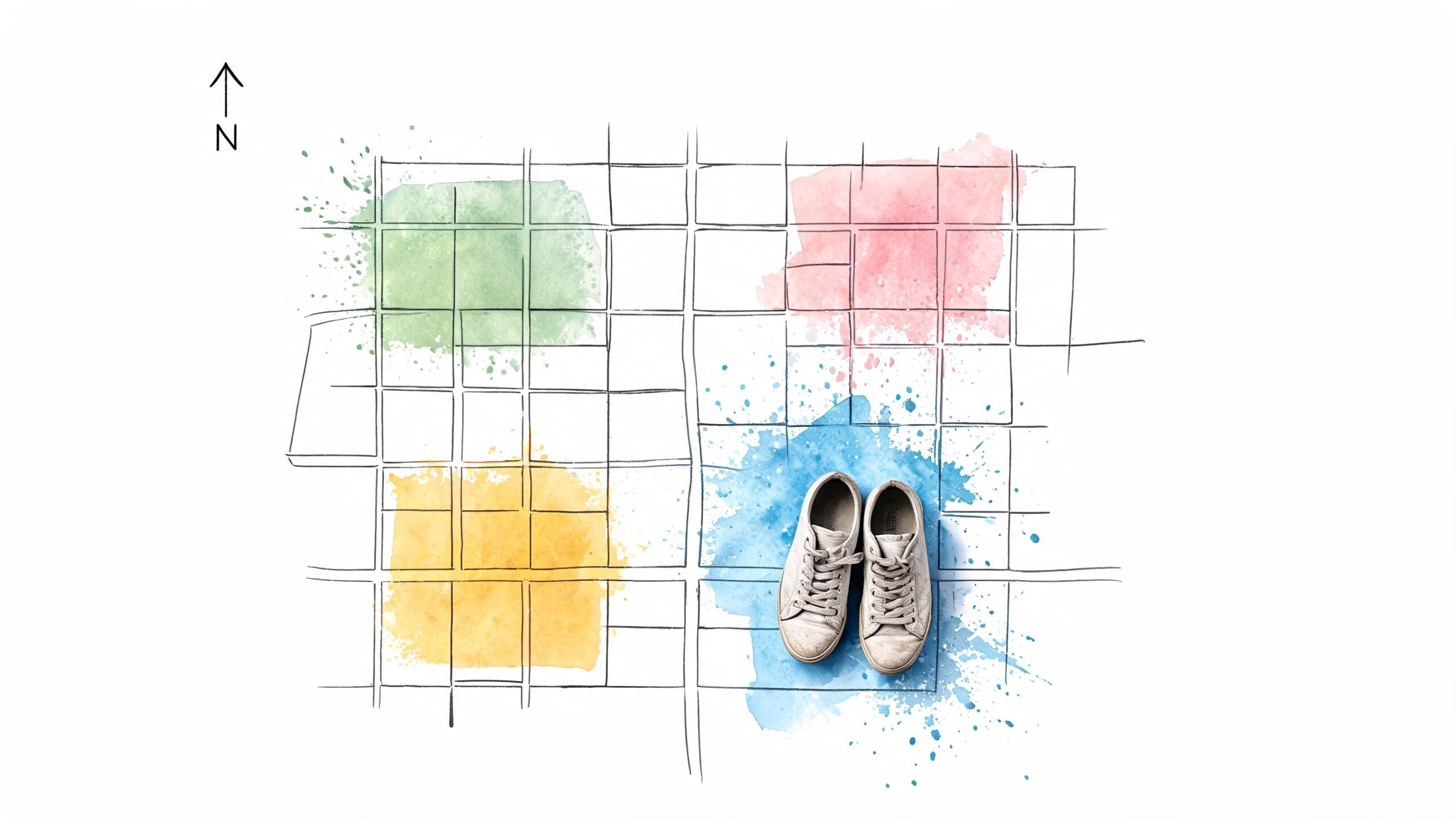
- Use a map people can follow: Mark where you've already cleaned so volunteers can feel progress.
- Keep supplies boring and reliable: Gloves, bags, grabbers, water, done.
- Name the day clearly: “West Side Sweep” is easier to remember than “Saturday volunteer event.”
- Celebrate small wins: Finishing one block well beats vaguely “helping the city.”
The best part is the visible before-and-after. People love seeing the proof. You can talk about service all day, but a clean sidewalk speaks faster.
2. Vacant Lot Transformation Projects
A vacant lot hits different. A sidewalk cleanup feels like a haircut. A lot transformation feels like surgery.
I've stood in neglected spaces where the grass was wild, trash was tangled into the weeds, and the whole place felt like the city had given up on it. Then a few people show up with gloves, shovels, and stubbornness, and the story starts to change.
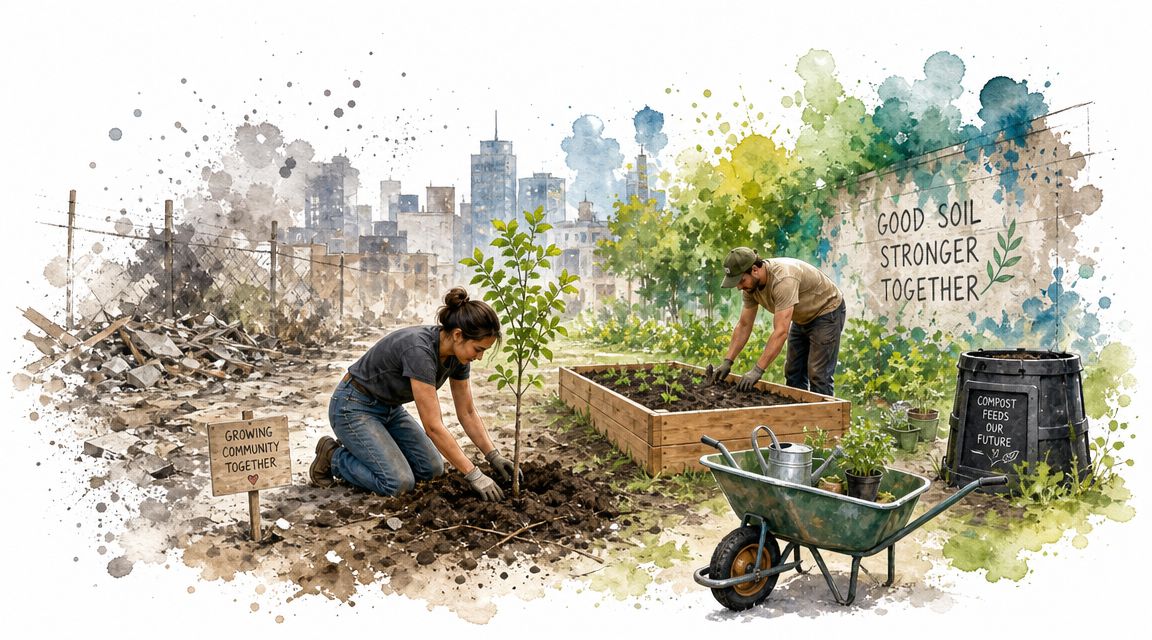
That's why this is one of my favorite group service project ideas. It asks more from you, but it gives more back. People don't just bag trash and leave. They imagine. They argue. They make plans. They come back.
Start with the ugly stage
The desire often is to skip to the garden sketch. Don't. First, learn to love the ugly stage. Take photos. Walk the perimeter. Ask neighbors what they want there. One person wants flowers. Another wants seating. Another wants a place where kids won't step on broken glass.
That early listening matters. If you want a volunteer group to keep showing up, they need to feel that the place belongs to them.
My own experience with lot work is part of why I think this way. If you want to see how a rough space can become something else, our story about transforming a vacant lot into Caterpillar Park gives the flavor of that journey.
A simple phase plan helps:
- Clear first: Remove litter, sharp debris, and obvious hazards.
- Define edges: Paths, borders, or simple zones make a space feel intentional fast.
- Add one visible living thing: A tree, flowers, or raised beds tell people this place has a future.
Later, when the work starts to feel real, I like to show people examples of what steady outdoor labor can lead to.
A vacant lot project is slower than a cleanup blitz. Good. Slow projects teach loyalty.
3. Corporate-Community Partnership Cleanup Days
I used to be suspicious of corporate volunteer days. Sometimes they feel too polished, like everyone showed up for a photo and a branded T-shirt. But I changed my mind when I saw what happens if you set the culture first.
A business team can bring serious energy. You get people who might never join a neighborhood cleanup on their own, but once they're there, sweating and laughing and filling bags, a few of them catch the bug. Some come back without their company. That's when you know it was real.
Keep the community in charge
The biggest mistake is letting the company become the star. The block is the star. The residents are the star. The cleanup is the star.
So I'd keep the structure simple. Give the company a defined task, a short briefing on how your group works, and a way to plug into the same rules as everyone else. If they want to help, great. They don't need to reinvent your process.
If you want a practical model for that kind of collaboration, our page on corporate social responsibility cleanup partnerships shows the kind of local fit I like.
The best company volunteer day feels less like a marketing activation and more like a neighbor showing up with extra hands.
Try a few guardrails:
- Set expectations early: Tell them what to wear, what the work is, and what respect looks like.
- Choose visible routes: A park edge, business corridor, or commuter path gives quick proof of effort.
- End with conversation: Don't let people scatter the second the bags are tied. Let them meet residents or regular volunteers.
This kind of project works because it lowers the barrier for busy people. Someone says yes to one work-sponsored cleanup, then maybe yes to a second one on their own time. That's how a one-day event can turn into a habit.
4. Environmental Education and Youth Engagement Programs
Young people don't need another lecture about caring for the planet. They need gloves, a bag, a weird story, and a reason to feel proud.
I've watched students show up shy and detached, then completely change once the task becomes concrete. Hand them a grabber and tell them, “Your team has this stretch of fence line.” Suddenly they're scanning the ground like detectives.
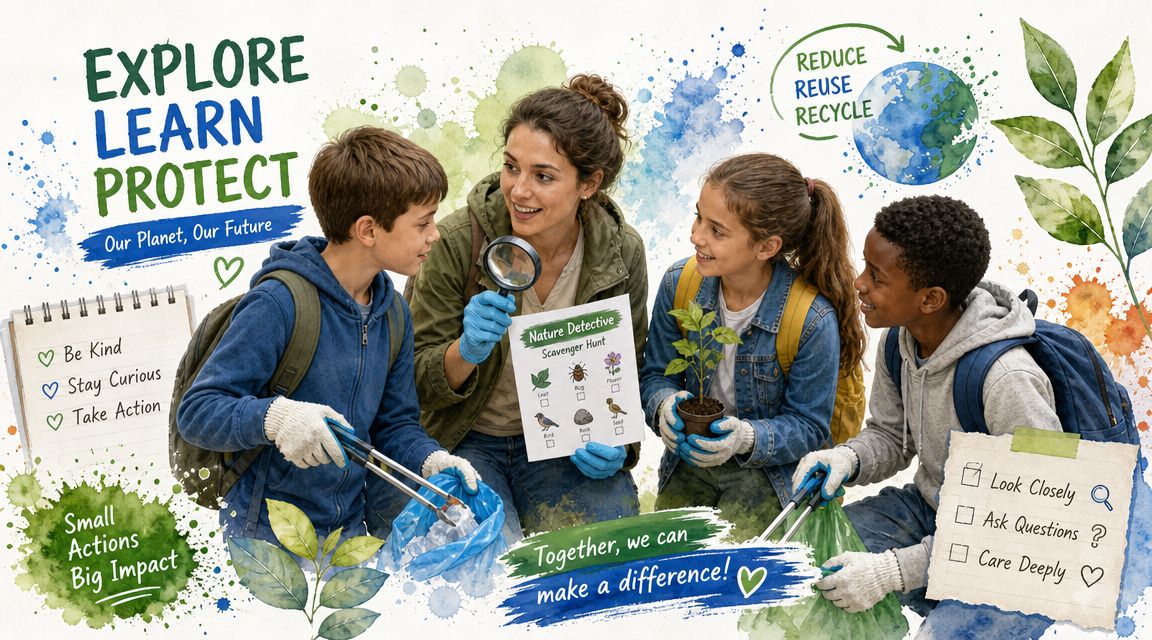
That's why youth programs work best when the education rides inside the action. Talk for a minute, work for an hour, reflect for ten minutes. Kids remember the dead batteries they found in the grass more than they remember a slideshow.
Give them a ladder to climb
A lot of youth volunteering feels flat. You show up once, get a service form signed, and disappear. I think that's a waste.
Build a small ladder instead. First cleanup. Then team helper. Then route leader. Then the person who welcomes new students. People stay when they can grow.
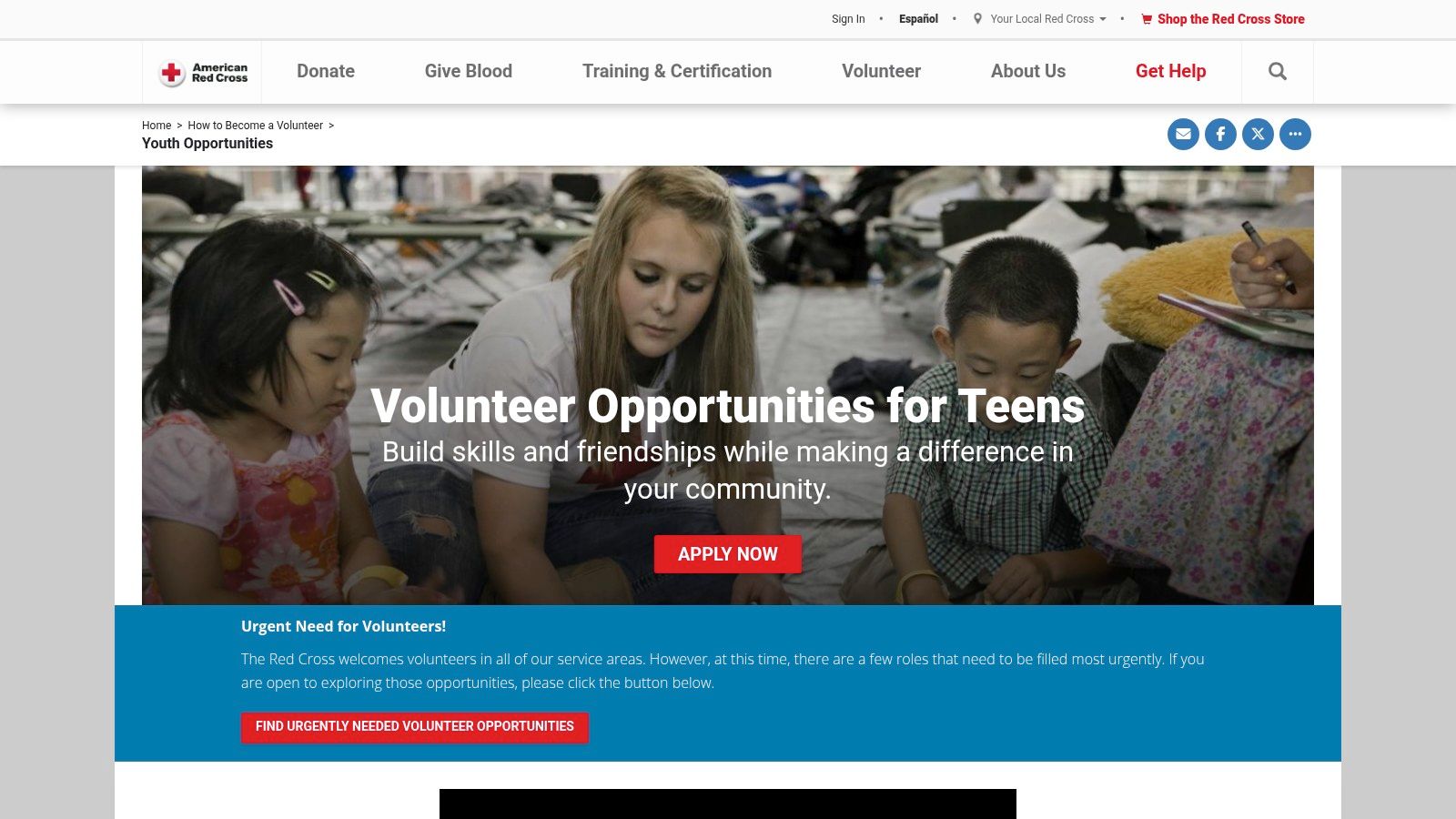
Rosterfy's roundup of community service project ideas for groups lists 99 ideas, and many of the repeat categories are the same ones that work well with young volunteers, including school supply collection, park cleanups, food drives, elder support, and thank-you card projects. I take that as proof that simple, team-based projects travel well.
A youth service day gets stronger when you add a few pieces:
- Give service-hour documentation: Students care about that, and that's fine.
- Pair teens with adults who respect them: Nobody likes being talked down to.
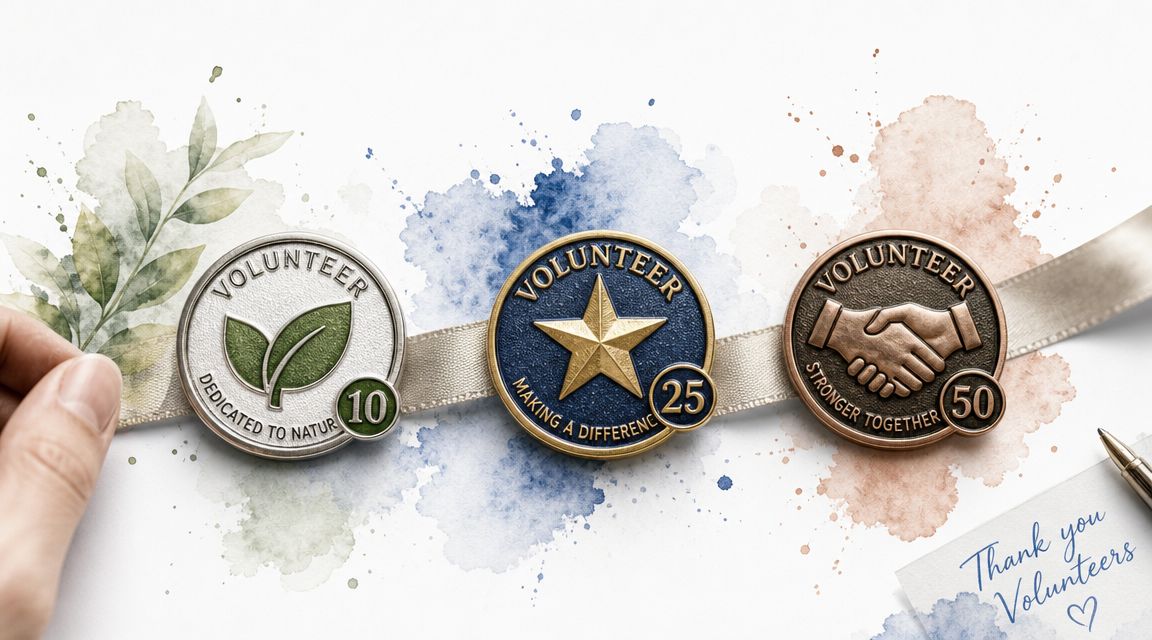
- Use group identity: A badge, a color, a team name, a chant. It sounds silly until it works.
When a student starts saying “our block” or “our park,” something has clicked. That's the moment I look for.
5. Themed Seasonal Cleanup Events with Community Celebration
Some people join for the cause. Some join because their friend invited them. A lot of people join because the event sounds fun.
I learned early that service needs some theater. Not fake theater. Human theater. A flag. A playlist. Matching shirts. A goofy tradition. Something that tells people, “You're part of this now.”
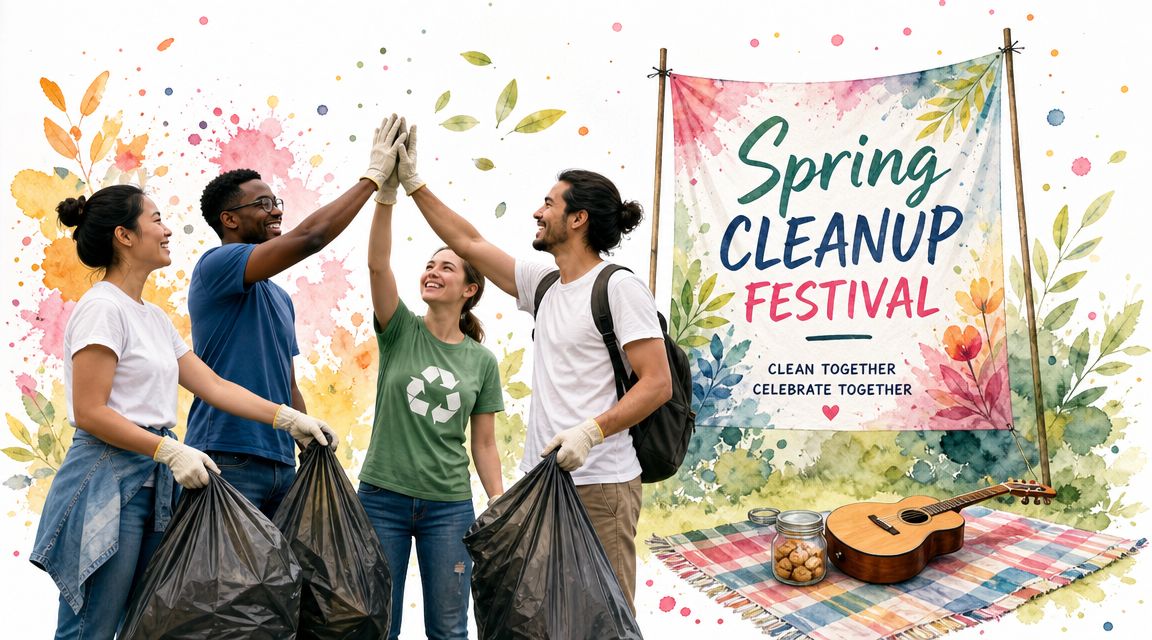
That's why seasonal events are so strong. Spring cleanup. Summer alley sweep. Fall neighborhood beautification day. Holiday donation and litter pickup combo. People like recurring rituals. They give the year shape.
Make the hard work feel memorable
Tom Sawyer understood something real. If you can frame hard work as a thing worth being proud of, people lean in. They stop acting like they're sacrificing. They start acting like they belong to a team.
I'd build a seasonal event around one simple cleanup plus one social moment after. Maybe hot coffee before the route. Maybe music and snacks after. Maybe a group photo with a handmade sign and a ridiculous award for “strangest item found.”
One thing I've noticed is that most lists of volunteer ideas stop at the activity itself. They don't say much about how to turn that activity into repeat participation. A group volunteer ideas article from Visions Service Adventures points to that gap by focusing on options more than retention. In real life, people come back for rhythm, identity, and friendship.
One sentence test: If your event would still make sense without the cleanup, you've made a party. If it would still work without the people, you've made a chore. You need both.
Try themes that fit the season and the neighborhood. Keep them light. Pride grows from repetition, not from grand speeches.
6. Adopt-a-Neighborhood Program with Long-term Stewardship
A rotating cleanup is great for exploration. An adopt-a-neighborhood setup is better for loyalty.
When you return to the same area again and again, people start recognizing you. A store owner waves. A resident points out a dumping spot behind the alley. A kid asks if you're coming back next week. That changes the feeling of the work. You stop being random volunteers and start being familiar faces.
Stay long enough to be known
This kind of service is less exciting at first. It doesn't have the novelty of a new part of town every Saturday. But it has depth.
If I were starting this from scratch, I'd assign small teams to a park, a corridor, or a few connected blocks. Let them learn the rhythm of the place. Which corner always collects windblown trash. Which bus stop needs attention. Which lot spills debris after storms.
The nice thing about this model is that it matches patterns that keep showing up across service catalogs. Group project lists often circle back to neighborhood cleanups, food distribution, youth support, elder care, and advocacy because those are easy to repeat and easy to explain in a team setting. That repeatability matters more than novelty.
You can strengthen stewardship with a few habits:
- Name a neighborhood captain: One person who knows the route and says hello first.
- Keep resident feedback informal: Short sidewalk conversations beat complicated surveys.
- Track visible change by place: Before-and-after photos by block tell a story people remember.
I love this format because it turns strangers into regulars. And regulars become the bones of your community.
7. Innovative Technology and Documentation Tools
Technology can help a volunteer group. It can also subtly kill one.
I've seen people build systems so complicated that the project starts feeling like office work. Nobody wants to attend a cleanup that requires a training seminar just to sign a waiver and find the meeting point.
Use tools that disappear into the background
For volunteer groups, the best tech is almost invisible. A mobile sign-up page. A simple map. A reminder message. An easy place to post photos after the event.
That matters because adoption problems often start with usability. In a BI and analytics benchmark, only about 25% of employees actively use analytics tools on average, and the barriers named most often were lack of proper training at 50%, lack of quality data at 41%, budget issues at 36%, and ease of use at 33% in BARC's adoption infographic. Different field, same lesson. If your tool is annoying, people stop using it.
For a cleanup group, I'd keep the stack lean:
- Use Meetup for event scheduling: People already know how to RSVP there.
- Use Instagram for before-and-after storytelling: Visual proof recruits better than jargon.
- Use Google My Maps for route planning: A volunteer should know where to stand within seconds.
You do not need a dashboard that feels like an air traffic control room. You need a system your least technical volunteer can use while standing on a windy sidewalk.
Documentation matters, but I'd always put the human layer first. A warm welcome does more for retention than a perfect app ever will.
8. Skill-Building and Professional Development Workshops
A lot of adults want to help, but they also want their time to shape them. I get that. Service can clean a block and still teach you something.
That's why I like pairing practical workshops with hands-on events. After a cleanup, you can host a short session on community organizing, public speaking, environmental careers, safety basics, or even how to lead a volunteer team without sounding bossy.
Let people leave stronger than they arrived
The workshop doesn't need to feel corporate. In fact, please don't make it feel corporate. Keep it grounded in what the group does.
If someone just spent the morning cleaning an alley, a short talk on route planning or community outreach suddenly matters. It isn't abstract anymore. It plugs into something they felt in their body.
I'd keep the workshop cadence light. Quarterly is enough for most groups. Bring in a nonprofit organizer, a local gardener, a teacher, a city worker, or a volunteer who's grown into leadership.
A strong workshop track might include:
- Leadership basics: How to greet, guide, and encourage a group.
- Neighborhood communication: How to talk with residents with respect and confidence.
- Environmental pathways: Jobs and volunteer roles tied to parks, waste, or public space.
This idea works well because it rewards commitment without turning volunteering into homework. A person comes for service and leaves with skills, confidence, and maybe a new direction.
9. Accessibility and Inclusive Volunteer Pathways
If your service project only works for athletic people with free weekends, cars, and endless energy, you've built a very small door.
I care about this one a lot because group service gets better when more kinds of people can join. Some people can walk long routes. Some can sort supplies, take photos, check people in, translate, welcome newcomers, or manage snacks and water. That still counts. It all counts.
Build more than one way to help
The easiest mistake is assuming inclusion without designing for it. You have to say what the route is like. Is there seating? Is there parking nearby? How long will people stand? Is there a bathroom? Can someone join for just part of the event?
When you answer those questions clearly, more people trust you enough to show up.
I'd create multiple volunteer lanes from the start:
- Low-mobility roles: Check-in table, photo documentation, sorting, data entry.
- Short-shift roles: Thirty-minute or one-hour options for busy people.
- Buddy roles: Pair first-timers with regulars so nobody feels lost.
This kind of openness matters for culture too. When people feel welcomed for what they can do, not judged for what they can't do, they stay. They invite others. The group becomes less brittle and more human.
A cleanup crew with mixed abilities can still run beautifully. Sometimes it runs better, because people communicate more and take care of each other.
10. Restorative Justice and Community Healing Initiatives
This one is the closest to my heart.
I didn't start cleaning because I had some polished theory about civic engagement. I started because I was hurting and needed a way to move that pain through my body without drowning in it. Picking up litter gave me a simple job. See mess. Lift mess. Bag mess. Keep walking.
That sequence calmed me down. It also gave me other people to stand beside.
Let service hold the feelings without pretending to be therapy
A group can become a place where people heal, but only if you're honest about what it is and what it isn't. A cleanup isn't therapy. It is a steady, practical act that can make room for connection, trust, and self-respect.
That's why I like building in small rituals. A welcome circle. A quick safety talk. A moment after the route where people can share one thing they noticed. Those tiny repeated actions create safety.
Some service catalogs keep the focus on the task itself. Bonterra's project library lists 63 community service ideas in its community service roundup, and that variety is useful, but the deeper challenge is cultural. How do you turn a one-time volunteer activity into a place where people feel known enough to come back?
I think the answer is simple, even if it isn't easy:
- Tell the truth: Say the work can be hard, awkward, and worth it.
- Honor vulnerability: Let people be beginners.
- Protect the group: Safety first, then joy, then growth.
There's something comforting about fixing a visible problem with your hands while standing near other people who are trying too. That's more than cleanup. That's repair.
10-Point Comparison of Group Service Project Ideas
| Initiative | 🔄 Implementation Complexity | ⚡ Resource Requirements & Speed | 📊 Expected Outcomes | 💡 Ideal Use Cases | ⭐ Key Advantages |
|---|---|---|---|---|---|
| Neighborhood Cleanup Blitzes with Geographic Rotation | Moderate, weekly coordination and route planning | Low–moderate (supplies, volunteer coordination; travel slows pace) | Regular city-wide visible trash removal, broad coverage metrics | City-wide equity efforts, short-time volunteers, consistent presence | Ensures equitable coverage, predictable schedule, wide reach |
| Vacant Lot Transformation Projects | High, legal, remediation, phased development | High (capital, specialists, permits, long-term maintenance) | Permanent community assets, increased property values, lasting neighborhood change | Long-term revitalization, grant-funded legacy projects | Creates lasting impact, attracts investment, builds neighborhood pride |
| Corporate-Community Partnership Cleanup Days | Moderate, corporate contracts and scheduling | Low (companies often fund supplies) but needs detailed coordination | Large volunteer turnout, media exposure, measurable PR-ready metrics | Team-building, corporate CSR, high-visibility campaigns | Access to funding, equipment, and expanded volunteer pool |
| Environmental Education and Youth Engagement Programs | Moderate, curriculum design and school coordination | Moderate (materials, staff time, supervision) | Long-term behavior change, youth leadership pipeline, service-hour fulfillment | Schools, after-school programs, youth recruitment initiatives | Builds future volunteers, develops leadership and environmental literacy |
| Themed Seasonal Cleanup Events with Community Celebration | Moderate–high, event planning, permits, entertainment logistics | Moderate (food, entertainment, permits; higher one-off costs) | Spike participation, social cohesion, strong social-media content | Family-friendly outreach, cultural festivals, awareness days | Makes service festive, draws casual volunteers, builds traditions |
| Adopt-a-Neighborhood Program with Long-term Stewardship | Low–moderate, sustained coordination and resident engagement | Low (supplies, coordinator time) with emphasis on retention | Deep community trust, consistent visible improvement, neighborhood accountability | Hyper-local stewardship, trust-building, focused problem-solving | Fosters ownership, efficient logistics, strong resident relationships |
| Innovative Technology and Documentation Tools | Moderate, setup, integration, data governance | Low–moderate (software subscriptions, content time) | Improved coordination, data-driven decisions, compelling impact storytelling | Scaling operations, funder reporting, tech-savvy volunteer bases | Reduces admin burden, enhances visibility, enables scaling |
| Skill-Building and Professional Development Workshops | Moderate, curriculum and facilitator management | Low–moderate (facilitators, venues, materials) | Higher retention, trained volunteers, pathways to leadership | Young professionals, capacity-building, volunteer development programs | Attracts career-minded volunteers, builds internal capacity |
| Accessibility and Inclusive Volunteer Pathways | Moderate–high, accommodations, training, varied roles | Moderate (transport, childcare, translation, accessibility) | Broader, more diverse volunteer base, equitable participation | Organizations prioritizing equity, family-friendly or disability-inclusive programs | Expands reach, fosters inclusion, brings diverse skills and perspectives |
| Restorative Justice and Community Healing Initiatives | High, trauma-informed facilitation and ongoing support | Low–moderate (training, professional consultation, facilitation time) | Deep relational bonds, community healing, transformative volunteer experiences | Communities with trauma histories, relationship-focused engagement | Creates meaningful, trust-based relationships and mutual transformation |
Now, It's Your Turn to Build Something
Remember Tom Sawyer painting the fence. He got punished, got handed an annoying job, and somehow turned it into the most desirable activity in town. His friends wanted in. They even paid for the privilege. I've always loved that story because it gets at something real. Bravery isn't always loud. Sometimes bravery is learning how to enjoy hard work enough that other people want to join you.
That idea changed my life. When I started Litter Caterpillars, I wasn't trying to build some perfect organization. I was trying to survive my own mess by doing something useful with other people. I wanted a cleaner city, sure. But I also wanted better friends, stronger habits, and proof that I could keep showing up for something.
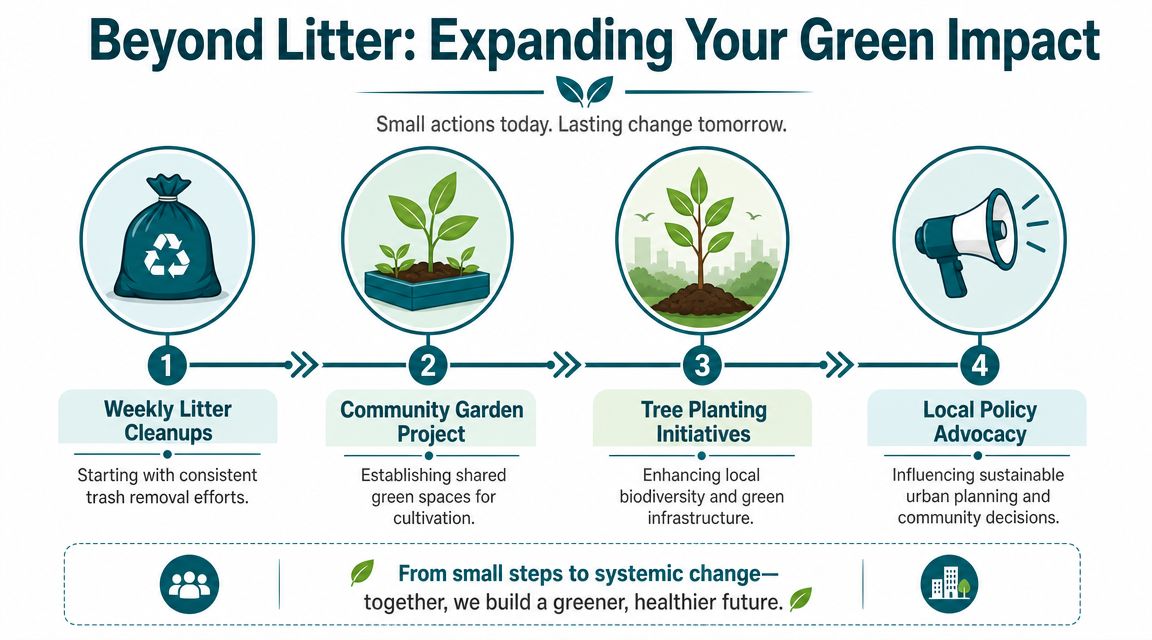
That's why I care so much about these group service project ideas. They aren't random activities to me. They're doors. One door leads to a Saturday cleanup. Another leads to a neighborhood team. Another leads to a garden, a corporate partnership, a youth crew, a new friend, a new version of yourself.
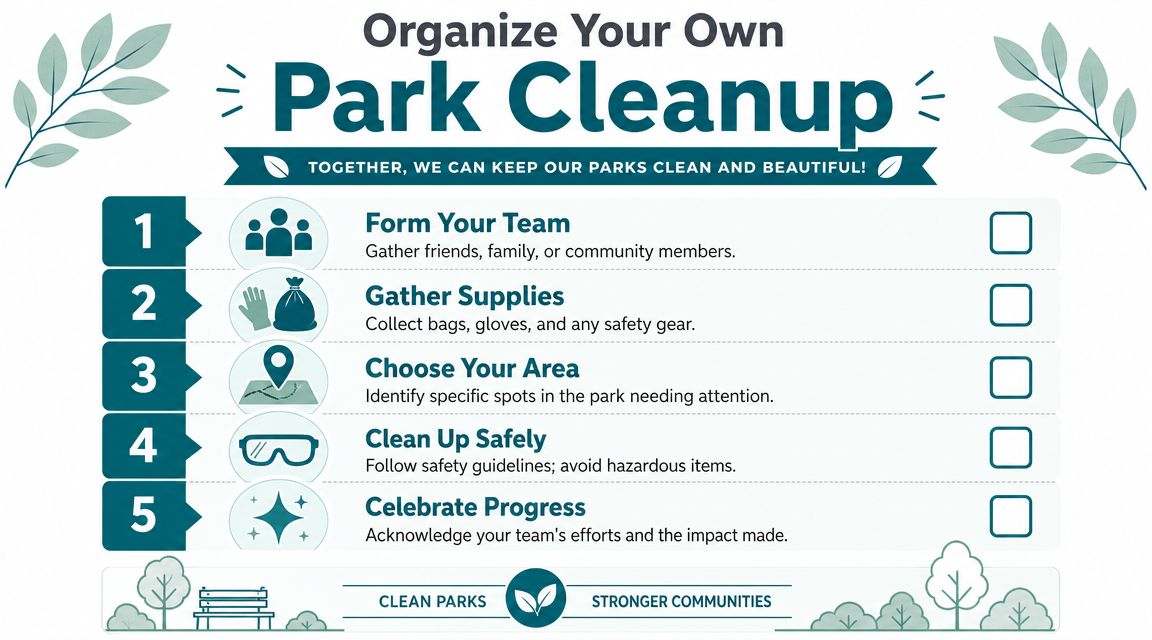
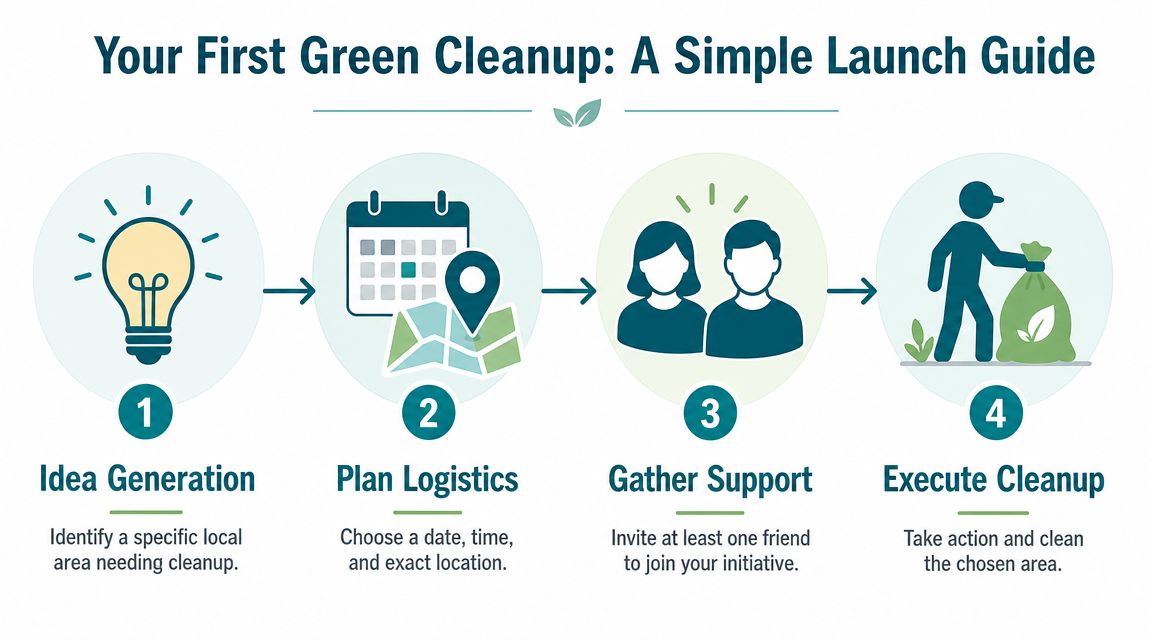
If you're stuck, start with the simplest version. Pick one block. Pick one park edge. Pick one neglected corner that annoys you every time you walk by. Bring two people. Bring trash bags. Start there. If it's awkward, good. If the weather is bad, fine. If only a few people come, that's still a beginning.
The world runs on volunteer energy more than is commonly understood. It's fragile. You have to protect it. Keep the work easy to understand. Keep the culture kind. Keep the invitations open. Give people pride in showing up. A flag, a badge, a team name, a recurring time slot. Those things matter because they help people feel that they belong to something.
And please don't wait until you feel fully prepared. I didn't. It's common not to. You learn by doing the work badly at first, then a little better, then better again. You learn by walking in the cold, getting rained on, laughing at the wrong moment, and coming back next week anyway.
If you're in Chicago, Litter Caterpillars is one real option for that kind of rhythm. If you're somewhere else, build your own version. Find your own fence to paint. Find the hard thing that becomes fun when you do it together. Start small, stay consistent, and be brave enough to let service change you while you're trying to change your block.
If you want a place to start, join Litter Caterpillars and come clean up Chicago with us. You'll meet people, do real work, and see what happens when a simple Saturday habit turns into a shared story.