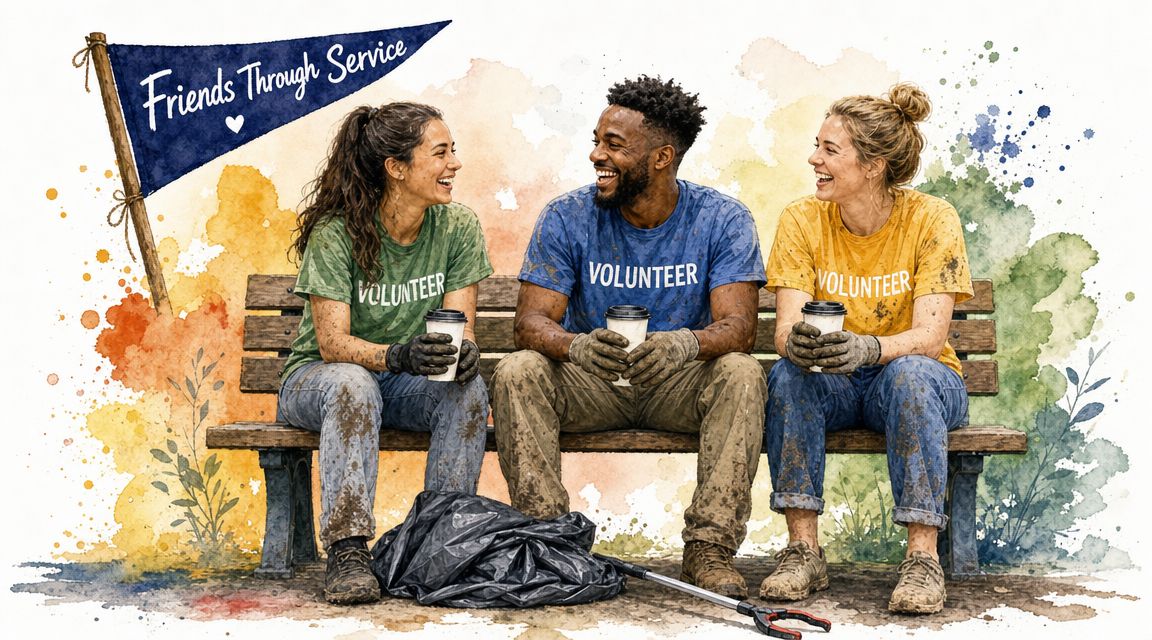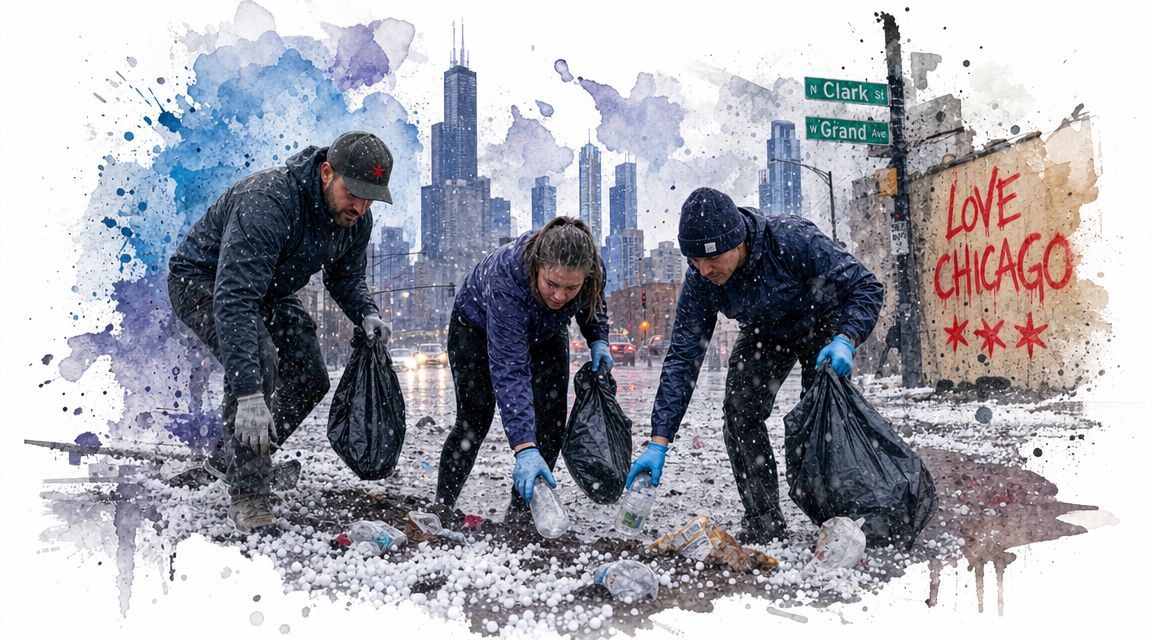
Three of us stood under a skinny tree in Chicago, getting pelted by hail while our ride-shares kept canceling. We were cold, wet, holding a half-full trash bag, and somehow I was having a great time.
That Time Freezing in a Hailstorm Felt Fun
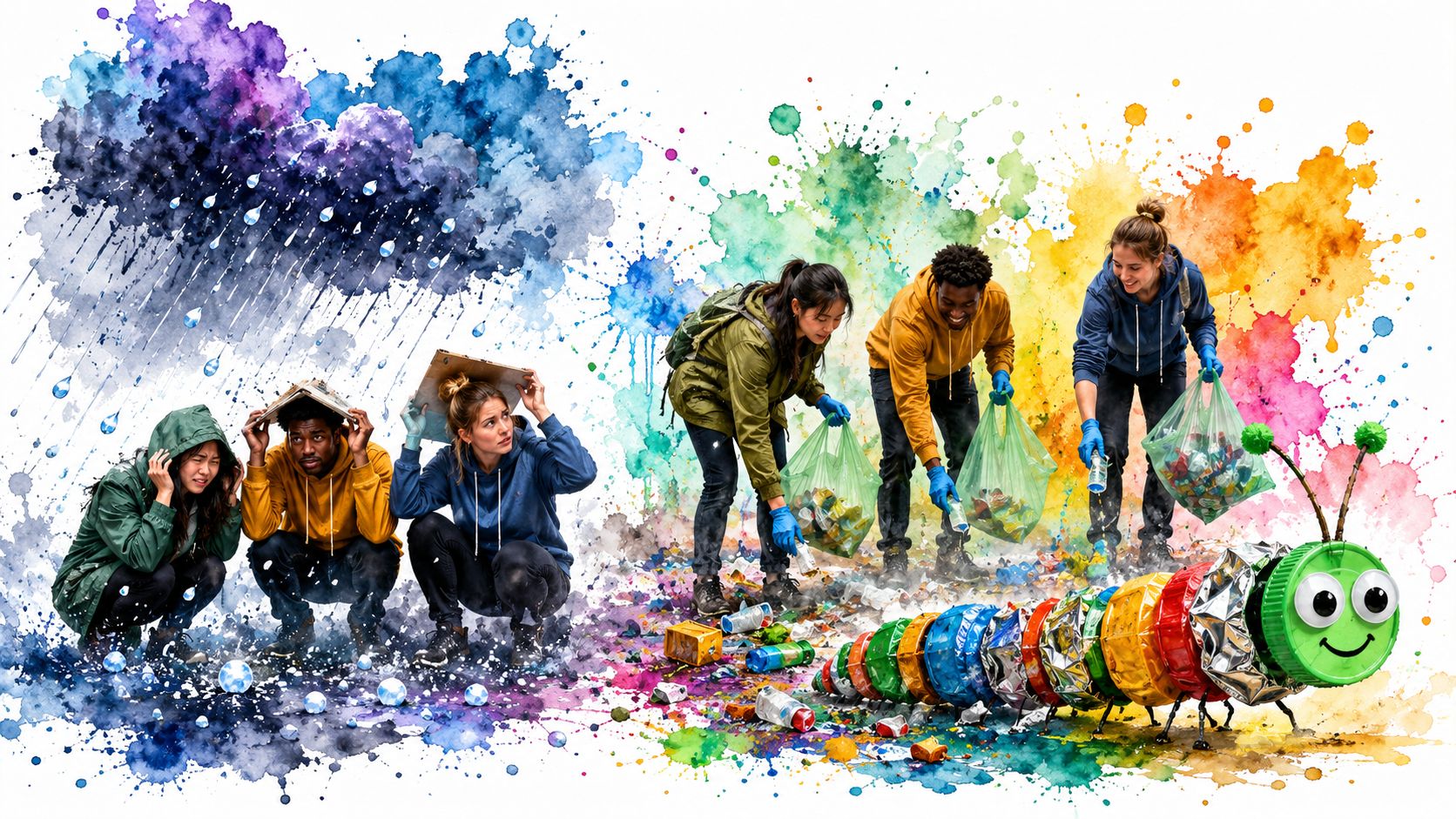
I still remember the sound first. Hail hitting the sidewalk. Hail hitting the trash grabber. Hail hitting the hood of a parked car so hard it sounded like handfuls of gravel.
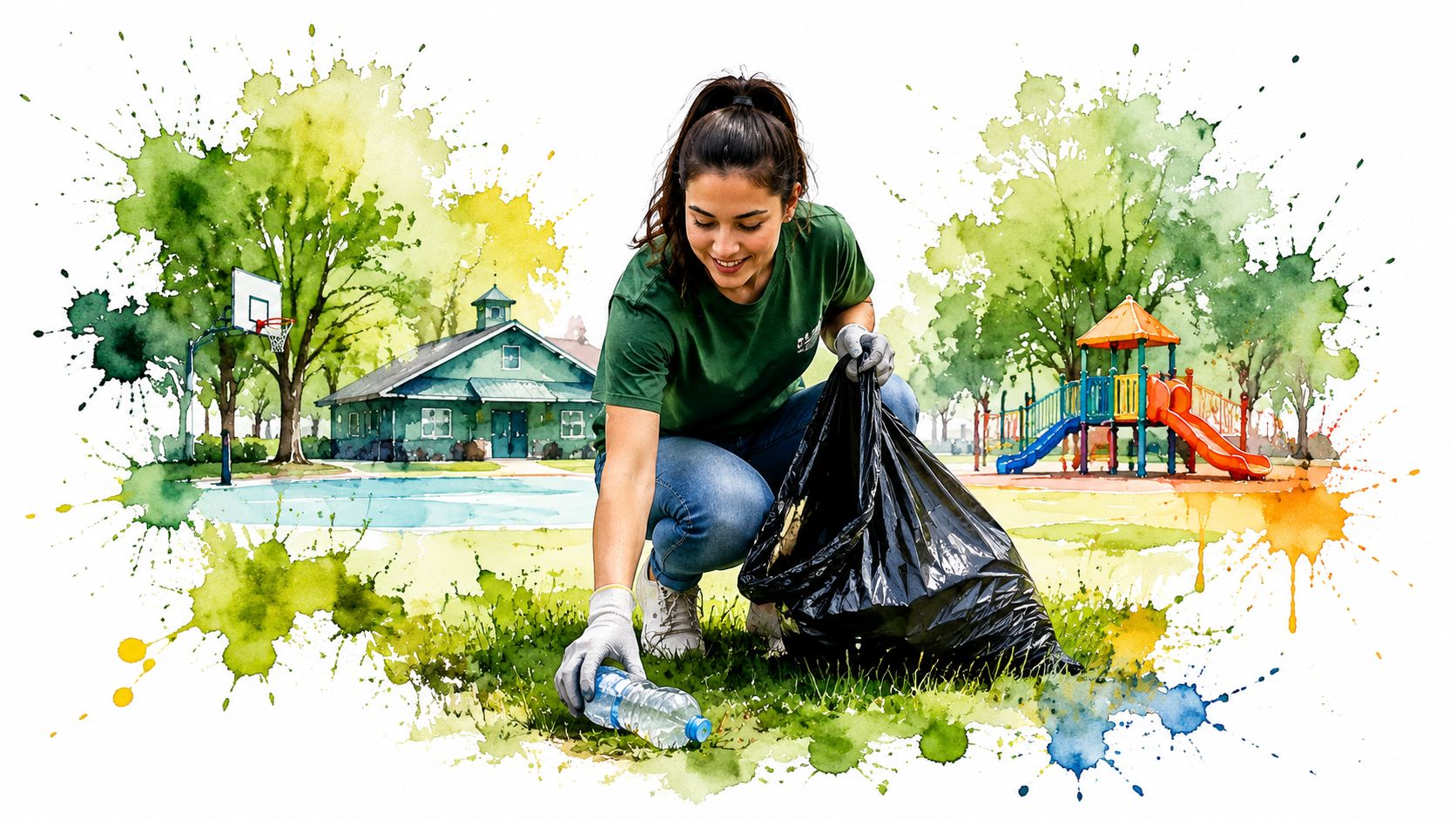
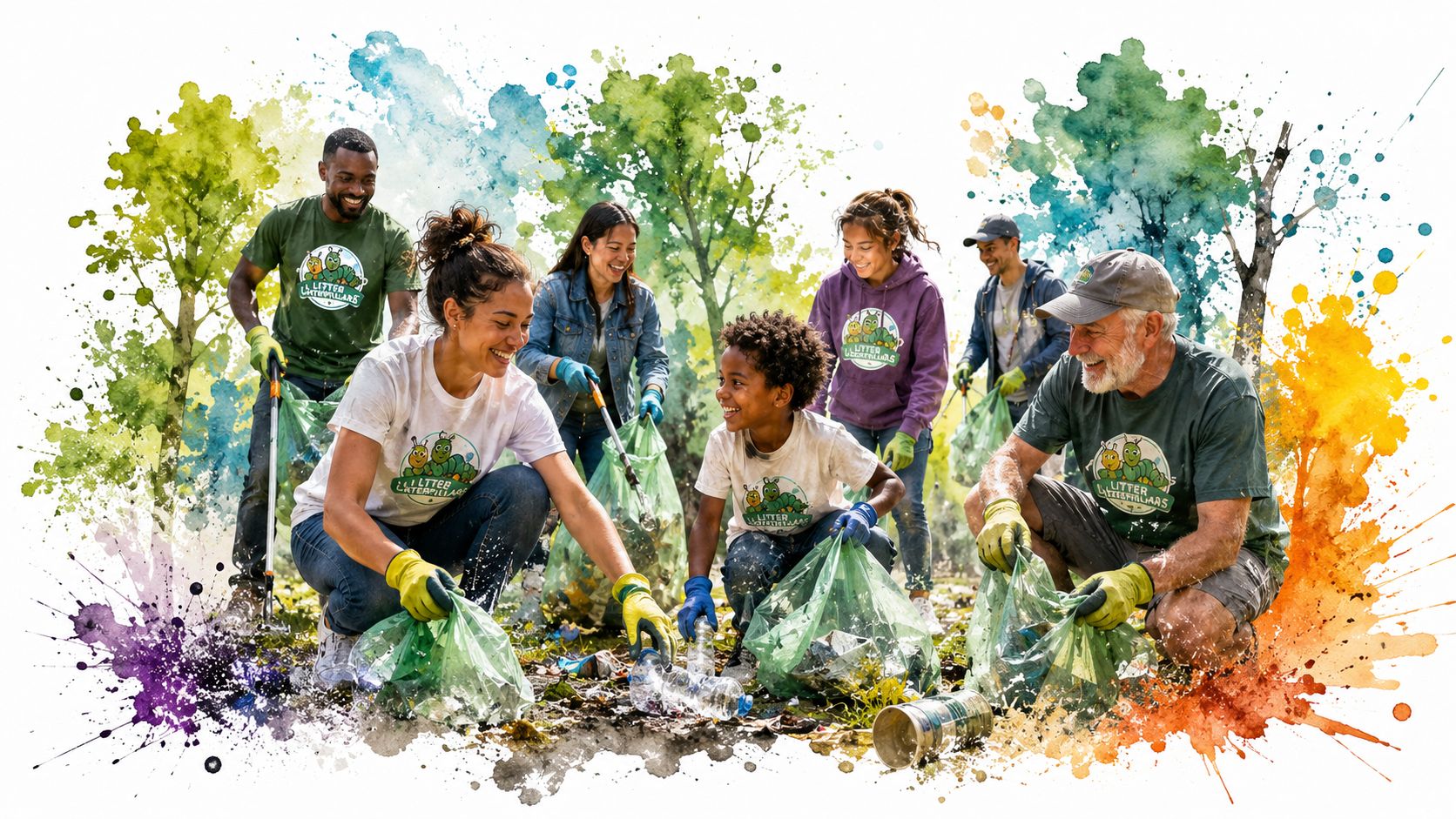
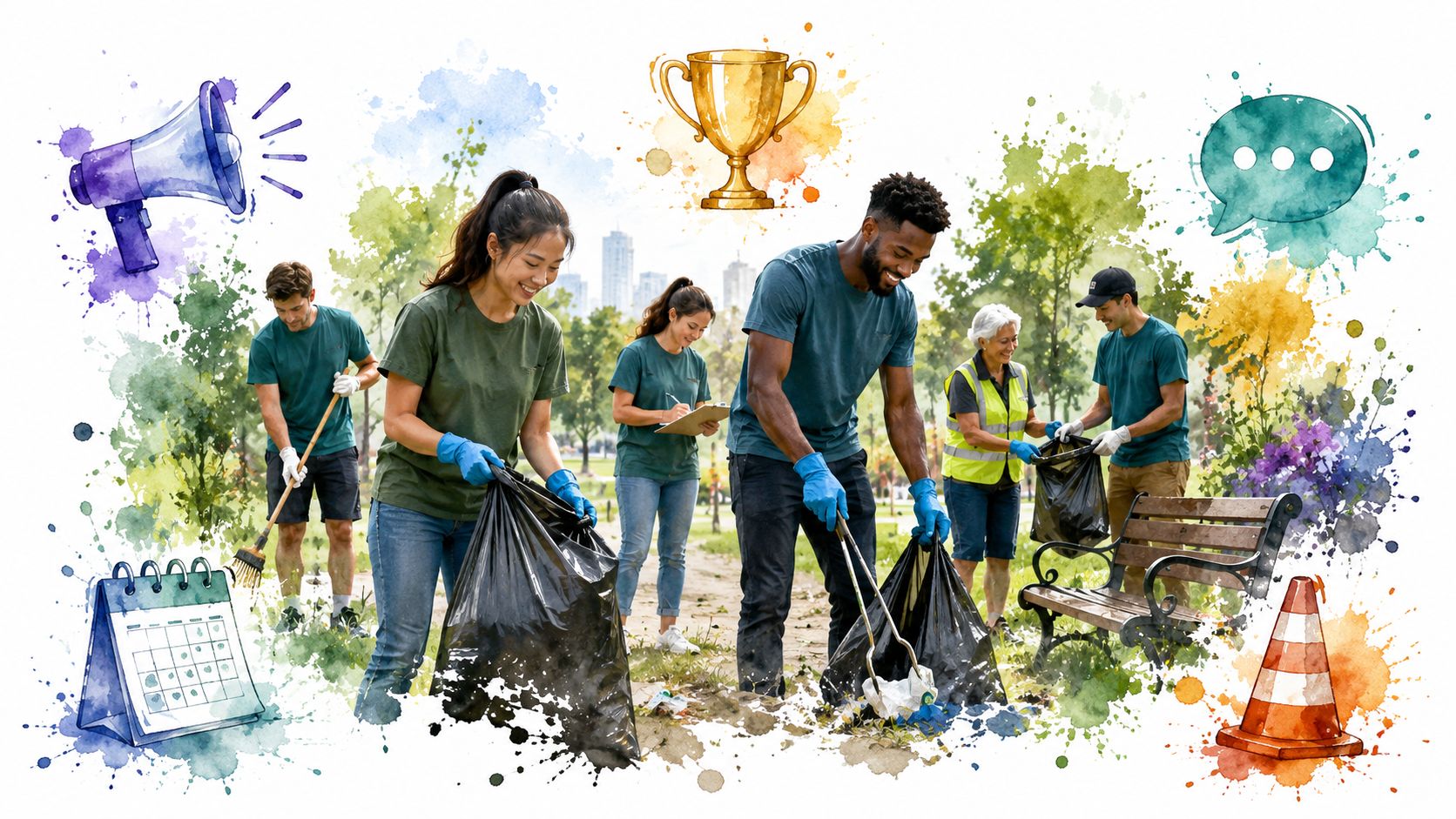
There were only three of us that day. We had gone out to do something simple. Pick up trash. That was it. No grand plan. No deep philosophy. Just gloves, bags, and a weird amount of optimism for Chicago weather.
Then the sky flipped.
We ran under a tree that barely helped. My hands were stiff. My shoes were soaked. Every time we checked for a ride home, another one canceled. We stood there laughing the kind of laugh you do when things get so inconvenient that your brain gives up and turns it into a joke.

Misery that tasted oddly good
That was the day something clicked for me.
I realized there are at least two kinds of suffering. One kind drains the color out of life. The other kind adds flavor to it. Same cold rain. Same chattering teeth. Totally different meaning.
That little hailstorm felt alive. It gave the day a plot. If we had picked up trash in perfect weather and gone home easily, I probably would've forgotten it. Instead, I can still feel that moment in my body. I can still see us huddled together, still half proud, half ridiculous, trying to do one decent thing while the city threw ice at us.
Some hard moments don't feel good while you're in them. They feel good because of what they turn you into afterward.
I think that's why the phrase suffering builds character hangs around. People have tasted this feeling before. They know that chosen difficulty can wake them up. It can make friendship tighter. It can make a boring life feel like a story again.
The question people usually skip
But I also think people say that phrase too casually.
They use it like a rubber stamp. Lost your job? Suffering builds character. Bad relationship? Suffering builds character. Burned out, anxious, falling apart? Suffering builds character.
I don't buy that.
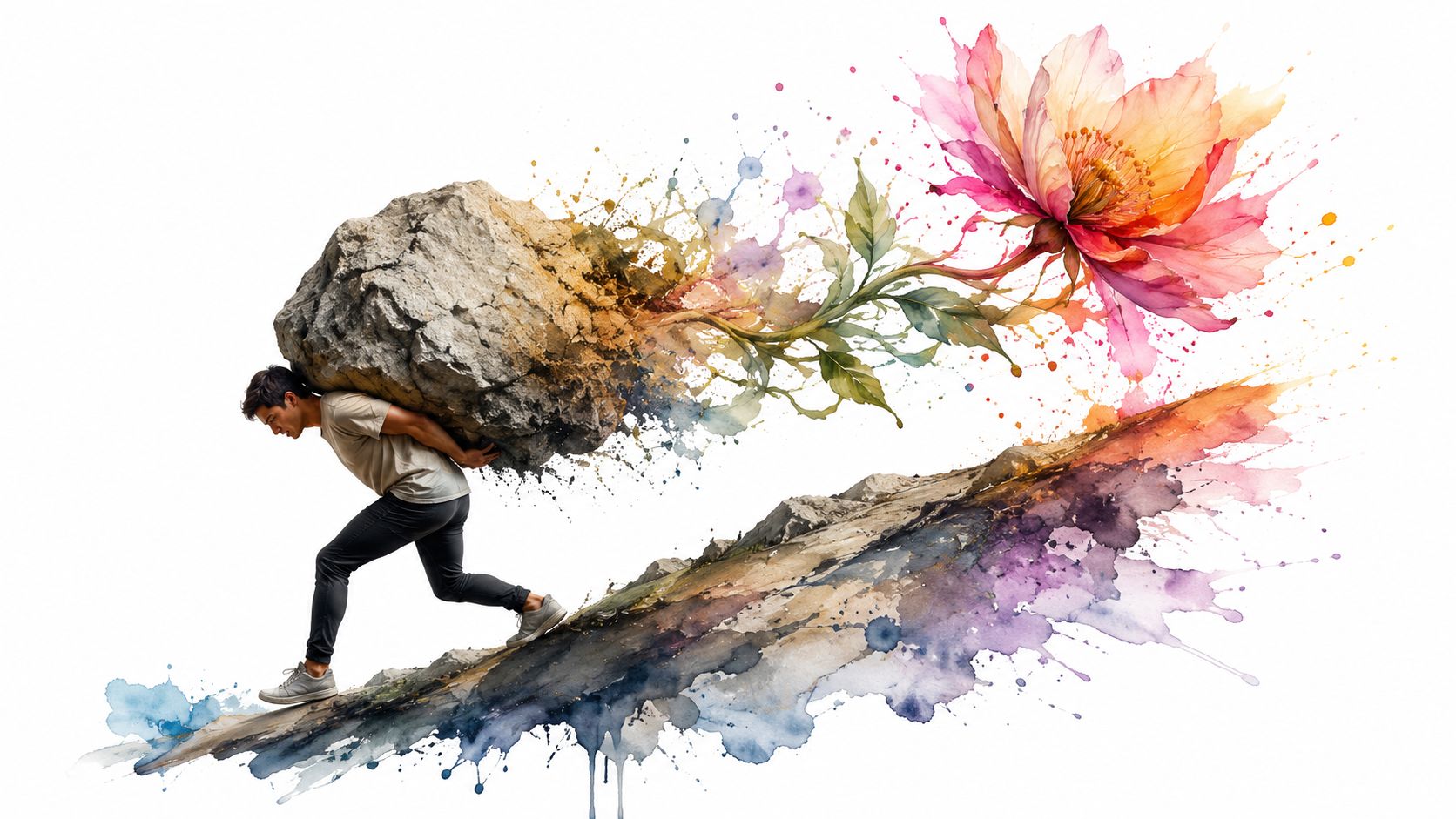
Some pain is a forge. Some pain is a shredder. If we blur those together, we start calling damage growth. That's where people get stuck in places that are hurting them.
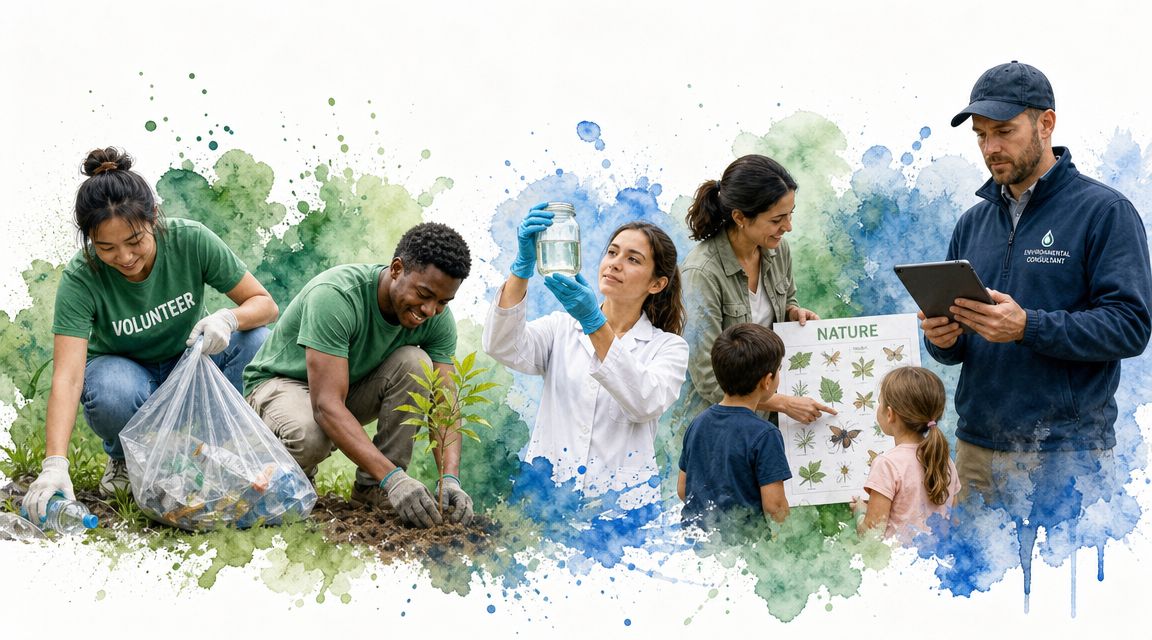
What I learned under that tree wasn't that all pain is good. I learned that chosen hardship in the right setting can feel almost playful. It can pull out bravery you didn't know you had. It can bond people fast. It can make service feel less like punishment and more like adventure.
Here's the difference I keep coming back to:
- Shared pain often feels lighter than isolated pain.
- Chosen discomfort feels different from chaos forced on you.
- Meaningful effort lands differently than pointless misery.
That day in the hail didn't answer the whole question. It just made me curious enough to stop repeating slogans and start paying attention.
Why Hardship Can Remake Your Mind
When I talk about growth through hardship, I think about the gym.
You lift something heavy. The strain matters. The effort matters. But the growth doesn't happen because the dumbbell is magical. The growth happens because your body responds, adapts, and rebuilds.
Your mind works a lot like that.
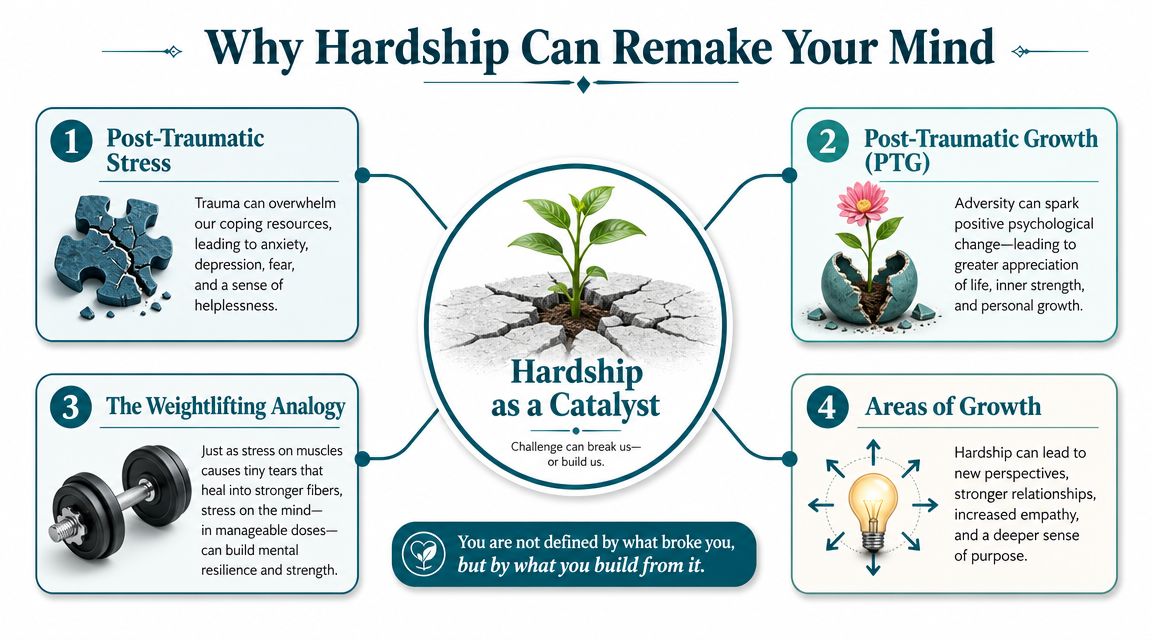
A hard event by itself doesn't hand you wisdom like a trophy. You still have to do something with it. You have to digest it. Name it. Fit it into a story you can live with.
The story in your head changes the outcome
That's the part people miss when they say suffering builds character as if hardship works automatically.
Recent research on difficulty-as-improvement says something more careful. The belief that difficulty can mean improvement can sometimes support well-being and effortful engagement, but that depends on how people make meaning of hardship rather than on hardship itself, as described in this USC paper on difficulty-as-improvement in daily life.
That makes sense to me.
If I tell myself, "This is hard, so I must be growing," I might stay steady through a cold cleanup, a brutal workout, or a scary conversation. If I tell myself, "This is hard, so my life is falling apart," the exact same event can crush my spirit.
The event matters. The interpretation matters too.
Here's a useful way to consider this:
| Experience | What hurts | What can help |
|---|---|---|
| Voluntary challenge | Discomfort, fear, ego | Purpose, recovery, supportive people |
| Sudden loss or trauma | Shock, confusion, overwhelm | Safety, care, time, meaning-making |
| Daily grind | Fatigue, boredom, self-doubt | Routine, community, intrinsic reasons |
If you want the inner engine for doing hard things, I like this piece on intrinsic motivation. It gets at a truth I've felt in my own life. You can endure a lot more when the reason comes from inside you.
Hardship is raw material, not a guarantee
I don't mean this in a cheesy way. I mean it like clay.
Hardship gives you raw material. That's all. You can shape it into patience, humility, gratitude, and courage. Or it can harden into bitterness, fear, and numbness. Both outcomes are human.
Practical rule: Ask, "What story am I building around this pain?" before you ask, "What is this pain doing to me?"
Sometimes the healthiest story is, "This challenge is making me stronger." Sometimes the healthiest story is, "This situation is hurting me, and I need to leave."
A short video can help put that mental shift into clearer language:
That distinction matters more than the slogan. Pain doesn't shape you by default. You shape what pain becomes.
When Suffering Just Plain Hurts
I need to say this plainly. Some suffering doesn't build character. It just hurts.
I've seen people cling to the phrase suffering builds character the way a drowning person clings to driftwood. They use it to justify staying in ugly relationships. They use it to excuse burnout. They use it to make themselves feel noble while they slowly come apart.
That isn't wisdom. That's self-abandonment dressed up as grit.
A hard truth from real data
It is at this point that the romance around suffering breaks down.
A 2022 longitudinal study published in PMC followed 1,402 flight attendants and found that higher levels of suffering were linked to worse later health and well-being across 16 outcomes measured over time. In that sample, suffering was tied to negative changes in all but two outcomes, according to the PMC study on suffering and later health outcomes.
I keep coming back to that because it cuts through the motivational poster version of pain.
More suffering did not automatically turn into more growth. In that study, suffering tracked with decline across a lot of human experience. That doesn't mean growth never happens. It means we shouldn't pretend suffering is some automatic character machine.
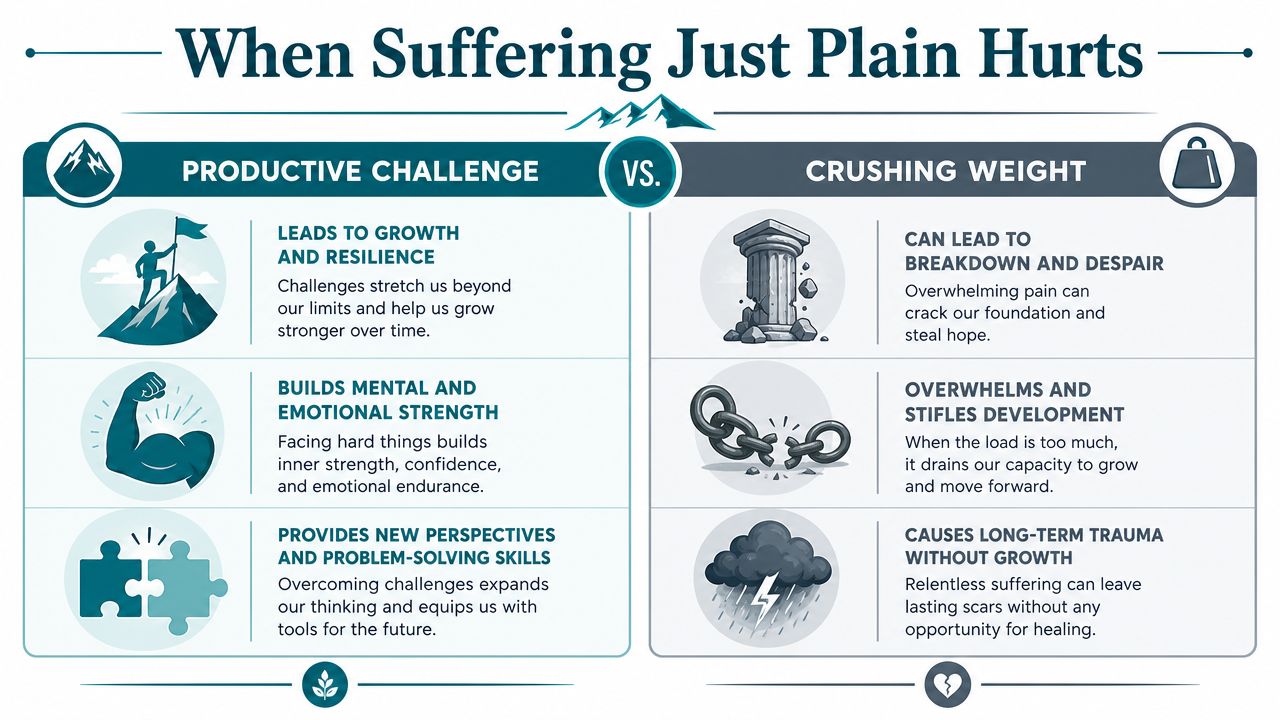
Productive challenge versus crushing weight
I think about it like carrying groceries.
One bag in each hand can make you stronger. You stand up straighter. Your grip improves. You get home feeling capable.
Now imagine someone drops a refrigerator on your back and tells you this is good for your development.
That's the difference.
- Productive hardship has edges. You can feel strain, but you can still think, choose, and recover.
- Damaging hardship floods your system. It leaves no room for reflection, joy, or repair.
- Healthy struggle usually has purpose and limits.
- Harmful struggle keeps eating your sleep, focus, body, or sense of self.
If a challenge keeps shrinking your life, it isn't building your character. It's taking pieces of you.
Signs you need to stop calling it growth
I wish someone had told me earlier that walking away can be brave.
If you need a reality check, ask yourself these questions:
Do I still have agency?
Can you make choices, set limits, and say no? If not, that's a warning sign.Can I recover after this?
Good strain usually leaves room for rest. Harm doesn't.Do I feel more like myself or less?
Hard but healthy effort can deepen you. Ongoing damage can hollow you out.Am I using the phrase to avoid change?
Sometimes "this is building me" really means "I'm scared to leave."
I don't glorify suffering anymore. I sort it. I ask what kind it is. I ask who chose it. I ask whether it has a purpose, a boundary, and a way back to rest.
If the answer is no, then healing matters more than endurance.
Finding Your Own Fence to Paint
My apartment used to embarrass me.
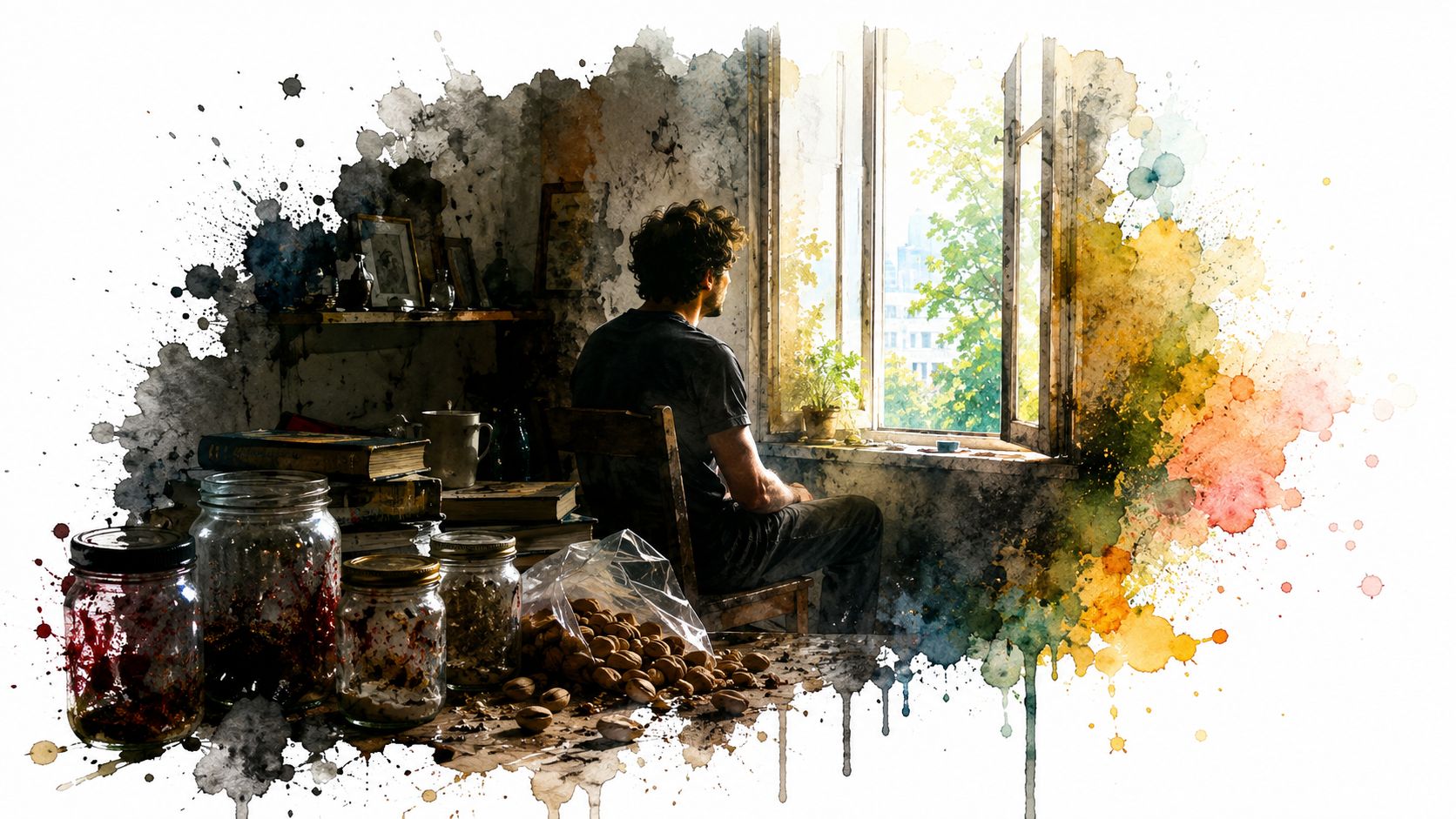
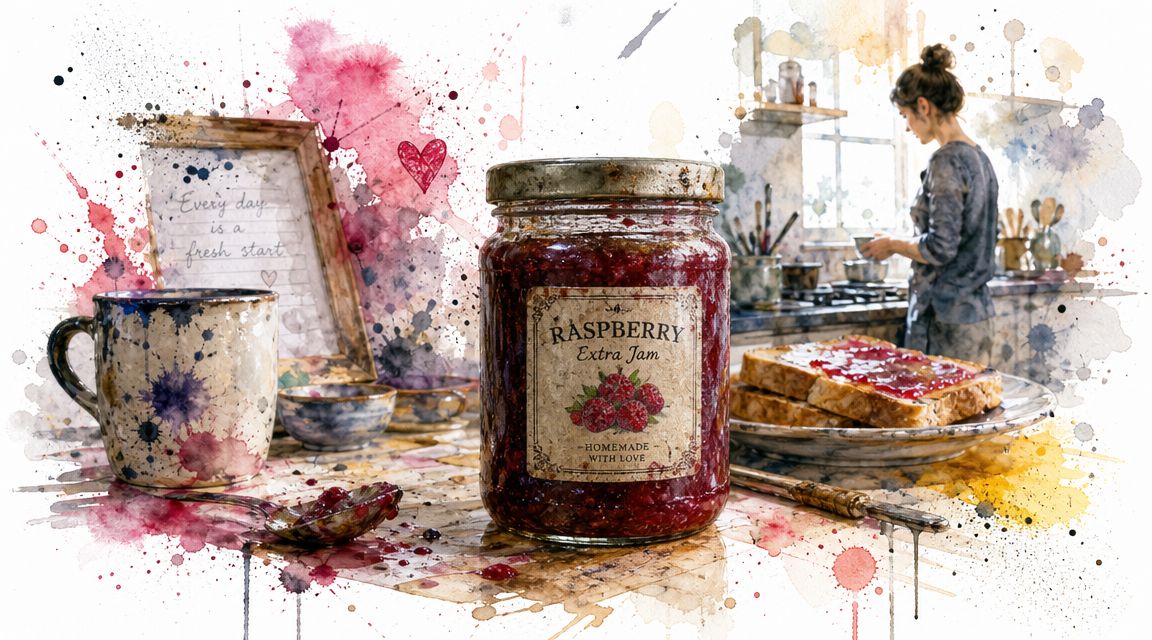
Not in a cute, messy-artist way. I mean real chaos. Old food. Piles of stuff. Random objects carrying weird emotional weight. Every piece of trash had a story attached to it, and because it had a story, I couldn't throw it out.
The old jar in the fridge was from a trip I didn't want to forget. The bag of nuts on the shelf was from the week I tried to become a healthy person. The receipt on the counter reminded me of some day that felt important for no good reason. Tiny objects became concrete blocks.
My room looked like my mind felt. Jammed. Avoidant. Heavy.
The breakup that forced the issue
After a long, chaotic relationship ended, I hit a wall. I knew I couldn't keep living the same way. I needed to become cleaner, steadier, braver. I needed better habits and better people around me.
But trying to fix my own mess head-on felt impossible.
That was the weird part. I could stare at one bag of garbage in my own place and feel stuck. Yet if I saw a fast-food wrapper blowing down the street, I wanted to grab it. My brain resisted personal cleanup and accepted public cleanup.
So I leaned into that.
I started cleaning up other people's messes because I couldn't yet handle my own.
Why service was easier than self-repair
It still sounds backwards when I say it out loud, but it's true. Community service gave me a side door into my own transformation.
Picking up litter outside felt simple. The rules were clear. Trash goes in bag. Block gets cleaner. You move your body. You breathe outdoor air. You stand next to other people doing the same thing. There isn't much room for spiraling.
My private mess had shame in it. Public mess had purpose.
That's where the Tom Sawyer image always comes back for me. He got stuck painting a fence and turned it into a game people wanted in on. I don't think that story is about manipulation as much as mindset. The task didn't change. The frame changed.
The same thing happened to me. Hard, dirty work stopped feeling like punishment and started feeling almost mischievous. We were doing something useful, but we were also reclaiming effort itself. We were saying, "This counts as fun."
Work changes shape when you share it with people who are glad you showed up.
There's a similar emotional thread in this piece on how to overcome social anxiety. Sometimes you don't heal by staring at yourself harder. Sometimes you heal by moving beside other people toward a simple goal.
The fence painted me back
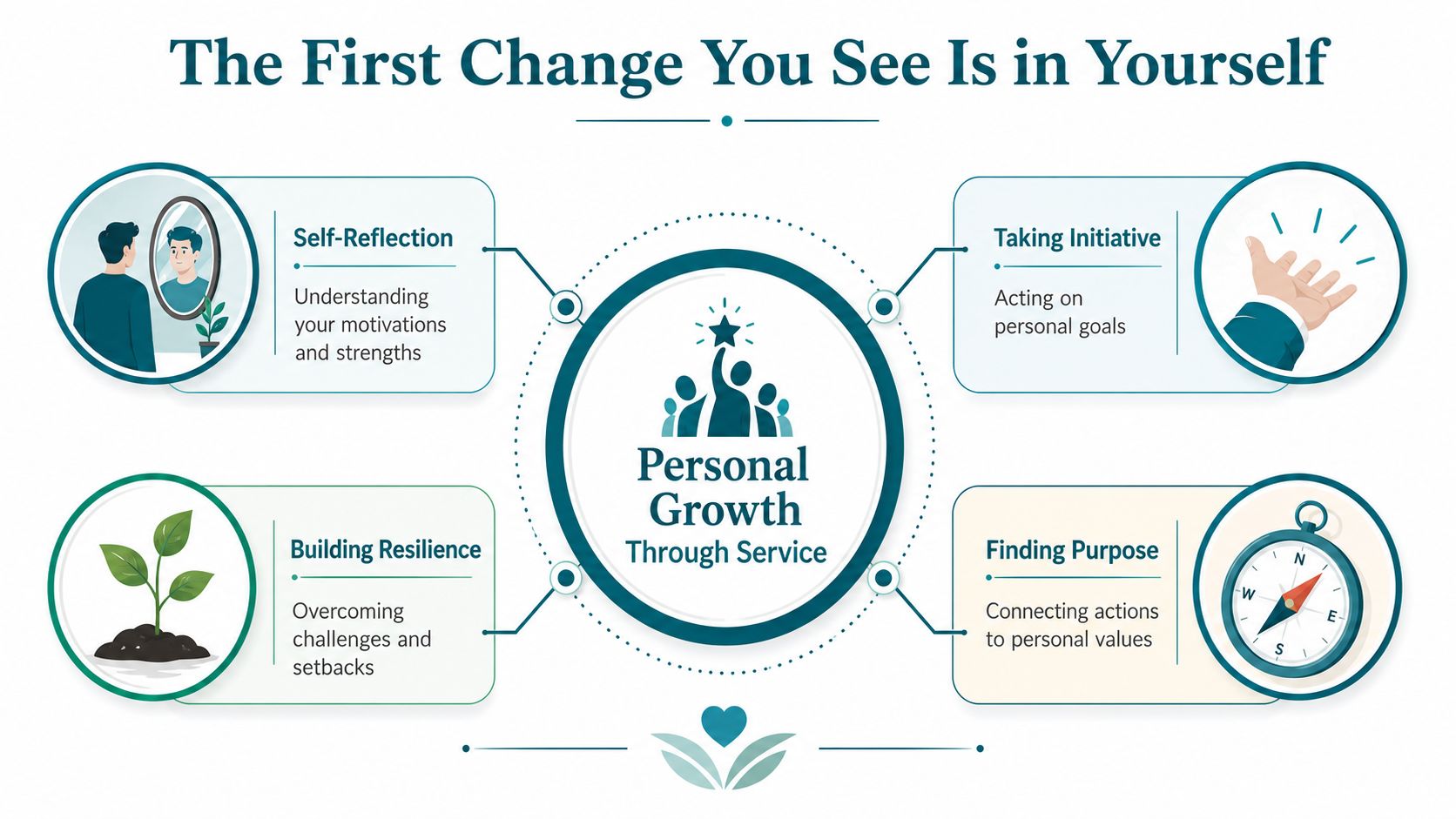
The strange part is that this small act of service started changing things I never meant it to change.
I got more consistent because other people were expecting me.
I got braver because weather didn't care about my comfort.
I got cleaner because once I'd spent a morning filling bags with litter, I had less tolerance for living in chaos myself.
I got pickier about friendship too. Shared service filters people. Weekend mornings, bad weather, muddy gloves, low glamour. That setup draws a certain kind of person. It tends to pull in people who want to give more than they want to pose.
The suffering in my old life felt random. It tossed me around.
This new hardship felt chosen. Small, steady, almost humble. It didn't ask me to be dramatic. It just asked me to show up.
That kind of suffering built more character in me than all the chaos ever did.
How to Practice Productive Hardship
You don't need to wait for life to throw a brick through your window. You can choose a harder, better path on purpose.
I think that's the cleanest answer I've found. If you want growth, don't worship pain. Design productive hardship instead.
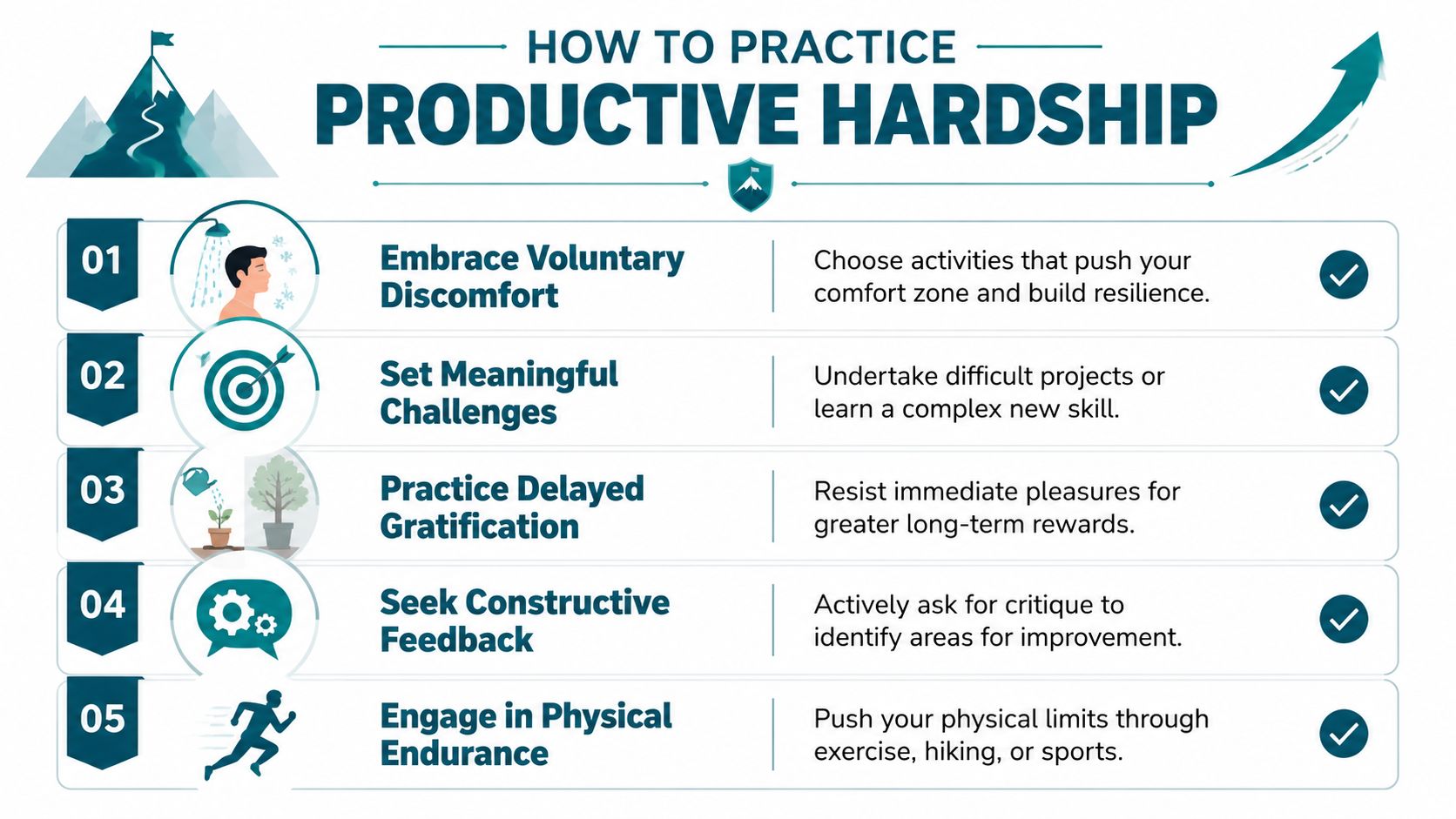
What makes hardship productive
For me, chosen hardship works best when it has three traits:
It's voluntary
You picked it. That matters. Choice changes the whole texture of effort.It has a purpose
You're not suffering for vibes. You're building skill, courage, discipline, or service.It has a recovery plan
Hard effort without rest turns into stupidity fast.
That could mean training for a race. Taking a public speaking class even though your stomach flips every time. Volunteering on cold mornings. Having one difficult conversation you've been postponing for months.
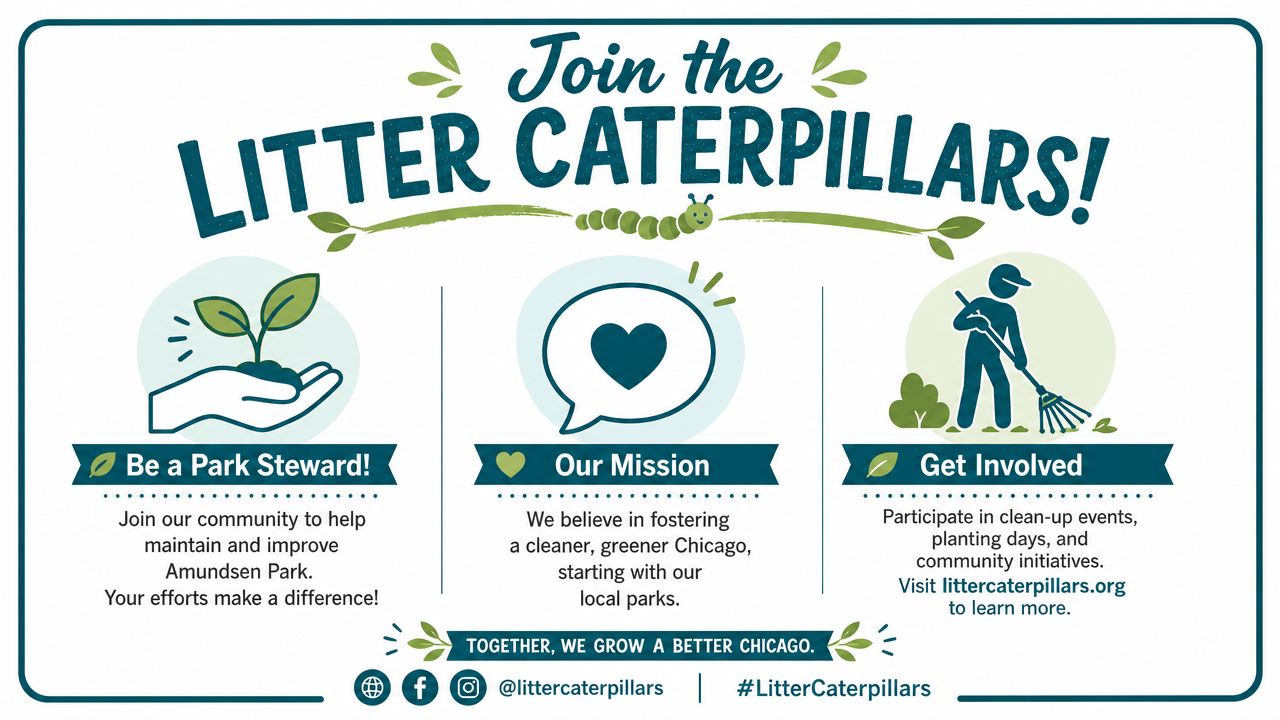
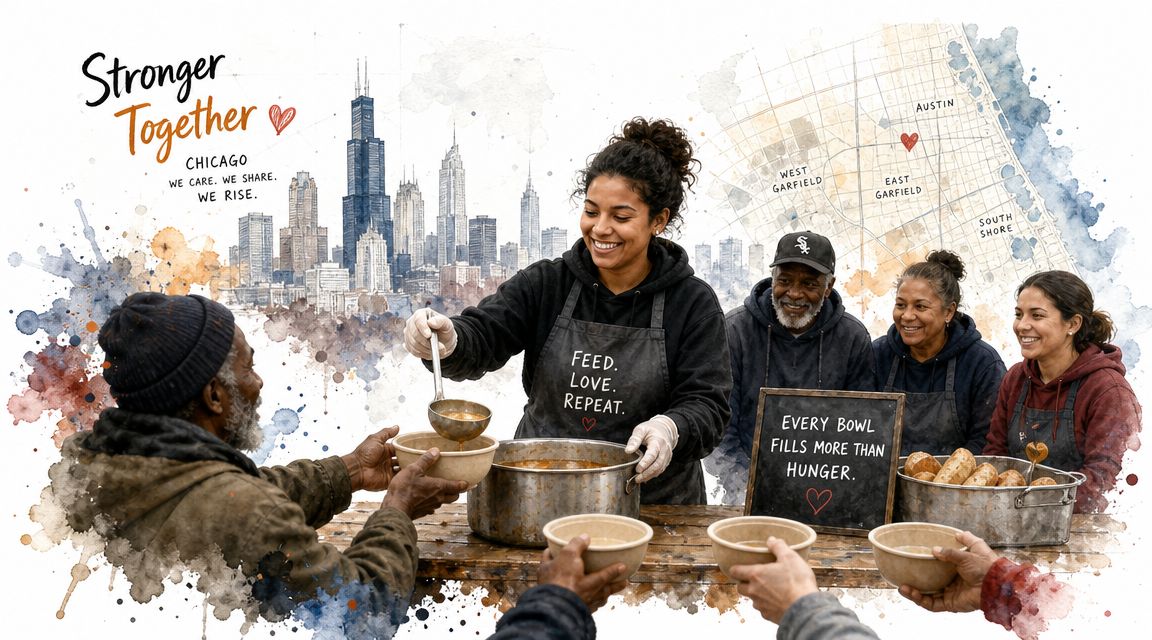
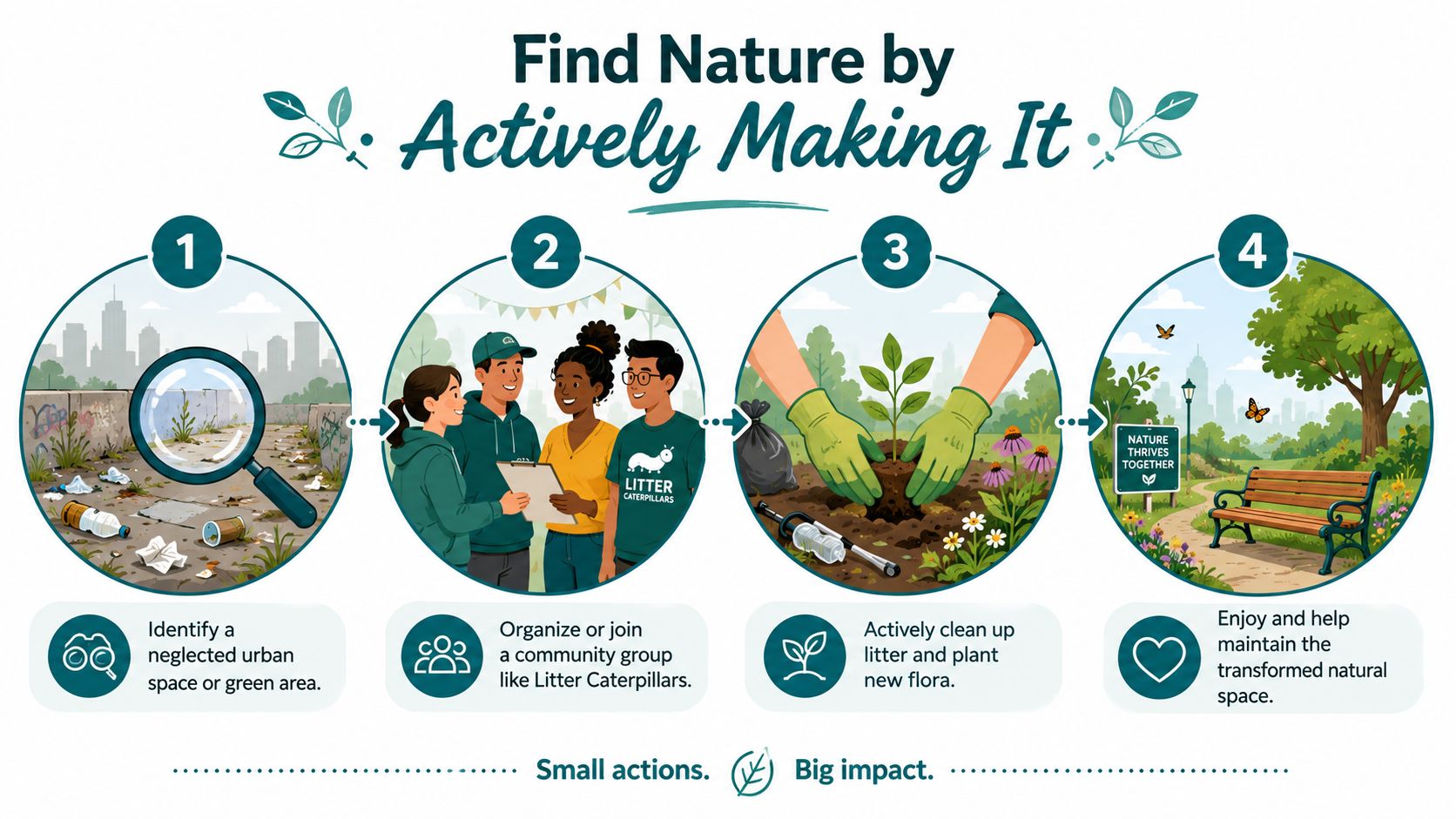
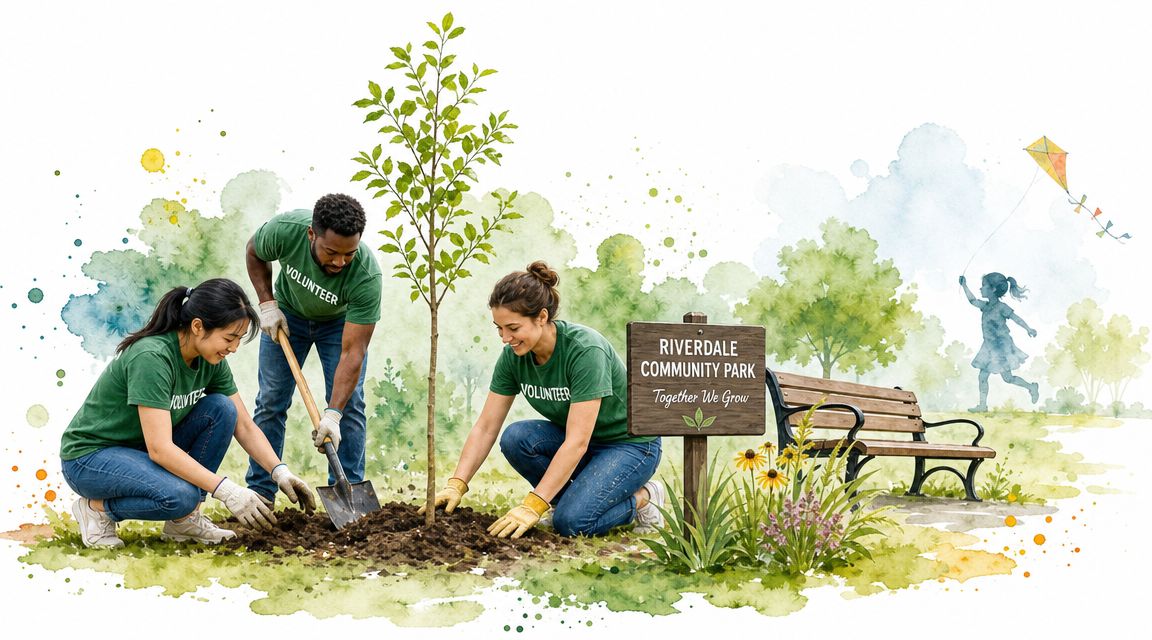
One practical option is Care for Real, which gives people a way to serve through direct community support. Another option is a volunteer cleanup group like Litter Caterpillars, which organizes regular trash pickups in Chicago. The point isn't which banner you stand under. The point is choosing a form of effort that asks something real from you.
A simple way to start this week
If I were sitting across from you with coffee, I'd tell you to start smaller than your ego wants.
Try one of these:
Pick a weekly discomfort
Commit to one thing that feels mildly inconvenient but clearly good. A dawn cleanup. A hard workout. A class that scares you.Tie it to service
Self-improvement sticks better for me when somebody else benefits too. Service keeps pain from turning narcissistic.Keep the challenge boring enough to repeat
You don't need an epic quest. You need something you can still do when you feel lazy.Reflect after, not during
While you're in the middle of the hard thing, just do it. Later, ask what it taught you.
Bravery, unity, consistency
These are the three words I trust most.
Bravery means you go anyway, even while your inner voice whines.
Unity means you stop acting like growth is a solo sport. A friend beside you can turn dread into momentum.
Consistency is where the identity change happens. Anybody can survive one dramatic day. Character grows when you repeat a modest hard thing until it becomes part of who you are.
Choose a challenge that makes you a little uncomfortable and a little proud.
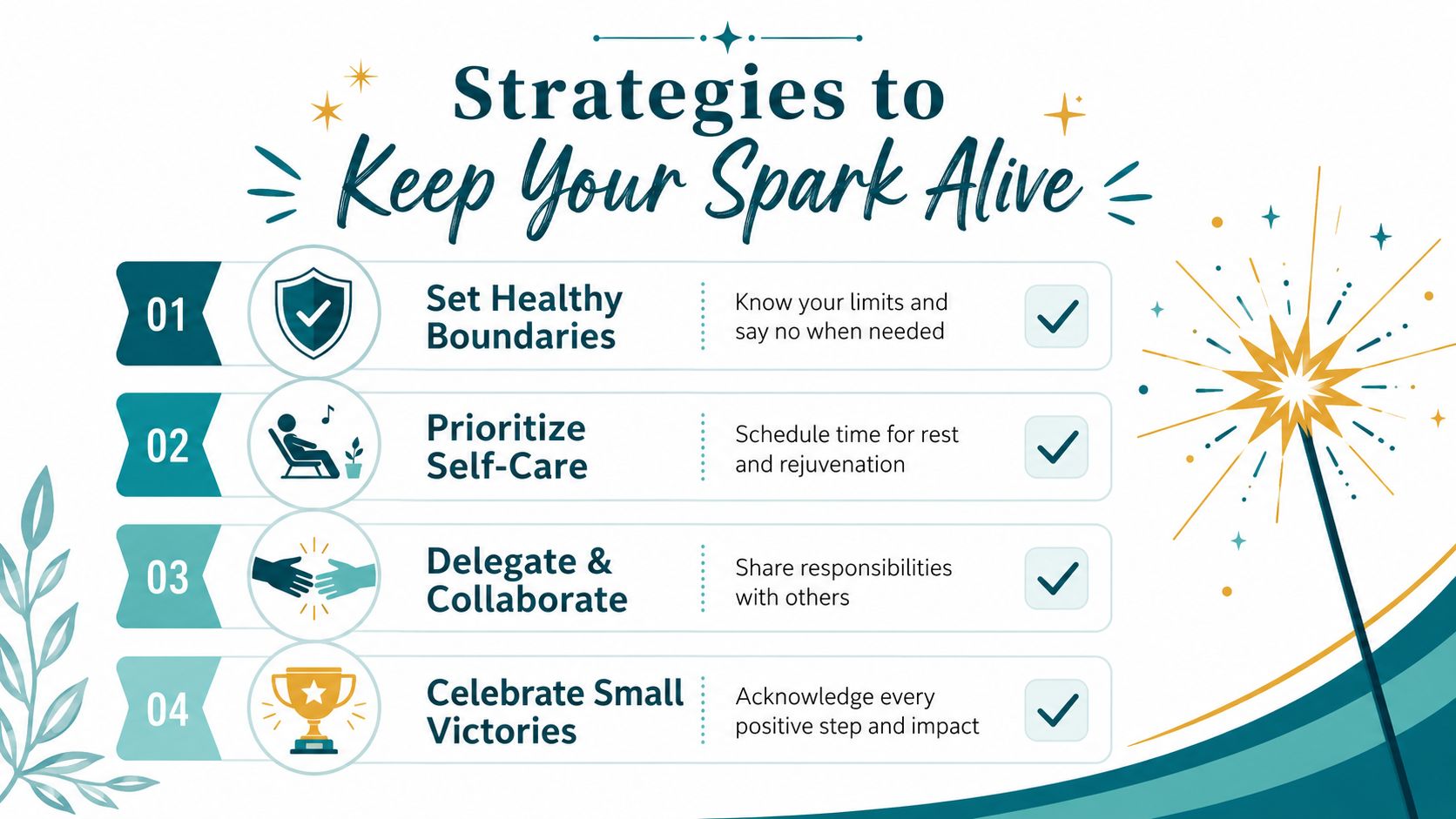
The point of all this isn't to become a martyr. It isn't to collect suffering like merit badges. It is to train your soul gently, the way you train a muscle. Strain, rest, repeat. Enough challenge to wake you up. Enough meaning to keep you going.
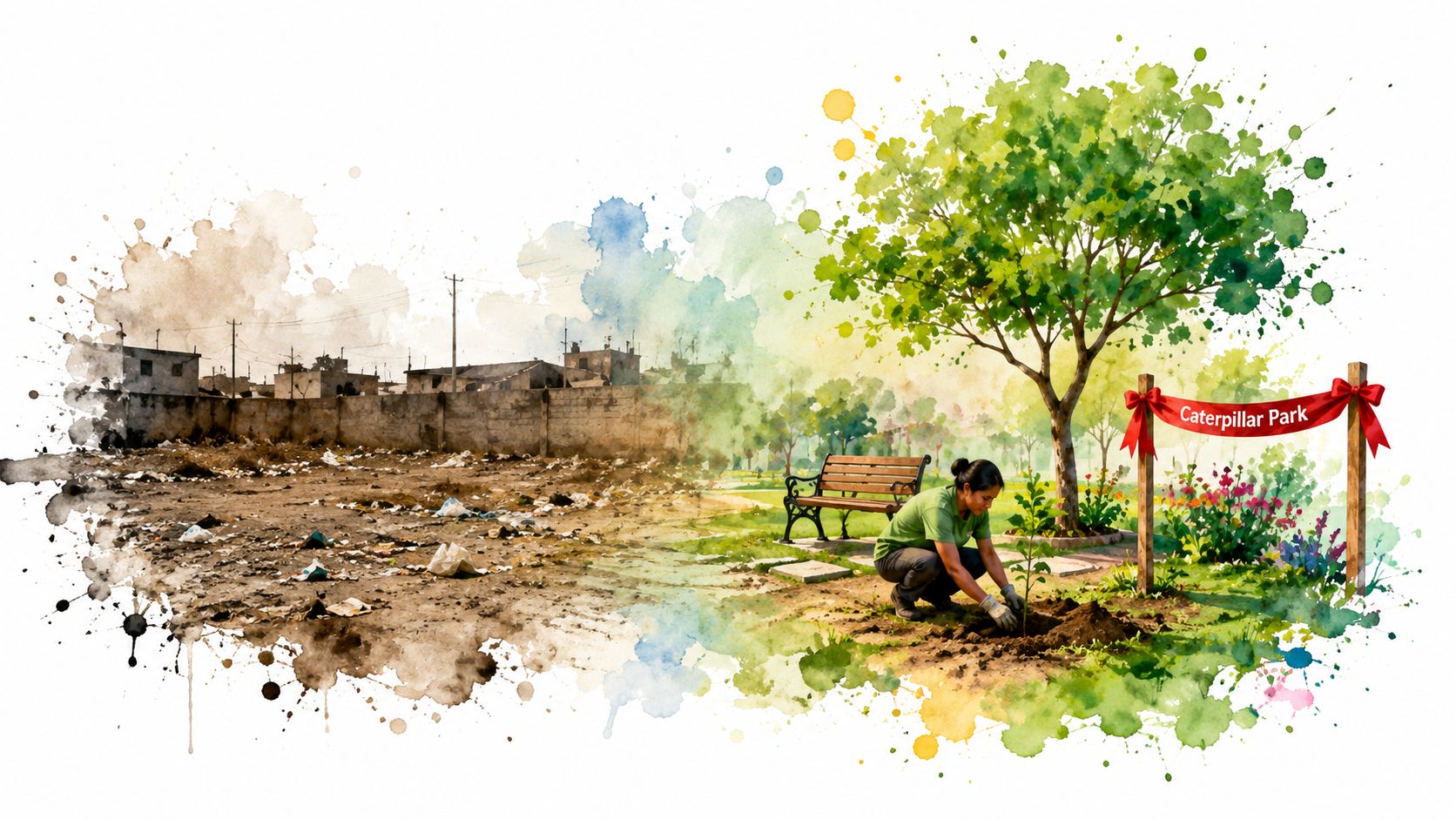
From Caterpillar to Something New
So, does suffering build character?
My answer is yes, sometimes. But only sometimes. And that one word matters.
Unchosen, chaotic suffering can leave scars and confusion. It can shrink your world. It can hurt your health, your joy, your ability to trust yourself. I don't romanticize that anymore.
Chosen hardship is different.
When you choose a hard thing with a clear purpose, when you do it with good people, when you leave room for recovery, effort changes shape. Cold rain becomes a memory you laugh about. Service becomes training. Fear becomes proof that you're stretching into a larger self.
Becoming through effort
I like the caterpillar image because it gives me room to be unfinished.
I'm not writing this as someone who mastered pain. I'm writing this as someone who has been shaped by two very different kinds of struggle. One kind left me lost. The other kind helped me become more honest, more useful, and more steady.
That's what I want for you too.
If you're in needless pain, I hope you stop calling it growth and get yourself somewhere safer.
If you're hungry for growth, I hope you don't sit around waiting for tragedy to teach you. Pick your own fence to paint. Pick your own Saturday morning. Pick your own brave little task. Then keep showing up until the person doing it starts to change.
We are all in some stage of becoming. That's the good news.
You don't need perfect conditions. You just need a meaningful burden you can carry on purpose, with your eyes open, alongside other people, until your old skin doesn't fit anymore.
If you want a hands-on way to practice service, friendship, and chosen challenge, take a look at Litter Caterpillars. It's a Chicago volunteer group that organizes regular neighborhood cleanups, and it's a simple way to turn a hard morning into something useful.