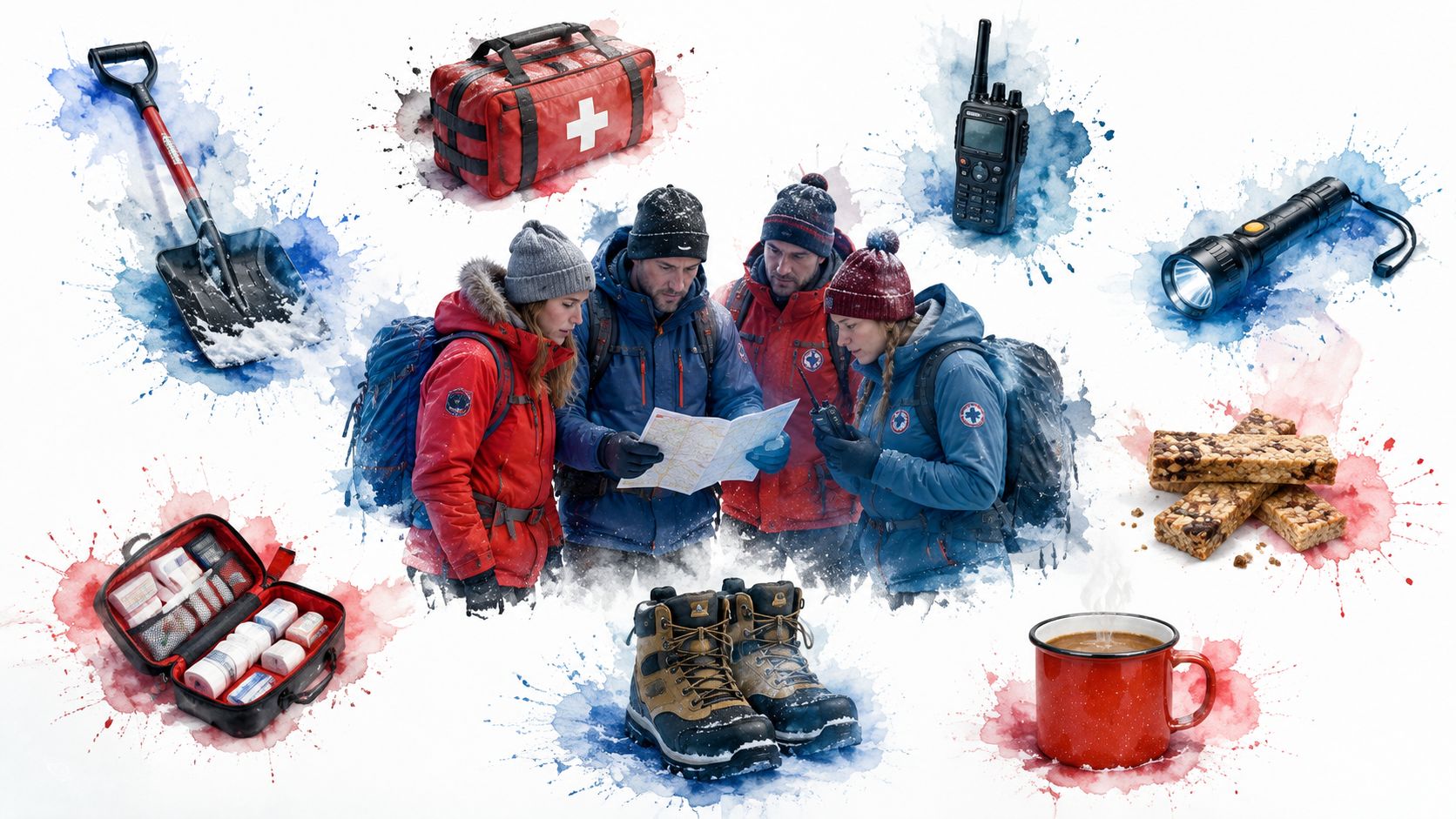
The first time we picked up trash, there were just three of us, and Chicago surprised us with a burst of wild weather. We huddled under a tree, watched rides cancel one after another, and learned fast that cold is more than discomfort, it changes the whole mood of a day. I carry that memory into every winter cleanup, because blizzards ask the same question every time, who is prepared, who is calm, and who is willing to look out for the people nearby?
That is why I treat blizzard safety tips like field lessons, not theory. You can use them at home, on a block walk, on a volunteer shift, or while checking on a neighbor who lives alone. The goal is simple, stay warm, stay connected, and stay sharp enough to help yourself and the people around you when the snow starts stacking up.
1. Stay Inside During the Storm
The cleanest decision is often the hardest one. When the wind starts cutting across the street and the snow turns the world into a white wall, I want you to stay where you are and wait it out. A short trip to the car, the mailbox, or the corner store can turn ugly fast when you cannot see well and you lose your footing on ice.
I learned this the hard way from winter volunteer work. If I see the forecast turn bad, I cancel the cleanup and move it to another day, because no bag of litter is worth a twisted ankle or a stranded volunteer. That same judgment works at home too. Stock snacks, water, and something to do before winter starts, because boredom gets loud when you are stuck inside and your phone battery is low.
Practical rule: if you can wait, wait.
Use the time to charge your phone, check your heat, and tell friends or family you are staying put. A steady message like that keeps people from worrying and keeps you from making a careless dash outside just to “check.” If you need a place to start with neighborhood-minded preparation, I like the simple approach shared on Litter Caterpillars neighborhood safety, because it fits real life, not fantasy weather.
A cold storm also eats your attention. If you have one eye on the road and one eye on the windows, your judgment slips. I would rather see you plan your next volunteer day, make soup, or sort out a future weekend cleanup than gamble with a blizzard outside your door.

2. Dress in Layers with Waterproof Outer Gear
A volunteer in our group once showed up for a winter cleanup in a heavy coat that looked warm from the parking lot. Ten minutes in, sweat had soaked the inside, the wind had found every seam, and she spent the rest of the shift flexing numb fingers instead of picking up trash. That day made the lesson plain. Winter clothing has to protect against wind and moisture while still letting you move.
The CDC recommends several layers of loose-fitting clothing, plus a hat, scarf or knit mask, mittens, and water-resistant boots, and the National Weather Service warns that wet clothing, sweating, and overexertion speed up heat loss and raise hypothermia risk. In Chicago volunteer work, I have seen people arrive in the wrong coat and lose focus fast, because cold hands and wet sleeves steal attention from the job in front of them. A good jacket is not about style in a storm. It is about staying useful when conditions turn.
What I look for before I leave the house
- Start with the right fabric: choose wool or synthetic materials, because cotton hangs onto moisture and leaves you cold.
- Block wind and snow: wear a windproof jacket over your insulation and add snow pants if you expect deep slush.
- Protect your head and face: wear a hat, and add a balaclava or neck gaiter when the wind cuts hard.
- Carry backup pieces: bring extra gloves and socks, because wet hands and feet ruin a day faster than bad attitude ever will.
- Seal the gap at your boots: tuck your pants into your boots when snow is deep enough to creep inside.
I keep telling volunteers this because comfort and safety are tied together. If your clothes hold sweat, you cool down as soon as you stop moving. If your gloves soak through, your hands stop helping you. Layers work like a cleanup crew, each piece does one job, and the whole group works better when no one is left exposed.
3. Check Weather Forecasts and Create a Communication Plan
I never trust my mood when winter is coming, I trust the forecast. On one Chicago volunteer shift, I watched a group leave the warmth of the meeting hall with clear skies overhead, only to meet harder wind and drifting snow a few blocks later. That kind of surprise is why I check wind, temperature, visibility, and timing before any outdoor plan, because a calm-looking day can turn mean once the gusts rise and the road starts to disappear under blowing snow.
That same lesson carries over to volunteer groups. If I see a storm moving in, I call it early and I say it plainly, because last-minute confusion makes people split off, rush decisions, and miss the message. Everyone needs the same update, the same expectations, and the same contact list, so nobody is guessing while the snow is already falling.
A communication plan should feel boring before the storm
Stay off guesswork. Put your plan in place while the sky is still clear.
- Use more than one forecast: compare weather alerts, hourly updates, and local forecast details instead of betting on one app.
- Watch wind chill, not just temperature: the air can feel far worse than the number on your screen.
- Set group chats early: build them before winter arrives, so you are not adding names while conditions get rough.
- Share your route: tell at least one person where you are going and when you expect to be back.
- Choose a cancel rule now: decide ahead of time what weather means “we stop.”
In our Chicago cleanup work, that kind of planning keeps a simple outing from becoming an emergency. I have seen volunteers arrive steadier, ask better questions, and stay focused when they already know who to text, when to turn back, and who is watching the forecast from home. A clear plan does more than protect one person. It gives the whole group a steadier way to move through a hard day, and that is how a volunteer crew turns winter caution into shared strength.
I also keep one local resource in mind for people who may need support if plans fall apart, and I share the link for the Casa Catalina Food Pantry in Chicago when a storm could complicate access to food or other basics. That kind of follow-through matters, because communication is not only about canceling a shift. It is about making sure people know where help is, who is safe, and how to stay connected when the weather gets sharp.
4. Stock Essential Supplies Before Winter Arrives
I learned this lesson on a January supply run for our volunteer group. The forecast had looked manageable that morning, then the snow thickened fast, and the people who had already stocked their homes were the ones who stayed calm when the roads turned slick and the stores started thinning out. That is why I shop for winter before I am tired, before the wind starts howling, and before I have to make decisions with cold hands.
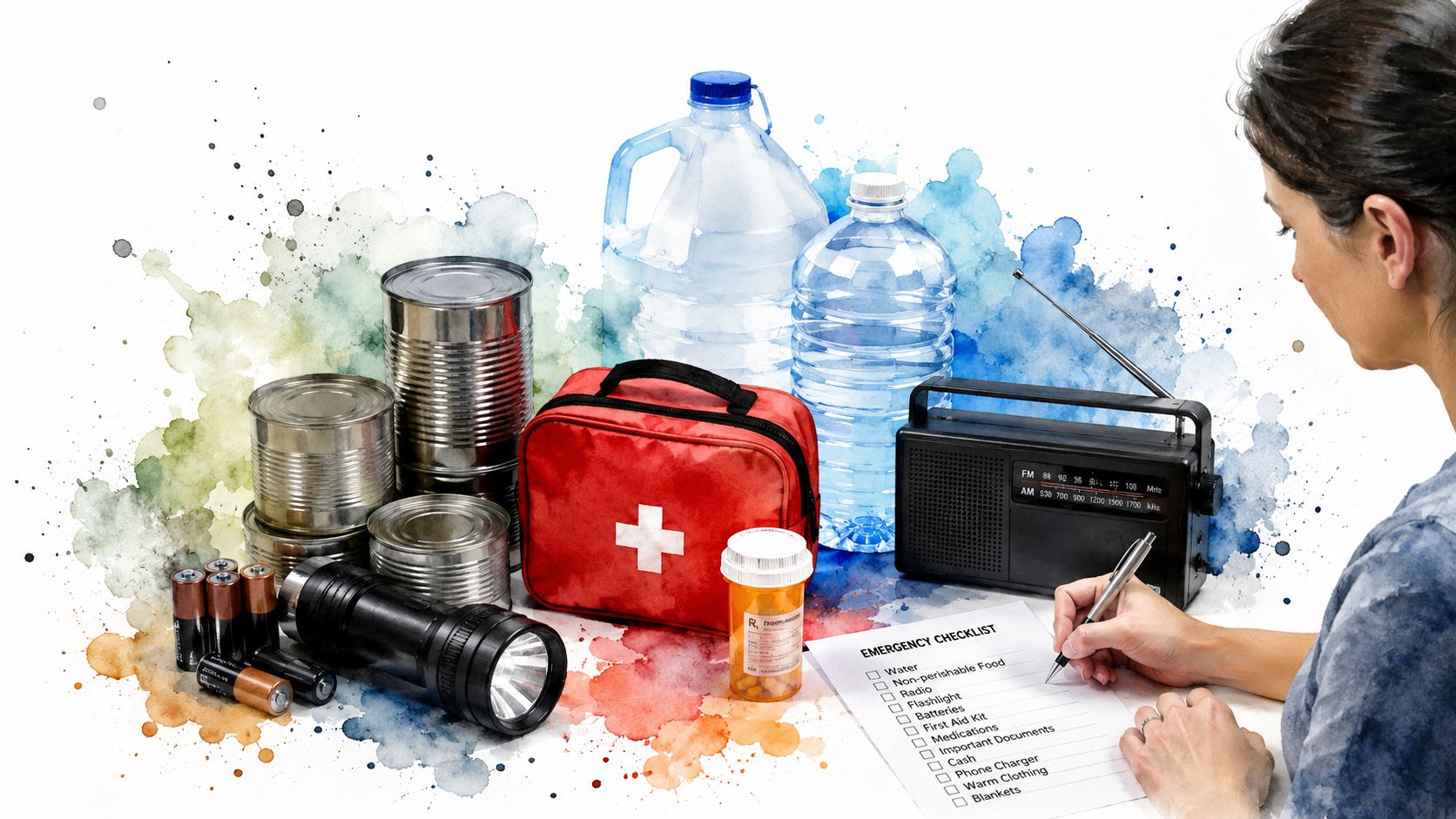
Food, water, batteries, a first aid kit, and the medicines you already rely on should all be ready before the first real storm. Ready.gov recommends a go-kit with at least three days of supplies, and I treat that as the baseline for anyone who lives where snow can trap you indoors. The point is not to build a bunker. It is to keep panic out of the picture when delivery slows, store shelves empty, and the street outside becomes a place you should not try to drive through. I have seen how much steadier people feel when the pantry and medicine cabinet are already set.
My winter shelf has a plain rhythm to it, built from the kinds of things that keep a household going when the weather does not cooperate.
- Food you will eat: canned beans, peanut butter, dried fruit, instant oatmeal, soup, pasta, rice, crackers, and a few comfort foods like tea, hot cocoa, or shelf-stable applesauce.
- Water stored safely: use food-grade containers, and keep enough to cover several days.
- Light and power backups: flashlights, extra batteries, a battery-powered radio, and candles you can use carefully if the power goes out.
- Medicine with labels intact: keep prescriptions in original bottles, plus over-the-counter pain relievers, allergy medicine, and any daily inhalers or supplements you depend on.
- A simple paper list: print your supplies and tape the list where you can see it, so you can check what needs replacing without guessing.
- A place to find more help: if a storm puts a strain on your household, keep the page for the Casa Catalina Food Pantry in Chicago close by, along with other local resources you trust.
I also think about the people in my life who depend on me, because a stocked shelf lowers stress before a volunteer shift and after one. If I know my home is ready, I can focus on helping others instead of worrying that my family will have to scramble while the snow piles up. That peace of mind matters in a blizzard. It gives you room to stay useful, and it gives the people around you a steadier example to follow.
5. Know the Signs of Frostbite and Hypothermia
The cold does not always hit like a siren. Sometimes it creeps in through your fingers, your ears, or your nose, and the first sign is just numbness or tingling. Frostbite can make the skin turn white or waxy, and if you ignore that signal, you can turn a minor problem into a serious one.
Hypothermia is trickier because it can fool the person who has it. At first, you shiver. Then you may feel confused, clumsy, or sleepy, and that is where danger gets nasty, because your own brain can stop warning you. In a group, I watch for the person who stops talking about the cold. Silence can mean they are too far gone to complain.
The cues I look for in the field
When I volunteer outdoors, I keep an eye on simple body-language tests. If someone starts stumbling, mumbling, grumbling, or fumbling, I treat that as a red flag for hypothermia. If I see white patches on skin, I move fast toward warmth and get the person inside.
Do this early, not late. Check yourself and the people around you often enough that numb fingers never get ignored.
- Check every 15 minutes in extreme cold: small injuries can grow fast when wind and wet snow are working against you.
- Speak up about numbness immediately: no one should tough it out until the damage spreads.
- Know the difference: frostbite is local cold injury, while hypothermia affects the whole body.
- Never rub frostbitten skin: that can cause more harm.
- Move slowly and gently: a person with hypothermia needs calm handling, not rough urgency.
- Call 911 for serious symptoms: if someone is confused, hard to wake, or getting worse, get help.
- Use a buddy system: let someone else watch you, because self-monitoring fails when your judgment slips.
That quiet moment, when somebody stops joking or complaining, has saved my attention more than once. I do not wait for collapse. I treat odd silence as a warning and warmth as the next move.
6. Keep Your Car Winter-Ready and Know What to Do If You Get Stuck
I prepare my car like it might turn into a tiny shelter for a while, because sometimes it does. The National Highway Traffic Safety Administration reported 101,390 police-reported crashes in 2023 when snow or sleet was present, including 320 fatal traffic crashes and 22,293 injury crashes (NHTSA winter driving tips). Those numbers are enough for me to respect the road when the weather turns mean.
That means I check tire tread, keep jumper cables in the trunk, and make sure I have a flashlight, blankets, water, snacks, and sand or kitty litter for traction. I also keep my fuel tank from running low in winter, because a car that quits at the wrong time gives you one more problem than you need. If the forecast looks rough, I would rather carpool, use transit, or stay home than roll the dice on a road that can trap me.
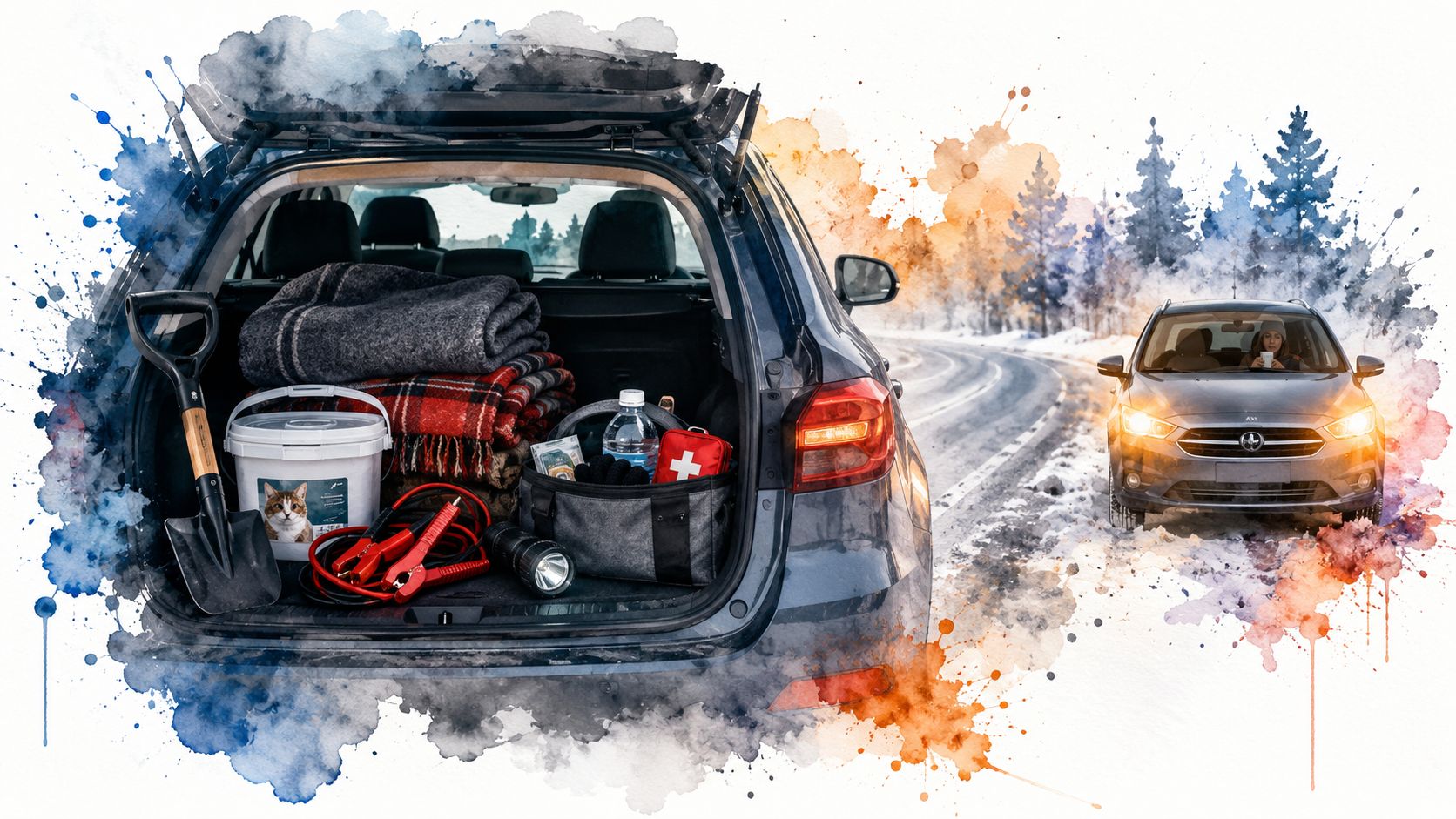
If you get stuck, stay in the car unless help is clearly close. The car gives you shelter, and leaving it can put you at risk of disorientation and fast heat loss. Turn on hazard lights so rescuers can spot you, crack a window a little for ventilation, and run the engine and heater only as needed so you stay warm without losing your sense of space.
I keep the rule simple for volunteers and friends. If the storm is ugly, the safest drive is often the one you never start. If you do have to drive, tell somebody your route and keep your phone charged before you pull out.
7. Stay Connected and Account for Vulnerable People
A blizzard changes what kindness looks like. A neighbor who can handle a snowy walk to the store might still worry about someone older, someone on disability support, or someone living alone with a weak heat source. I make it a habit to check on the people around me before the storm gets bad, because waiting until the roads are ugly can turn a simple call into a missed chance.
That is where real community work pays off. When I know the names of the people on my block, I know who needs medication, who might need food, and who should not be left alone too long. I also know that trust matters. If I have shown up before the storm, a knock on the door during the storm feels normal instead of invasive.
The Red Cross points out that winter guidance often talks about staying inside, monitoring weather, and checking on others, but it leaves a gap around the messy part, how to keep a group calm and functional over several days of confinement (Red Cross winter storm guidance). I fill that gap with simple habits. I set check-in times, I make sure people know who to call, and I keep the buddy system loose enough to be useful and firm enough to matter.
What I look for before the snow gets deep
- Make contact early: do not wait for the crisis to exchange numbers with neighbors.
- Learn who needs power: some people rely on medical equipment that can't sit through an outage.
- Keep emergency contacts handy: write them down in case a phone dies.
- Check even when people say they are fine: pride makes people underreport need.
- Bring supplies if you visit: a warm blanket or extra food can help immediately.
- Report serious concerns when needed: if you think someone is at risk, act on it.
I learned this same habit through what community resilience looks like in practice. The point is not to become heroic, it is to become dependable. A connected block handles a blizzard with less panic because people already know who needs a hand.
8. Have a Plan for Heat and Power Loss
Snow and ice can take out power lines in a few rough hours, and then the house gets quiet in a way that feels wrong. Cold indoors is a problem I never want to improvise around, because once heat disappears, the clock starts moving fast. I want a backup heating plan before winter even begins.
Ready.gov says generators and fuel should be used outdoors and at least 20 feet from windows, doors, and attached garages, which matters because carbon monoxide can build up without warning (Ready.gov winter weather). I keep that rule in plain language in my head. If something burns fuel, I do not put it inside the living space, and I do not cut corners because I feel cold.
A real backup plan can look simple
A fireplace, a wood stove, a safe generator setup, or propane or kerosene space heaters can help if you already know how to use them. I also keep carbon monoxide detectors that do not depend on the power staying on, because a quiet alarm is still an alarm. Extra blankets, sleeping bags, and a plan for where to go if the house gets too cold all matter too.
If I need a warm place, I want that answer ready before the storm arrives. I keep a short list of warming centers and nearby neighbors who have backup heat, because standing in a freezing house and deciding what to do is a bad place to start. I also never use a stove, grill, or oven to heat a home. That shortcut can turn a power outage into something far worse.
I have seen how much calmer people get when they know their options in advance. Some go to a neighbor, some head to a warming center, and some stay put because their fireplace or backup setup is ready. That decision should happen on a calm day, not in the middle of a freezing night.
8-Point Blizzard Safety Comparison
| Item | Implementation Complexity 🔄 | Resource Requirements ⚡ | Expected Outcomes 📊 | Ideal Use Cases 💡 | Key Advantages ⭐ |
|---|---|---|---|---|---|
| Stay Inside During the Storm | Low 🔄, simple decision/reschedule | Low ⚡, charged phone, basic prep | 📊 Very high safety; fewer rescue needs | Severe blizzard, whiteout or high winds | ⭐ Maximizes personal and public safety |
| Dress in Layers with Waterproof Outer Gear | Medium 🔄, knowledge and dressing time | Medium ⚡, quality layers and waterproof gear | 📊 Sustained warmth; tolerates longer exposure | Outdoor work/volunteering in cold/wet conditions | ⭐ Effective thermal regulation; flexible removal |
| Check Weather Forecasts and Create a Communication Plan | Medium 🔄, ongoing monitoring & coordination | Low ⚡, apps, group chats; some admin time | 📊 Better timing, organized cancellations, fewer surprises | Group events, volunteer meetups, travel planning | ⭐ Improves decision-making and group safety |
| Stock Essential Supplies Before Winter Arrives | Low–Medium 🔄, one-time setup, periodic maintenance | Medium ⚡, food, water, batteries, storage space | 📊 Self-sufficiency for days; reduced panic & trips | Staying home during prolonged snow/road closures | ⭐ Enables calm preparedness and basic survival |
| Know the Signs of Frostbite and Hypothermia | Low 🔄, learnable awareness | Low ⚡, training/education, routine checks | 📊 Early detection reduces severe injury & fatalities | Any outdoor exposure; supervising groups | ⭐ Life‑saving recognition; enables timely medical action |
| Keep Your Car Winter-Ready and Know What to Do If You Get Stuck | Medium 🔄, maintenance and kit readiness | Medium–High ⚡, tires, emergency kit, fuel | 📊 Increased survivability if stranded; fewer accidents | Winter travel, remote routes, emergency egress | ⭐ Car as shelter; improved traction and signaling |
| Stay Connected and Account for Vulnerable People | Medium–High 🔄, relationship-building and checks | Low–Medium ⚡, time, contact lists, coordination | 📊 Fewer unnoticed emergencies; stronger community resilience | Neighborhoods with elderly/isolated residents | ⭐ Prevents crises among vulnerable populations |
| Have a Plan for Heat and Power Loss | Medium–High 🔄, planning, testing and safe operation | High ⚡, generators, fuel, alternative heat sources | 📊 Maintains warmth during outages; reduces health risks | Areas prone to outages or long storms | ⭐ Sustains life‑support needs; reduces evacuation need |
Be the Calm After the Storm
True bravery is not loud when the snow stops. It shows up in the quiet part after the wind dies down, when you check on a neighbor, clear a safe path, or make one steady call that keeps a family from spiraling. I have learned that the best winter prep is less about looking tough and more about staying useful.
That is the heart of what we do at Litter Caterpillars. We pick up trash, we build habits, and we build trust, so people know each other before a storm asks for help. A blizzard gives you a chance to practice that same spirit at home, on your block, and with the people who count on you.
You do not need to be perfect to be dependable. You need a plan, a few good habits, and the willingness to act before fear gets louder than judgment. When you prepare well, you give yourself room to help someone else breathe easier.
That is growth, too. It is the kind that shows up in boots, in warm gloves, in a charged phone, and in the message you send to the person who lives down the hall. When the road looks bad and the sky turns white, I want you to be the person who stays calm, stays inside when needed, and shows up for your community when it counts.
If you want more chances to build that kind of steady, service-minded confidence, join the work at Litter Caterpillars. We clean Chicago together in rain, snow, and heat, and we do it in a way that helps people make friends, practice bravery, and look out for one another. Come visit us and see how winter readiness and community service fit together in real life.
Leave a Reply