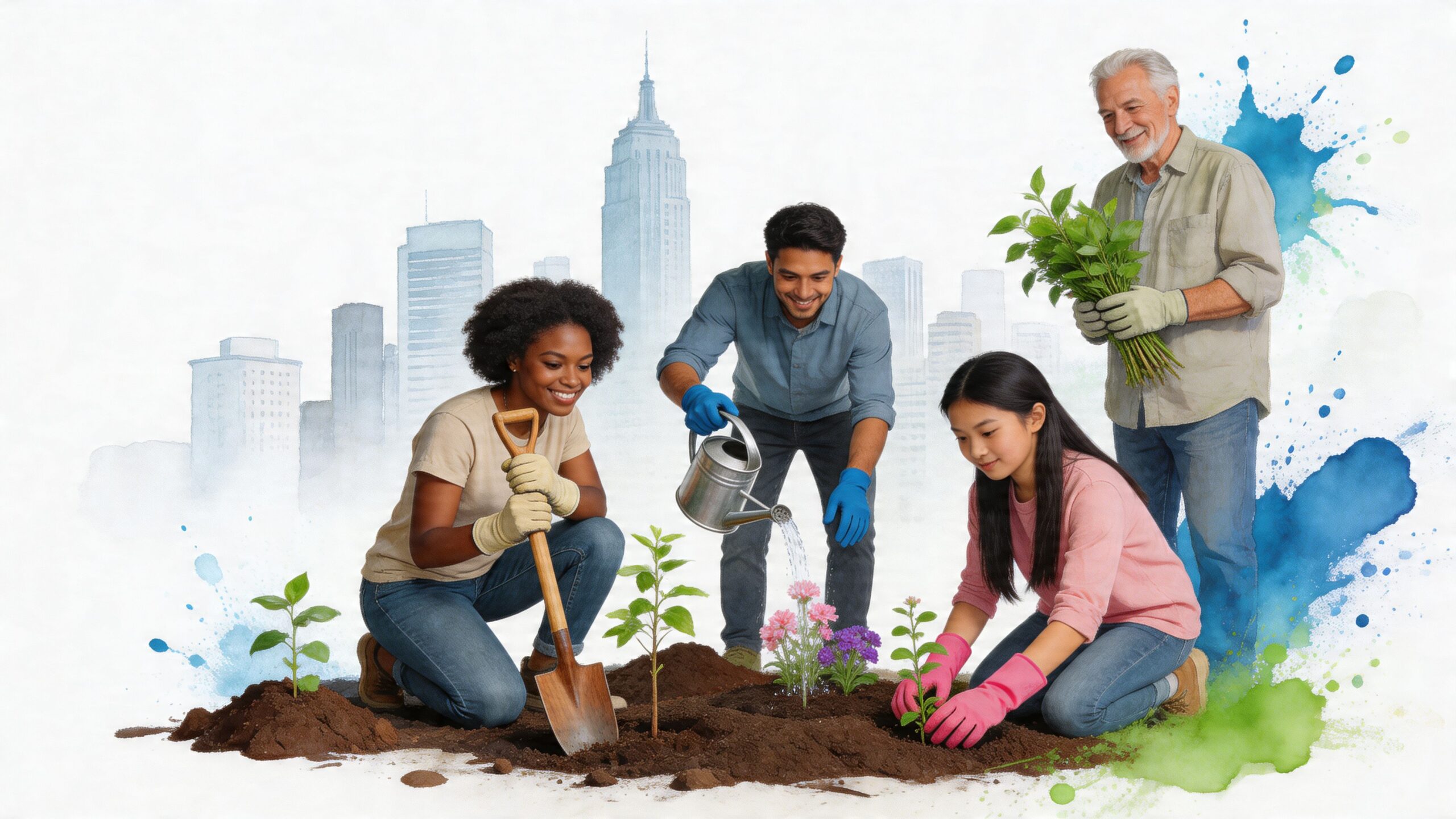
The first lot I fell in love with looked terrible. Broken glass flashed in the dirt, a torn plastic bag clung to a fence, and I remember thinking, with total honesty, this place looks exactly like my room used to feel.
Our Story Begins with a Void
I didn’t start with urban planning. I started with shame.
My apartment used to hold little relics of stalled intentions. An old jar from a trip I couldn’t let go of. A bag of healthy snacks from a week when I promised myself I’d change. Receipts, wrappers, random objects with stories attached to them like fishing hooks in my skin. None of it weighed much, but all of it felt impossibly heavy.
Then I’d walk through Chicago and see vacant lots that gave me the same feeling. Not empty. Burdened. Forgotten. Like the city had one room it was too overwhelmed to clean, so it shut the door and hoped nobody would look too closely.
That’s why the tale of the vacant lot hit me so hard. In the episode, the trade is never really about shoes or beauty. It’s about hunger. It’s about wanting to escape the pain of feeling ordinary, disappointed, or stuck. That part feels real because a lot of us know the temptation of a shortcut. We want a quick exchange. We want to hand over “something of no value” and become new.
But life doesn’t work like that. Land doesn’t work like that either.
The lot mirrored the mess inside me
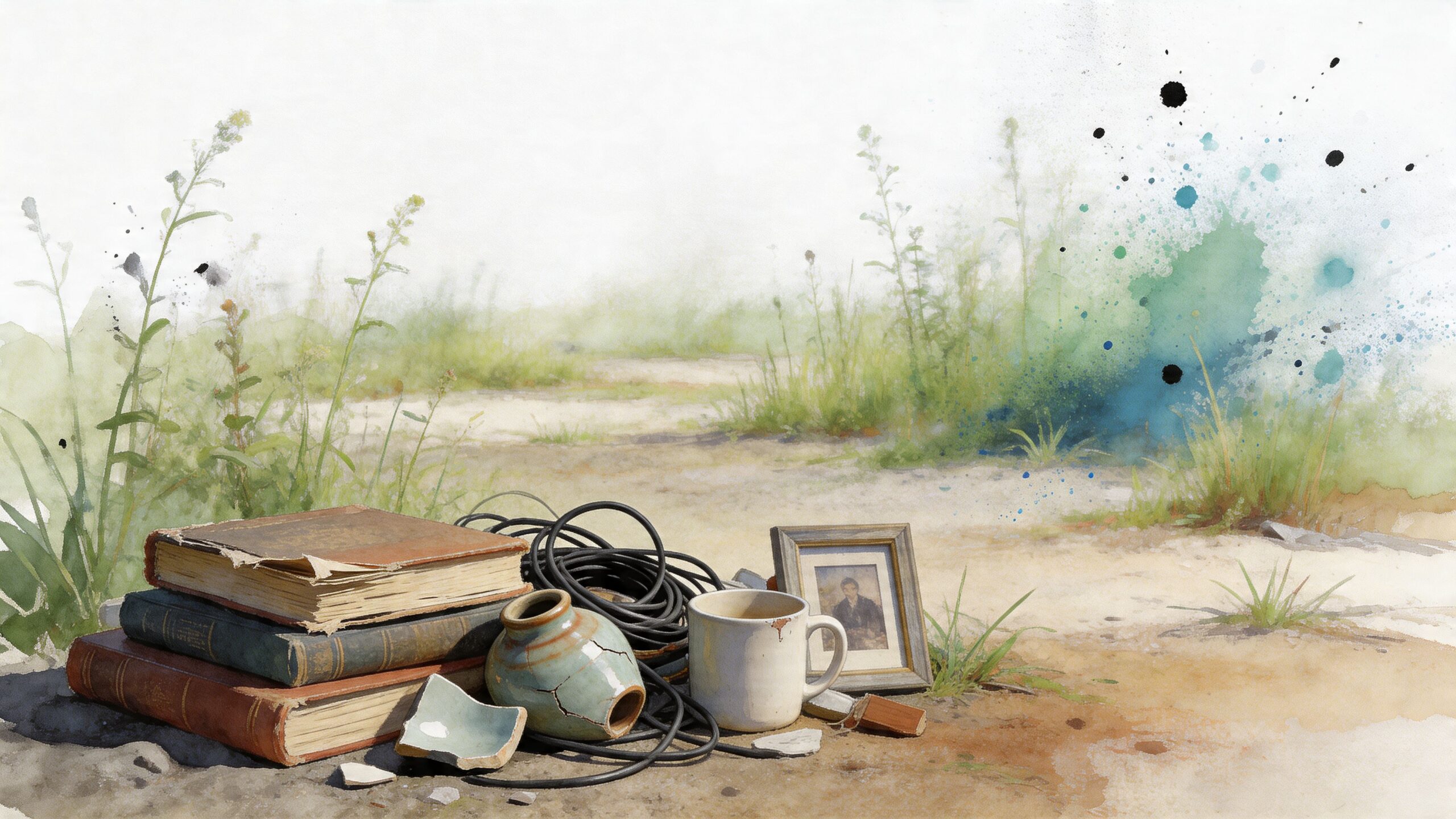
I remember standing at the edge of one neglected patch of land and noticing how specific the trash felt. Somebody’s fast food cup. A child’s shoe. A busted lawn chair. A crate. A wet magazine turning back into pulp. The lot looked random at first, but it wasn’t random at all. It was a record of abandonment.
My own life looked like that too. Not dramatic enough to count as collapse, but cluttered enough to make forward motion hard. That kind of mess is sneaky. It doesn’t scream. It dulls you. It convinces you that mediocrity is permanent.
So I stopped seeing vacant lots as real estate and started seeing them as sleeping parts of a city’s soul. A lot like a neglected corner of your own life, they wait in silence until somebody is brave enough to touch the mess without flinching.
A vacant lot isn’t just unused land. It’s a story that stalled out and needs somebody to continue it.
That’s also why I care so much about the emotional side of cleanup. A lot of people talk about beautification like it’s cosmetic. I don’t buy that. The deeper work happens in the volunteer, in the neighbor, in the kid who sees adults care for a space that everybody else wrote off.
Why superficial gains never satisfy
The episode’s core theme has a real-world parallel. A 2023 APA-linked discussion of materialism and youth mental health, alongside Chicago’s 2025 vacant lot count of 15,000+ sites notes that materialism correlates with 20 to 30% higher anxiety and depression in teens, and it connects that idea to Chicago’s 15,000+ vacant lots. That matters to me because it points to something bigger than trash. Service pushes against the lie that worth comes from acquiring more.
I’ve felt that lie in my own body. Buy this. Keep that. Protect every object because maybe it proves something about you. Then one day you’re drowning in souvenirs of versions of yourself that never fully arrived.
A lot can become the opposite of that trap. It asks less from you and more of you. It asks your labor, your humility, your patience. It gives back something slower and better. Purpose. Camaraderie. A reason to wake up on a cold morning and move.
The first brave act isn’t glamorous
People think transformation starts when you unveil a finished park. It doesn’t. It starts when you stop looking away.
For me, the mental shift looked like this:
- I quit calling the mess worthless. A place can be damaged without being meaningless.
- I stopped waiting to feel ready. Readiness is overrated. Showing up matters more.
- I let service become personal. I wasn’t just helping land. I was training my own character.
- I accepted that ugliness can be an invitation. If a place repels everyone, then your presence already changes the story.
There’s a strange relief in admitting that the lot and I had something in common. We both needed patient hands. We both needed repeated care, not one dramatic gesture. We both needed somebody to believe change could happen before there was evidence.
That belief came first. The shovel came second.
Waking Up the Sleeping Giant
The first cleanup always feels a little ridiculous.
You show up with gloves, bags, grabbers, maybe a rake if you’re lucky, and you stare at a patch of ground that has been ignored for so long it seems almost rude to disturb it. Then you bend down, pick up one bottle, and the spell breaks. The lot is no longer an abstract problem. It’s a physical conversation. You touch it, and it answers.
Start with your eyes, not your dreams
On day one, I don’t think like a visionary. I think like a cautious scavenger.
Before anybody starts cleaning, I walk the edge and scan. I look for sharp metal, broken glass, needles, unstable debris piles, animal waste, deep holes, and anything that suggests somebody might get hurt if we rush. I also look for access points, where trash has accumulated, and where volunteers can stand without tripping over rubble.
My basic first-day kit stays simple:
- Work gloves: Cheap gloves beat bare hands every time.
- Trash bags: Bring more than you think you need.
- Grabbers: They save your back and keep your hands away from dangerous stuff.
- Closed-toe shoes: Nobody cleans a lot safely in flimsy footwear.
- Water: People work better when they’re not dehydrated and cranky.
That’s enough to begin. Not enough to finish. Enough to wake the place up.
Keep the first gathering small and honest
I don’t like overproduced beginnings. You don’t need a giant banner, a polished slogan, or a perfect site plan to start. You need a handful of people willing to do unglamorous work in public.
So I spread the word plainly. Weekend morning. Gloves if you have them. We’re cleaning this lot. Come if you want to help.
That directness matters. It filters for people who want to serve. It also keeps expectations clean. Nobody arrives expecting a festival. They arrive ready to work.
Practical rule: Your first event should be easy to understand and hard to misread. “Come clean this lot with us” beats a paragraph of grand vision.
The grime is part of the initiation
I still remember the smell of wet cardboard mashed into soil. The feeling of a grabber clamping onto a half-buried bottle. The weird archaeology of urban neglect. A traffic cone. A doll head. Soggy clothing. Pieces of somebody’s week, month, or year.
That first cleanup taught me something I didn’t expect. Cleaning other people’s mess is often easier than cleaning your own. Your heart doesn’t cling to the object. You don’t negotiate with the trash. You just remove it.
And then something even stranger happens. The work becomes fun.
Not fun in the soft, easy sense. Fun in the way a hard hike becomes fun when your legs burn and your friends are laughing. Fun in the way bad weather improves a story. I’ve cleaned in conditions that made me question my life choices, and those are often the days I remember most clearly. Cold fingers, wet socks, wind in your face, everybody stubborn enough to keep going. That’s flavor. That’s plot.
How momentum starts
I’ve never seen momentum arrive because somebody wrote a beautiful document. I’ve seen it arrive when a passerby slows down, notices a few people cleaning, and realizes neglect isn’t permanent after all.
The first cleanup does a few important things at once:
- It changes the visual signal. Even partial cleanup tells the block that somebody cares.
- It reveals the actual work. Once the surface trash goes, you can finally see the deeper problems.
- It creates memory. The volunteers now have a shared story, and shared stories keep people coming back.
- It invites conversation. Neighbors who ignored the lot may suddenly have opinions, concerns, or hopes.
That’s why I call it waking a sleeping giant. The lot isn’t dead. It’s dormant. The first cleanup is the knock on the door.
Treat the day like a beginning, not a verdict
Don’t judge the whole project by the first session. A lot can look better and still look rough. That’s normal.
I prefer a simple end-of-day check:
| What I look for | Why it matters |
|---|---|
| Safer walking paths | People can move without immediate hazard |
| Fewer visible piles | The lot starts looking cared for |
| Volunteer morale | If people leave energized, you can build again |
| Neighbor response | Curiosity is often the first sign of support |
If you get those four, you’ve done enough for one day. Bag the trash. Take a breath. Thank people properly.
Then go home tired, a little dirty, and proud in a way that doesn’t need explaining.
Taming the Paper Dragons
The lot gets easier once you touch the dirt. It gets harder once you touch the paperwork.
The tale starts to resemble the old horror story. A mysterious offer appears. The thing everyone ignored might be yours, if you’re willing to enter a system full of veiled costs, unclear steps, and enough waiting to make a sane person mutter at their inbox.
That’s how bureaucracy feels when you care about a place. Not evil. Just enchanted in the most annoying possible way.
The bargain always hides the real price
In the episode, the dangerous part isn’t just the object being offered. It’s the language. “Something of no value” sounds harmless until the cost lands. That’s why I think the story works so well as a metaphor for city process.
The fan analysis of the episode’s Faustian bargain structure describes a temptation phase, a trade with hidden terms, and notes an 80% failure rate in simulations of ethically ambiguous bargains. I don’t treat that as urban policy data. I treat it as a sharp metaphor. Red tape often asks for things that sound minor at first. One more form. One more approval. One more week. Then you realize the actual payment is your time, your emotional energy, and your ability to stay hopeful while progress stalls.
I’ve felt that drain firsthand. A lot that seems worthless to the system can cost you dearly in persistence.
My rule for paper dragons
I don’t fight bureaucracy by pretending it’s simple. I fight it by making it visible.
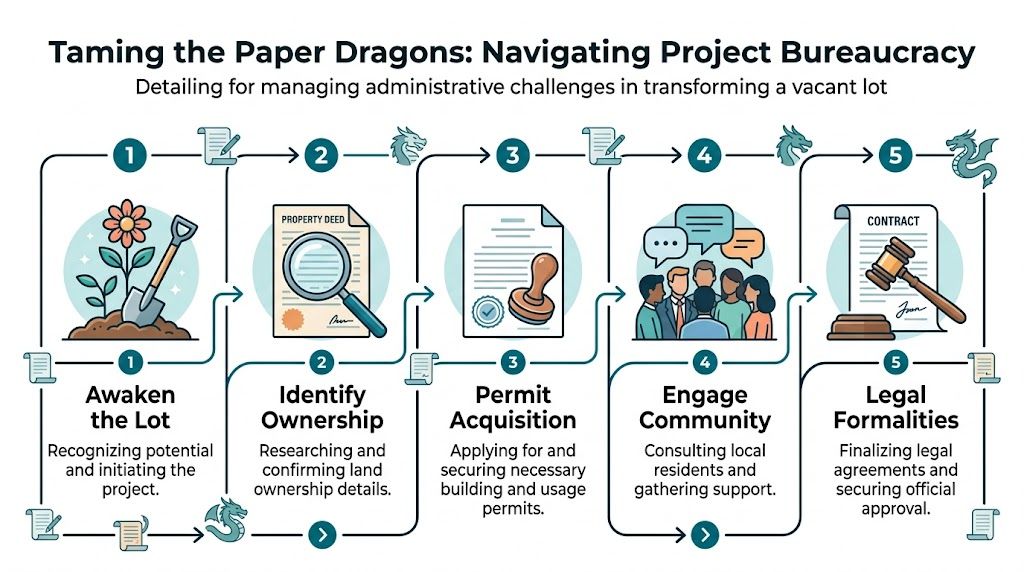
When I’m trying to move a lot project forward, I break the process into tangible quests:
- Find the owner: You need clarity before you need optimism.
- Ask dumb questions early: I’d rather sound inexperienced than lose months to assumptions.
- Keep a written trail: Names, dates, emails, calls. Memory gets foggy when delays pile up.
- Expect hidden labor: Every “small step” may contain three unstated sub-steps.
- Look for human allies: One kind person inside a system can save you from ten dead ends.
That last point matters most. Systems feel faceless until you meet someone who actually wants to help. Then the maze gains a lantern.
Winning the right to build
A lot of people romanticize the build phase and skip over the administrative struggle. I don’t. I think the legal right to care for a place is part of the heroic arc.
When I dealt with ownership questions, permission layers, and all the little official hurdles that make a project feel slippery, I had to learn patience as a physical skill. Not positive thinking. Actual discipline. Open the email. Follow up again. Save the document. Show up to the meeting. Clarify the requirement. Repeat.
Sometimes a dream survives because somebody is stubborn enough to keep answering messages.
Bureaucracy doesn’t just test your plan. It tests whether your care can outlast confusion.
That’s why I tell people to prepare for hidden costs long before they prepare for landscaping. If you’re entering this process, don’t just ask, “Can we get the lot?” Ask, “What will this ask from our spirit?”
Gather support without losing your mind
You can make the paper side less painful if you organize your support early. That support might include neighbors who back the project, volunteers willing to make calls, or practical funding help while the process drags on.
If you need a starting point for the money side, I’d look at practical ideas for grants for gardens and community green projects. Not because grants solve everything, but because they can give structure to the dream while you’re still cutting through legal fog.
I also like a simple working chart during this phase:
| Challenge | What I do |
|---|---|
| Ownership is unclear | Confirm records before making promises |
| Permits feel vague | Ask for the exact next step in writing |
| Delays keep stacking | Set a follow-up rhythm and stick to it |
| Team gets discouraged | Share progress in small, concrete updates |
Resilience is part of the permit
The funniest lie about community work is that land is the hard part and paperwork is just admin. Sometimes the paperwork is the mountain.
But I don’t hate that fact anymore. The struggle purifies the motive. If you keep going after the novelty is gone, after the forms multiply, after the shiny fantasy of “we should make a park” turns into slow institutional labor, then your dream is real. It has muscle.
And once you’ve earned your way through the maze, you don’t just hold a parcel. You hold a deeper kind of legitimacy. You fought for the right to imagine in public.
Building Your Band of Heroes
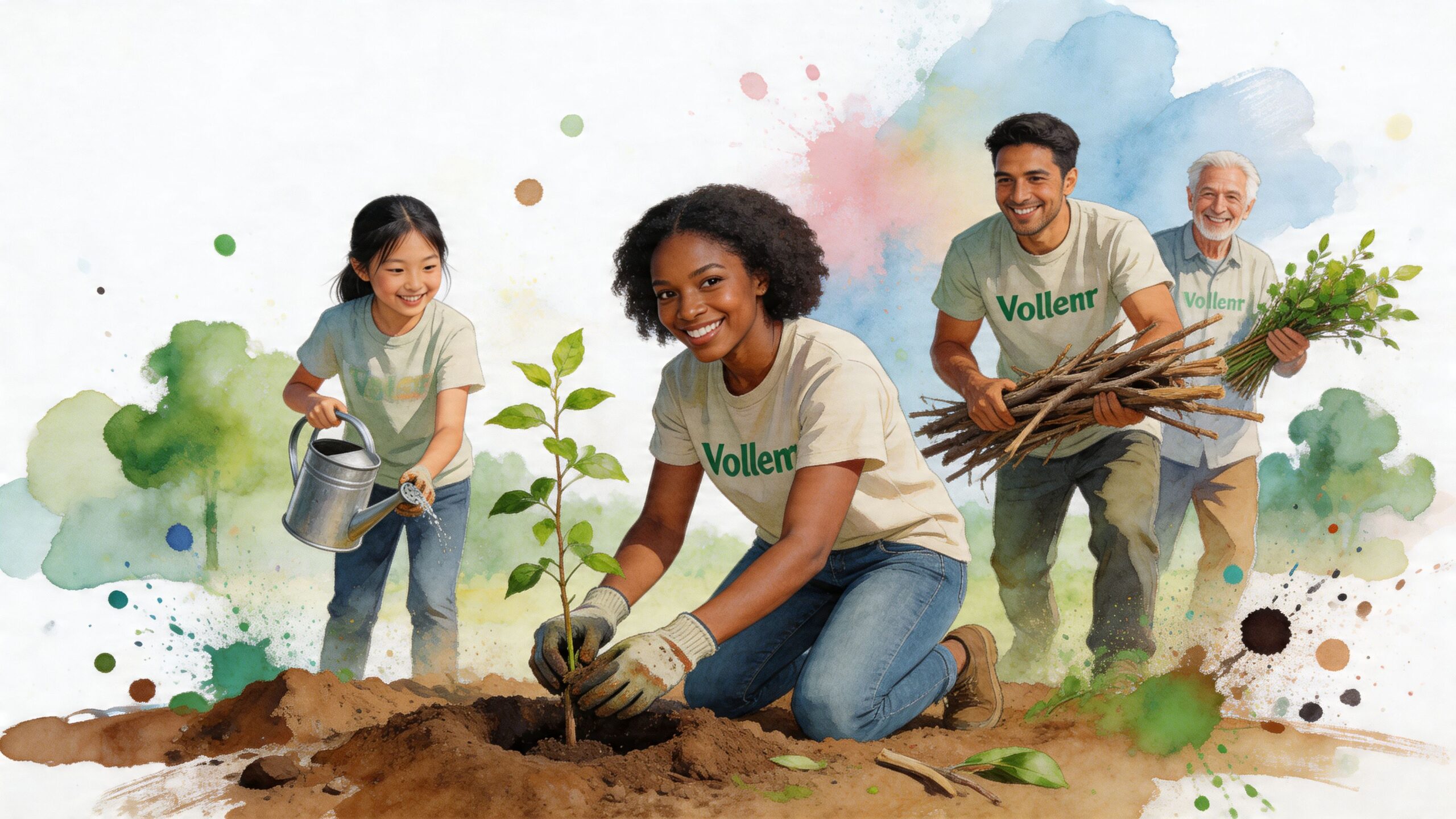
A lot never changes because one person has a beautiful vision. It changes because a group of people decides to carry bags, move branches, haul mulch, make calls, share jokes, and come back when the first burst of excitement is gone.
That’s why I care more about the team than the blueprint.
Choose people before perfection
I learned early that a volunteer group has to protect its energy the way a campfire protects flame from wind. If the social atmosphere gets sour, if people feel used, if safety gets sloppy, the whole project weakens even when the plan looks impressive on paper.
So I look for givers. Not saints. Not superheroes. Just people who can wake up on a weekend morning and offer their effort without needing the world to revolve around them.
Weekend mornings matter for that reason. They create a gentle filter. The people who come are often the people who are ready to build something steadier than a fleeting good intention.
Culture beats hype
I love practical tools, but culture is the real engine.
Give people something to belong to and they stand taller. That can be as simple as a group chat that feels warm, a shared ritual before work begins, a flag, a song, a nickname, a badge, a running joke, or the habit of celebrating gritty effort instead of polished image. Sports teams understand this. Nations understand this. Service groups should understand it too.
A lot project needs identity because hard work gets easier when people feel they’re part of a brave little fellowship rather than a random pile of strangers holding trash grabbers.
Here’s what I defend hard in any volunteer culture:
- Safety comes first: Nobody should feel pressured to take dumb risks.
- Happiness comes next: A burned-out volunteer doesn’t become a long-term builder.
- Money pressure stays out: Service should feel clean, not extractive.
- Friendship is not a side effect: It’s one of the main outcomes.
The project people remember isn’t the one with the slickest concept. It’s the one where they felt useful, safe, and glad they came.
A selfless group changes the ending
One reason I keep thinking about the tale of the vacant lot is its ending. The curse breaks through sacrifice, not cleverness alone. The episode analysis tied to the “Power of Love” trope says that kind of self-sacrifice has 88% efficacy in similar narratives, and it notes that group-centered stakes building performs 92% higher than solo efforts in that framing. Again, I don’t treat that as field research on volunteer management. I treat it as a story truth with real bite. Selfless groups survive setbacks better than isolated heroes.
That’s exactly what I’ve seen. One person gets sick, tired, discouraged, busy, or overwhelmed. A group absorbs the blow. A group can keep the story going.
How I recruit without sounding fake
I don’t like manipulative outreach. I’d rather be clear than flashy.
When I invite people, I tell them what the work is, where we’re meeting, what they should wear, and why it matters. I don’t promise magic. I promise effort, company, and a visible result. Ironically, that honesty attracts better people than inflated language ever will.
If you want practical ideas for outreach, this guide on how to find volunteers can help you think through where people gather and what makes them say yes.
Here’s the recruitment test I use in my head:
| If my message says this | It attracts |
|---|---|
| “Come be part of something amazing” | Curiosity, maybe |
| “Come clean this lot with us Saturday morning” | Commitment |
| “No pressure, all welcome, bring gloves if you have them” | Kindness and realism |
A humble invitation often travels farther than a glamorous one.
Let people become heroes slowly
Not everybody arrives bold. Some show up shy. Some come because they’re lonely. Some need structure. Some want to do good but haven’t found their people yet.
I respect that. I don’t need every volunteer to arrive as a crusader. Often the transformation is gradual. A person comes once, then again. They start carrying extra bags for others. They learn names. They suggest ideas. They laugh more easily. They become dependable almost without noticing it.
Later in the story, that person is part of the backbone.
A short film can sometimes communicate that spirit better than another paragraph can. This one captures the feeling of people working side by side for something larger than themselves.
Build the fellowship and the lot will follow
I’ve seen groups with modest tools do excellent work because the chemistry was strong. I’ve also seen well-resourced efforts sag because the people never bonded.
That’s why I’ll keep arguing the same point. The park is not the only project. The people are the project too.
When volunteers trust one another, hard days become stories instead of burdens. Rain becomes a memory. Delays become a shared enemy. Heavy lifting turns into a joke somebody repeats months later. Community isn’t decoration around the work. It’s the force that lets the work continue.
Crafting the Future from Dirt and Dreams
Once the lot is legally yours to shape and the team has some rhythm, the dream stops being private. Now it has to survive contact with real preferences, real constraints, and real budgets.
This is my favorite phase because it turns vague hope into objects you can point at. Paths. Beds. Benches. Fences. Saplings. Seating. Shade. The lot starts answering back in a new language.
Let the neighborhood draw the map
I don’t trust a design that only lives in one person’s head.
A better process starts with listening on site. Walk the perimeter with neighbors. Ask where water pools. Ask what they’re tired of seeing. Ask what would make them use the space. A parent may want room for kids to move. An older resident may want a bench in shade. A volunteer may care about native plants. Somebody else may just want the dumping to stop.
Write those answers down. Then look for overlap.
I like a rough three-part sorting method:
- Needs: Safety, cleanliness, access, visibility
- Uses: Gathering, resting, gardening, play
- Character: Color, art, signage, little touches that make the place feel loved
That keeps design grounded. A lot doesn’t become meaningful because it looks expensive. It becomes meaningful because people recognize themselves in it.
If the community can’t see its own reflection in the design, the lot may be cleaner, but it still won’t feel awake.
Use money creatively, not worshipfully
A lot of people freeze when they think about funding because they assume real transformation needs a massive budget. I don’t think that way.
I think in layers. What can volunteers do by hand? What can neighbors donate? Which local businesses might offer materials instead of cash? Where can you source reclaimed items? What can be built in phases instead of all at once?
Grassroots fundraising works best when it feels tangible. A small neighborhood event. A crowdfunding ask tied to a specific object. A request for lumber, soil, tools, or plants rather than an abstract appeal. People like to see what their contribution becomes.
And sometimes the city itself has overlooked resources if you’re willing to ask around and stay persistent. Wood chips, extra materials, old planters, surplus supplies. Not glamorous. Useful.
Build with what you have, then improve
I’d rather start with a modest build that people use than wait forever for an ideal version that never lands.
That means making decisions like these:
- Clear circulation first. People need to move through the space without confusion.
- Create one visible focal point. A bench, a garden bed, a sign, a tree. Something that says this place has intention.
- Add comfort early. Shade, seating, and simple beauty invite repeat visits.
- Leave room to evolve. The best community spaces stay editable.
If I’m short on resources, I ask one practical question over and over. What can we build right now that makes the next stage easier?
That approach lowers stress. It also keeps the group from getting trapped in fantasy architecture.
Resourcefulness makes the place feel alive
A transformed lot often carries the fingerprints of improvisation. A border made from recovered material. Plants donated by a local nursery. A seating area assembled through favors, sweat, and careful scavenging. Those details matter because they tell the truth about how community spaces emerge.
If you want examples of what neighborhood green spaces can become in Chicago, this page on community gardens in Chicago, IL offers a useful sense of the possibilities.
I like projects that show their seams a little. Too much polish can feel distant. A community-built place should retain some evidence of the hands that made it. Not sloppiness. Humanity.
Keep the dream practical
I always bring the conversation back to maintenance. If a design element is beautiful but impossible for the group to sustain, it may become tomorrow’s burden.
So I ask hard questions before installation. Who waters this? Who empties that? Who repairs this edge if it breaks? Who trims this planting bed in late summer? Dreams survive when responsibility has a name attached to it.
That may sound less romantic, but I think it is true romance. Love is maintenance. Care repeated over time is what turns dirt into trust.
Your Story Is Waiting to Be Written
When a lot changes, people often focus on the before-and-after photos. I get it. Those photos are satisfying. Trash, then garden. Blight, then gathering place. Dirt, then laughter.
But the deeper transformation doesn’t live in the images. It lives in the habits that form afterward.
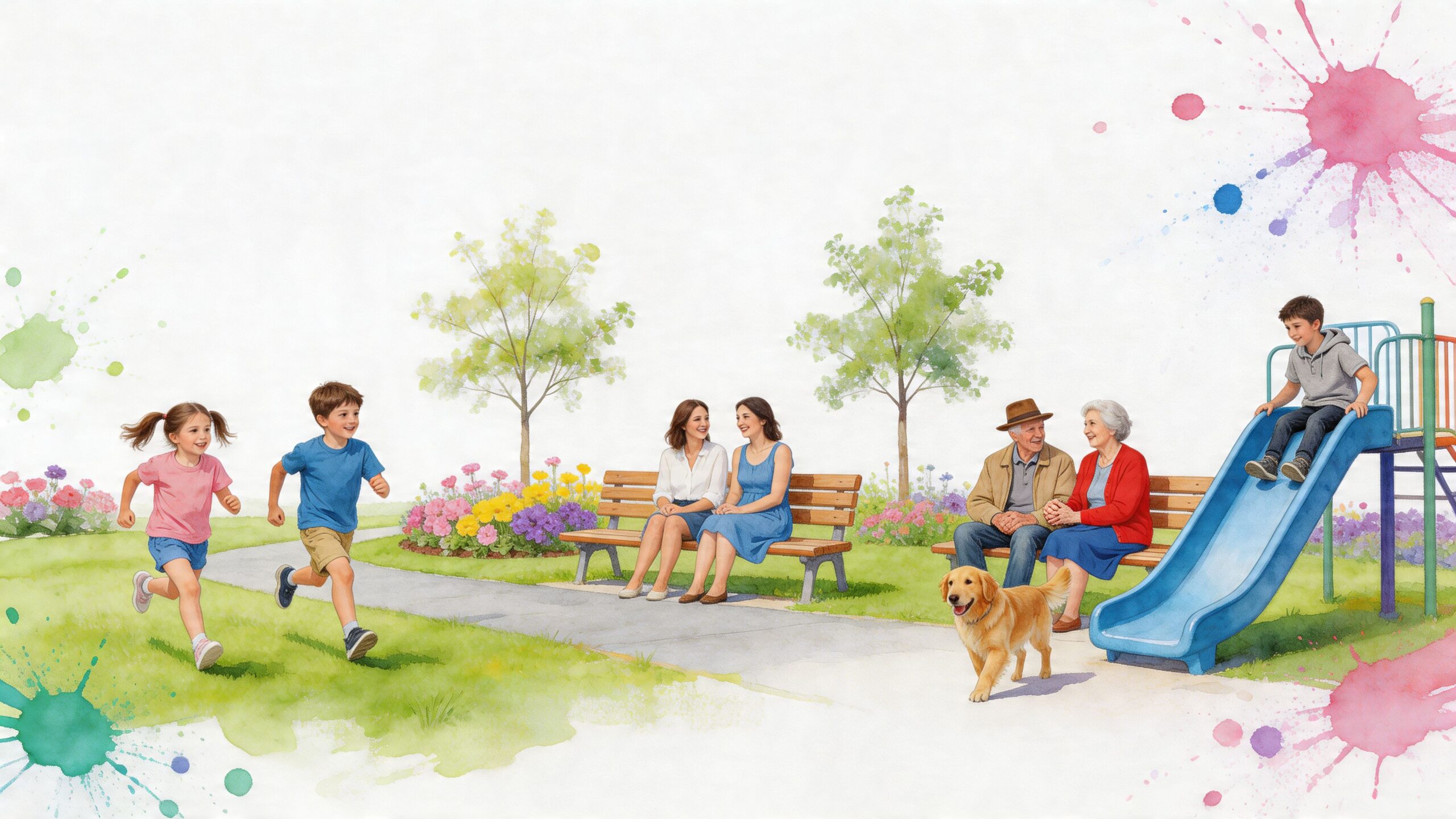
A cared-for space needs regular cleanup, seasonal workdays, people who notice when something breaks, and neighbors who use it. It needs birthdays, conversations, quiet afternoons, dog walkers, kids asking questions, adults sitting on benches after hard weeks. It needs life.
The magic stays alive through repetition
I think maintenance is honorable. Maybe even sacred.
Anybody can love a ribbon cutting. Fewer people love weeding in awkward weather, picking up new litter after a windy weekend, or showing up when there’s no applause left. But that’s where a space becomes real. Repeated care tells the neighborhood this wasn’t a stunt. It was a promise.
I also think programming matters. A small cleanup day. A planting morning. A neighborhood meet-up. A simple event gives people another reason to return, and return is everything. Spaces become beloved through familiarity.
What the lot gave back
I started this kind of work because my own life felt messy and hard to carry. I thought I was just trying to clean things up.
I wasn’t. I was learning bravery.
I was learning that suffering for a good cause has a bright side to it. Rain, cold, delays, setbacks, awkward conversations, sore backs, muddy shoes. Those things don’t ruin the story. They deepen it. They make the final place feel earned.
The lot may begin as the wounded thing, but if you stay with it long enough, it starts healing you too.
That’s the secret buried inside the tale of the vacant lot. The cursed trade is always the shortcut. The better path is slower. You give your labor freely. You accept inconvenience. You let community change your pace. In return, you gain something no quick bargain can offer. Self-respect.
My challenge to you
Find the neglected space that bothers you. The ugly corner. The sleepy lot. The place everybody has learned to ignore.
Stand there for a minute and ask a harder question than “Who should fix this?” Ask, “Who could I become if I helped?”
That question changed my life. It might change yours too.
You don’t need to begin with mastery. You need gloves, honesty, and the willingness to be a little uncomfortable in public. Start with one cleanup. Talk to one neighbor. Invite two friends. Learn one rule. Carry one bag. Then do it again.
A lot can wake up. So can you.
If you want to turn that first brave cleanup into a real neighborhood story, join Litter Caterpillars. You’ll find a volunteer-driven crew in Chicago that shows up in all weather, builds friendships through service, and proves that cleaning a forgotten place can also rebuild the people doing the work.