

Could a small Chicago yard handle wind, salt splash, clay, shade, drought, or standing moisture with one “easy” shrub? Probably not. The better question asks which bush fits the hardest corner. Small native bushes work like well-chosen tools. New Jersey tea suits a dry curb strip. Bush honeysuckle handles shade and slopes. Black chokeberry likes wet beds. Leadplant takes sun and poor soil. Coralberry brings winter berries to woodland edges. Prairie willow helps early pollinators, while meadowsweet enjoys rain-garden moisture.
Before you buy, check mature height, mature spread, sunlight, drainage, salt exposure, and room around utilities or windows. A nursery pot gives you a temporary snapshot. The adult shrub needs a permanent parking space. Illinois planting guidance also recommends fall planting, with spring as the next-best season, followed by regular watering while roots develop (Northeastern Illinois native tree and shrub list).
A neighborhood planting can feed pollinators and birds while giving residents a hands-on way to care for shared spaces. Litter Caterpillars fits naturally where cleanup and planting meet, especially around visible community spaces that need steady volunteer care.
1. New Jersey tea
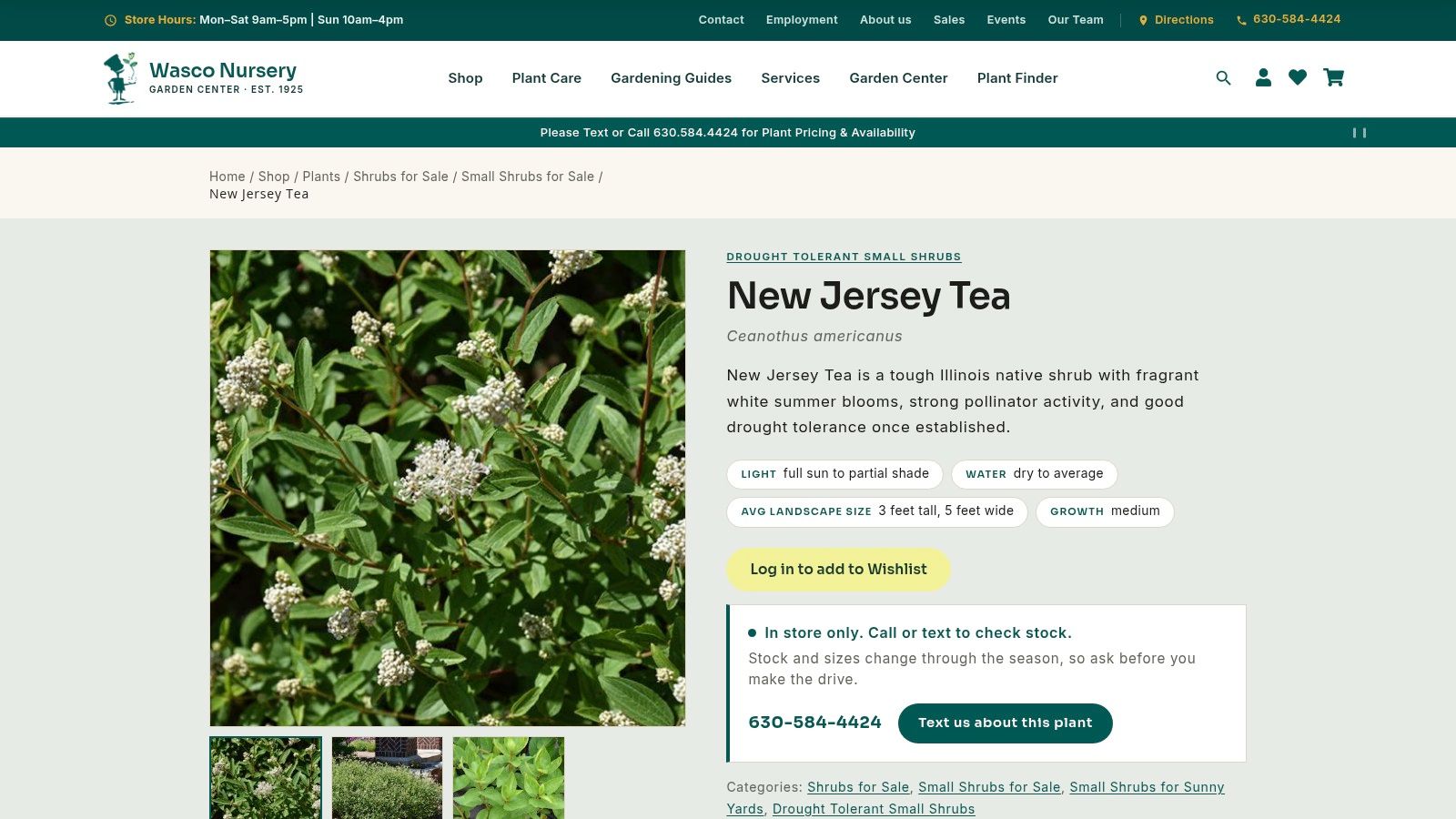
A hot, dry parkway can punish thirsty shrubs. New Jersey tea, Ceanothus americanus, handles that kind of corner with a compact form that usually reaches about 2 to 4 feet. Its deep roots help it manage drought and hold soil on a sunny slope or berm. Regional nursery guidance describes the shrub as a fit for dry, lean conditions (New Jersey tea from Wasco Nursery).
Late spring into summer brings frothy white flower clusters. Native pollinators visit the nectar, and the shrub also hosts several native butterfly species. The flowers give you a long seasonal display without turning a narrow bed into a wall of stems. Deer-resistant foliage adds another practical benefit for exposed Chicago lots.
Placement rule: Give New Jersey tea full sun, lean soil, and room for air to move around the branches.
This shrub takes patience. It establishes slowly, and heavy clay plus frequent watering can create trouble around the roots. Use it where irrigation stays limited rather than planting it beside a downspout that keeps the soil saturated. Its tidy habit works beneath windows, below power lines, along a sunny sidewalk edge, or in a small front yard.
I'd pair it with prairie grasses or low wildflowers instead of filling the whole bed with one shrub. That mix gives insects several flower shapes and bloom times. If you're planning a Chicago planting with neighbors, connect the bed to a native plant sale from Litter Caterpillars and choose plants that volunteers can water, mulch, and inspect without specialist care.
2. Northern bush honeysuckle
Shade changes the planting problem. A foundation bed beneath a mature tree may receive only broken light, while a sloped park edge may need roots that hold soil. Northern bush honeysuckle, also called dwarf bush honeysuckle, Diervilla lonicera, handles sun through part shade and grows about 2 to 4 feet tall (Diervilla lonicera from Prairie Moon Nursery).
Yellow summer flowers give native pollinators a reason to visit. In spring, bronze new growth catches the eye before the flowers arrive. Fall brings another color change. You can plant several together as a low hedge or let them knit a loose mass across a slope.
The shrub spreads by suckers. That habit helps bind soil, but it can also move beyond a tightly measured foundation bed. Install an edge where you need a firm boundary, then inspect the bed during the growing season. A quick removal of unwanted shoots takes less effort than reclaiming an overgrown path later.
- Best corner: Part shade, poor soil, a slope, or an urban bed that needs little fuss.
- Seasonal moment: Watch the bronze spring flush, yellow summer blooms, and fall color.
- Maintenance warning: Edge the planting if you need a strict outline.
- Wildlife use: Pollinators visit the flowers, while the dense form adds low cover.
Cultivar labels deserve attention. Different selections may grow differently, and a cultivar may provide different wildlife value from the straight species. I'd use bush honeysuckle where you want a forgiving shrub with a natural shape, not where every branch must stay inside a narrow geometric box.
3. Black chokeberry
A low bed beside a downspout needs a shrub that can accept wet soil, yet many compact foundation plants dislike standing moisture. Black chokeberry, Aronia melanocarpa, gives you a different rhythm through the year. Spring flowers arrive first, glossy black berries follow, and the foliage turns bright red in fall (Black chokeberry from Possibility Place).
Compact selections, including Low Scape Mound, Ground Hug, and Iroquois Beauty, stay around 2 to 3 feet tall. That size works beside a walkway, beneath a window, or along a streetscape where a taller shrub would block views. The species also tolerates sun and wet to average soil, so you can place it near a rain garden or in a bed that dries between storms.
Think of chokeberry as a seasonal switchboard. Spring feeds insects, summer develops fruit, and fall puts the planting into a bright red display.
Birds use the berries. People can use them for preserves, though the fresh fruit tastes very astringent. Fruit can drop onto pavement, so set the shrub back from hardscape if you want fewer stains and less sweeping. Compact cultivars can also sucker slowly, which makes occasional inspection sensible.
A spring planting may look modest at first. By late summer, the foliage and fruit give the bed more weight. In autumn, the red leaves make a small group visible from the sidewalk. I'd use two or three plants with a low grass or sedge in front, leaving a clear access path for watering and cleanup.
4. Leadplant
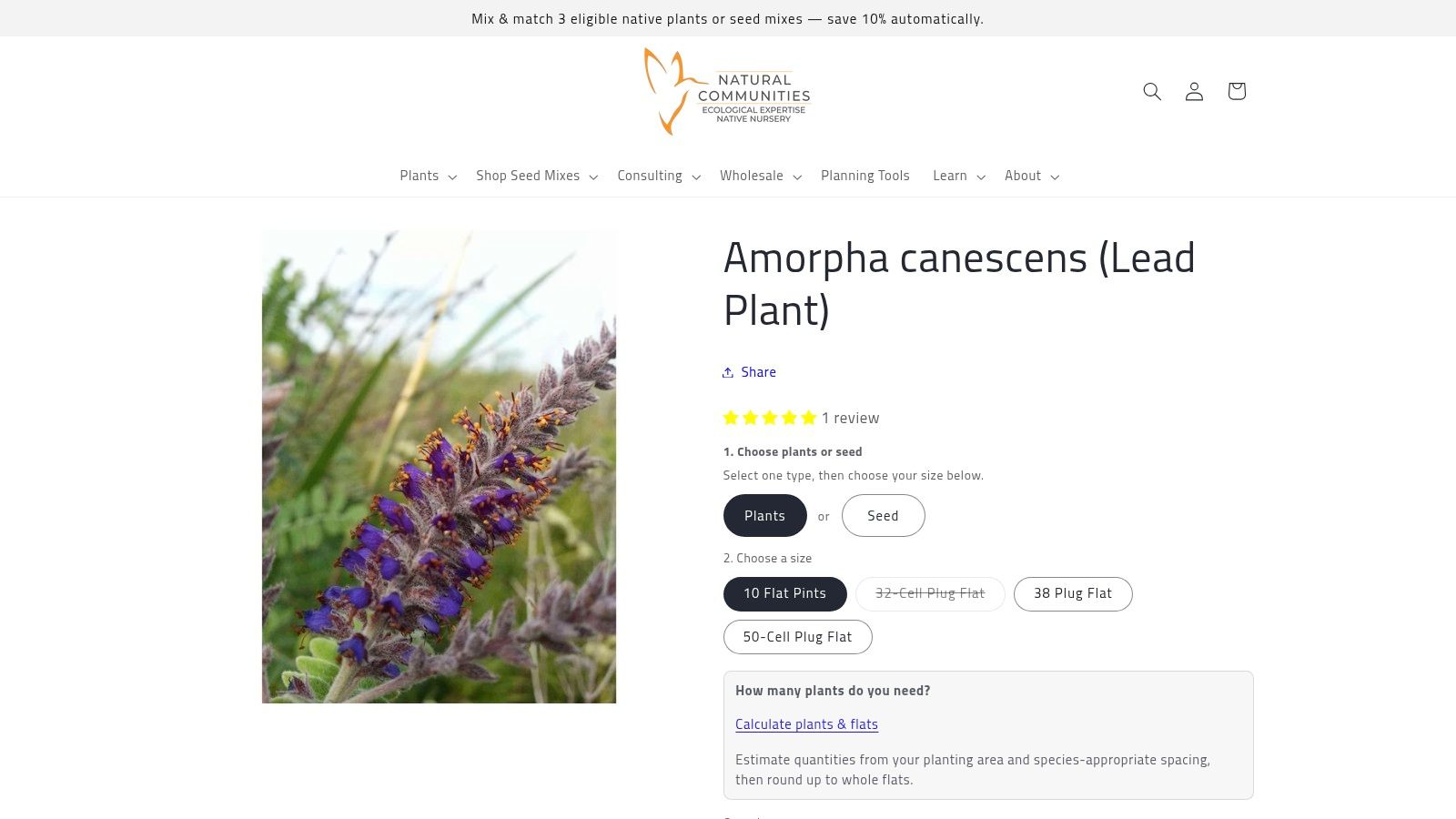
Compacted soil beside a sunny alley can feel like brick by midsummer. Leadplant, Amorpha canescens, prefers that tough prairie assignment. It grows about 1 to 3 feet tall, carries silvery foliage, and sends up purple flower spikes in midsummer. Colorado State University Extension places leadplant among native shrubs under 4 feet at maturity and describes its drought tolerance and poor-soil performance (Colorado native shrubs guide).
The foliage gives you a soft silver contrast against dark mulch or concrete. Bees visit the flowers, including specialist bees. Deep roots help the plant manage dry conditions and hold soil on a sunny berm. Its nitrogen-fixing habit can also improve soil over time.
Leadplant establishes slowly. During the first year, water when the soil dries, then let the plant build its root system. Once established, it needs little irrigation. Full sun matters. In shade, the stems can flop and the plant loses the compact prairie shape that makes it useful in a narrow bed.
Use leadplant at the upper edge of a slope, beside a hot sidewalk, or in a dry community garden bed where volunteers can water it during establishment. The Des Plaines Dolomite Prairies Land and Water Reserve gives Chicago-area volunteers a place to connect native planting with hands-on outdoor care.
Give leadplant time. Its first season may look quiet, while the roots do the work below the soil.
5. Coralberry
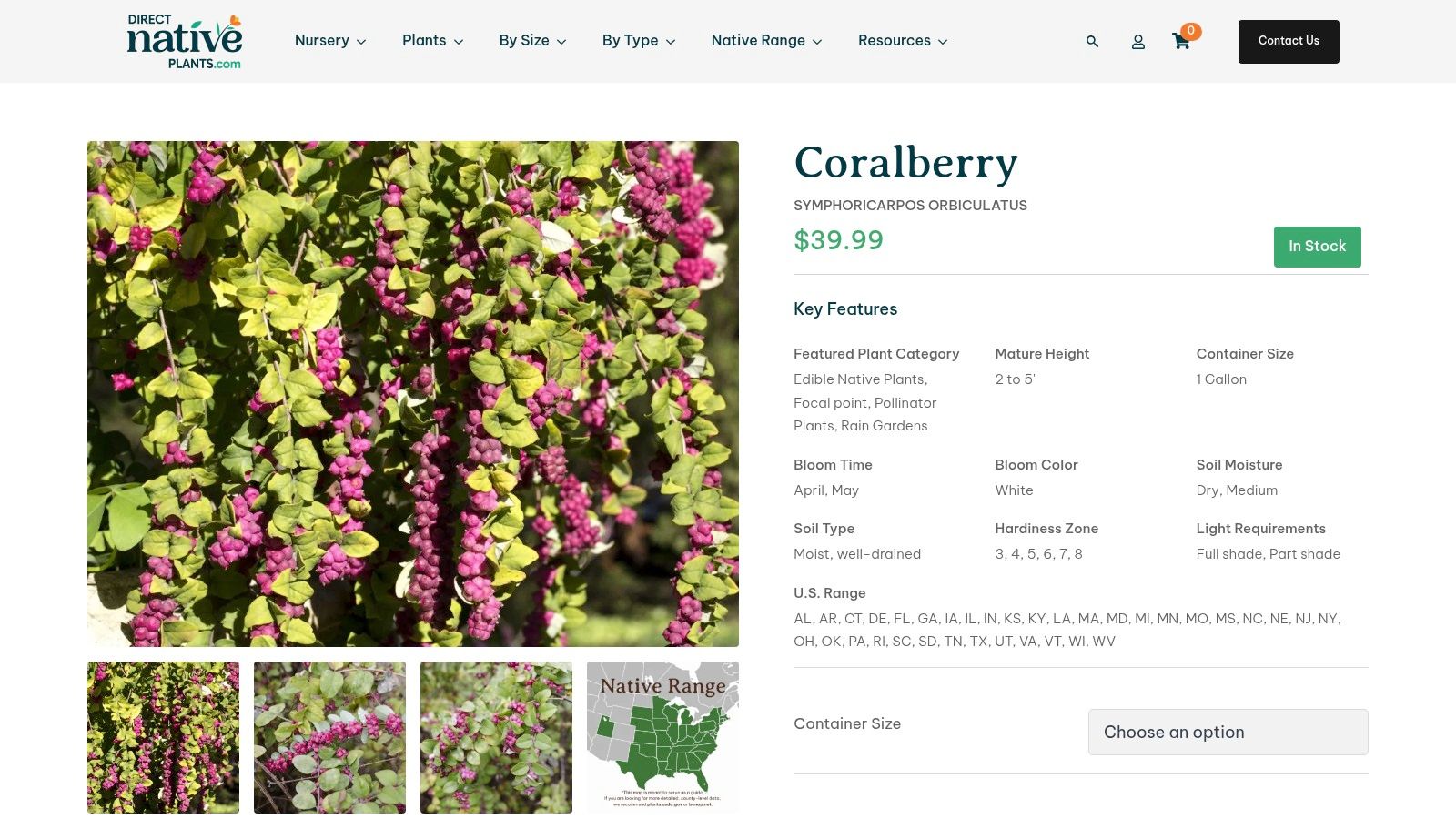
A shaded parkway needs more than a shrub that survives. It needs winter structure, visible fruit, and enough tolerance for compacted urban soil. Coralberry, Symphoricarpos orbiculatus, grows about 2 to 5 feet tall, with arching stems and pink-to-coral berries that can persist into winter (Coralberry from Direct Native Plants).
Birds use the berries, and the branches create cover. In part shade, coralberry can form a modest thicket along a woodland edge or behind a community garden fence. It also tolerates dry urban soil, alkaline conditions, and compacted ground. That combination makes it useful where a delicate woodland plant would struggle.
The same spreading habit that creates cover can move into a path or neighboring bed. Edge it when you need control. Prune with a purpose, removing old or misplaced stems rather than shearing the whole shrub into a hard block. In humid shade, give the plant airflow because anthracnose and leaf spot can develop when branches stay crowded and damp.
- Winter use: Persistent berries give birds food while bare branches provide cover.
- Best placement: Part shade, a woodland edge, or a tough parkway with alkaline soil.
- Maintenance warning: Check suckers and thin crowded growth.
- Human use: Keep sightlines open beside sidewalks, driveways, and entrances.
A community planting needs access as much as habitat. Leave a clear strip for litter pickup, watering, and winter inspection. A Chicago community garden project with Litter Caterpillars can pair coralberry with shared stewardship, provided volunteers can reach the bed without pushing through dense branches.
6. Prairie willow
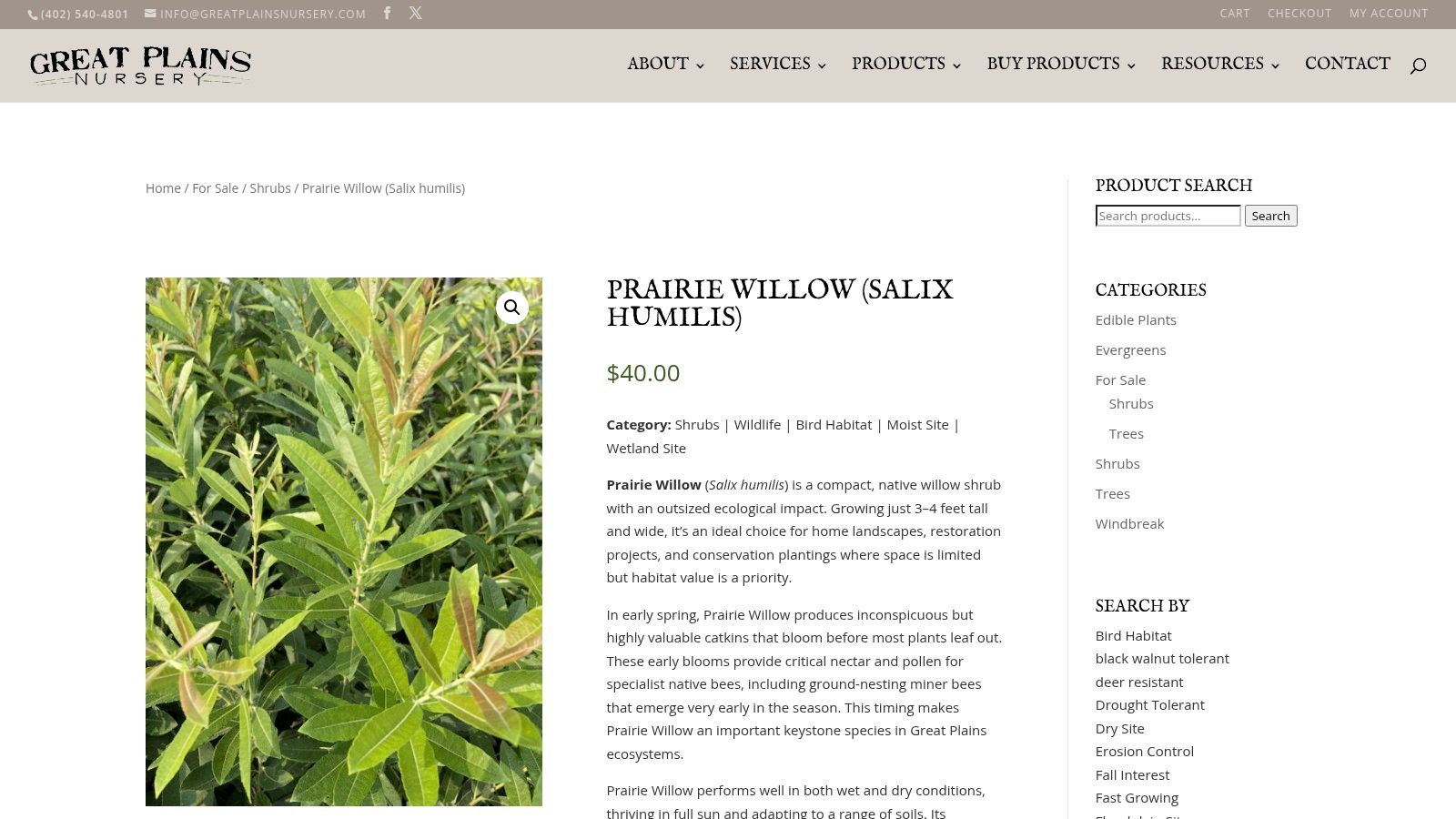
Early spring can leave a garden looking bare while native insects begin moving. Prairie willow, Salix humilis, answers that timing problem with early catkins and a dense twig structure. It usually reaches 3 to 6 feet, though dry sites can keep it smaller (Prairie willow from Great Plains Nursery).
Unlike many willows, this compact native handles drier, poor, sandy, or prairie soil. Full sun gives it the strongest growth. The branches create screening and low wildlife cover without demanding the footprint of a large tree. On a berm or slope, the roots also help hold soil.
Prairie willow establishes quickly and responds well to pruning. That makes it useful when you need a screen that looks intentional, but you should resist placing it directly beside a narrow gate or utility box. Root suckers can spread, so give the plant room or install an edge before the bed fills.
Use prairie willow where early food and dense twigs matter more than a perfectly compact outline.
In late winter and early spring, inspect the stems and shape the plant before new growth accelerates. In summer, let the branches provide cover rather than stripping them into a thin ornament. Pollinators use the early catkins when few other flowers have opened. Birds and small animals can use the twiggy interior later.
I'd plant it at the back of a sunny community bed, along a dry slope, or beside a vacant-lot edge where a little spread won't create a safety problem. Keep entrances, sidewalks, and street corners open. Habitat works better when residents can still see, reach, and care for the planting.
7. Meadowsweet
Where does stormwater collect after a Chicago downpour? A lower rain-garden edge, bioswale, or damp foundation bed suits Meadowsweet, Spiraea alba, better than a dry curb strip. This petite native spirea grows about 2 to 4 feet tall. Upright stems carry fluffy white flower clusters from early through late summer (Meadowsweet from Prairie Moon Nursery).
Its placement works like a sponge's edge. Set it where water lingers after rain, but where the bed can still drain between storms. Choose medium-wet to wet soil, and keep the path side open. In a small yard, its compact form can soften a drainage area without blocking a foundation, walkway, or view.
Bees and other beneficial insects visit the flowers. Meadowsweet offers a cleaner native alternative to nonnative Japanese spirea, with a summer display that keeps a rain garden active after spring blooms fade.
- Wet-site fit: Use it in medium-wet to wet soil, especially at the lower edge of a rain garden or beside a bioswale.
- Summer moment: White flower clusters brighten the bed through much of summer.
- Maintenance warning: Water during dry spells if the root zone loses moisture. Lightly prune to shape the stems, or cut the shrub back when it outgrows its space. It may seed modestly if flower heads remain, so deadhead for a tighter planting.
- Wildlife use: Bees and other beneficial insects visit the flower clusters.
Leave room to check mulch, remove litter, and walk safely. Group Meadowsweet with lower plants, then maintain a clear edge so the wet bed stays useful rather than becoming an inaccessible thicket.
7-Plant Comparison: Small Native Bushes
| Plant | 🔄 Implementation Complexity | ⚡ Resource Requirements | 📊 Expected Outcomes | 💡 Ideal Use Cases | ⭐ Key Advantages |
|---|---|---|---|---|---|
| New Jersey tea (Ceanothus americanus) | Moderate, slow to establish but low maintenance once established | Low, drought-tolerant, thrives in lean soils; avoid overwatering | Pollinator-rich long bloom, slope/berm stability, tidy multi-season structure | Sunny parkways, curb strips, dry small lots | Long bloom/nectar, deer-resistant, butterfly host |
| Northern / dwarf bush honeysuckle (Diervilla lonicera) | Low, easy to establish; suckering may require edging | Low, tolerates sun–part shade and poor soils; minimal care | Durable massing/low hedge, extended pollinator blooms, erosion control | Low hedges, mass plantings, shady/urban tough sites | Very low maintenance, wildlife value |
| Black chokeberry (Aronia melanocarpa) | Low, straightforward; compact cultivars reduce suckering | Moderate, tolerates wet to average soils; low irrigation needs | Multi-season interest: spring flowers, edible berries, bright fall color | Rain gardens, foundations, streetscapes | Versatile, edible berries, strong fall color |
| Leadplant (Amorpha canescens) | Moderate, slow to establish first year; needs full sun | Low, extremely drought-hardy, deep roots, nitrogen-fixer | Long-term drought stability, pollinator attraction, soil improvement | Sunny dry/compacted sites, prairie restorations, slopes | Unique silvery texture, very low irrigation once established |
| Coralberry (Symphoricarpos orbiculatus) | Moderate, suckering habit; may need pruning/edging | Low, tolerates part shade, dry/alkaline urban soils | Persistent winter berries for birds, naturalized thickets, cover | Parkways, woodland edges, naturalized hedges | Winter interest, bird food/cover, urban soil tolerance |
| Prairie willow (Salix humilis) | Moderate, fast to establish; can spread by root suckers | Moderate, tolerates dry prairie soils; responds well to pruning | Early-season catkin forage, dense twig habitat, screening/stabilization | Slopes, berms, small-screening plantings | High wildlife value in small footprint, good for stabilization |
| Meadowsweet (Spiraea alba) | Low, easy to prune; may self-seed if not managed | Moderate, prefers medium-wet to wet soils; may need irrigation in drought | Long bloom, attracts bees/beneficial insects; fits wet edges | Bioswales, rain gardens, wet to medium-wet sites | Native alternative to nonnative spirea; easy to shape |
Build a Small Bed That Works All Year
Start with the site, not the plant tag. Stand in the corner you want to fill and watch it through the day. Does sun reach the soil, or does a tree keep it in shade? Does rain disappear quickly, or does water sit after a storm? Does winter salt splash over the bed? Does a walkway, window, driveway, or utility line limit the shrub's adult spread?
Then match the bush to the problem. Choose New Jersey tea or leadplant for dry sun. Pick bush honeysuckle or coralberry for shade and difficult soil. Use black chokeberry or meadowsweet where moisture stays longer. Try prairie willow where early catkins, twig cover, and quick establishment matter.
Check mature height and width before purchase. A shrub that looks tiny in a nursery pot can eventually crowd a building, block a sightline, or spill across a path. Chicago-area guidance recommends regular supplemental watering during the first three growing seasons, especially during dry weather, so plan a hose route or volunteer watering schedule before planting (Northeastern Illinois planting guidance).
Plant for the adult shrub, then design the care route around it.
Group plants by shared needs. Don't force a dry prairie shrub into a wet bed, or place a moisture-loving bloomer beside a hot curb where the soil dries quickly. A small mix can include one dry-sun shrub, one shade-tolerant berry shrub, and one wet-soil bloomer. That combination gives you seasonal changes without asking one plant to solve every problem.
Use mulch to retain moisture, but keep it away from the stems. Watch for litter pockets beneath dense branches. Leave deliberate sightlines beside paths and entrances. Check the planting after spring growth, summer heat, fall leaf drop, and winter storms. Native doesn't mean maintenance-free. Light, regular care keeps the bed useful for people and wildlife.
Add a few small native bushes this season, then observe who visits. Look for bees on the flowers, birds near the berries, and shelter inside the twig structure. A neighborhood planting becomes easier to sustain when residents can see its seasonal changes and share simple jobs.
Litter Caterpillars organizes volunteer trash pickups across Chicago and brings people together through regular, hands-on neighborhood service. Visit Litter Caterpillars to join a cleanup, meet fellow residents, and help keep shared spaces ready for native bushes and wildlife.