
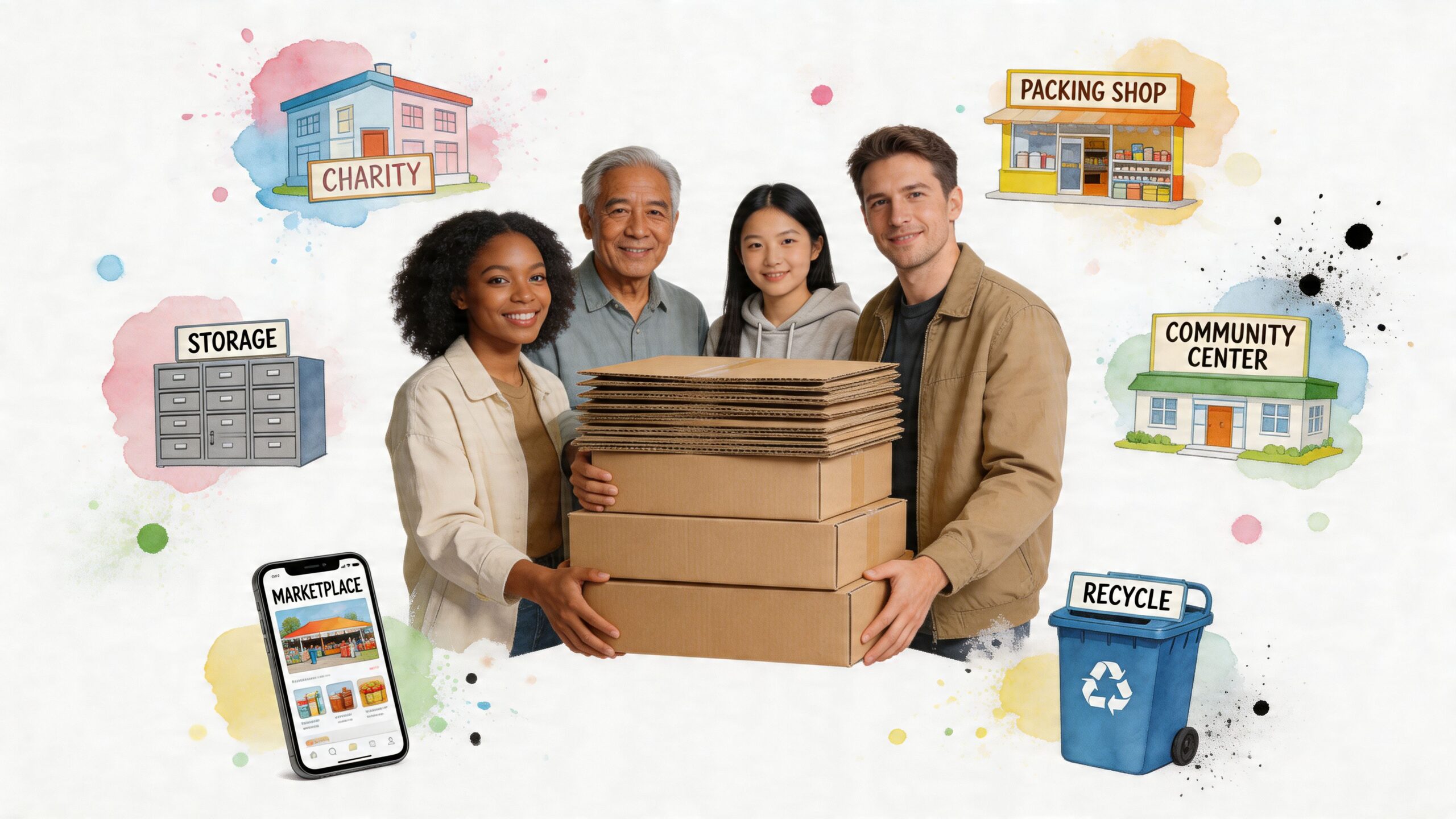
The move is over, but the test now is sitting by the wall in a lopsided stack of cardboard. A neighbor of mine in Chicago once kept hers for so long that her toddler started using the biggest box as a reading chair. Funny for a week. Depressing by month two.
I know that feeling. I started Litter Caterpillars when my own mess felt bigger than my energy, and every pile seemed to say something about who I was. What changed me was not some perfect cleaning routine. It was realizing that giving useful stuff away can break the spell. A box stops being evidence of chaos the minute it helps somebody else pack up a studio apartment, ship donated clothes, or move out of a bad situation.
So here’s the tough-love version. Those boxes are making a decision for you if you let them stay. Act today, and they become useful again. People need boxes, and they keep needing them.
That is the part I love most. Donating cardboard boxes in Chicago is not just a tidy little errand. It is one of those ordinary acts that ties a city together. Your leftovers become someone else’s fresh start. Your post-move clutter becomes a small favor for a student, a family, a reseller, a nonprofit, or a neighbor trying to get through a hard week without buying one more thing.
Chicago gives you plenty of ways to do it, from hyperlocal swap groups to reuse programs that put boxes straight back into circulation. Some options are fast. Some take a little coordination. One gives your box one last useful job before it leaves your life. All of them beat letting that stack slump in the corner while you keep calling it temporary.
1. U-Haul Take a Box, Leave a Box plus U-Haul Exchange
A friend of mine finished a move in Lakeview at 9 p.m., sat on the floor, looked at the wall of empty boxes, and almost left them there for another month. Instead, she tossed the clean ones in her trunk the next morning, stopped at a U-Haul on the way to work, and was done with the whole thing before her coffee got cold. Somebody else picked them up for a move that same week. That is the kind of win I trust.
You do not need a perfect system here. You need a practical one. U-Haul gives you two paths. You can bring reusable boxes to a participating location with a Take a Box, Leave a Box shelf, or post them through the U-Haul website so someone nearby can claim them.
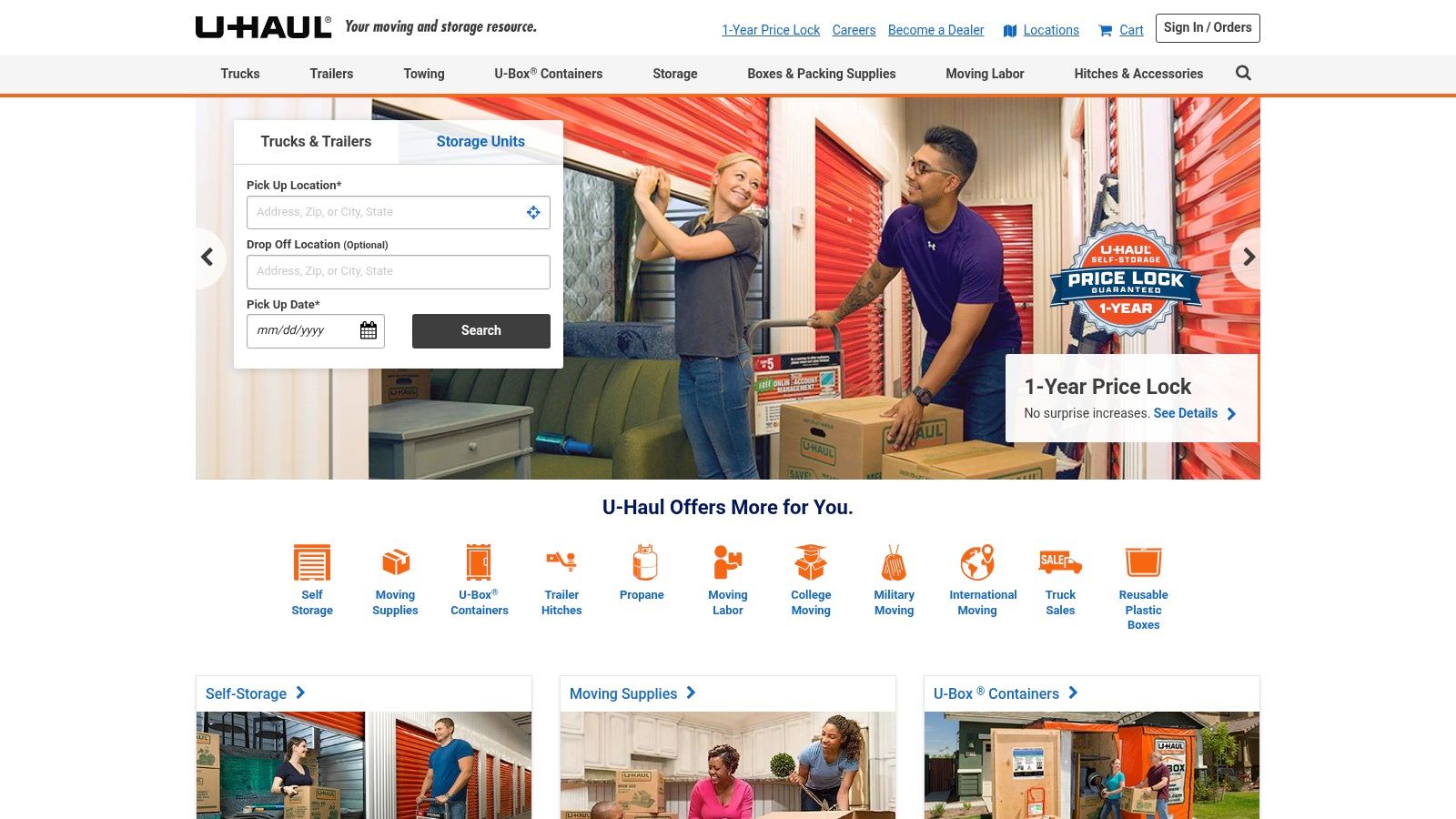
I like this option because it meets you where you usually are after a move. Tired. Busy. A little sick of making choices. Boxes go back to a place where people already need them, and that cuts out a lot of friction.
Why it works when your energy is gone
The best donation habits are the ones you will follow through on. U-Haul works well for that.
A few reasons:
- Simple drop-off: Many locations accept clean, sturdy boxes without turning it into a long back-and-forth.
- Right audience: The people coming through the door are already packing, moving, or hunting for supplies.
- Another option online: If the shelf is full or your nearest store does not participate, the Exchange listing gives your boxes another shot at reuse.
Practical rule: Call before you load the car. Some locations run out of room fast, and a 60-second call can save you a wasted trip.
I have a soft spot for systems like this because they remind me what service often looks like in real life. It is rarely dramatic. It is a useful thing left in the right place at the right time. That same idea sits at the heart of community engagement through repeated small actions. One person clears a corner of their apartment. Another person gets through move-in day without spending extra money. A city gets a little more connected.
Best fit
Choose U-Haul if your boxes are still in good shape, you want them gone fast, and you would rather avoid a flood of messages from strangers.
The tradeoff is consistency. One location may have an active reuse shelf, while another has no space that day. Still, if you want a direct way to donate cardboard boxes to people who will use them soon, U-Haul is one of the strongest first stops in Chicago.
2. The Freecycle Network
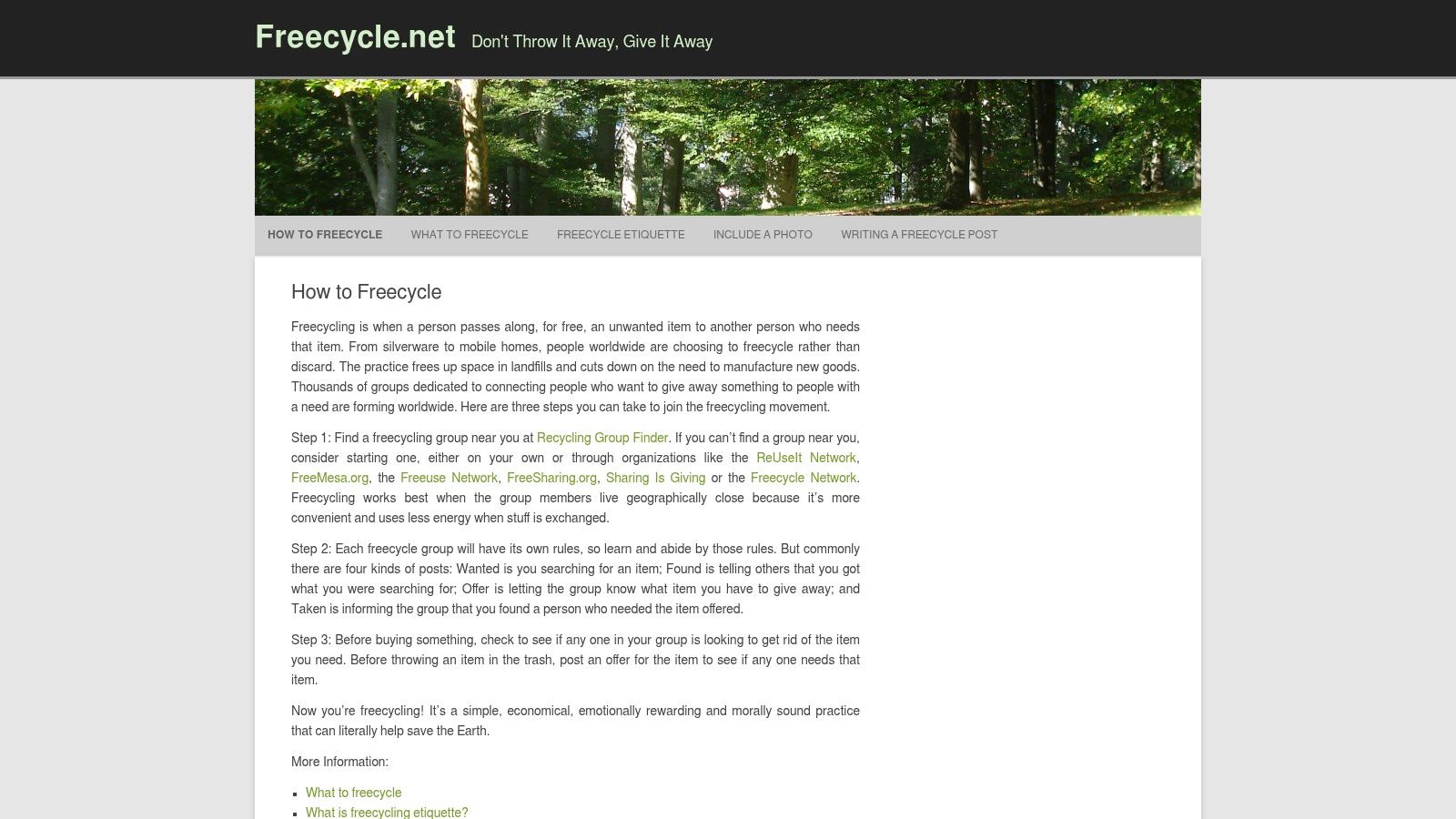
Freecycle feels like a neighborhood corkboard that never got replaced by something worse.
You post an Offer. Somebody nearby says, “I’ll take them.” Your boxes move a few blocks instead of drifting into a vague recycling future. If you care about local reuse, that’s a good feeling, and you can start on the Freecycle website.
When I think about service, I don’t think only about big organized acts. I think about small transfers of effort. You saved someone time, they saved money, and a decent box stayed in use. That’s real community. It’s the same logic behind community engagement that grows through repeated small actions.
The local gift-economy angle
Freecycle is good when you want your boxes to stay close to home. The groups are local and moderated, so the exchange feels more neighborly than random.
What I like most:
- Local reach: Your boxes usually go to someone nearby, which keeps pickup simple.
- Clear intent: People search Freecycle because they want free useful stuff, not because they want to browse.
- Easy porch pickup: You can set a time window and keep the whole thing low-stress.
Put the box sizes and count in the post title if you can. “Small and medium moving boxes, flattened, porch pickup” gets better replies than “free boxes.”
Here’s the honest part. Some neighborhood groups are lively. Some feel half asleep. If your first post doesn’t move, repost it at a better time and use a cleaner photo. Boxes are common, but common things still need a little packaging to leave your house.
Best fit
Choose Freecycle if you like the idea of helping a nearby stranger and you don’t mind coordinating one pickup window.
I’d use it for clean moving boxes, packing paper, and odd extras like wardrobe boxes or bubble wrap. It feels less like disposal and more like passing the baton.
3. Buy Nothing Project App plus Facebook Groups
Buy Nothing is where cardboard stops being cardboard for a second and becomes a human story.
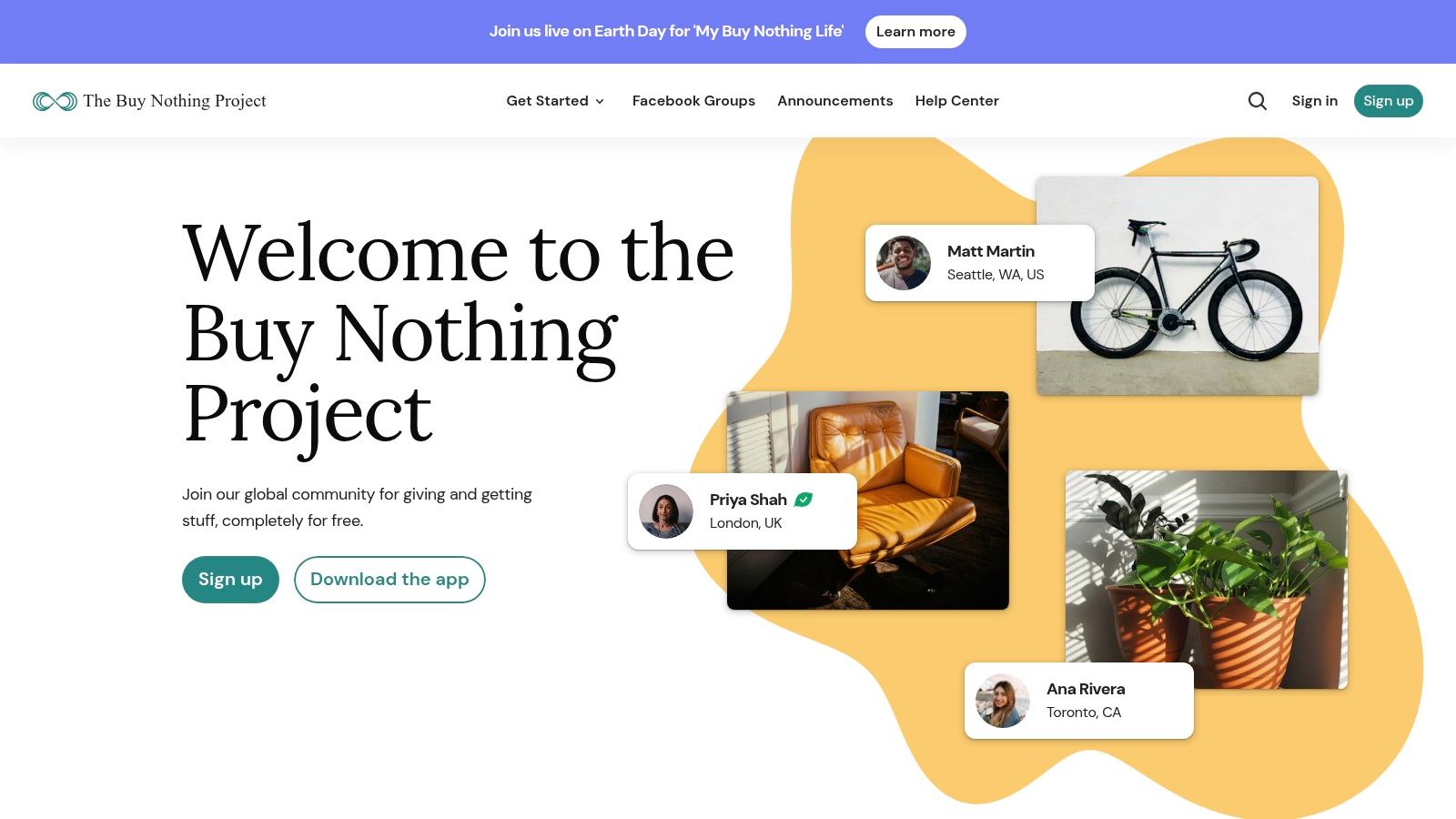
You post a photo of your stack in the Buy Nothing Project, or in your local Buy Nothing Facebook group, and suddenly the person picking it up isn’t abstract anymore. It might be a new tenant around the corner. It might be someone helping a sibling move. It might be a neighbor trying to leave a rough situation and start over without spending extra money.
That’s why I like this one. It has more heart.
Where speed meets connection
In active neighborhoods, boxes can disappear quickly. The app and local groups make photos, comments, and pickup details easy to manage.
This setup has a few strengths:
- Hyperlocal focus: You’re usually dealing with neighbors, not someone across town.
- Fast visibility: Photo posts help people claim boxes quickly.
- Reuse-first culture: People come there to give and receive, not flip everything for cash.
I’ve seen this kind of exchange change the mood of a block. You stop feeling like a stranger in your own building. That matters more than people admit.
“I’ve got moving boxes, clean and flattened, and I’d love them to help someone else.” That kind of post gets better energy than a cold one-liner.
The downside is the same thing that makes it personal. If your neighborhood group is busy, your phone may light up fast. You need a simple pickup rule. First confirmed pickup gets them. Porch pickup only. No holds till next week unless you really mean it.
Best fit
Use Buy Nothing if you want to donate cardboard boxes and feel like you connected directly with your neighborhood instead of just posting into the void.
It’s less transactional than Craigslist and often warmer than a general marketplace. Sometimes that extra bit of humanity is exactly what helps you let go of clutter you’ve been weirdly attached to.
4. Nextdoor Free Finds
Nextdoor is practical in the way a sturdy pair of boots is practical. It isn’t romantic. It just gets you there.
If you already have a neighborhood-based account, the Nextdoor website and its Free Finds section give you a direct line to people close enough for an easy pickup. That distance matters when you’re trying to clear space before your patience runs out.
Good for quick neighborhood handoff
I’d use Nextdoor when I want the boxes gone without inviting the whole city into the process. Posts stay tied to your area, and in-app messaging makes pickup coordination simple.
Why people like it:
- Neighborhood visibility: Your post reaches nearby residents first.
- Free-only browsing: People can search specifically for items that cost nothing.
- Built-in messaging: You can sort out porch pickup details without sharing much.
This one works well for the classic move-aftershock moment. You’ve unpacked enough to function, but your entryway still looks like a warehouse. Nextdoor helps because the person who wants your boxes may be on your block, not across Chicago.
A little caution goes a long way
You still need boundaries. Keep your listing clear. Say whether the boxes are flattened, whether they’re clean, and whether you’ll leave them outside.
Leave pickup instructions only after you confirm a time. That one habit cuts down on confusion.
The weak spot is familiar. Busy feeds bury posts. Some people reply and vanish. That’s not a moral crisis. That’s just the internet being the internet. If someone flakes, move to the next person and keep going.
For people who just moved and want their first useful connection in a new neighborhood, Nextdoor is solid. It’s close, quick, and usually low drama.
5. Craigslist Free Section
A friend of mine in Logan Square once had moving boxes stacked to his ceiling like a second rent payment. He posted one blurry photo on Craigslist, wrote "free boxes, porch pickup," and by dinner the pile was gone. No speeches. No complicated app. Just one Chicago stranger helping another person get ready for a move.
The Craigslist website still does that job well. It is plain, a little rough around the edges, and surprisingly effective when you want to donate cardboard boxes fast.
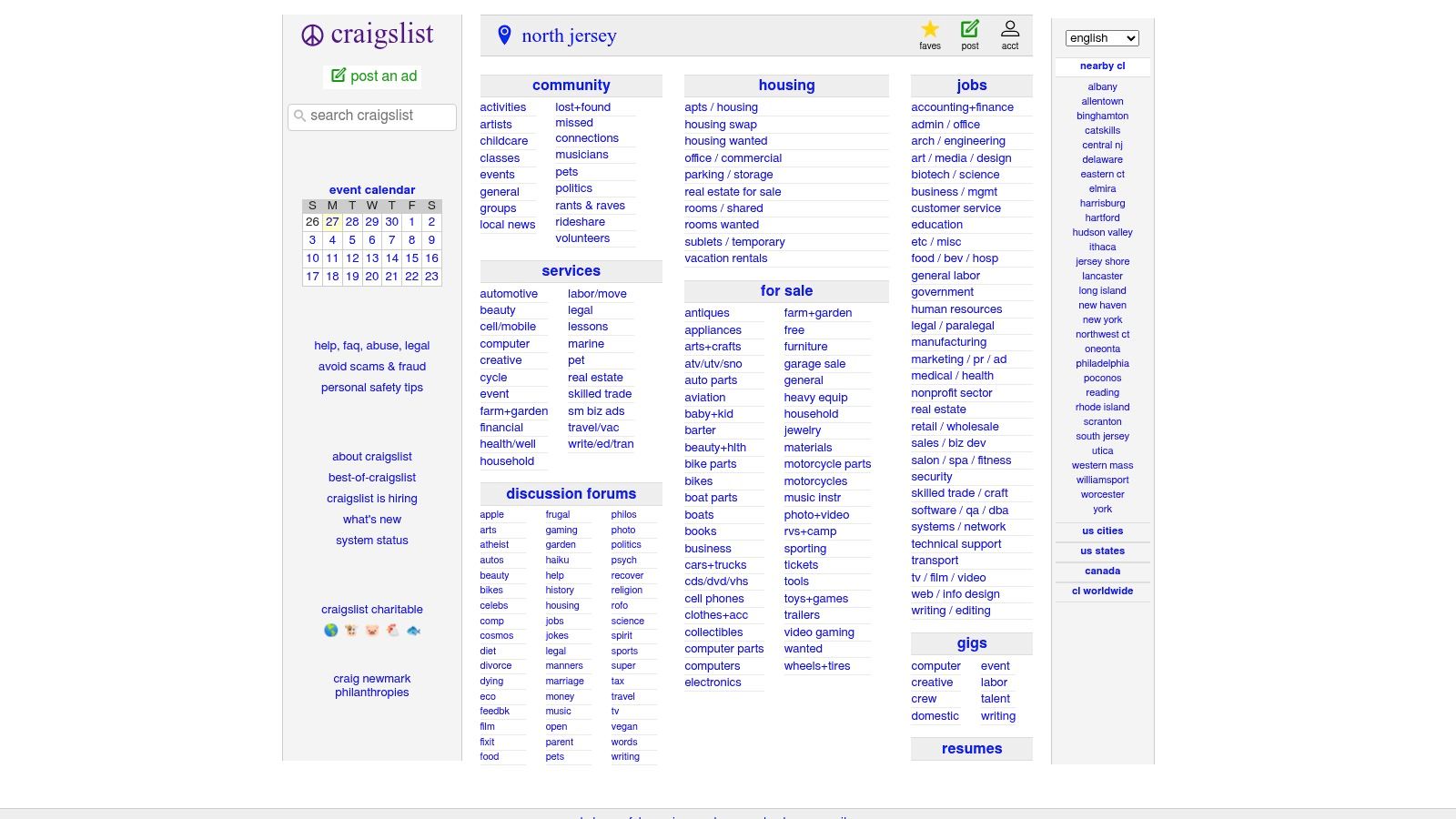
I respect tools that let you act before your motivation fades. Take a clear photo. Write a title that says what you have. Mention your neighborhood. Tell people if the boxes are flattened and whether pickup is from the porch or lobby.
Why this old workhorse still matters
Craigslist reaches beyond your immediate block, which helps when your boxes need to leave today and your own circle has already said no. People still search there for moving supplies because paying for boxes feels painful when free ones are sitting in someone else's hallway.
A useful post usually includes:
- Condition first: Clean, dry, sturdy, flattened if possible
- Box types: Small, medium, large, banker boxes, wardrobe boxes
- Pickup details: Neighborhood in the listing, full address only after you confirm
What I like most about Craigslist is the attitude it encourages. You stop treating the boxes like trash and start treating them like something with one more job to do. That small shift matters. It is part of environmental stewardship in everyday life. A used box can still carry books into a first apartment, winter coats into storage, or pantry items into a community food drive.
Best fit
Use Craigslist when reach matters more than polish. It works well for bigger batches, odd-size boxes, or those moments when you want the stack gone before it starts taking over the room again.
Use normal caution. Keep your public post light on personal details. Choose porch pickup if you can. If one person disappears, post stays up, someone else usually comes along, and the boxes keep moving through the city instead of stopping in your apartment.
6. Give Back Box
Give Back Box is different, and that’s why I wanted it here.
You’re not handing off empty boxes to another mover. You’re giving those boxes one last assignment. You fill them with clothes or household goods you don’t need, follow the instructions on the Give Back Box website, and send them on to charity partners using an available label option.
I love this because it turns one annoying pile into two solved problems. The box leaves, and extra stuff leaves with it.
Your box gets a final mission
This route makes sense when your move revealed more than cardboard. Maybe you also found kitchen tools you never use, shirts you don’t wear, or decor that never really belonged in your life.
That’s where Give Back Box helps:
- Home-based process: You can act without setting up a stranger meetup.
- Charitable direction: The used box becomes a container for donated goods.
- Clear guidelines: The platform explains what items are acceptable.
There’s a mindset shift here that matters to me. Environmental stewardship isn’t only about picking up litter or sorting recycling correctly. It’s also about using what you already have to move useful things to useful places.
If the box is clean and sturdy, ask yourself one more question before recycling it. “Can this carry help?”
The limitation is obvious. This option is less about donating empty moving boxes to the next mover. It’s about repurposing your used boxes into shipping containers for other donated items. Also, some label options may involve a fee depending on the partner setup, so check before you commit.
Best fit
Choose Give Back Box if your apartment cleanout turned into a bigger honesty session. If you’re already donating clothes or household goods, your cardboard can help finish the job.
7. EcoShip Chicago
A friend in Avondale once stacked moving boxes in her hallway for three weeks, telling herself she would deal with them later. Then she found EcoShip Chicago, loaded the clean ones into her car, and dropped them off on a rainy Saturday. What changed was small on paper. A pile disappeared. What changed in her head was bigger. She stopped treating leftover materials like dead weight and started treating them like supplies someone else could still use.
EcoShip Chicago works for that kind of handoff. They collect clean, reusable shipping materials and keep them in circulation around the city, including boxes that still have solid corners and good seams. In a place like Chicago, where packages, moves, side hustles, and small businesses all churn through cardboard, a local reuse hub makes practical sense.
A local route with standards
Groups that know the difference between help and dumping save everyone time.
EcoShip has collection points around the city and a headquarters drop-off in Avondale. They screen for condition, size, and whether a box is usable again. That matters. If you show up with soggy, greasy, half-collapsed cardboard, you are not donating. You are passing your cleanup job to someone else.
Here’s the quick gut check before you go:
- Clean only: No food stains, water damage, or smoke smell.
- Still sturdy: Good seams, intact flaps, no crushed corners.
- Worth reusing: Bring boxes you would hand to a neighbor who runs an online shop.
That last point is the primary standard I come back to. If a box would embarrass you in a direct handoff, it does not belong in a reuse stream.
I like EcoShip because it keeps the act local. Your boxes do not just vanish into a vague system. They stay in Chicago, where another resident, seller, or organization can put them back to work. That is the part people miss when they rush to clear clutter. Giving something away well builds a habit. You get better at sorting what is useful, better at respecting other people’s time, and better at seeing waste as a chance to serve.
If your boxes are too worn for reuse, send them to recycling instead of forcing a bad donation. For a local look at that route, this guide to Mid America Paper Recycling Co. in Chicago helps explain what happens next.
Best fit
Use EcoShip Chicago if you want your boxes to stay in a neighborhood reuse loop and you do not mind following clear rules.
The tradeoff is simple. This only works for Chicago-area drop-offs, and their details can change, so check before you head out. But if your boxes are clean and sturdy, EcoShip is one of the strongest local options for donating cardboard boxes without turning your good intention into somebody else’s burden.
Cardboard Box Donation: 7-Option Comparison
| Option | 🔄 Complexity | ⚡ Resources required | ⭐📊 Expected outcomes | 💡 Ideal use cases | Key advantages |
|---|---|---|---|---|---|
| U-Haul “Take a Box, Leave a Box” + U-Haul Exchange | Low, walk-in drop-off + simple listing | Minimal, drive to location or post online | ⭐⭐⭐, high chance boxes are picked up by movers/local users | Donors near U-Haul centers or during moving season | Built-in audience for moving boxes; combines physical and online channels |
| The Freecycle Network | Low, post and coordinate pickup | Minimal, create offer, arrange pickup | ⭐⭐, good local reuse; activity varies by neighborhood | Keeping materials local; neighborhoods with active groups | Nonprofit, locally moderated groups; keeps items in neighborhood loops |
| Buy Nothing Project (App + Facebook Groups) | Low, app or group posting; quick replies | Minimal, smartphone + photos; manage notifications | ⭐⭐⭐⭐, very fast pickups in active communities | Hyperlocal gifting and community-building; urgent pickups | Extremely fast claims in active areas; builds neighbor connections |
| Nextdoor “Free Finds” | Low, account + post in neighborhood feed | Minimal, Nextdoor account; in-app coordination | ⭐⭐⭐, strong neighborhood visibility and quick responses | Neighborhood-specific offers where users are verified | Verified neighborhood members; integrated messaging for coordination |
| Craigslist “Free” Section | Low, create listing with photos | Minimal, post online; arrange safe meetup | ⭐⭐⭐, wide reach; often same-day pickups but variable trust | Quick clearance when you want many potential takers | Very large local audience; simple, no-frills process |
| Give Back Box | Medium, pack donations and print/mail label | Moderate, fill box, label, possible fee, postal drop-off | ⭐⭐, repurposes boxes into charitable shipments (not empty-box reuse) | Donors who want to donate goods and reuse boxes as mailers | Convenient home-based option; supports charities and reduces waste |
| EcoShip Chicago | Medium, meet cleanliness/size standards; drop-off | Low–Moderate, transport to drop-off point; follow guidelines | ⭐⭐⭐⭐, high likelihood of true reuse; supports local small biz | Chicago residents wanting mission-aligned, circular reuse | Local nonprofit pipeline; ensures boxes are reused (not downcycled) |
From Clutter to Connection
The last time I moved in Chicago, I left a tower of flattened boxes by the radiator for nine days.
Every morning I stepped around them like they were part of the apartment now. The move was done, the lease was signed, the bed was built, and still those boxes kept whispering the same thing. You are not finished. It had nothing to do with cardboard. It had everything to do with whether I was going to close the loop on a hard season or keep living in the mess of it.
That is why this matters more than it should.
Useful boxes carry a choice. You can let them sag in a corner until they turn into clutter, or you can send them back into the city to help the next person pack a studio in Rogers Park, ship donations, stock a small business, or survive a move they did not fully budget for. In a place like Chicago, that second life is not abstract. It looks like a porch pickup before sunset. It looks like a neighbor replying in five minutes. It looks like a reuse nonprofit stacking clean boxes for somebody who needs them tomorrow.
I learned this the hard way. Letting go of things was never about the lifting for me. It was about the stories attached to every object, the little excuses that made me wait another day. Giving away something useful broke that habit. It taught me I could finish a task, even when it felt boring, emotional, or weirdly heavy for such a small job.
That lesson sticks.
As noted earlier, cardboard is one of the rare materials with a strong reuse and recovery story when people take the time to pass it along. You're moving a valuable resource in the right direction. That sounds small until you realize how many acts of community care work exactly like this. One person decides not to waste what could still help someone else.
So be honest about your pile. Save the sturdy boxes you will use soon. Recycle the ripped, damp, or food-stained ones. Give the clean ones to U-Haul, Freecycle, Buy Nothing, Nextdoor, Craigslist, Give Back Box, or EcoShip Chicago, based on what you can handle today. Pick the option that matches your real energy, not the imaginary version of you who has a free afternoon and perfect follow-through.
Your boxes need a next use.
And you need proof that you can turn leftovers into service.
If that kind of gritty, ordinary generosity means something to you, come meet Litter Caterpillars. We are a Chicago volunteer group that picks up trash, makes friends, and builds courage one weekend morning at a time. Giving away boxes is a quiet start. Cleaning a block with other people who care takes that same instinct and makes it visible.