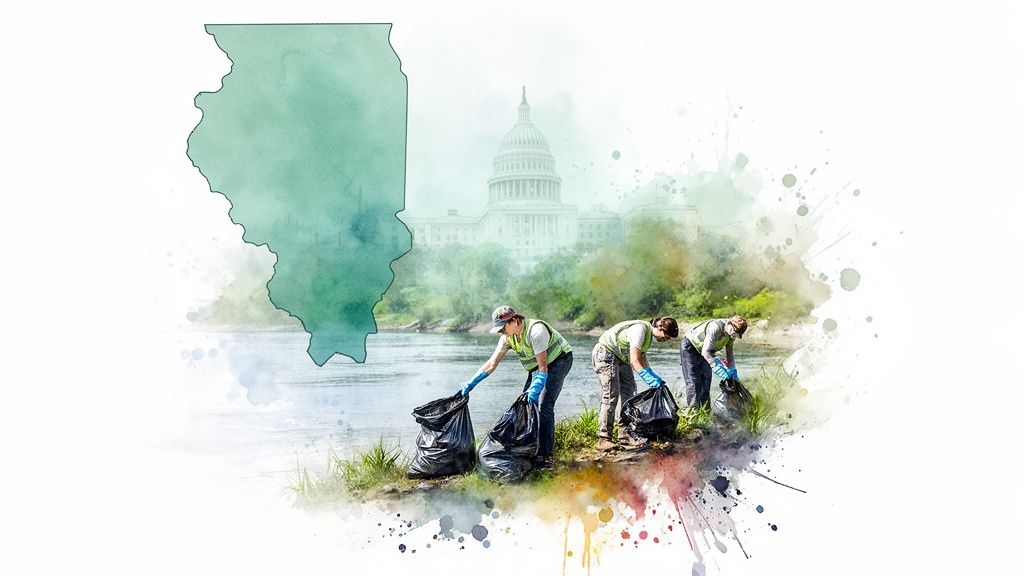
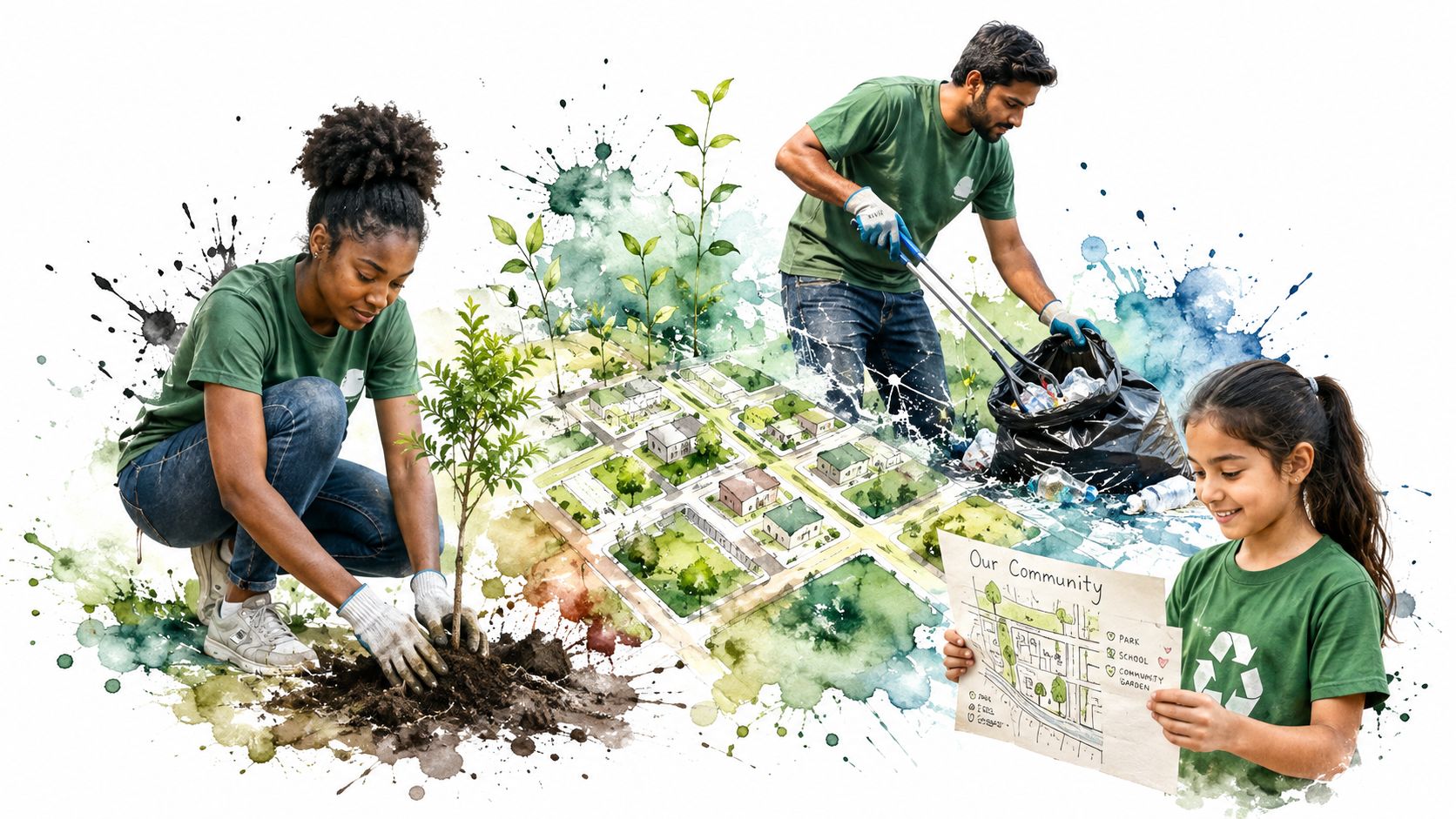
We were knee-deep in slush on a Chicago block when a stranger rolled down a window and asked why we bothered. I pointed at the curb, the alley, the torn bags snagged in a fence, and said, “Because nobody else showed up for this street.” A few minutes later, that same stranger came back with gloves.
What Environmental Justice Initiatives Are
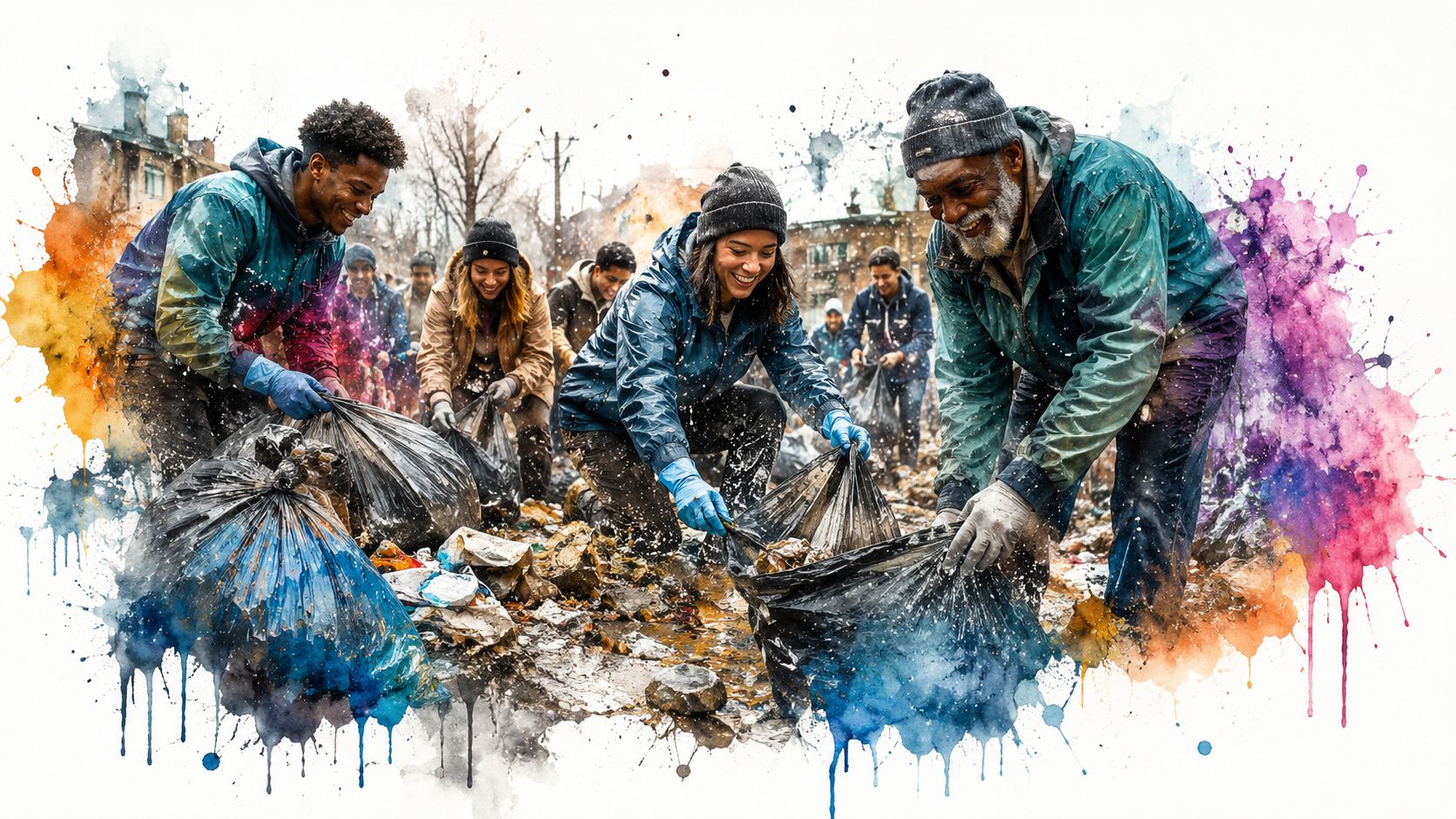
I still remember standing in a hailstorm with three other people, bent over a sidewalk full of wet wrappers and broken glass. The neighborhood had been written off by people who never walked it, and the mess told the same story. We kept picking up trash anyway, because environmental justice initiatives begin when regular people decide that neglect is not normal.
What I mean when I say environmental justice
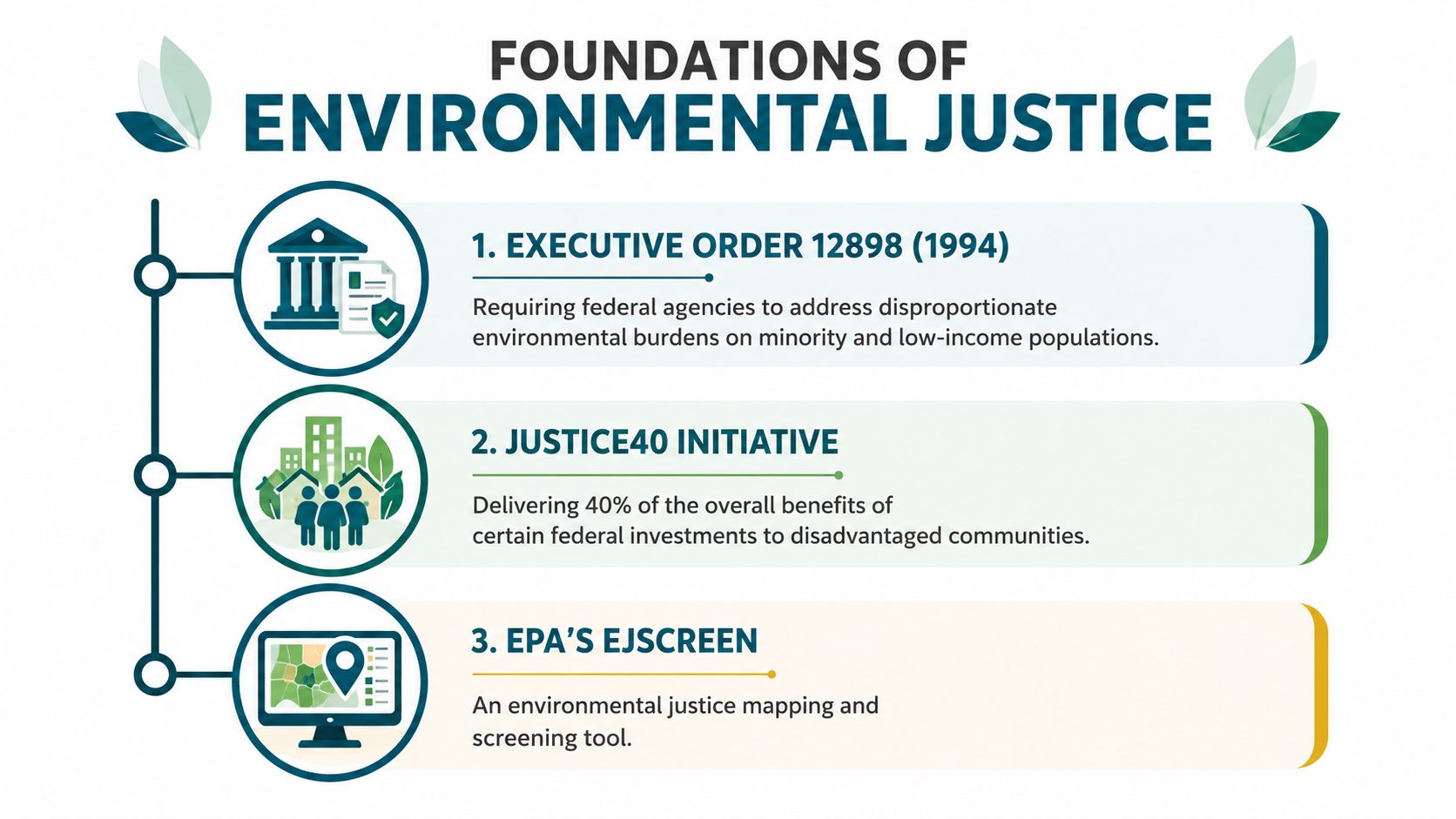
Environmental justice means the people breathing the dirtiest air, living near toxic sites, or carrying the heaviest public health burdens should not bear that load alone. The policy roots go back to Executive Order 12898, signed in 1994 by President Bill Clinton, which directed federal agencies to identify and address disproportionate environmental and health burdens on minority and low-income communities (PMC environmental justice factsheet).
That is different from general environmentalism, which often starts with nature in the abstract. I love trees and rivers too, but a tree-planting event in a wealthy suburb does not solve the same problem as a cleanup crew working in a food desert where trash piles up because no one has invested there in years. One protects scenery. The other tries to make daily life safer and more livable.
Practical rule: If a project does not ask who carries the burden, where the burden sits, and who gets left out, it is not doing environmental justice work.
The pattern is hard to ignore. People of color are 42% of the U.S. population, yet they account for 57% of residents in counties with unhealthy air pollution and 53% of residents in counties with the worst air quality (University of Michigan factsheet via PMC). In 2010, 45% of people living within 2 miles of toxic waste facilities were people of color, compared with 28% farther away. That is geography, infrastructure, and power stacking up in the same places.
The Legal and Policy Framework Behind Environmental Justice
A cleanup crew can spend a Saturday clearing bottles, tires, and broken furniture from a vacant lot, then go home and still see the same block overloaded with pollution risks the next morning. That gap between volunteer effort and lasting change is why the policy side matters so much. Federal environmental justice rules now try to turn community harm into something agencies have to measure, document, and answer for, not just acknowledge.
The clearest example is Justice40, which directs federal agencies to deliver 40% of the overall benefits from certain climate, clean energy, affordable housing, clean water, and related investments to underserved communities (White House fact sheet). That target matters because agencies now have to track who benefits, where those benefits land, and whether the people living with the burden see relief. The promise sounds clean on paper. The hard part is making it work in a place where volunteers are hauling trash bags in the rain and still waiting for a grant call back.
How policy turns into a local map
The policy shift shows up in census-tract-scale screening and cumulative-impact analysis. EPA guidance says agencies should look at demographic and socioeconomic data, pollution-source location, and historical, current, and projected emissions or concentrations together, because a single-pollutant check misses the full burden (EPA EJ technical guidance). That is why geocoded facility data and tract-level demographic layers matter. They let a neighborhood organizer stand at a block club meeting and show why the same streets keep getting hit from more than one direction.
The public-facing tools matter too. The CDC/ATSDR Environmental Justice Index uses multiple indicators and community-level data, including EPA Facility Registry Service records and mine datasets. For a volunteer crew that has spent months picking up the same litter hotspot, a map like that can turn lived experience into something agencies are supposed to take seriously.
EPA's enforcement and funding reports show how the machinery works once those complaints reach the federal level. In one progress report, EPA said it concluded 531 enforcement cases covering 562 facilities in areas with potential environmental justice concerns, and those cases were estimated to reduce pollution by 37.3 million pounds (EPA progress report). The same report also noted $3.0 billion for EPA Climate and Environmental Justice grants in 2022 under the Inflation Reduction Act, along with $108.0 million for EPA environmental justice activities in the Consolidated Appropriations Act, 2023. Those numbers show that federal attention exists, even if local groups still have to fight to reach it.
For groups trying to document cleanup work in the same plain, accountable way, data center e-waste compliance 2026 is a useful example of how reporting can support oversight. A small team that keeps records on what it removed, where it worked, and how waste was handled has a much stronger story when it asks for support.
Local advocates also need people who can translate policy into pressure. The Illinois Environmental Council helps community groups think beyond one-off events and into permit comments, policy language, and sustained public pressure. That kind of support matters because the gap is not only about knowing the rules, it is about having someone who can use them without losing the neighborhood voice that brought the issue forward.
Why Federal Funding Does Not Always Reach Grassroots Groups
I've stood in parking lots with volunteers whose hands were raw from trash bags and winter wind, and I've watched those same people get edged out by grant systems built for staff-heavy organizations. Justice40 spans 500 programs across 19 federal agencies, yet the groups closest to polluted lots, illegal dumping, and broken sidewalks still run into barriers when they try to access support (GAO). The problem is not a lack of need. It is that small crews doing the work on the ground often have to compete with applicants that can hire grant writers, manage compliance, and package their work in polished language.
Who is eligible to apply
Federal programs often reward paperwork skill as much as fieldwork. A block club, a tribe, or a neighborhood cleanup team may understand the problem better than anyone on paper, but if no one on the team has time to assemble a grant packet, the money usually goes to a better-resourced applicant. If you need a plain-English place to start, the community grant funding guide can help you sort out the basics before you spend a week chasing forms.
Small groups often lose not because they lack need, but because they lack time.
I tell groups to treat grant access like its own cleanup route. Keep one file with your mission, photos, event logs, volunteer counts, and cleanup locations, then update it every time you show up. When a funding window opens, that folder becomes the difference between scrambling and submitting something that proves your work exists.
The other part nobody likes to say out loud is displacement. EPA says brownfield reuse should include strategies to prevent or minimize displacement, ensure affordable housing, and create living-wage jobs (EPA brownfields environmental justice page). I've seen an empty lot get cleaned, then watched speculators circle before longtime residents had any protection. The grass looks better, and then the rent notice arrives.
Federal money has to do more than reach a city office. Grassroots groups need patient funding, local ownership, and rules that keep benefits in place after the ribbon-cutting. A cleanup that makes a street more desirable, then pushes out the people who kept that block together, is not a full win. The work has to stay with the neighborhood.
Community-Led Initiatives That Create Real Change
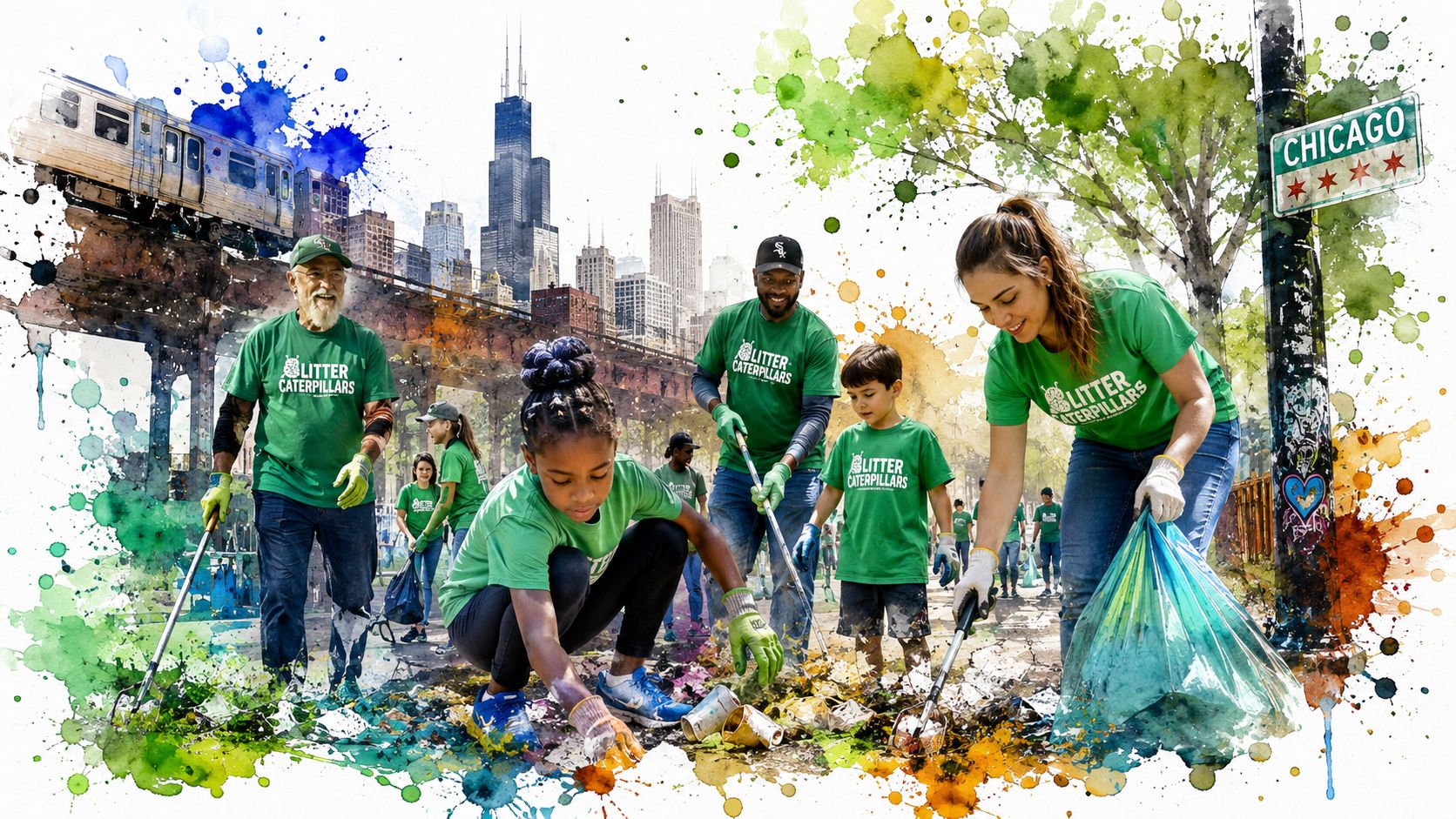
I keep coming back to the same winter cleanup in Chicago. People showed up in heavy coats, boots slushy from the curb, and gloves stiff in the cold, but they kept working because the block needed it. That is the kind of environmental justice work that changes a neighborhood from the ground up, and it is why groups like the Litter Caterpillars matter when they post up in bad weather, keep returning, and build trust one pickup at a time. Their Green City Project follows that same spirit, turning repeated cleanup days into something residents can recognize and use.
What happens when neighbors act first
I have seen a crew clean a highway shoulder during a bike-event shutdown, and the scene said more than any flyer could. Cars slowed. People noticed the bags, the gloves, the work boots, the sweat. The mess stopped feeling hidden, and the neighbors doing the work stopped feeling like they were asking permission to care about their own streets.
Caterpillar Park in Englewood shows the same lesson in another form. A group won an empty lot at auction and turned it into a place people could gather, rest, and return to. That kind of project moves cleanup beyond a one-time sweep and into place-making, where the block gains something lasting instead of just looking better for a day.
Local lesson: A cleanup is stronger when it gives people a reason to come back.
Identity matters more than people admit. A flag, a theme song, or a badge can sound small from the outside, but on the ground it gives volunteers a shared point of pride. I have watched someone come out for one litter pickup, then return the next week because the group felt familiar, steady, and worth belonging to. That feeling keeps a crew together after the first rush wears off.
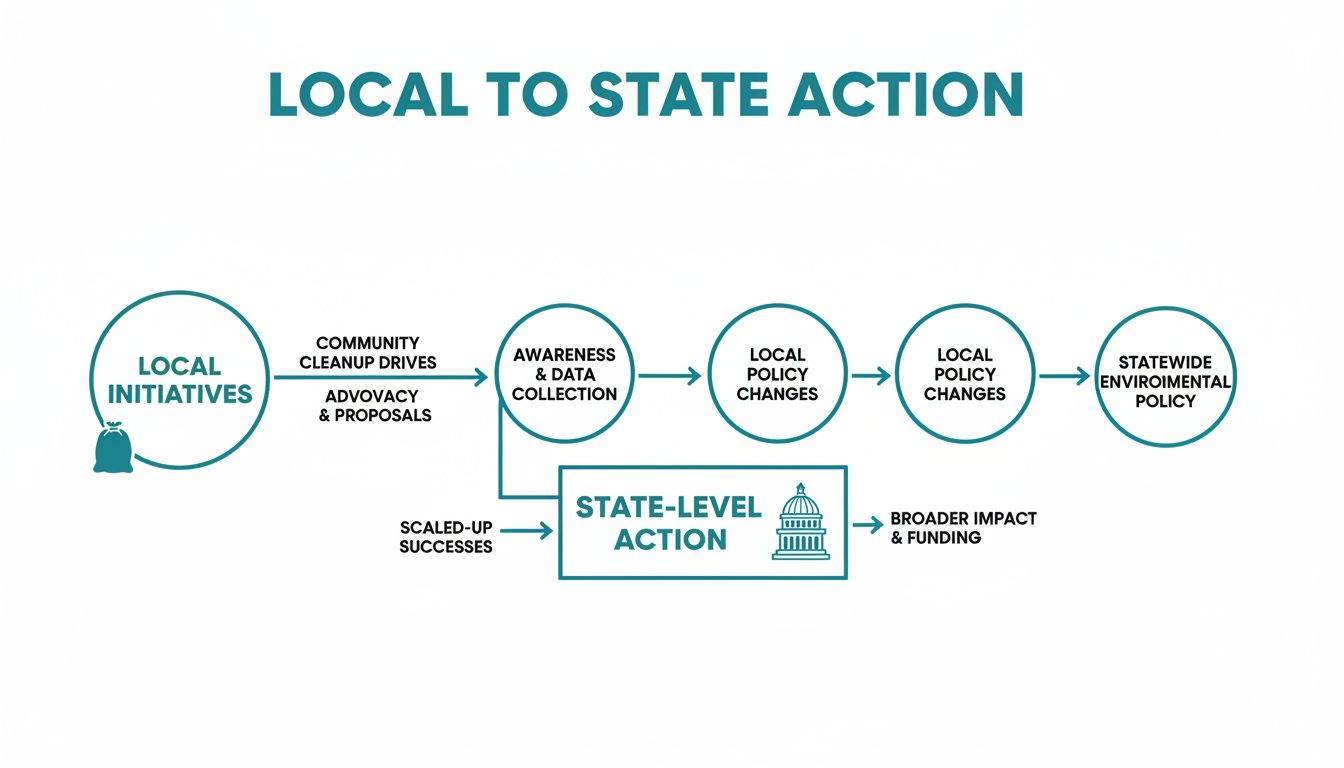
The work still has to stay grounded. Trash pickup, land reclamation, and policy pressure all matter, and the groups that last are the ones that keep all three in view. A street sweep tells residents the block is worth maintaining. A park project makes that care visible. A campaign pushes the city to fund what the neighborhood needs next.
How to Start or Join Environmental Justice Work in Your Neighborhood
I still remember the first time I joined a cleanup where the rain never let up. A few of us were picking up bottles along a curb line while neighbors came out with coffee, asked questions, and pointed to the spots where trash always gathered. That kind of morning teaches you fast. Environmental justice work starts with people already carrying the load, not with a polished announcement.
Start with the crews already on the block. Look for block clubs, cleanup teams, church groups, school volunteers, and local advocates who keep showing up even when no one is filming. Go once before you try to lead. One visit tells you more than a month of scrolling posts.
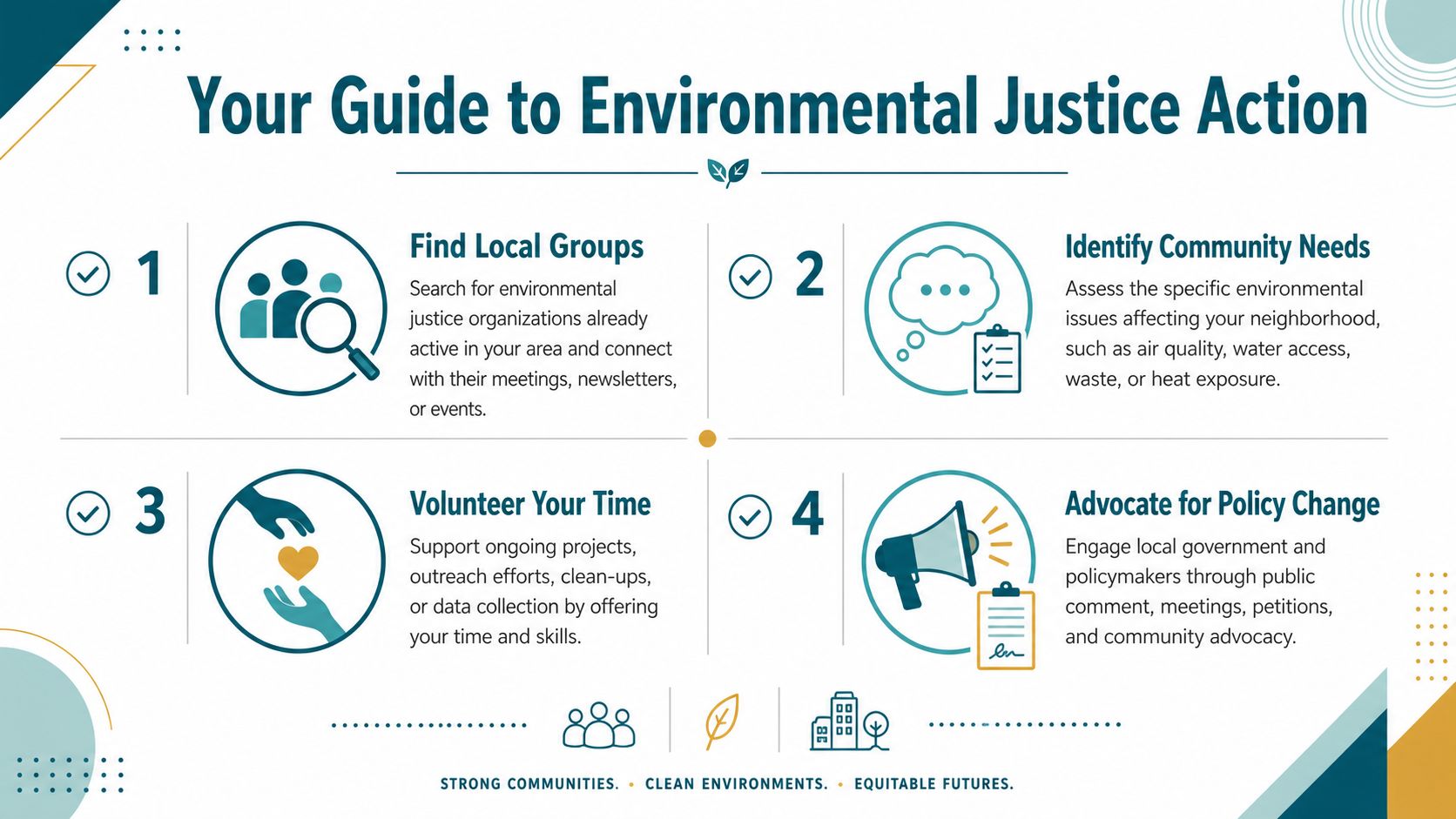
Four effective steps
-
Find local groups. Look for crews already cleaning, planting, lobbying, or organizing in your area. If they meet on weekend mornings and keep the atmosphere welcoming, they probably know how to bring volunteers back.
-
Identify community needs. Walk the block, talk to residents, and compare what you hear with tract-level screening results. The census-tract approach in EPA guidance helps people decide where litter pickup, park repair, or outreach should go first.
-
Volunteer your time. Bring gloves, bags, water, and a steady attitude. Litter Caterpillars is one example of a group that builds around weekend mornings, keeps pressure off donors, and centers safe, steady participation.
-
Advocate for policy change. Show up at meetings, write comments, and ask who benefits from cleanup dollars. If a project says it serves everyone, ask how it counts the people who live closest to the harm.
The schedule matters more than a lot of people admit. Weekend mornings tend to draw people who want to give before errands, family obligations, or noise take over the day. I protect volunteer energy the same way I protect a fresh water cooler on a hot block. Safety first. Happiness second. Shame never.
If you are starting something new, keep the setup simple. Use Meetup to find or post events, Instagram to share real before-and-after photos, and group chats to make the first visit less awkward. Build the crew first, then let the name grow out of the work.
The Personal Transformation That Comes From Showing Up
The odd thing about service work is that it cleans you while you clean the street. When you stand outside in bad weather with people who chose to be there, you learn who shows up when comfort disappears. You also learn that cleaning someone else's mess is often easier than facing your own habits, excuses, and clutter.
The first time I felt that, I was freezing, tired, and weirdly alive. The hail hit hard, the bags got heavy, and the block still needed us. I left with a sore back and a clearer head, and I've seen that happen to other volunteers too.
What steady service changes in people
It makes you braver because you stop waiting for perfect conditions. It makes you kinder because you keep meeting people where they are, not where you wish they were. It makes you more resilient because you've already worked through cold mornings, awkward silences, and the feeling that nobody will notice.
Show up enough times, and the city starts feeling less like a place that happens to you and more like a place you help hold together.
That's why I care so much about volunteer-first structure. If people leave feeling drained, embarrassed, or used, they won't come back. If they leave with a cleaner block, a new friend, and a little more trust in themselves, they probably will.
Environmental justice work does not end when the trash bags fill up. It keeps going in the habits people build, the pride they carry, and the way they start treating their own homes and neighbors. That's the quiet payoff nobody can put in a spreadsheet.
If you want to do this work with people who show up rain or shine, Litter Caterpillars runs weekly Chicago cleanups, builds friendships through service, and keeps the focus on volunteer safety and happiness. Come grab gloves, meet the crew, and put your energy into a block that needs it.