I once stared at a jar of blueberry jam in the back of my fridge and felt defeated. It was old, sticky, useless, and somehow heavier than a barbell.
That’s how I started thinking about gifts for environmentalists. Not as cute green products. As a fight against the dead weight we keep dragging through our homes, our habits, and our holidays.
My Life Was a Mess Then I Started Picking Up Trash
My apartment used to look like my mind.
There were bags of forgotten snacks from abandoned health kicks. Random cables. Empty boxes I swore I’d reuse. Old containers with sentimental stories attached to them, like objects had emotional blackmail power over me.
The strangest part was this. None of it was physically hard to throw away.
Emotionally, it felt impossible.
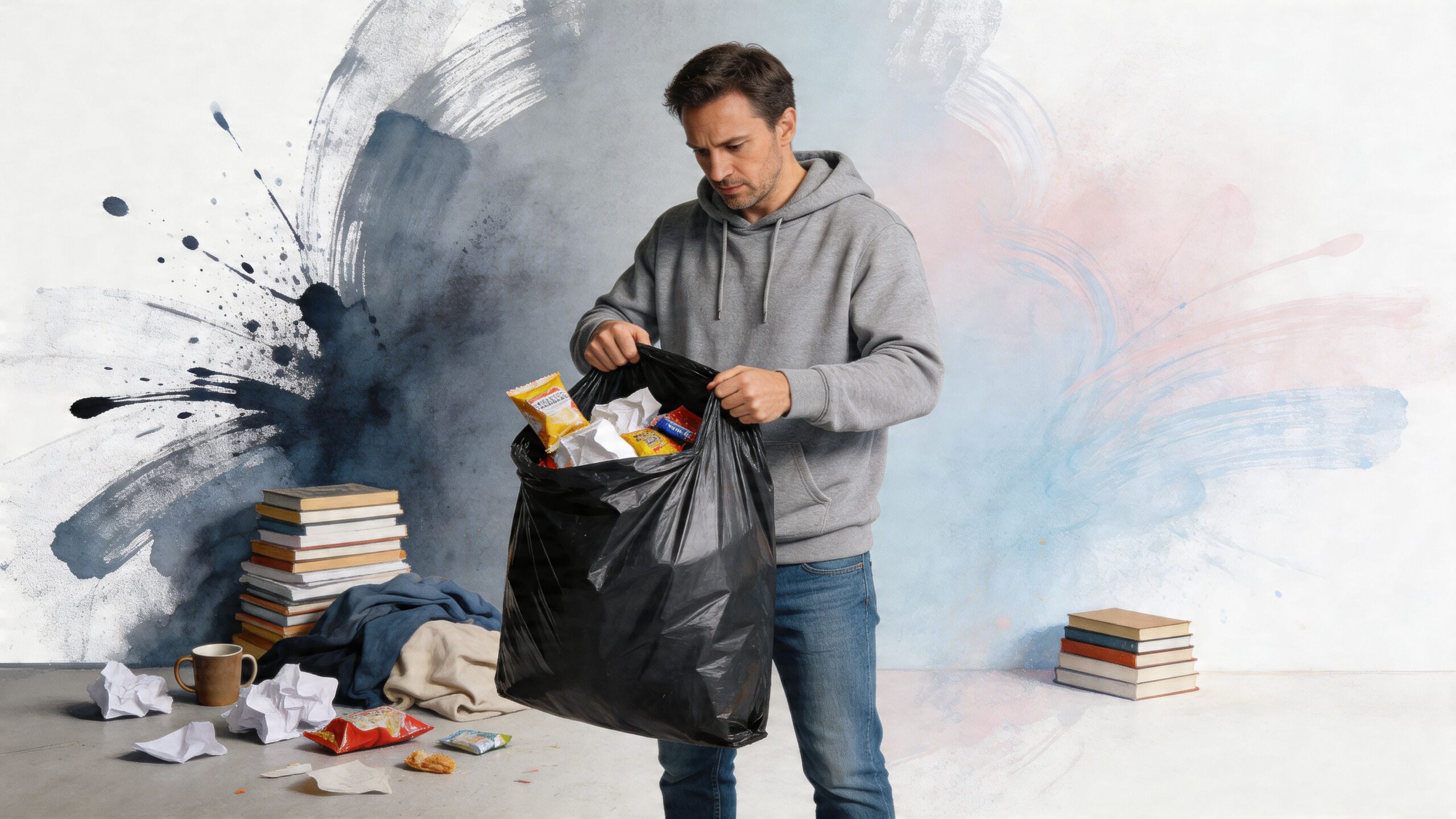
Every piece of trash had a story
I could tell you where the old jam came from. I could tell you why that stale bag of nuts mattered. I could tell you who I was trying to be when I bought this thing or saved that thing.
That was the trap.
My mess wasn’t just mess. It was memory, guilt, fantasy, and avoidance piled together.
Then a long, chaotic relationship ended. That breakup hit me like cold water. I saw how much of my life I had let become disorder. Not just my room. My standards. My routines. My courage.
So I made a few simple promises to myself:
- Cleanliness: I’d stop negotiating with obvious mess.
- Consistency: I’d do hard things on repeat, not once in a while.
- Bravery: I’d stop waiting to feel ready.
That sounds dramatic for a story about trash, but trash is never just trash. It’s evidence. It shows you what you consume, what you avoid, and what you leave behind.
Then the mess got bigger than my room
When I started cleaning my own space, I noticed something ugly about the wider culture too. We buy things to express love, then we wrap those things in more things, then we throw away the evidence by January.
That isn’t generosity. That’s a landfill with a bow on it.
The scale of it is hard to ignore. The U.S. Environmental Protection Agency reports that holiday materials such as bows, bags, and wrapping paper contribute 1 million tons of trash to landfills weekly during the festive season, and UK households discard 30% more rubbish over the holidays, equivalent to 1.4 million tonnes of CO2e compared with other times of year, as summarized by Sea Going Green’s write-up on holiday waste.
I didn’t need a statistic to know the problem was real. I had lived inside a miniature version of it.
My apartment was what happens when consumption outruns courage.
Practical rule: If a gift creates clutter, guilt, or instant disposal, it isn’t generous. It’s just delayed trash.
Picking up trash outside changed me inside
The first time I went out to pick up litter with a tiny group, the weather turned brutal. Chicago did what Chicago does. Cold. Wet. Mean. We huddled under a tree while rides kept canceling.
I should have hated it.
Instead, I felt awake.
I realized cleaning up other people’s messes felt easier than cleaning my own, and somehow that gave me a back door into changing myself. I could practice discipline in public. I could train bravery in bad weather. I could build a new identity with my hands.
That’s why I get suspicious of most gift guides. They usually ask, “What should I buy?”
I think the better question is, “What helps someone become who they want to be?”
For me, service did that. Sunlight did that. Community did that. Repeated effort did that.
If you know someone who wants to get braver but freezes in social situations, I’ve seen how small acts of service can loosen that knot. That’s part of why I care so much about practical support like this guide on how to overcome social anxiety.
A real gift doesn’t just sit there looking ethical. It changes the way someone moves through the world.
That’s the standard I use now for gifts for environmentalists. If it won’t help someone live lighter, act bolder, or serve better, I don’t want it.
Rethinking Gifting From The Ground Up
Most gift guides sell you a cleaner-looking version of the same old habit. Buy another object. Feel noble about it. Hope the packaging looks earthy.
I don’t buy that anymore.
Tom Sawyer understood something people still miss. He didn’t win because he had a better product. He won because he made work feel like privilege. He turned fence painting into something people wanted to do.
That shift matters.
A gift can be an invitation
When you give someone a thing, you’re usually giving them possession.
When you give someone an experience, a responsibility, a role, or a mission, you’re giving them momentum.
That’s why the strongest gifts for environmentalists often don’t look like gifts at first. They look like a Saturday morning cleanup, a garden workshop, a park pass, a shared ritual, a cause someone can join.
They have friction. That’s part of the value.
A lot of people assume the “better” gift is the one that feels polished and complete in the box. I think that idea is backwards. A gift should sometimes ask something of you. Show up. Learn. Carry. Try. Return next week.
Service can feel like a strange kind of celebration. You come home dirty, tired, and more alive than when you left.
Why this sticks longer
There’s a reason experiential and service-based gifts hit differently. They attach emotion to action.
One object can become background furniture in a week. A shared effort enters your memory like weather. You remember the cold morning, the mud on your shoes, the weird joke someone made, the pride you felt when the block looked different because you were there.
That pattern matches the gap identified in this piece on gifts for environmentalists, which argues that most content focuses on consumer products while missing community-driven action and personal transformation through service. It also cites contrarian data that service-based activities yield 40% higher long-term behavior change than material gifts.
That number rings true to me because I’ve watched people change when they participate, not when they merely receive.
Ask a different question
Don’t ask, “What can I hand them?”
Ask questions like these instead:
What story could they step into
A cleanup, workshop, or community day gives them a plot, not just a package.What habit could this reinforce
A recurring experience beats a one-time novelty.Who could they meet through this
Environmental action gets stronger when it becomes social.What pride could they earn
People protect what they help build.
Here’s the funny part. This approach can feel more generous and less wasteful at the same time.
That’s rare.
A good object can help someone. I’m not against objects. I’m against dead objects. Gifts that flatter your intentions but never enter the recipient’s life in a meaningful way.
The best gifts for environmentalists don’t just signal values. They give those values legs.
The Environmentalists Toolkit Gifts That Endure
If you’re going to give a physical gift, give a tool. Not décor pretending to be conscience.
I think about this the way I think about field gear. If you’re out in wind, rain, slush, heat, mud, and city grime, you don’t want a delicate symbol. You want something that earns its place in your bag.
Start with one hard question
Will this item still matter a year from now?
That question kills a lot of bad gifts immediately.
A durable environmentalist tool should do at least one of these jobs well:
Replace disposables
It needs to remove a stream of repeat waste from daily life.Survive rough use
If it breaks fast, it wasn’t sustainable. It was a detour.Travel easily
Good intentions die when the item is awkward, heavy, or annoying.Age with dignity
Scratches are fine. Fragility isn’t.
The stainless steel bottle test
A reusable bottle is common advice. Fine. Common advice can still be good if you apply standards.
A high-performance insulated stainless steel water bottle stands out because the details matter. According to Coral Vita’s roundup of gifts for environmentalists, some insulated stainless steel bottles are made from 90% post-consumer recycled steel and can keep drinks cold for up to 75 hours. The same source says replacing 1,000 single-use PET bottles with one reusable steel bottle over five years can avert 35kg of plastic waste and save up to 400kg of CO2e emissions.
That’s not aesthetic. That’s a working tool.
A bottle like that helps in real life because it handles long days, bad weather, and forgetful humans. It doesn’t ask for perfect behavior. It supports imperfect people trying to do better.
Here’s how I’d judge one in practice:
| What to check | Why it matters |
|---|---|
| Recycled steel content | It tells you whether the material story matches the marketing |
| Thermal performance | A bottle that stays cold longer gets used more |
| Wide mouth | Easier cleaning means less neglect |
| Durability | Hard-use gifts should survive drops and rough bags |
| Leak resistance | Annoying gear gets abandoned fast |
Give uniforms, not souvenirs
Some of the best physical gifts don’t just solve a problem. They create identity.
That’s why I love earned clothing more than random merch. A sweatshirt can be just a sweatshirt. Or it can be proof that you showed up enough times to deserve it.
The green sweatshirts our volunteers get after repeated cleanups, screen-printed by Ximena Laredes, matter because they represent action first. Nobody gets one for agreeing with the mission online. You earn it with mornings, effort, weather, and consistency.
That’s what more gifts should do. They should mark a threshold.
A strong gift says, “This is who you are now.” It gives someone a role they can grow into.
Buy right, not often
I use a simple filter when I choose physical gifts for environmentalists.
Need beats novelty
If they already own a working version, think twice.Longevity beats trend
A boring workhorse beats a stylish gimmick.Repairability beats convenience
The easier it is to maintain, the longer it stays alive.Daily use beats occasional virtue
Repetition is where impact lives.
A short video can help anchor that mindset in something practical.
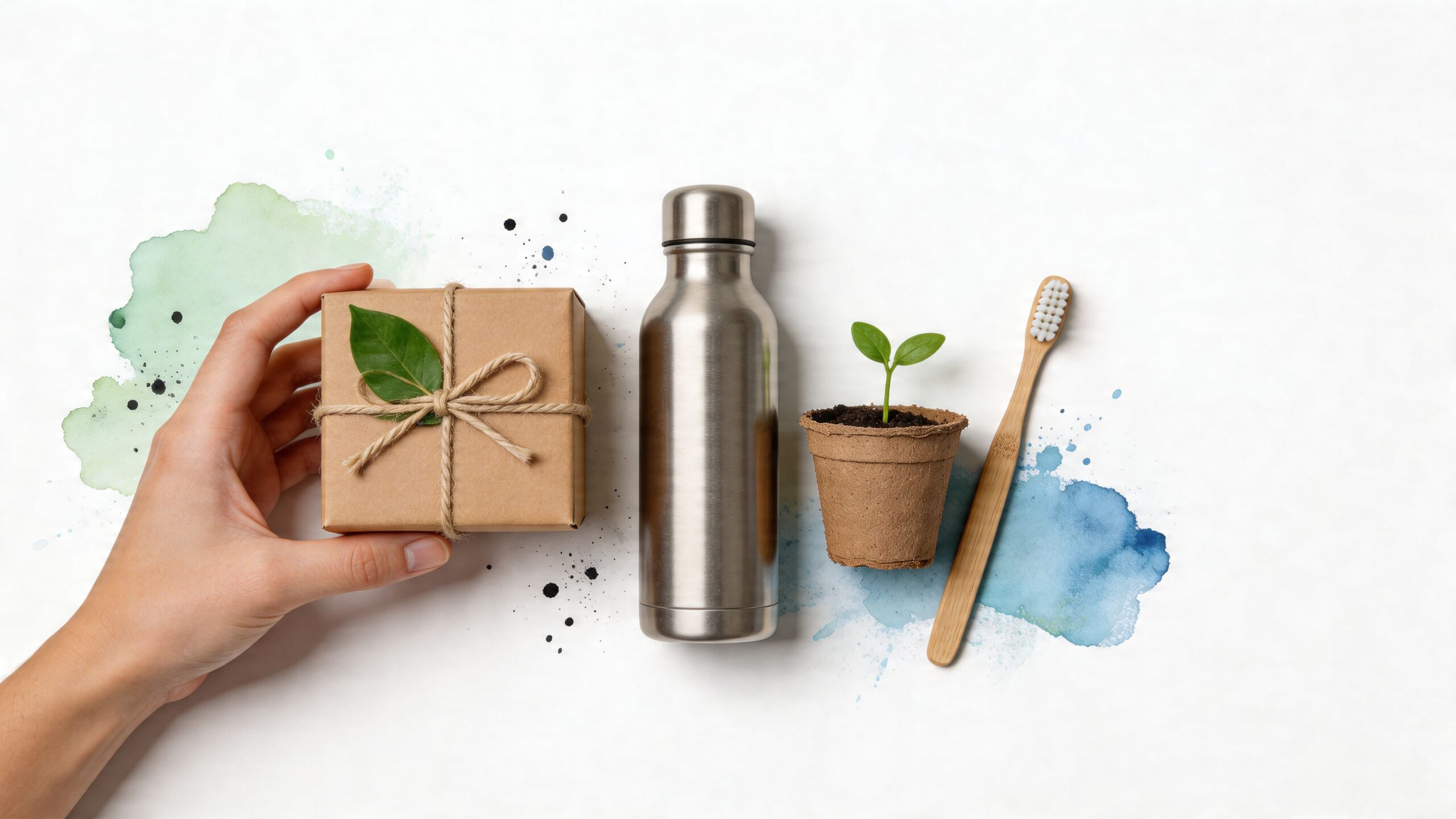
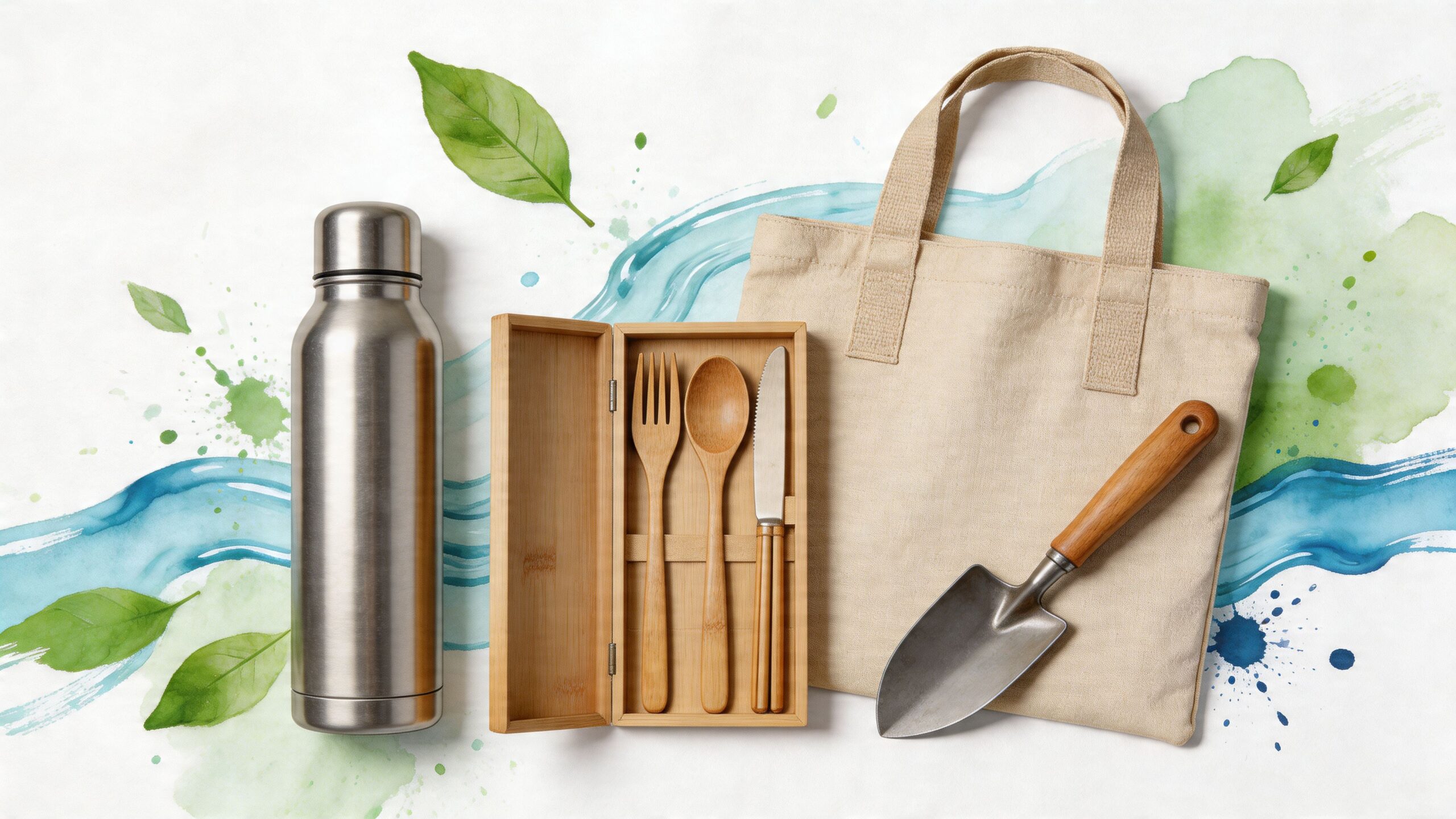
The point isn’t to build a prettier pile of stuff. The point is to assemble a compact toolkit someone reaches for again and again. A bottle. A sturdy tote. Reusable cutlery. Gloves that last. A sweatshirt that means something.
That’s the line. Don’t give more. Give better.
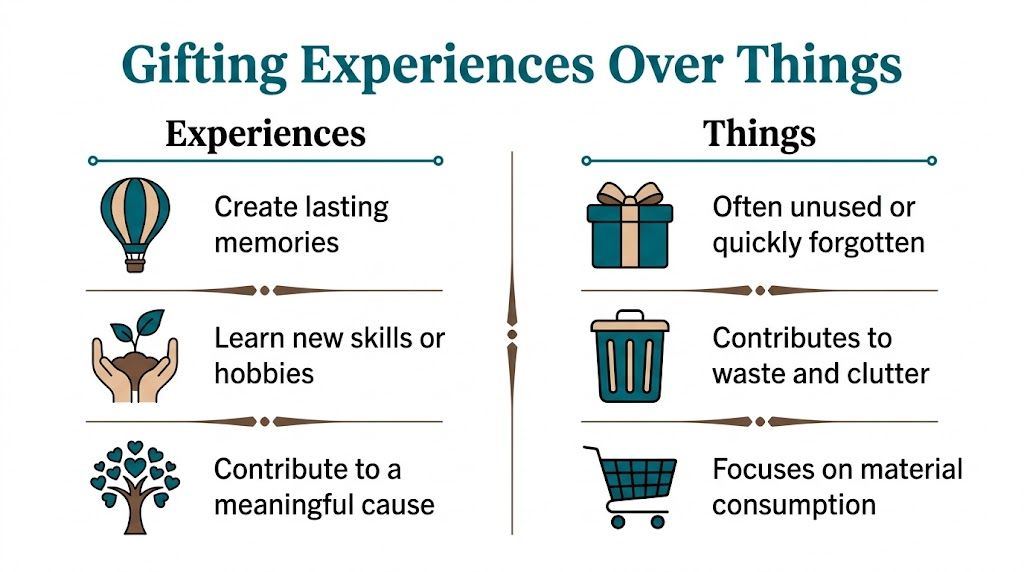
Gifting Experiences Over Things
My favorite gifts don’t need shelf space.
They need a date on the calendar, a little courage, and maybe a pair of shoes you don’t mind getting dirty.
The gift is the new version of you
I’ve seen people light up most when they get something larger than an object. A chance to join. A chance to vote. A chance to help shape a place that didn’t exist before.
That’s why I love milestone gifts built around participation.
After one cleanup, a volunteer earns an iron-on patch. After three, they earn a green sweatshirt. After ten, they earn a vote in decisions for Caterpillar Park in Englewood.
That last one is my favorite because it’s not a reward in the usual sense. It’s stewardship.
You aren’t saying, “Thanks for helping.” You’re saying, “You belong here. Help decide what we build.”
That’s a serious gift.
Action gifts wear many disguises
Experience-based gifts for environmentalists don’t have to be dramatic. They just need to pull someone into a deeper relationship with the world around them.
A few examples work especially well:
A learning gift
Urban gardening classes, native planting workshops, composting lessons, or repair sessions all give someone a skill they can use and share.A place-based gift
A local land trust membership, a park pass, or a CSA subscription can reconnect someone to seasonality and stewardship. If you’re considering a food-based recurring gift, this guide to finding a CSA near me is a strong place to start.A contribution gift
A donation in someone’s name can work when it feels concrete and aligned with their values.A participation gift
This is the strongest category. You’re not outsourcing meaning to a receipt. You’re asking them to show up with you.
Why this feels bigger than spending
Physical gifts often peak at the moment of opening.
Experiences often start there.
That changes everything. The gift unfolds in time. It keeps producing meaning after the exchange is over. It also leaves room for surprise, which is where real memory lives.
I think that’s why people often talk about certain days for years and forget many objects within weeks. A morning in the cold, a workshop where you learn to grow food, a volunteer shift that turns strangers into friends. Those become part of your biography.
Here’s a simple comparison I use:
| Gift type | What the recipient gets |
|---|---|
| Physical object | Possession |
| Workshop or pass | Skill or access |
| Donation | Alignment with a cause |
| Shared service day | Memory, identity, and relationship |
Give someone a story they can enter, not just a package they can open.
Present the experience like it matters
People sometimes ruin good experience gifts by making them feel vague.
Don’t do that.
If you’re giving an experience, make it tangible. Put the date in writing. Add a note about why you chose it. Include one practical detail that lowers friction, like where to meet, what to wear, or what snack you’ll bring.
That transforms the gift from a nice idea into a real invitation.
For environmentalists, that matters even more. A lot of people care a great deal and still feel overwhelmed. A clear on-ramp is often the difference between “someday” and “Saturday.”
The best gifts for environmentalists help them act on what they already believe.
The Power of Local and Low-Waste Gifting
One of the best thank-you gifts I’ve ever seen didn’t come in sleek branding. It came in food form.
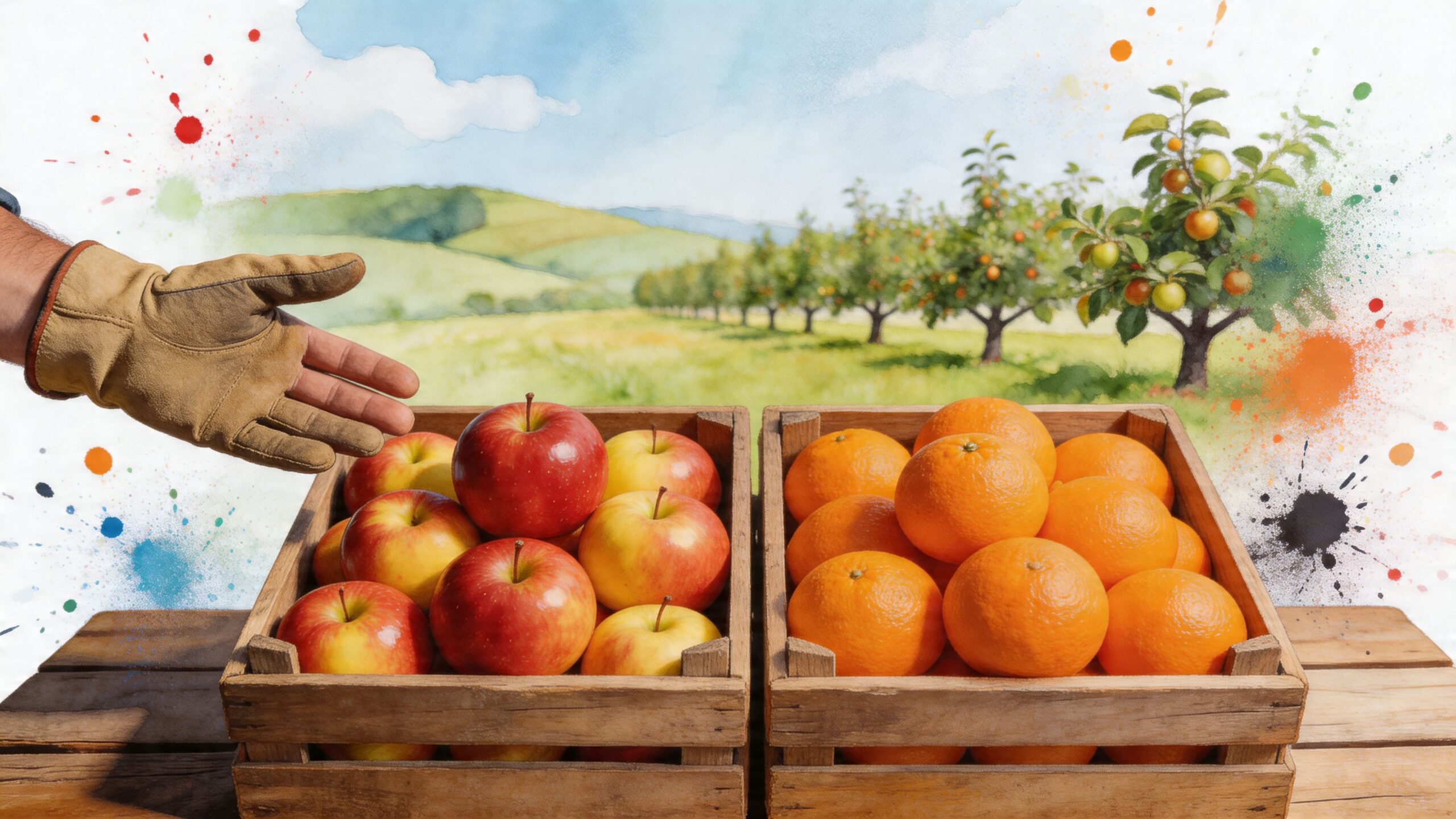
Amish apples, oranges, pears, and eggs from Amish & Healthy Foods stopped people in their tracks. Not because they were flashy. Because they felt honest.
You could hold them and know they were meant to be used, shared, eaten, and remembered. No clutter. No guilt. No drawer full of regret.
Why local food lands so hard
A beautiful piece of fruit does something many consumer gifts can’t. It connects pleasure, place, and impermanence.
You eat it. You enjoy it. It doesn’t linger as clutter.
That matters. Especially if you’re buying gifts for environmentalists who already feel tension around consumption. A local, consumable gift says, “I thought about what would nourish you without leaving a mess behind.”
It also supports the kind of economy many environmentally minded people want to see more of. Smaller scale. More human. More rooted.
Low-waste can still feel abundant
Some people hear “low-waste” and imagine something stingy or joyless. Brown paper. No fun. Pure moral homework.
That’s bad imagination.
Low-waste gifting can feel rich when you choose wisely. A box of excellent produce. Homemade baked goods. Preserves. Loose-leaf tea in a reusable tin. A handmade seed kit. A scarf used as wrapping that becomes part of the gift.
You can make this practical with a simple framework:
Choose consumables first
Good food, pantry staples, and handmade edible gifts disappear cleanly into life.Choose reusables only if they’ll be used often
The broader reusable goods movement responds to a massive plastic problem. The world generates 300 million tons of plastic waste annually, and only 9% is recycled, according to 4ocean’s sustainable gift guide. The same source notes that one durable reusable water bottle can replace 156 disposable ones per year, and one bamboo toothbrush swap saves 4 plastic ones per user annually.Choose wrapping that keeps working
Cloth wrapping, reusable bags, jars, baskets, and simple paper all beat glossy waste.
A better kind of wow
A lot of modern gifts chase the wrong kind of surprise. They aim for novelty.
I’d rather aim for recognition.
When someone opens a gift and says, “This is so me,” you nailed it. The Amish produce gifts did that for our team because they felt grounded. They respected appetite, locality, and simplicity all at once.
That’s hard to fake with mass-market eco branding.
Here are a few local and low-waste gift ideas that carry that same spirit:
Farm share add-ons
Seasonal produce, eggs, or pantry goods from a nearby grower.Homemade practicals
Soup, bread, jam, tea blends, or a jarred baking mix.Useful reusables paired with consumables
A sturdy tote filled with fruit, bread, or local coffee feels more alive than an empty product bundle.Wrapping that becomes useful
Furoshiki cloth, a bandana, a basket, or a kitchen towel.
The big idea is simple. Don’t just minimize waste. Maximize intimacy.
The best gifts for environmentalists often feel less like shopping and more like paying attention.
How to Gift an Invitation to Join Us
If you want to give someone bravery, you can’t box it.
You can, however, create an invitation that makes bravery easier.
That’s the move I wish more people made when they think about gifts for environmentalists. Don’t just hand someone a product that represents a better life. Invite them into the better life itself.
Build a volunteer starter kit
I love the idea of a gift that says, “Come with me.”
Not “You should do this.” Not “This would be good for you.” Just, “I’m going too.”
That turns service from pressure into companionship.
A strong volunteer invitation gift can include:
A wearable item
A sweatshirt, gloves, hat, or work-ready layer helps the gift feel real.A printed plan
Put the meetup details on paper. Date, time, location, what to bring.A handwritten note
Keep it plain. “I want to do this with you. Let’s be brave together.”A small comfort item
Tea, a snack, or hand warmers can remove just enough friction to help someone say yes.
Make the first step tiny
Individuals often don’t resist service because they’re selfish. They resist because the first move feels awkward.
They don’t know where to stand. What to wear. Whether they’ll fit in. Whether they’ll look foolish. Whether they’ll be the only new person.
That’s why invitation matters so much.
If you’re giving this kind of gift, reduce uncertainty. Don’t say, “We should volunteer sometime.” That’s fog. Give one clear option and make it easy to accept.
A real invitation might look like this:
I found a weekend cleanup. I’m already committed. I’d love to do it with you. I’ll bring gloves and coffee.
That works because it replaces abstraction with specifics.
Why this beats another product
An invitation to serve does a few things at once.
It gives someone a social anchor. It gives them a useful memory. It gives them a chance to act on values that might otherwise stay trapped inside intention.
It also creates a clean path from belief to belonging.
If you want to make that path concrete, use a real event and package it like a gift. Print the details from a volunteer trash pickup page, tuck them into an envelope with a note, and pair it with one practical item they’ll use.
That gift can change the trajectory of a month, a friendship, sometimes even a life.
I know that sounds big. I mean it in a very ordinary way.
Many transformations begin with someone else making the first step less lonely.
Conclusion The Best Gift Is a Better World
I started with a filthy fridge and a room full of emotional clutter.
I ended up with a different definition of generosity.
The best gifts for environmentalists aren’t the ones that perform goodness most elegantly. They’re the ones that help someone live with more courage, less waste, and deeper connection. Sometimes that’s a bottle tough enough to survive years of hard use. Sometimes it’s local fruit that disappears into a shared table. Sometimes it’s a patch, a sweatshirt, a workshop, a park vote, or a morning spent doing hard work with kind people.
I think that’s the thread running through all of it.
A great gift doesn’t just say, “I know what you like.” It says, “I see who you’re trying to become.”
That’s why service matters so much to me. It strips away a lot of nonsense. You show up. You carry something. You make a place better. You go home changed in some small but durable way.
We all have some mess in us. We all have some part of life that feels stuck, heavy, hard to move.
A worthy gift helps loosen that weight.
Not by adding more stuff, but by opening a path. Toward simplicity. Toward action. Toward friendship. Toward a world that looks a little better because someone cared enough to do something with their own hands.
That’s the gift I believe in.
If you want to give someone more than an object, give them a way into purpose. Litter Caterpillars makes that simple with weekly Chicago cleanups, a brave volunteer culture, and a community built on kindness, resilience, and showing up together.