
Tag: community support

  • Sanad Social Services: Your Guide to Support in Chicago

    Sanad Social Services: Your Guide to Support in Chicago

    A parent opens the fridge, sees half a bottle of ketchup and a light that makes the emptiness look bigger, and starts doing the math again. Dinner, bus fare, the gas bill, school tomorrow. Something has to give.

    More Than Just a Food Pantry

    I've learned that hunger rarely walks into a room alone. It brings stress with it. It brings that tight feeling in your chest when a child asks what's for dinner and you need ten more minutes to figure out an answer that sounds calm.

    That's why Sanad Social Services matters to me in a very human way. When you hear the words food pantry, you might picture a shelf of cans and a quick handoff at the door. You might picture a transaction. Sanad feels more like a neighbor pulling up a chair and saying, “Let's get through this week first. Then we'll think about the next one.”
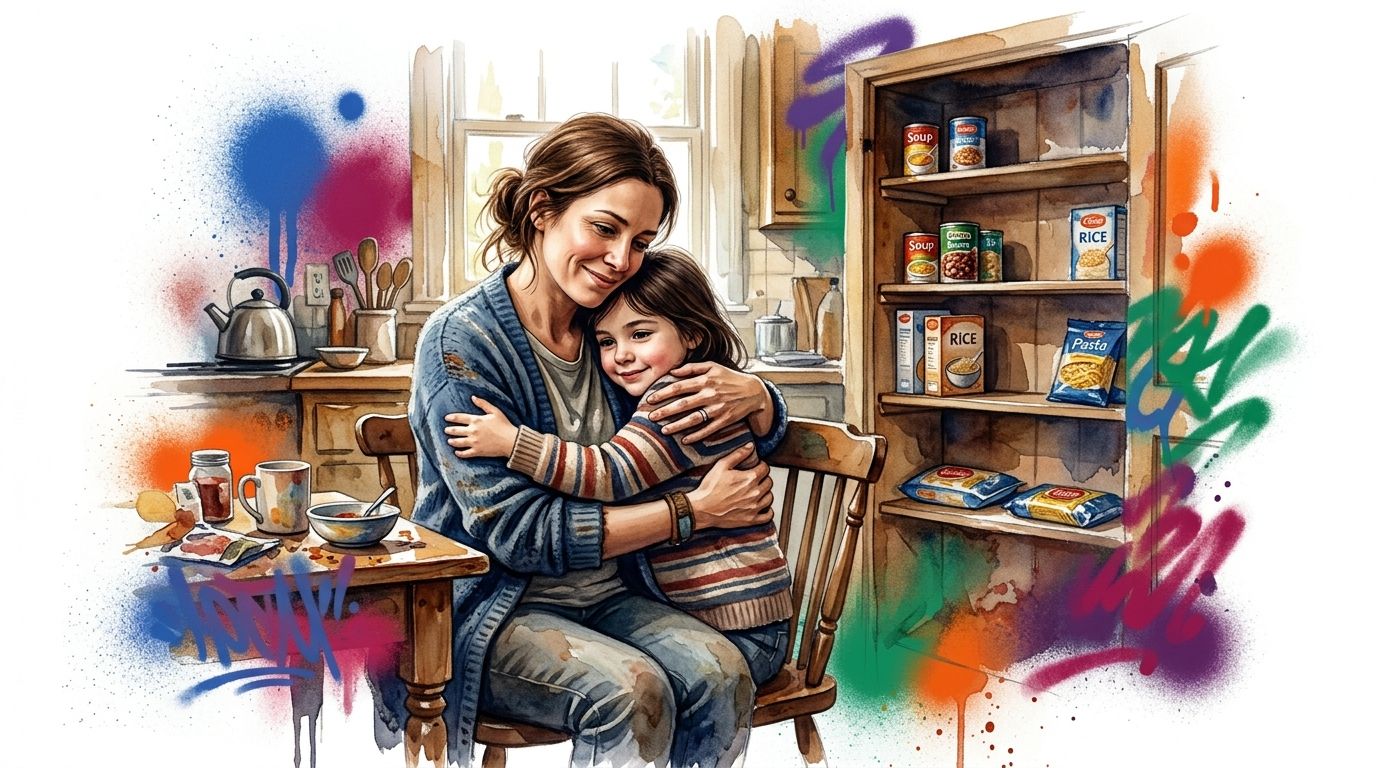
    A warm watercolor illustration of a mother and daughter embracing in a cozy kitchen setting.

    What help looks like up close

    A box of food can sound small on paper. In real life, it can change the whole tone of a home. It can mean a parent cooks instead of skips. It can mean a kid eats breakfast before school. It can mean the argument about money doesn't happen that night because there's one less emergency on the table.

    Sanad Social Services works with low-income, diverse households in Chicago. I don't think of that as an abstract category. I think of families carrying grocery bags with numb hands in winter. I think of grandparents stretching meals. I think of people who work hard and still hit a wall.

    Food help is never just about food. It gives a family room to breathe.

    Why people keep coming back

    A place like this becomes part of your routine the way a steady bus line or a trusted clinic does. You learn where it is. You learn the faces. You stop feeling like you have to explain every hard thing from the beginning each time you ask for help.

    That's what I want you to know from the start. This isn't a dry directory entry. This is a story about support that feels practical and personal at the same time. If you need help, I want you to feel less alone. If you want to help, I want you to see the people behind the pantry, not just the program names.

    Here, support feels less like charity dropped from above and more like someone bracing the ladder while you climb.

    The Story and Mission of Sanad

    Back in 1991, Fatima Abueid started Sanad in Chicago. I keep coming back to that date because every long-running community effort begins with one person deciding that waiting politely for someone else to fix things isn't good enough. That first decision matters.

    Sanad began at 6248 S Spaulding Ave in Chicago, and I imagine the early work the way many neighborhood efforts begin. One person sees the gap. One person knows families are carrying too much. One person starts where they are, with what they have, and refuses to look away.

    The meaning inside the name

    The word Sanad means support or anchor in Arabic. I love that because an anchor doesn't make the storm disappear. It keeps you from drifting away while the storm is still going.

    That's the clearest way I can explain the mission. Sanad Social Services isn't trying to dress up hardship with polished language. It is trying to hold people steady when life starts sliding. If your budget is cracking, if your kitchen is bare, if one overdue bill is about to knock over everything else, support has to be sturdy. It has to hold.

    Practical rule: The best community work starts with a simple question. “What do people need today?”

    A mission built from lived reality

    I don't read Sanad's story as an institution first. I read it as an act of attention. Fatima Abueid saw hunger in her city and answered it with structure, repetition, and care. That matters because families in crisis don't need grand speeches. They need people who keep showing up.

    And showing up year after year changes the tone of a place. You can feel it. Work like this gets built in ordinary moments. A volunteer loading food. A parent asking a quiet question. A staff member remembering a family's name. Those moments stack up like bricks.

    Here's how I see it:

    Part of the mission What it feels like in real life
    Support Someone helps carry weight you can't carry alone that week
    Anchor Your life stops spinning quite so fast
    Dignity You don't feel reduced to your hardest month
    Consistency Help isn't random. You know where to turn

    That kind of mission doesn't need flashy language. It needs trust. And trust grows when people keep their doors open, keep their word, and keep treating you like a person instead of a problem.

    Finding Support Through Sanad Programs

    A mother finishes a late shift, gets home, and opens the fridge to do the kind of math nobody should have to do. What feeds the kids tonight. What gets saved for tomorrow. What can wait. In neighborhoods across Chicago, that pressure shows up in different forms, so support has to meet people in different ways too.

    Sanad does that through onsite help, mobile pantry access, utility relief, and educational seminars. The model matters because families do not all face the same barrier. One person can stop by a fixed location after work. Another is caring for children, covering two bus rides, or trying to keep the lights on before the shutoff notice becomes real.
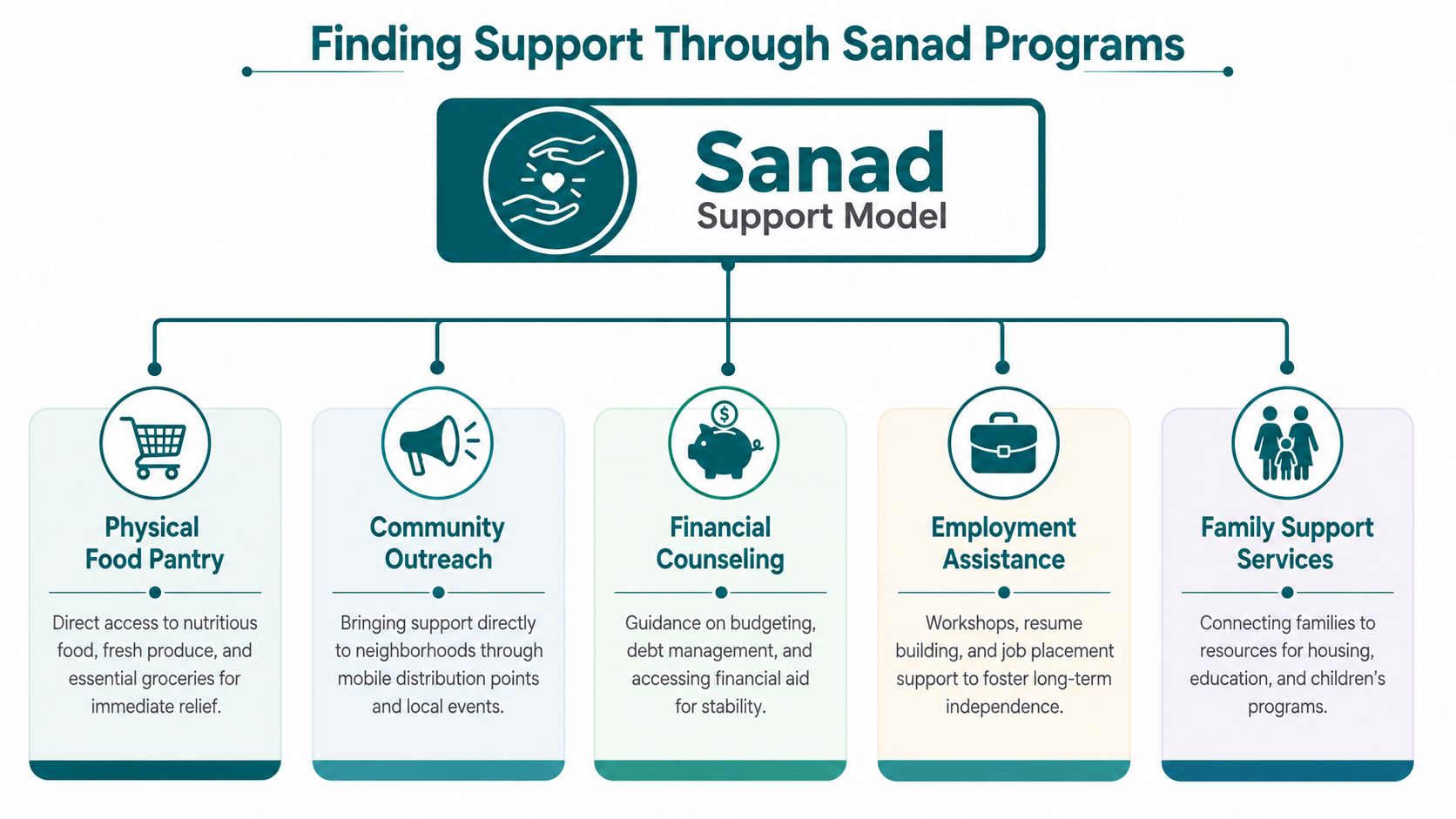
    An organizational chart showing five types of Sanad social support programs offered to the community.

    What support can look like in real life

    I keep coming back to one simple truth. Hunger rarely arrives alone.

    Sometimes the need is groceries. Sometimes it is groceries plus an overdue utility bill. Sometimes it is a family that needs food this week and better information so next month feels less fragile. Sanad's programs make more sense when you look at them through that lens.

    A pantry visit can give someone staples for the kitchen. A mobile distribution can reach people who cannot easily cross town. Utility help can protect a household from slipping from financial stress into full disruption. Seminars can give people practical guidance they can carry into the next month, not just the next meal.

    That mix feels grounded. It respects how real life works.

    The programs, person by person

    If you can get to a set location and want direct contact with staff or volunteers, onsite pantry support may feel steadier. You know where to go. You can ask questions face to face. For some people, that kind of routine lowers the stress.

    If travel is the problem, mobile pantry support can make the difference between getting help and going without. A service model that moves closer to people matters when transportation, work hours, health, or caregiving responsibilities keep tightening the day.

    Utility relief speaks to a different kind of fear. You can have food in the house and still feel the month falling apart if the gas or electric bill is overdue. Help in that area can protect more than a budget. It can protect a household's sense of stability.

    Educational seminars serve another purpose. They create room for longer-term support, whether someone wants guidance, clearer information, or a stronger footing after a hard stretch.

    If you're comparing nearby options, this guide to Casa Catalina Food Pantry in Chicago shows how different neighborhood programs serve families in different ways.

    Why people stay connected

    I have seen people ask for help only after they have run through every private option first. They skip meals. They stretch rice. They tell themselves they can hold out one more week. What often brings them back to a place like Sanad is not only the food. It is the feeling that the help fits the shape of their actual problem.

    A family dealing with hunger, transportation trouble, and utility stress does not need a one-note response. They need support that can hold more than one burden at a time. That is what makes these programs feel human. They leave room for dignity, practical relief, and the kind of follow-through that helps a hard month stop becoming a harder year.

    How to Get Help From Sanad

    Asking for help can feel heavier than carrying the problem another week. I know that. A lot of people know that. You rehearse what to say, wonder if you'll qualify, and worry someone will make you feel small.

    Sanad's location is 6248 S Spaulding Ave, Chicago, and sometimes having one clear place to start is half the battle. You don't need a perfect script. You just need a first step.
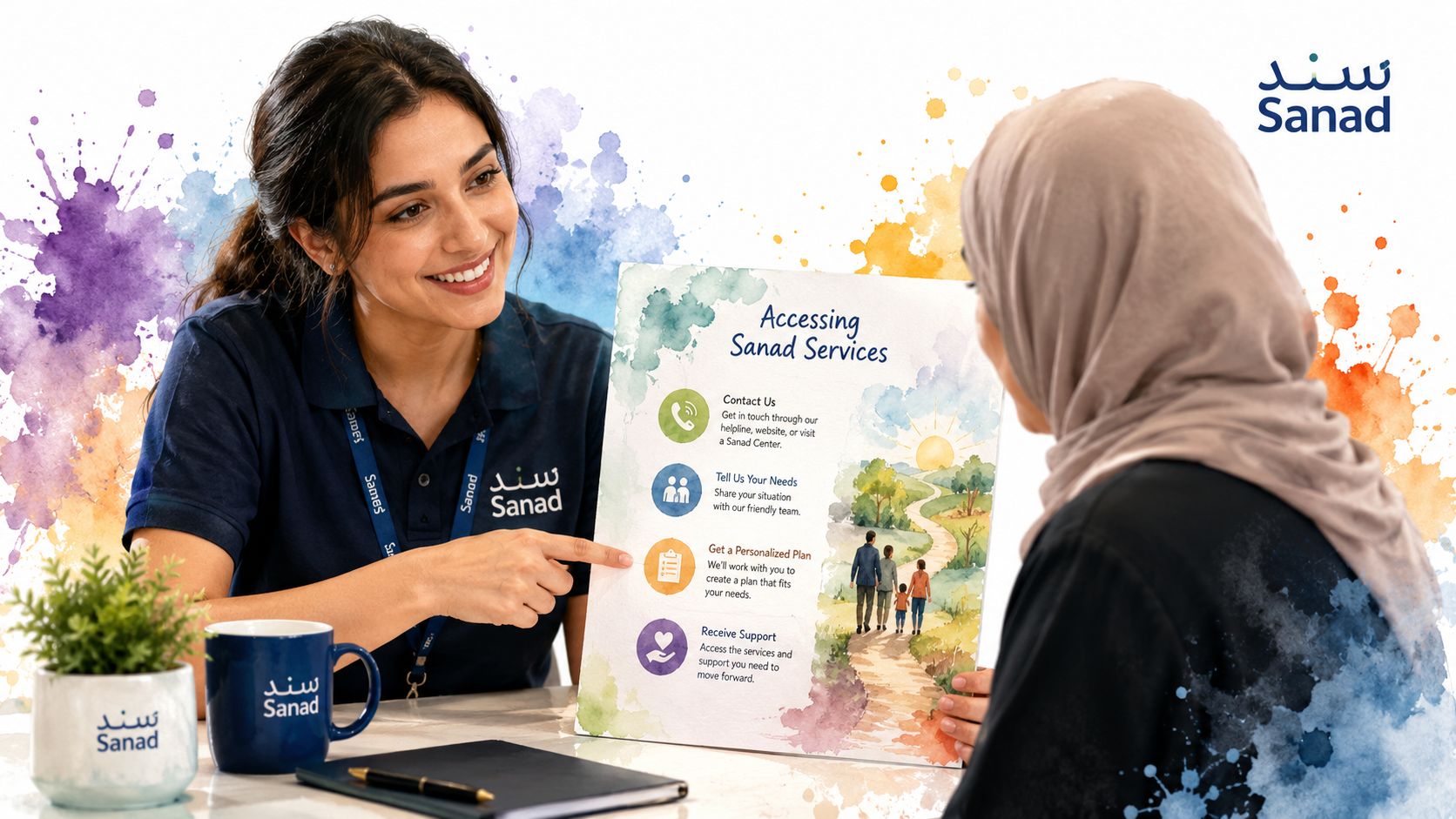
    A friendly Sanad representative explains service steps to a woman using an informative visual guide.

    Start with the simplest move

    If I were helping a friend do this, I'd say keep it basic.

    1. Reach out directly. Use the contact pathway listed on Sanad's website and ask the plain question: you need food support and want to know how to receive it.
    2. Ask what they need from you. Requirements can change, so it's better to hear it straight from the organization than guess.
    3. Tell them what pressure feels biggest right now. Food, utilities, transportation, schedule conflicts. Be direct about your primary need.
    4. Ask whether onsite or mobile support fits your situation better.

    That last point matters. If getting across town is hard, say so. If your work hours are unpredictable, say so. Clear information helps people match you to the right option faster.

    Keep your questions short and honest

    You don't need polished words. Try something like this:

    • “I need help with food for my household.”
    • “I'm not sure if I should come in person or ask about mobile distribution.”
    • “I'm also struggling with utility bills. Can you tell me what support might fit?”

    That's enough. You don't have to defend your hardship like you're in court.

    The fastest way to get useful help is to say what's happening in plain language.

    If you're also looking at other meal support options in the city, this Chicago soup kitchen guide may help you compare what kind of immediate food access fits your day.

    A few things to remember before you go

    I won't invent hours or eligibility details that I can't verify. So here's the honest version. Check Sanad's official contact information before you visit. Ask about current pantry times, any paperwork they may request, and whether they have neighborhood or household guidelines.

    Use this quick checklist:

    Before you contact Sanad Why it helps
    Write down your address They may need it to match you with the right service area
    List household basics It helps explain your food need clearly
    Note scheduling limits This can shape whether mobile or onsite support fits better
    Ask about documents It saves you an extra trip

    The hard part is often the first call, first message, or first visit. After that, the path usually gets clearer.

    Join the Mission to Support Our Neighbors

    Some people read about a pantry and think, “I wish somebody would do more.” I always want to answer that sentence with one word. You.

    Community support runs on people who decide to show up. Not people with perfect schedules. Not people with endless money. Just people who are willing to give a few hours, a little energy, a bit of care, and treat that offering like it counts.

    A diverse group of volunteers sorting donated goods and food items for a community social service project.

    What your help can look like

    Maybe you sort food. Maybe you donate money. Maybe you connect a family to the pantry because you know they're struggling privately and too proud to ask. Maybe you partner through a workplace, faith group, school, or block club.

    I like to think of community help the way I think of carrying groceries up a walk-up apartment staircase. One bag is awkward alone. Four people make the whole load feel possible.

    Here are a few real ways to step in:

    • Give time: Volunteer for pantry operations, distribution days, or community support tasks.
    • Give funds: Financial gifts help cover food, logistics, and day-to-day operations.
    • Spread the word: Tell families where to go when they need steady help.
    • Build partnerships: If you run a group or business, ask how you can support ongoing work.

    If you want a wider view of places doing hands-on good in the city, this roundup of charities in Chicago is a useful place to browse.

    Why volunteering feels different from donating alone

    Money matters. Of course it does. But human presence matters too. When you sort food, carry boxes, greet visitors, or help organize distribution, you become part of the atmosphere people walk into. You help turn a stressful errand into a decent encounter.

    That's no small thing. Dignity lives in details. It lives in a warm greeting, clear directions, patience, and a room that doesn't make people feel like a burden.

    A short look at community action can make that easier to picture.

    If you've been waiting for a sign

    This is it. If you care about families eating well, keeping the lights on, and getting through rough stretches with dignity intact, then your help has a place. You don't need to arrive with a grand plan. You can begin with one hour, one donation, one conversation.

    A strong neighborhood is built by people who decide someone else's hard week matters to them.

    Your Questions Answered

    The questions people ask at the door are rarely just about hours or paperwork. They sound more like this: Will I be judged. Will anyone understand what my family is carrying right now. If I call, will a real person talk to me like I matter.

    Those are the questions worth answering.

    What if my situation feels too complicated to explain

    Start small. You do not need a perfect summary of your life before you reach out.

    A parent trying to keep up with rent, groceries, school forms, and a shutoff notice may only have the energy to say, “We're having a hard month.” That is enough to begin. From there, the conversation can get clearer, one detail at a time.

    What if I have asked for help before and had a bad experience somewhere else

    That history can stay with you. One cold front desk, one rude comment, one long wait with no answer can make the next phone call feel heavier than it should.

    If that is you, I hope you hear this plainly. A bad experience somewhere else does not mean you should stop asking for support. You still deserve to be treated with care, patience, and respect.

    Can I reach out for someone else

    Yes, if you are trying to help a neighbor, parent, friend, or family member take the first step. Sometimes the strongest person in the room is the one making the call on someone else's behalf because that person is overwhelmed, ashamed, sick, or exhausted.

    That kind of help matters.

    What if I do not know the right words to say

    Use your own words. Everyday words are enough.

    “I'm behind.”
    “We're stretched.”
    “I need help figuring out what to do next.”

    Nobody should need polished language to ask for support.

    What if I need help, but I am afraid of being seen as a burden

    I have met so many people who carry this fear unspoken. You may be one of them.

    But communities do not survive because everyone handles every crisis alone. Communities survive because people step in for each other during the weeks when life breaks its usual rhythm. Asking for help is part of how neighborhoods stay human.

    How can I support Sanad if I am not in a position to volunteer regularly

    Steady support does not always look like a weekly shift. You can mention Sanad in conversation when someone needs a place to turn. You can share updates with a friend who wants to help. You can keep the organization in mind during holidays, hard winters, and back-to-school season, when family budgets often feel tightest.

    Small acts travel farther than you think.

    If you believe cleaner, kinder neighborhoods start with people who show up, spend some time with Litter Caterpillars. You'll find a Chicago group built around service, friendship, and the simple act of making a block feel more cared for.

  • Open Arms Ministry: A Guide to Finding Help and Hope

    Open Arms Ministry: A Guide to Finding Help and Hope

    I watched a woman at a library computer open three tabs for Open Arms Ministry, then close two of them with a tired sigh. She wasn't confused because she wasn't trying hard enough. She was confused because the name is real, welcoming, and used by many different groups.

    Your Search for Open Arms Ministry Starts Here

    If you've ever typed Open Arms Ministry into your phone while your stomach was tight and your battery was low, I get it. You might need groceries. You might need a place where your teenager can stay safe after school. You might be trying to help a brother, son, or friend come home after jail and start over. Then the search results start piling up, and suddenly one name points in several directions.

    A watercolor illustration of a person holding a smartphone displaying the Open Arms Ministry support app.

    Imagine walking down a block where three doors all say “welcome,” but each one leads to a different room. One room has pantry shelves. One room has youth staff and a Wi-Fi password on the wall. One room has church volunteers talking about reentry and second chances. The sign over the door sounds the same. The help inside does not.

    Why the name feels confusing

    A lot of people search for one thing and land on another. A parent may hope for counseling for a teen and find pantry hours instead. A person coming home from incarceration may hope for job help and find a soup kitchen listing. A neighbor who wants to donate may assume there's one national office when there often isn't.

    You're not lost because you missed something. The map is messy.

    That's why I'm writing this in a plain way. I want you to find the right door faster.

    What you'll want to pin down first

    Before you call or visit, ask yourself one simple question: What kind of help do I need today?

    • Food for this week: look for pantry hours, meal times, and address details.
    • Youth support: look for age range, drop-in hours, classes, or mentoring.
    • Reentry help: look for language about jail ministry, church welcome teams, housing, or community support.
    • A place to give help: look for volunteer contacts, donation needs, and local service schedules.

    Once you know your need, the search gets easier. The name “Open Arms Ministry” is warm. Your next step is making it specific.

    What Exactly Is an Open Arms Ministry

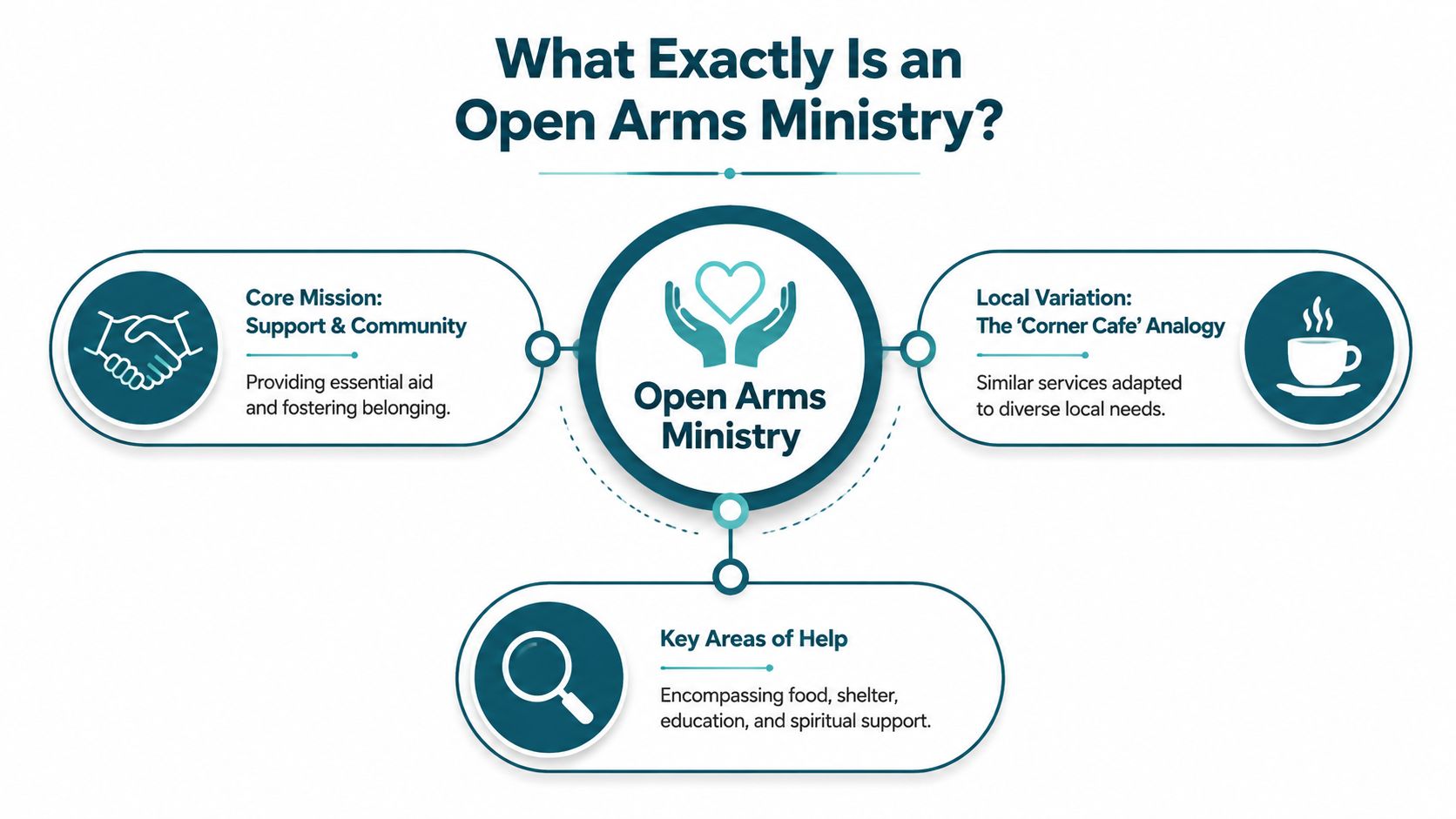
    Think about a place called Corner Cafe. You could find a Corner Cafe in one city that sells pancakes, another that sells tacos, and another that closes before lunch. Same name. Different owners, different habits, different purpose. Open Arms Ministry works a lot like that.

    An infographic titled What Exactly Is an Open Arms Ministry outlining its core mission and local variations.

    When I say Open Arms Ministry, I'm usually talking about a local faith-based group using that name to welcome people and meet needs in its own way. That's the common thread. The structure, programs, and daily work can change a lot from one city to another.

    Same spirit, different missions

    Some groups using this name focus on the basics first. Food. Clothing. A hot meal. A short conversation that helps a person breathe again.

    Others build their whole identity around children and family care. For example, Open Arms Christian Ministries has worked for over 40 years on child welfare by providing safe homes and a structured community to help minors recover from trauma, as described on the Open Arms Christian Ministries website. That's very different from a pantry model, even though the name feels familiar.

    Here's the simplest way I sort it out:

    Type of group What you may find
    Pantry-based ministry Grocery pickup, meal service, basic needs
    Youth-centered ministry Drop-in support, snacks, classes, trusted adults
    Family or child welfare ministry Safe homes, structured care, long-term support
    Reentry-focused ministry Church connection, support after release, community welcome

    What the name does and doesn't tell you

    The name tells you something about tone. It tells you the group likely wants to receive people warmly. It does not tell you exactly what services exist, what hours they keep, or who they serve.

    That's where people get tripped up.

    Practical rule: Treat “Open Arms Ministry” as a starting clue, not a full description.

    If you're searching online, don't stop at the homepage name. Look for these details right away:

    1. Street address
      That helps you tell one ministry from another.

    2. Service type
      Pantry, youth center, housing, church ministry, or another model.

    3. Hours and days
      A kind mission statement won't help if you arrive on the wrong day.

    4. Who they serve
      Families, teens, adults, returning citizens, or children in care.

    Once you start looking at the name this way, the confusion eases. You stop asking, “What is Open Arms Ministry?” and start asking, “Which Open Arms Ministry is this?”

    Finding Food and Immediate Help

    The first time I walked into a pantry years ago, I kept rehearsing what I'd say. I thought I needed the right words. I thought I had to explain myself. Then a volunteer looked up, smiled, and asked if I needed a bag.

    That's what immediate help often feels like at its best. Simple. Human. No speech required.

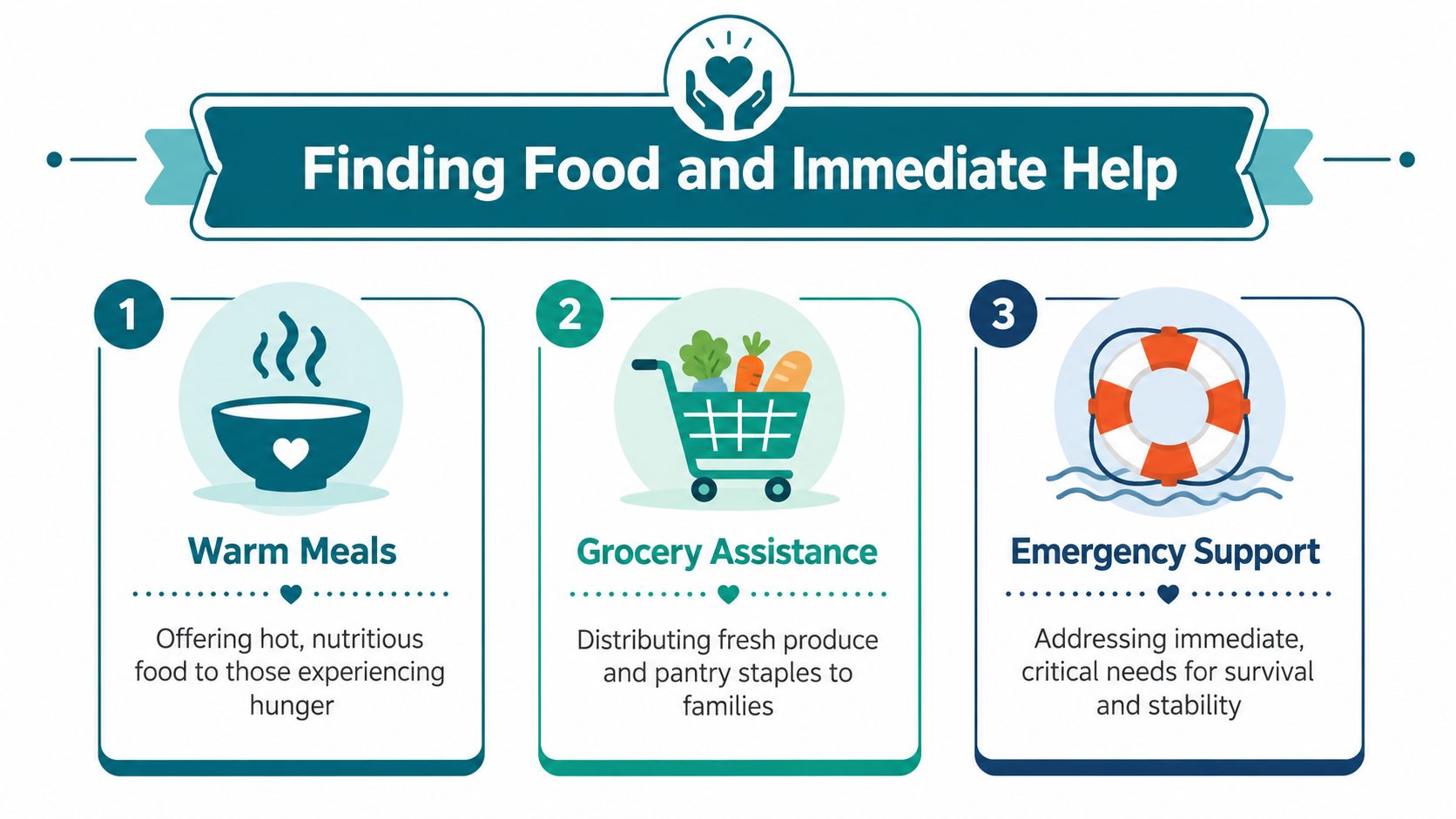
    An infographic titled Finding Food and Immediate Help, detailing three services: Warm Meals, Grocery Assistance, and Emergency Support.

    Many ministries using the Open Arms name are closest to this model. They deal with the need that can't wait. Empty cupboards. Thin paychecks. A week that went off the rails.

    A real Chicago example

    In Chicago, Open Arms Ministry at 2649 N Francisco Ave is a verified food pantry in the Greater Chicago Food Depository network, and it serves residents every Wednesday from 4:00 PM to 6:00 PM, according to the Greater Chicago Food Depository location listing for Open Arms Ministry.

    That kind of detail matters. Address. Day. Time. Those are the facts that turn a vague search into an actual trip.

    A lot of people need that kind of certainty. If you're juggling work, the bus, kids, or plain exhaustion, “Wednesday from 4:00 PM to 6:00 PM” is better than a paragraph full of warm words.

    Here's a short visual that may help if you're trying to picture what food support can look like:

    What a first visit usually feels like

    A parent heading into a pantry for the first time often carries two bags. One is for food. The other is invisible. Shame, nerves, pride, fear of being judged.

    Most of the time, the room gets lighter once the first hello happens.

    You may see folding tables, canned goods, produce boxes, or volunteers directing people into a line. You may need to sign in. You may be asked basic questions. Every pantry runs a little differently, so call first if you can.

    Here's a practical checklist:

    • Bring basic documents if you have them: some sites may ask for ID or proof of address, and some may not.
    • Bring a cart or sturdy bags: food gets heavy fast.
    • Arrive early if possible: lines can form before opening time.
    • Ask what else they know nearby: pantry volunteers often know meal sites, clothing closets, and other neighborhood help.

    If you're in Chicago and comparing options, this local guide to the Casa Catalina Food Pantry in Chicago can also help you think through what to expect from a neighborhood pantry visit.

    What to look for in search results

    Don't trust the name alone. Look for signs that a listing is current.

    • A clear address
    • Current pantry hours
    • Connection to a food network or local directory
    • Phone contact or location notes

    If your need is food tonight or groceries this week, search for hours before mission statements.

    That one habit saves time, gas, and heartache.

    Support and Safe Spaces for Youth

    A teen doesn't always say, “I need help.” Sometimes it comes out as hanging around too late, skipping home, or asking where the Wi-Fi is and pretending that's the only reason they came.

    That's why youth support matters so much when it exists. A safe room can change the shape of an afternoon.

    When an Open Arms name means youth support

    Some ministries using the Open Arms name are built for young people. One example is the San Bernardino Open Arms drop-in center, which caters to youth ages 14 to 24, while many ministry websites still don't make youth services clear, as described on the Open Arms youth center page from Family Assistance Program.

    That contrast is what makes searching hard. One site may plainly describe youth ages, snacks, classes, and hygiene support. Another may say almost nothing beyond a name and a church address.

    So if you're a parent, aunt, uncle, teacher, or teen, don't assume. Ask.

    What youth help can look like on the ground

    I think of a teenager walking in after school with a dead phone and a face that says, “I'm fine,” when they aren't. In a good youth space, nobody rushes them. Someone points to snacks. Someone knows their name by the second visit. Homework happens at one table. Quiet conversation happens at another.

    That kind of place has rhythm. A fridge humming in the corner. A charger basket. A staff person who notices when a kid gets quieter than usual. It may not look dramatic from the outside. But inside, it can feel like a railing on a steep staircase.

    If you're trying to locate youth-friendly community support in Chicago, this page about the Friendship Center in Chicago may help you compare what a service-oriented neighborhood resource can look like.

    Questions I'd ask before showing up

    Call or message first and keep it simple. You don't need to perform. You just need answers.

    • What ages do you serve
    • Do teens need a parent with them
    • Do you have after-school hours
    • Do you provide snacks, hygiene items, or help with schoolwork
    • Is there someone my child can talk to one-on-one

    Ask direct questions. A vague website usually means you need a real conversation.

    If the person answering sounds unsure, that tells you something too.

    If the website says almost nothing

    That doesn't always mean the ministry is uncaring. Sometimes small groups are busy doing the work and bad at explaining it online. But if you're in a moment of need, missing details still create a real barrier.

    So trust clarity. If one ministry says who it serves and when, and another gives only a logo and a verse, start with the place that gives you usable information.

    A young person looking for safety shouldn't have to solve a puzzle first.

    A New Start After Being Behind Bars

    When someone comes home from jail or prison, people around them often say, “Just stay out of trouble.” That line is cheap. It asks for a new life without naming what a new life needs.

    A new life needs people. It needs a place to land. It needs someone who doesn't flinch at your past and then leave you alone with your paperwork, fear, and empty pockets.

    Why many searches hit the wrong kind of help

    A lot of people assume an Open Arms Ministry will have reentry support built in. That would make sense. The name sounds like the place you'd go when the world has shut its doors.

    But the situation is more uneven. A major gap exists because most public-facing Open Arms Ministry locations focus on food, not the specialized reentry support needed by the 640,000 people released from state prisons annually, and specialized jail ministry programs are not always integrated with local food pantries, according to the Open Arms jail ministry page.

    That means a person may search for one kind of welcome and find another. Pantry help matters. It just isn't the same as reentry support.

    What reentry help usually needs

    If I were helping someone home after incarceration, I wouldn't stop at “Do they give out food?” I'd ask deeper questions.

    Need What to ask
    Community Do you have a mentor, church contact, or welcome team?
    Stability Can you point me toward housing or practical support?
    Next steps Do you help people reconnect with work, family, or local services?

    A reentry ministry often works more like a bridge than a pantry shelf. It may connect churches to people coming home. It may build relationship first and services second. It may involve listening, consistency, and lots of small steps.

    What I'd say to someone searching tonight

    If you or someone you love is coming home, don't assume every local ministry with a warm name is prepared for reentry. Call and ask plainly:

    1. Do you have specific support for people returning from jail or prison?
    2. Is this a pantry ministry, or do you also help with reentry needs?
    3. Do you partner with a jail ministry or church reentry team?

    Food support can steady a week. Reentry support helps steady a life.

    That difference matters. You're not asking for too much by wanting the right kind of help. You're asking the right question.

    How You Can Be the Open Arms for Someone Else

    Sometimes the person reading this isn't looking for food, youth help, or reentry support. Sometimes you're reading because you feel that tug in your chest that says, “I need to do something.”

    Good. Hold onto that.

    Local ministries with names like Open Arms often need help that is humble and specific. Not grand speeches. Not rescue fantasies. They need the kind of help that shows up on time and asks what's useful.

    Start local and stay practical

    Because these ministries are often independent, the best move is direct contact. Find the one in your town. Call. Send a short email. Ask what they need this month, not what you assume they need.

    Here are the questions I'd use:

    • Where are you short right now
    • Do you need volunteers, donated goods, or both
    • What days are hardest to staff
    • What should I avoid dropping off
    • Who should I talk to before I show up

    That last question matters. Good intentions can still create extra work if you arrive with the wrong items or at the wrong time.

    Ways to help that people often overlook

    Some ministries need cash. Some need canned food. But many also need plain, unglamorous labor.

    One person sorting donations for two hours can save staff energy. One driver with room in a car can move supplies. One calm adult who greets guests kindly can change how a room feels.

    If you're new to service work, this guide on how to start volunteering is a useful way to think through consistency, attitude, and showing up in a way that helps.

    The best volunteer is often the one who asks, listens, and comes back.

    Give in a way that fits the place

    A pantry may need grocery staples and sturdy bags. A youth space may need snacks, hygiene items, chargers, or art supplies. A reentry ministry may need mentors, rides, and people willing to build trust slowly.

    That's why I don't like one-size-fits-all advice here. The name may be shared. The need is local.

    If you have money, give locally and ask what fills a real gap. If you have time, offer a small repeatable block instead of one dramatic burst. If you don't have much of either, be the person who spreads accurate information. That counts too.

    People find help faster when one neighbor says, “I called them. Here's what they do.”

    Your Questions About Local Ministries Answered

    A lot of last-minute questions come up right before someone makes the call or walks through the door. I hear that hesitation all the time. It usually sounds practical on the surface, but underneath it is fear of being turned away.

    Do I have to be religious to receive help

    Usually, people look for help because they need help. If a ministry has food, youth support, or other aid open to the public, start by calling and asking about eligibility and hours. You don't need to sound polished. Just say what you need and ask if they can help.

    If you're thinking about volunteering, ask what their expectations are for volunteers. Some ministries are church-based and some roles may fit their faith setting more directly than others.

    Will I need an ID or paperwork

    Sometimes yes, sometimes no. Pantry rules, sign-in practices, and intake steps vary by location. That's why I always tell people to call before going if they can, and ask, “What should I bring with me?”

    If you don't have documents handy, still call. Don't disqualify yourself in your head before a real person answers.

    How do I know I found the right Open Arms Ministry

    Match the name with the details. Check the address, days, service type, and who they serve. If the listing is vague, call and ask direct questions like, “Are you a food pantry?” or “Do you work with youth?” or “Do you help people after incarceration?”

    You are allowed to be specific. In fact, being specific is the fastest path to actual help.

    If one place can't meet your need, ask them if they know a nearby group that can. People doing community work often know each other better than websites do.


    If reading about open hands and local help makes you want to step outside and do some good close to home, take a look at Litter Caterpillars. It's a Chicago volunteer group that meets weekly and has cleaned all 50 wards of the city over about three years, including through the 50 Ward Challenge and in hard-hit places that need steady care, as their Meetup page describes. If you want a human way to help your city, meet people, and build a habit of service, it's a good place to start.

  • Your Guide to the Niles Township Food Pantry

    Your Guide to the Niles Township Food Pantry

    I’ve stood in front of a quiet fridge and felt that heavy kind of panic. Not loud panic. The slow one, the kind that sits in your chest while you do math with bread slices and wonder how to stretch tomorrow out of almost nothing.

    That feeling can make you shrink. I know, because I’ve had my own version of it, where simple things felt impossible and every problem weighed way more than it should have. I learned that asking for help isn’t some final defeat. It’s a move. It’s you choosing action over shame.

    If you’re looking for the niles township food pantry, I want to help you move fast and feel steady. This isn’t just a list of places. It’s a practical roadmap for that first brave step, whether you need groceries now, want a backup option, or need food that fits your faith, your schedule, or your family.

    You do not need to be perfect to get help. You just need to start.

    1. Niles Township Food Pantry

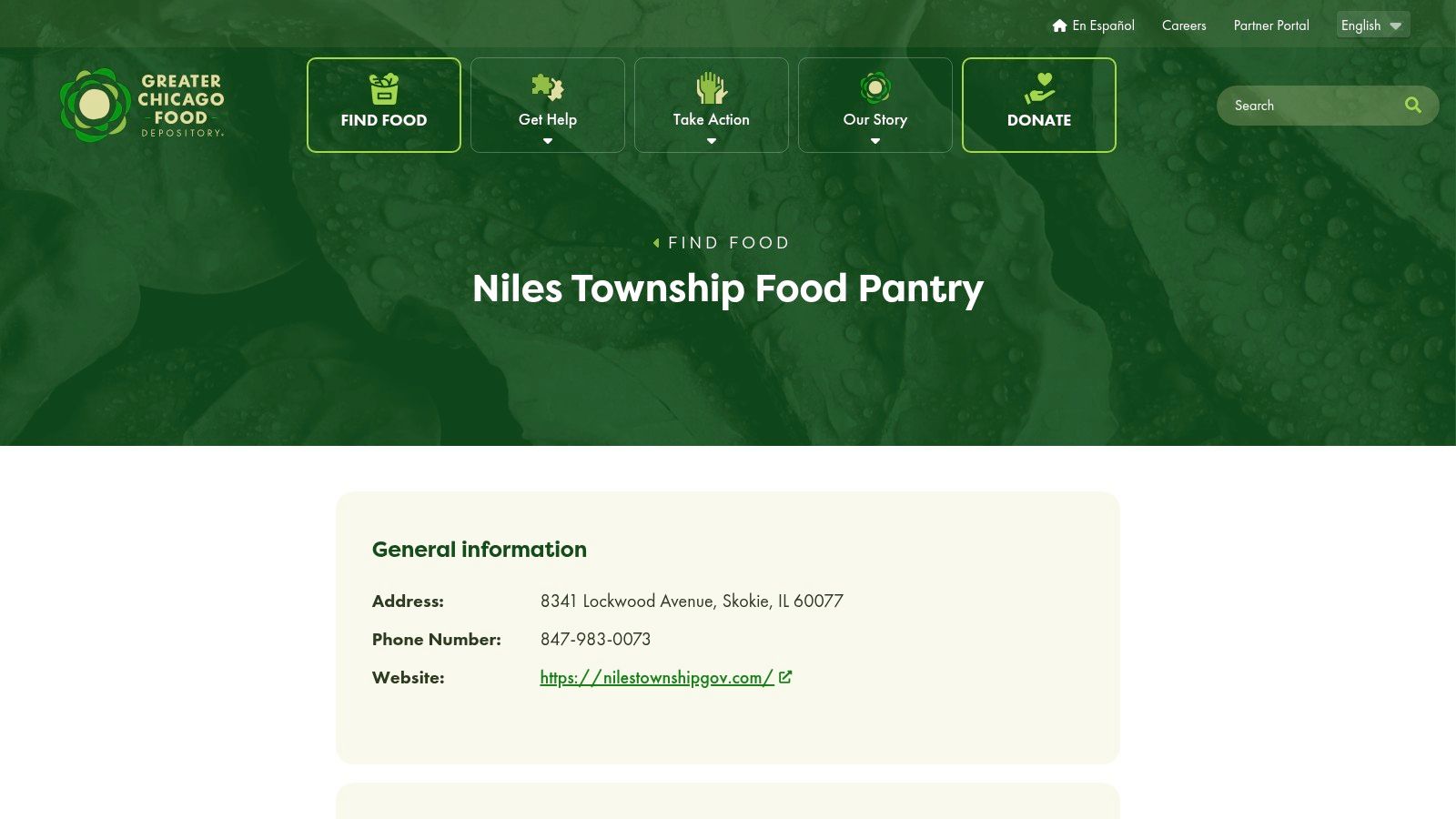
    Niles Township Food Pantry (Official)

    The first time you go looking for help, you usually want one thing fast. A place that is real, open, and clear about what happens when you walk in.

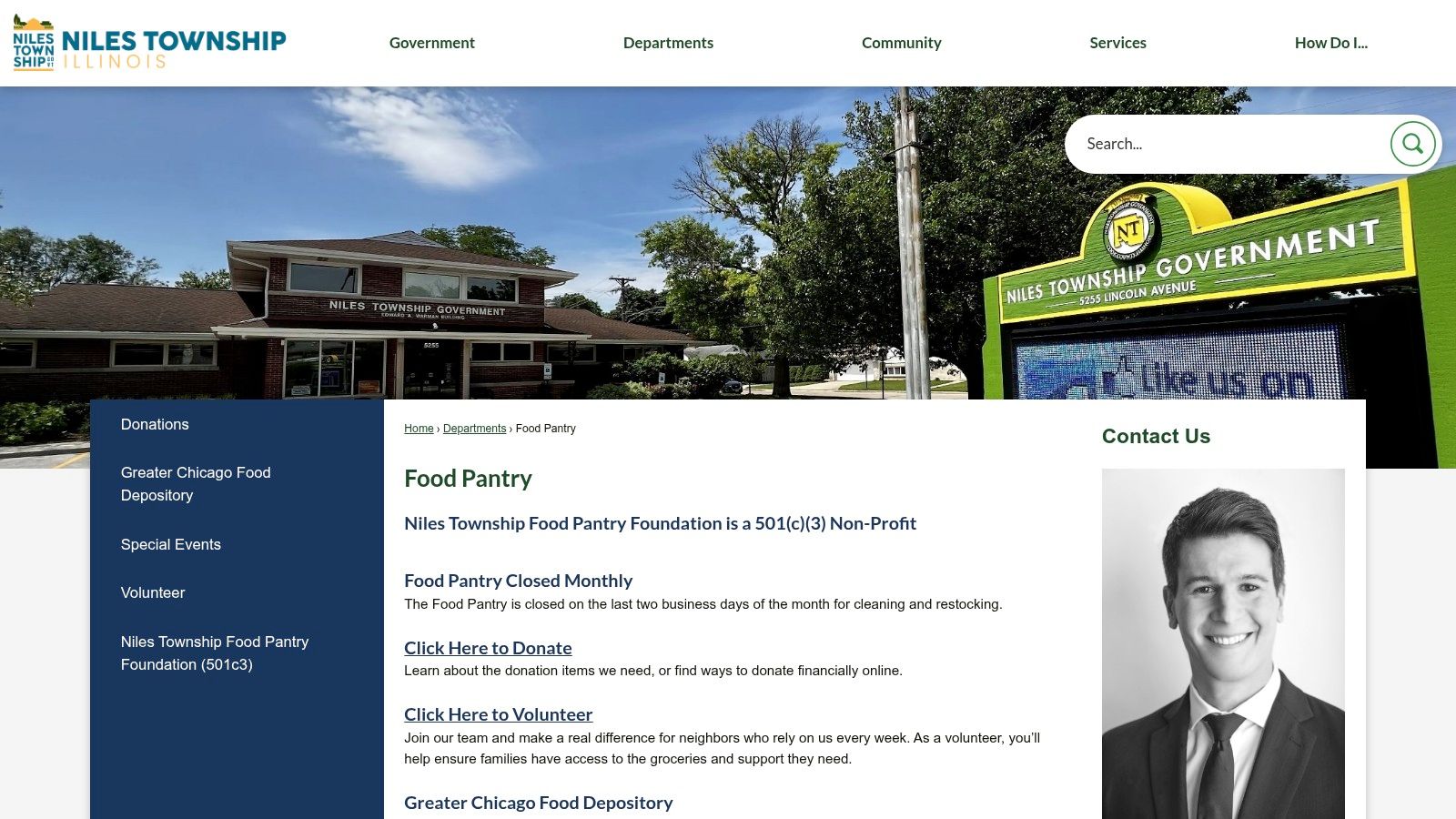
    That’s why I’d start with the official Niles Township Food Pantry page. If you mean the main, government-run niles township food pantry, this is the one people are usually talking about. It serves township residents, explains what ID and proof of residency you need, and lists regular weekday hours. There’s also a Tuesday evening option, which can make a huge difference if your workday leaves no room to breathe.

    I like that kind of clarity. When money is tight and your head is already full, clear instructions can feel like someone handed you a solid step instead of one more problem.

    The pantry is located at the township complex in Skokie, and that matters more than it sounds. You’re walking into a public service with posted rules, contact information, and a routine. For a lot of families, that steadiness lowers the stress. You do not have to guess whether the door will be open or whether anyone will know what to do with you once you arrive.

    There are still boundaries, and I’d rather say that plainly than leave you surprised later. This pantry is built for residents of Niles Township. Before you go, check the page for current requirements and hours, especially if you’re trying to make it work around a job, school pickup, or the end of the month.

    • Best fit: Niles Township residents who want an official pantry with clear rules and dependable service
    • What helps: Posted hours, a Tuesday evening pickup window, and straightforward eligibility information
    • What to plan for: Bring your documents and confirm the schedule before leaving home

    If asking for food feels hard, I want to say this directly. Showing up here is not giving up. It’s you protecting your household in a real, practical way. I’ve learned that strength sometimes looks quiet. You check the hours, gather your papers, and go get what your family needs.

    And if this step changes how you see community, you may want to keep that thread going later through Chicago food bank volunteer opportunities with Litter Caterpillars. Sometimes the road back to solid ground starts with receiving help, then grows into giving it.

    2. Niles Township Food Pantry Foundation

    The first time I looked beyond a pantry door and into the money side of things, I felt calmer. If you’ve ever stood in a parking lot wondering, “Is this place stable? Is it really going to be here next month?” you know that feeling. Seeing the Niles Township Food Pantry Foundation page helped me answer that question in a practical way.

    This page is about the support system behind the food pantry. It shows how people can donate online or by mail, and it points to financial records for anyone who wants a clearer picture of how the foundation operates. You are not applying for groceries here. You’re looking at the part of the operation that helps keep shelves stocked and programs going.

    That matters more than people admit.

    When you need help, trust is part of the meal. You want to know real people are holding this together, not just posting nice words online. For a first-time visitor, that kind of transparency can take the edge off and make the next step feel possible.

    I also like this section for a different reason. Sometimes getting help changes you. You come in worried about this week, and a month later you’re thinking about how to give back when life steadies out. If that sounds like you, another good example is this look at Casa Catalina Food Pantry in Chicago, where community support shows up in a similarly human, local way.

    • Best fit: People who want to verify the organization, donate, or understand who helps fund the pantry
    • What you’ll find: Donation options and access points for financial transparency
    • What to remember: This is a support page, not the place to start if you need pickup details or intake instructions today

    If you’re in a hard stretch, reading a foundation page might seem small. I don’t think it is. Sometimes courage looks like checking whether a place is solid, then letting yourself accept help anyway. That is self-reliance too. You’re doing the work of protecting your family, one clear decision at a time.

    3. Niles Township Food Pantry on Greater Chicago Food Depository

    Niles Township Food Pantry, Greater Chicago Food Depository Listing

    I’ve had days where getting to a pantry already felt like a small mission. You line up a ride, check the time twice, maybe pack the kids into the car, and then that little voice starts up. What if I get there and the hours changed? What if I’m in the wrong place?

    That’s why I like the Greater Chicago Food Depository listing for Niles Township Food Pantry.

    It gives you a second place to confirm the basics before you go. On hard weeks, that matters. A second check can save gas, bus fare, childcare juggling, and the emotional hit of showing up stressed and still not being sure.

    I see this page as a practical tool for brave people who are doing what needs to be done. Looking for help is not drifting. It’s planning. It’s protecting your household. It’s the same kind of steady, clear-headed move I notice in stories like this look at how Casa Catalina Food Pantry serves people in Chicago, where the details of access can shape whether someone gets through the door.

    If you’re helping a parent, a friend, or a neighbor, this listing helps even more. You can confirm the pantry exists in the broader food bank network, check location details, and feel less like you’re sending someone into the unknown.

    The limit is simple. This page is for verification, not intake. It won’t walk you through eligibility or answer every personal question, but it can give you enough clarity to take the next step with more confidence.

    4. Niles Family Services Food Pantry

    Don’t let the names blur together. The township pantry and the Village of Niles pantry are not the same thing, and that distinction can save you a frustrating trip.

    The Village of Niles Family Services Food Pantry page is for Village of Niles residents. It works more like a guided appointment than a walk-in line. You contact staff, schedule a time, and go through a brief financial assessment.

    When a guided process helps

    Some people hate paperwork. I get it. But sometimes a more guided setup helps because staff can point you to things beyond groceries. If your food problem connects to a bigger squeeze, like bills, family stress, or not knowing what programs exist, a conversation can open more doors than a box of pasta alone.

    This one may also feel more private for people who don’t want the uncertainty of a crowd.

    • Strong point: Weekday office-style access by appointment.
    • Best for: Village of Niles residents who want staff guidance and referrals, not just food pickup.
    • Tradeoff: It isn’t a simple walk-in setup, so you need to schedule and complete the intake process.

    One thing I appreciate is that the village material acknowledges real-life variety in need. It also mentions culturally meaningful foods, which matters because food isn’t just calories. It’s memory, routine, faith, comfort, and what your kids will eat.

    5. Rahmah Halal Food Pantry

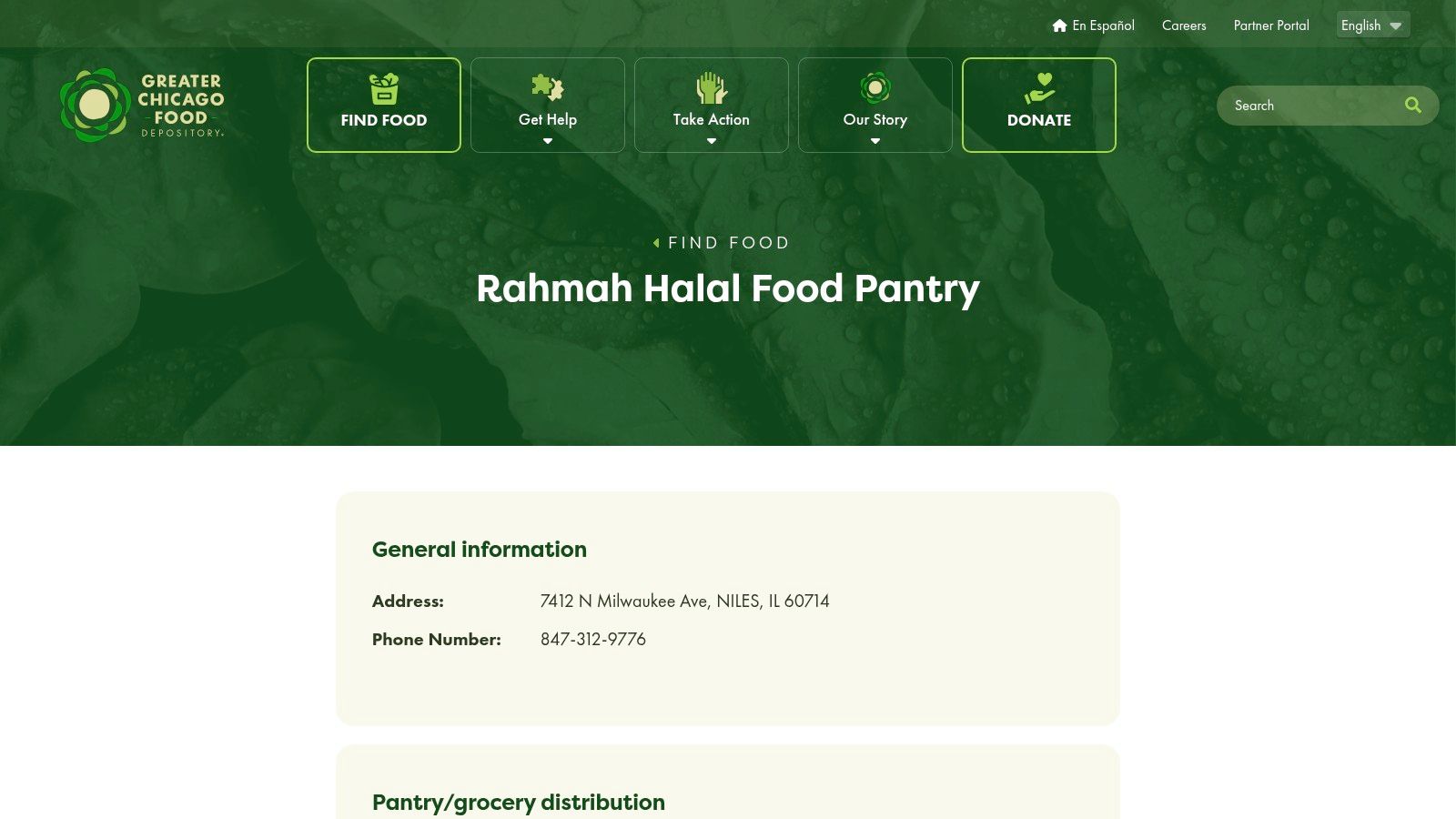
    Rahmah Halal Food Pantry (Niles)

    I keep thinking about the parent who can stretch a grocery budget to the edge, then still has to ask one more question before walking through a pantry door: Will my family be able to eat this food?

    That question carries more weight than people admit. Food help should meet hunger without asking you to set aside your faith, your routines, or the meals that make home feel like home. The Rahmah Halal Food Pantry listing from Greater Chicago Food Depository points to a Niles option with halal-focused service and set distribution windows on Wednesdays and Saturdays.

    I wanted Rahmah on this list for a reason. Asking for help already takes courage. Asking for help while trying to protect your family’s beliefs and dignity takes even more. Choosing a pantry that fits your life is not being picky. It is you taking care of your people with intention.

    That is why this place stands out.

    Some pantry descriptions stay broad and leave families guessing about what will be on the table. Rahmah answers a more human question first. Can you bring this food home and serve it with peace of mind? For Muslim households, that clarity can remove a whole layer of stress before pickup day even starts.

    I also like what this represents beyond one food box. It shows how community care gets stronger when it respects real lives, real faith, and real cultural needs. If you want to see more groups doing that kind of work, this guide to Chicago charities supported by local volunteers is a good place to look.

    • Best fit: Muslim individuals and families seeking halal food access in or near Niles.
    • Helpful detail: Wednesday and Saturday distribution can give you another option if one day does not work.
    • Limitation: The pickup windows are limited, so planning ahead helps.

    If halal food is a requirement in your home, starting here can save you time, stress, and the discouragement of showing up to the wrong place. Sometimes the brave move is simple. You choose the door that fits your family, and you walk through it.

    6. Humans at Help Foundation Food Pantry

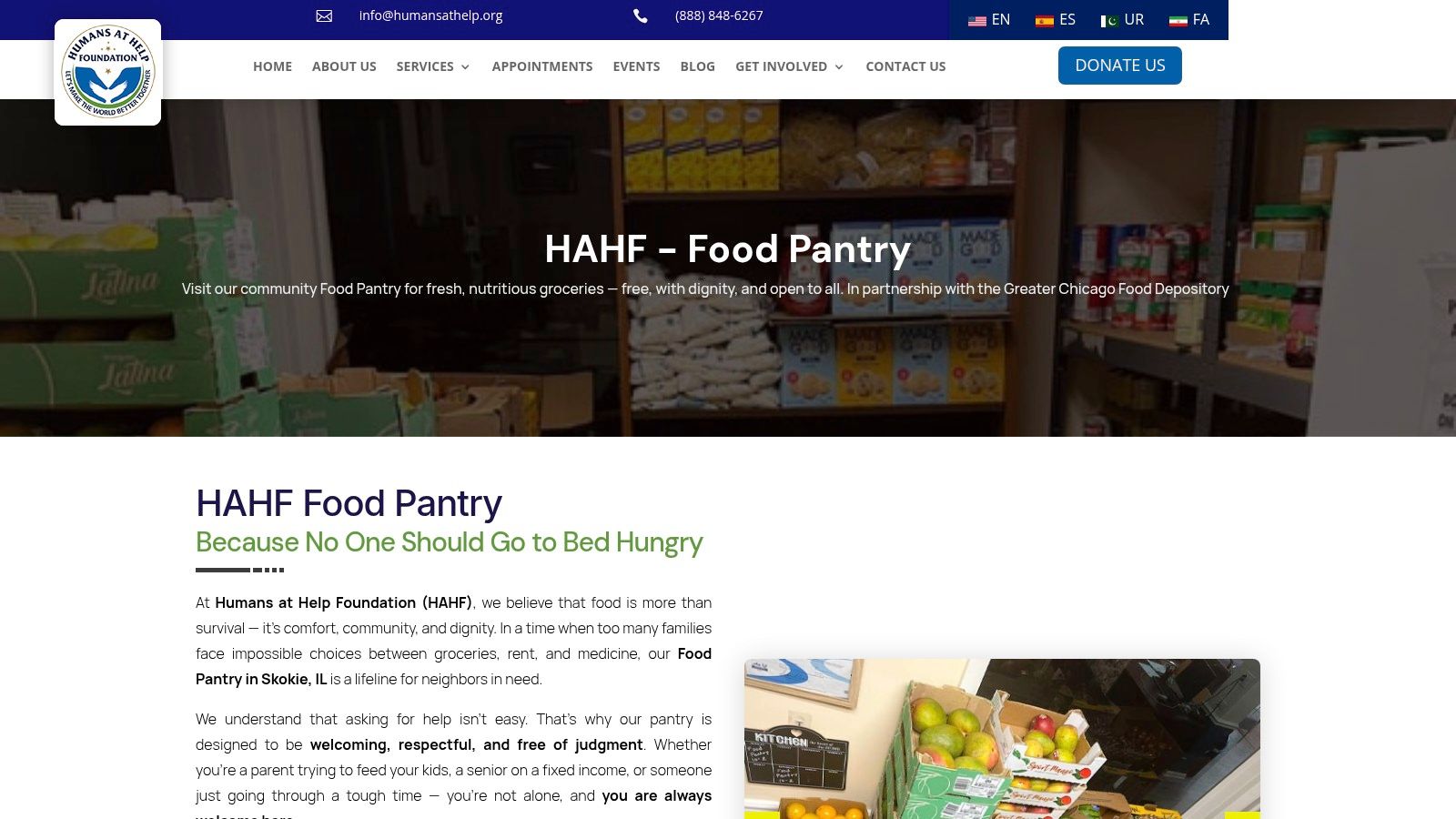
    Humans at Help Foundation (HAHF) Food Pantry (Skokie)

    Some days, the hardest part isn’t hunger. It’s the process. The forms. The fear of saying the wrong thing. The feeling that you need to prove your struggle in neat little boxes.

    That’s why the Humans at Help Foundation food pantry page stands out. It offers a first-come distribution model in Skokie and emphasizes low-barrier access. If you need food and the thought of paperwork makes your chest tighten, this kind of place can feel like a door opening instead of another wall.

    Low barrier can be lifesaving

    I admire this setup because it respects urgency. You might not have all your documents lined up. You might be between addresses. You might just need to feed people before the week breaks you.

    Volunteer-run spaces like this carry a certain kind of warmth. Not polished warmth. Human warmth.

    You do not need to earn kindness by performing your hardship perfectly.

    A practical upside is Saturday access. If weekday hours don’t match your job or caregiving schedule, that can make all the difference. If you care about plugging into neighborhood service more broadly, Chicago charities supported by local volunteers show how this spirit of mutual aid spreads beyond one pantry.

    The tradeoff is that first-come systems can bring lines and changing inventory. I’d treat this as a strong immediate-need option, especially when simplicity matters more than predictability.

    7. CityLine Bible Church Food Pantry

    CityLine Bible Church Food Pantry (Niles)

    I’ve learned that hunger and loneliness often travel together. You can solve one for a day and still feel the other sitting beside you in the car.

    The CityLine Bible Church pantry registration page feels different because it offers food in a setting built around welcome. Their pantry runs on the first and third Saturdays, and they host it inside the café area with breakfast and coffee.

    More than a transaction

    That kind of setup won’t be for everyone. Some people want speed and privacy. Others need warmth just as much as they need groceries. CityLine leans toward warmth.

    I respect that because shame gets quieter when a room feels normal. A coffee cup in your hand can do more for your nerves than people realize.

    • What stands out: Saturday distribution, community feel, and limited delivery for people who can’t get there.
    • Who may like it: Anyone who wants a softer, more relational environment.
    • Possible downside: A church-based setting may not feel comfortable for every person or family.

    If isolation has been part of your struggle, this kind of place can help in two ways at once.

    8. A Just Harvest

    A Just Harvest (Rogers Park, near Niles Township)

    Sometimes you need groceries for the week. Sometimes you need lunch today. I never like articles that pretend those are the same problem.

    A Just Harvest helps because it offers both a weekly pantry and daily grab-and-go lunches. It’s in Rogers Park, so it may be a longer trip depending on where you live, but the low-barrier approach can make that trip worth it.

    Good for the day that’s in front of you

    What I like here is the honesty of the model. It doesn’t assume everybody can wait for the next distribution cycle. If today is the hard day, there’s something for today.

    Their pantry also keeps access simple, with no documentation required for that service according to the organization’s site. That kind of straightforwardness can steady you when everything else feels tangled.

    A hot meal can do something groceries can’t. It buys you a little peace right now.

    If your need is immediate and you don’t want intake hurdles, keep this option in your back pocket. It’s not the niles township food pantry itself, but it’s part of a wider survival map that can keep you moving.

    9. The Friendship Center Chicago

    The Friendship Center Chicago (Albany Park/Lincoln Square)

    If I could redesign every pantry experience, I’d borrow from The Friendship Center Chicago. Their client-choice model lets people select food more like a grocery trip than a prepacked box.

    That may sound like a small detail until you’ve carried home food your family won’t eat. Choice protects dignity, cuts waste, and makes help useful.

    Choice changes the feeling

    I think this is one of the most respectful pantry models around. It treats you like a person making decisions, not a problem being processed.

    They also offer more than shelf food alone. The site highlights home delivery for eligible seniors and people with disabilities, plus a pet food pantry. I love that last part because pets are family in a lot of homes, and feeding them can become one more stress point when money gets tight.

    • Best fit: People who care about choice, dietary fit, and wraparound support.
    • Helpful feature: Delivery can remove a huge barrier for people with mobility limits.
    • Limitation: It’s outside Niles Township, so travel or service boundaries may affect access.

    This is a strong example of what hunger support can look like when dignity stays at the center.

    10. Hersh’s Fridge

    When people talk about community, I usually wait to see if they mean it. A community fridge means it.

    Hersh’s Fridge is a mutual-aid fridge and pantry setup in Skokie with open access. No scheduled intake. No office vibe. You take what you need, and if you’re able later, you leave what you can.

    The late-night lifeline

    I’m especially grateful places like this exist because hunger doesn’t keep office hours. Need can hit at night, after work, between paychecks, or on the wrong side of a missed bus.

    This won’t replace a full pantry trip. Inventory changes, and outdoor mutual-aid setups depend on what neighbors contribute. But for that gap moment, when you need milk, bread, fruit, or just enough to steady the next day, it can be a quiet lifesaver.

    • Best for: After-hours needs, small emergency gaps, and people who want zero paperwork.
    • Beautiful part: It runs on trust.
    • Real limitation: What’s there today may not be there tomorrow.

    I think places like this remind us of something important. Receiving help doesn’t always have to move through official channels to be real. Neighbors can keep each other afloat too.

    Top 10 Niles Township Area Food Pantry Comparison

    Resource Core Features Reliability ★ Access & Cost 💰 Target Audience 👥 Unique Selling Point ✨🏆
    Niles Township Food Pantry (Official) Regular M–F hours, Tue evening, seasonal drives ★★★★☆ Free service; ID/residency required 💰 Township residents needing steady support 👥 Centralized, predictable schedule ✨
    Niles Township Food Pantry Foundation (501c3) Fundraising, 990s, online giving ★★★☆☆ Donation-focused; transparent reporting 💰 Donors & partners tracking impact 👥 Turns dollars into local meals; financial transparency 🏆✨
    GCFD Listing, Niles Township Pantry External listing w/ hours & contact ★★★★☆ Informational; no service cost 💰 Anyone verifying hours before visiting 👥 Official backup source for up-to-date hours ✨
    Niles Family Services Food Pantry (Village of Niles) Appointment-based pickups, assessments ★★★★☆ Free with appointment; village residency limits 💰 Village of Niles residents needing guided help 👥 Personalized intake & referrals; case support ✨
    Rahmah Halal Food Pantry (Niles) Halal items, Wed & Sat windows ★★★★☆ Free; limited windows 💰 Muslim families seeking culturally appropriate food 👥 Culturally responsive halal distribution 🏆✨
    Humans at Help Foundation (HAHF) Pantry (Skokie) No paperwork, volunteer-run, Thurs & Sat ★★★★☆ Free; first-come first-served 💰 People needing immediate, low-barrier help 👥 Radical hospitality, no intake barriers ✨
    CityLine Bible Church Food Pantry (Niles) 1st & 3rd Sat, café setting, limited delivery ★★★★☆ Free; bi-monthly schedule 💰 Those seeking community connection on weekends 👥 Warm breakfast + community vibe; limited delivery ✨
    A Just Harvest (Rogers Park) Daily grab‑and‑go meals + Wed pantry ★★★★★ Free; very low barrier 💰 Anyone needing daily meals or low‑barrier pantry 👥 Daily hot meals + equity-focused services 🏆✨
    The Friendship Center Chicago Client-choice pantry, home delivery, pet pantry ★★★★★ Free; some services by appointment 💰 Clients valuing dignity, seniors, pet owners 👥 Grocery-style choice model & home delivery 🏆✨
    Hersh’s Fridge (Community Fridge, Skokie) 24/7 neighborhood fridge & pantry cabinet ★★★☆☆ Free, always open; donations welcome 💰 Walk-up, after-hours needs; mutual-aid contributors 👥 Round‑the‑clock access; stigma‑reducing mutual aid ✨

    You Are Not Alone in This

    Look at that list for a second. Not as a directory. As proof.

    Proof that when life gets tight, you are not standing by yourself in some empty parking lot, hoping nobody notices you’re struggling. You are standing in a real community, with real people, real shelves, real volunteers, real staff, and real places built for this exact moment.

    That matters, because shame lies to you. It tells you that needing help means you failed. I don’t buy that for a second. I think getting help is a lot like showing up to clean a block that looks too far gone. At first, all you see is the mess. You feel small. Then somebody hands you a bag, somebody else starts on the corner, and suddenly the whole thing changes. You’re not drowning in the problem anymore. You’re part of the response.

    That’s what taking the first step toward the niles township food pantry can feel like.

    And yes, I know the step can still feel hard. You might worry about what to bring, whether you qualify, whether you’ll say something awkward, whether someone will judge you. Most of us can act tough until we need something. Then all the old pride and fear show up at once. But bravery isn’t having no fear. Bravery is moving while fear talks.

    If you live in the township and want the most direct official route, start with the township pantry. If you need a backup confirmation on hours, use the food bank listing. If your schedule is tricky, a Saturday option might fit better. If halal food matters, pick the pantry built for that. If paperwork is the barrier, choose a lower-barrier site. If today’s problem is a hot meal, not next week’s groceries, go where lunch is available. If the hour is late and you just need enough to get through morning, a community fridge can be the bridge.

    You do not need to solve your whole life in one trip.

    You just need one good next move.

    Here’s what I’d do. Pick the place that feels least overwhelming. Put the address in your phone. Pull up the website. Check the hours one more time. Gather the documents if that site needs them. Then go. Not because everything is fixed. Because action creates air. Action gives you a little room to breathe.

    And when you walk through that door, try to leave one thought behind. The thought that you’re taking something you didn’t earn. Communities build these systems because people matter. Because hard seasons happen. Because food should not become a private punishment.

    I’ve learned that strength doesn’t always look like carrying everything alone. Sometimes it looks like admitting the bag is heavy and reaching for another set of hands. That’s not weakness. That’s wisdom.

    So if today is your day to make that move, I’m with you in spirit. Go get the help. Feed your family. Give yourself a little margin. Let that first step count as a win, because it is one.

    You showed up for yourself. You chose motion over shame. That’s how change starts.


    If Litter Caterpillars speaks to you, take a look at Litter Caterpillars. Their whole spirit is about bravery, service, and rebuilding yourself by showing up for your community. If you’ve been through a hard season and want a way to turn that pain into strength, their volunteer work can be a powerful next chapter.