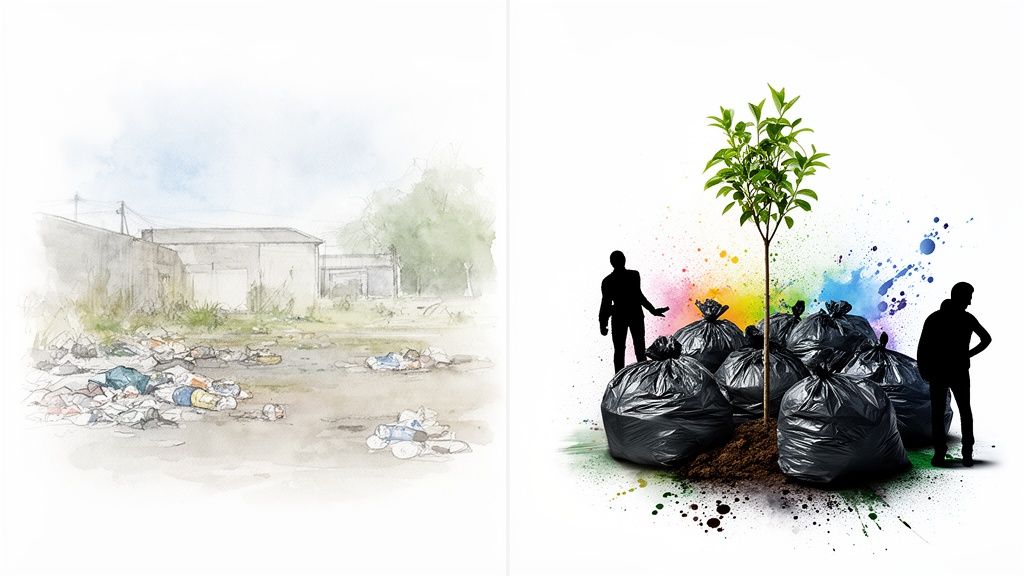
I found the jam jar when I was looking for mustard. It sat in the back of my fridge like a tiny haunted object, sticky on the lid, old enough to belong to a different version of me.
The Mess You Cannot Move
That jar should've been easy to throw away. It weighed almost nothing. My hand could lift it without effort. But my mind couldn't.
I knew where I got it. A trip to Michigan. A hopeful weekend. A version of me who bought nice jam and thought life was about to come together. So when I looked at that jar, I didn't see spoiled food. I saw a memory, a promise, and a quiet little accusation.
Then there was the bag of nuts from the time I tried to become the kind of person who meal-prepped and drank more water. I failed at that too. So the trash wasn't trash. It was evidence.

When an object turns into a verdict
I used to look around my room and feel embarrassed by how small the problem looked from the outside. A plate in the sink. Clothes on a chair. Mail on the floor. Nothing dramatic. Nothing movie-worthy.
But inside my chest, it felt like I was trying to drag a boulder with fishing line.
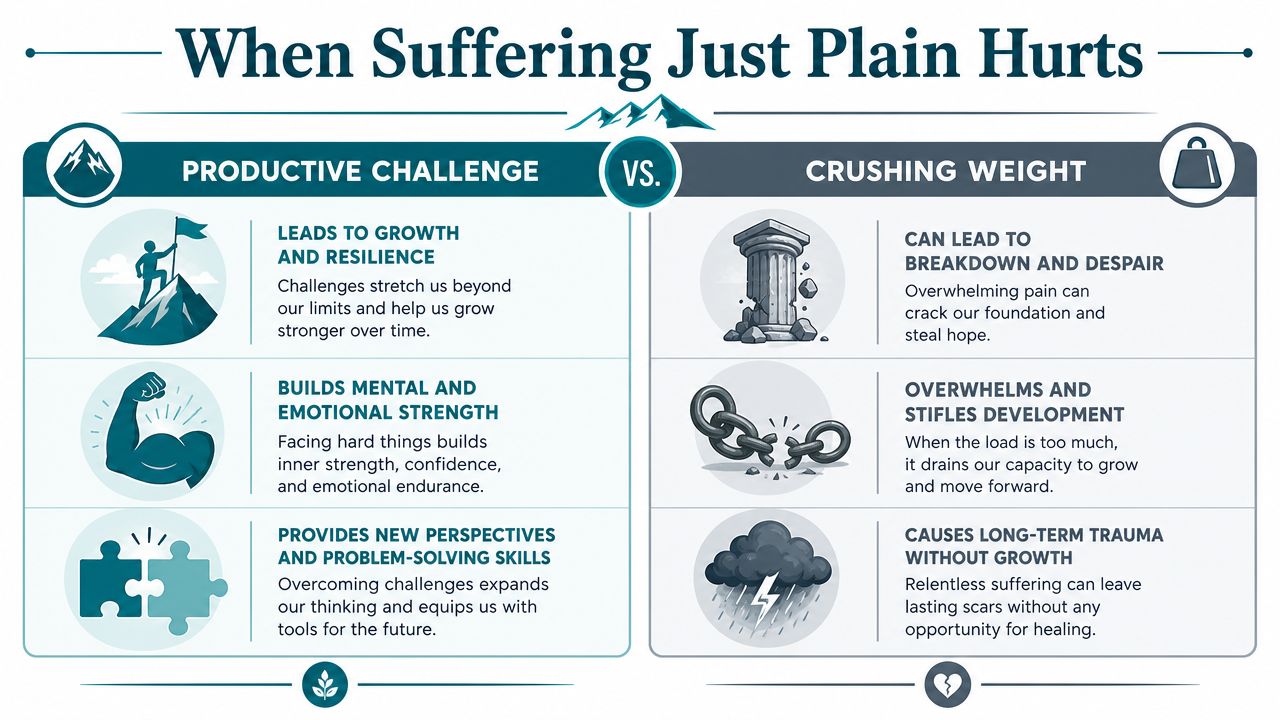
One piece of trash weighed less than a pound, but to me it felt like a 500-pound weight. That was the strange part. I could work, text people back, make jokes, and pretend I was fine. Then I'd freeze in front of a cardboard box or an expired condiment like I was staring down a wild animal.
You can know something is small and still feel crushed by it.
Maybe your obstacle isn't a messy room. Maybe it's an email you can't send. A conversation you keep postponing. A gym bag by the door that hasn't moved. A draft, a debt, a breakup, a pile of laundry, a half-finished application. Small things can pin you to the ground when they hook into shame.
The breaking point
My life got worse as my space got worse. I don't mean in some poetic, cinematic way. I mean in a plain, ugly way. I stayed in a long, chaotic relationship with someone selfish and always partying, and my own disorder gave that chaos a place to live.
I let too much slide. I made excuses. I kept stepping around messes, literal and emotional, because touching them meant admitting they were real.
If you're in that spot now, I want to say something simple. You're not lazy. You're not broken. You're carrying meaning, memory, fear, and self-judgment inside things that other people call easy.
Before I changed anything, I had to admit that the obstacle was real. Not dramatic. Real.
Pinpointing the Real Weight of Your Obstacles
I couldn't start cleaning until I stopped calling my problem "being messy." That label was too cheap. It flattened everything.
The room wasn't the issue. The stories in the room were.
Read your mess like a diary
When I finally got honest, I started asking a rough question about every object I couldn't deal with: What is this thing protecting me from?
That old jam jar protected a memory. The health food wrappers protected an identity I wanted and couldn't keep. Old gifts protected dead relationships. Random paper piles protected me from deciding what still mattered and what didn't.
If you want to get serious about overcoming personal obstacles, try this exercise with whatever "mess" you keep avoiding. I don't just mean physical clutter. I mean the thing in your life that keeps staring at you.
Ask yourself:
- What story attaches to this thing: Is it failure, guilt, nostalgia, fear, or unfinished hope?
- What decision am I avoiding: Throwing something out often means admitting a season of life is over.
- What identity do I lose if I let this go: Sometimes we keep junk because we still want proof that we once tried.
- What feeling hits me first: Shame feels different from grief. Fear feels different from confusion.
Write the answers down. Don't try to sound smart. Use ugly, honest language if that's what comes out.
My clutter had roots
When I dug into my own mess, I found two roots.
The first was my chaotic relationship. I kept living in emotional noise, and clutter fit that life too well. Disorder outside matched disorder inside. Cleaning up felt like betrayal because it would've forced me to admit that my life had become something I didn't want.
The second root was a fear of consistency. A single grand effort felt exciting. Quiet repetition felt terrifying. I could dream about becoming organized. I didn't trust myself to become a person who washed one dish, answered one message, showed up one Saturday at a time.
Practical rule: If a task feels absurdly heavy, the weight is probably emotional, not practical.
A quick sorting method
You don't need a perfect journal routine for this. You need a rough sorting tool. I like three buckets.
| Bucket | What it sounds like in your head | What it usually means |
|---|---|---|
| Past | "I used to be different" | grief, regret, nostalgia |
| Present | "I can't deal with this right now" | overload, shame, fatigue |
| Future | "What if I fail again" | fear, perfectionism, avoidance |
Pick one obstacle and sort it.
If it's that untouched resume, maybe it sits in future because you fear rejection. If it's old clothes, maybe it sits in past because you miss who you were when you wore them. If it's the sink full of dishes, maybe it sits in present because your nervous system is already maxed out.
Questions that cut deeper
I had to stop asking, "Why am I like this?" That question is a trap. It turns you into a problem.
These questions helped more:
- What does this obstacle let me postpone?
- What pain do I avoid by leaving it untouched?
- What small truth would I have to accept if I acted today?
That last one hits hardest. Throwing away old junk sometimes means saying, "That chapter is dead." Sending the email means saying, "I want this enough to risk looking foolish." Making the appointment means saying, "I can't outrun this anymore."
That is the actual weight. Once you can name it, the obstacle stops feeling like fog. It becomes something you can grab.
The Tom Sawyer Method of Motivation
I didn't beat my own mess by staring at it harder. I beat it sideways.
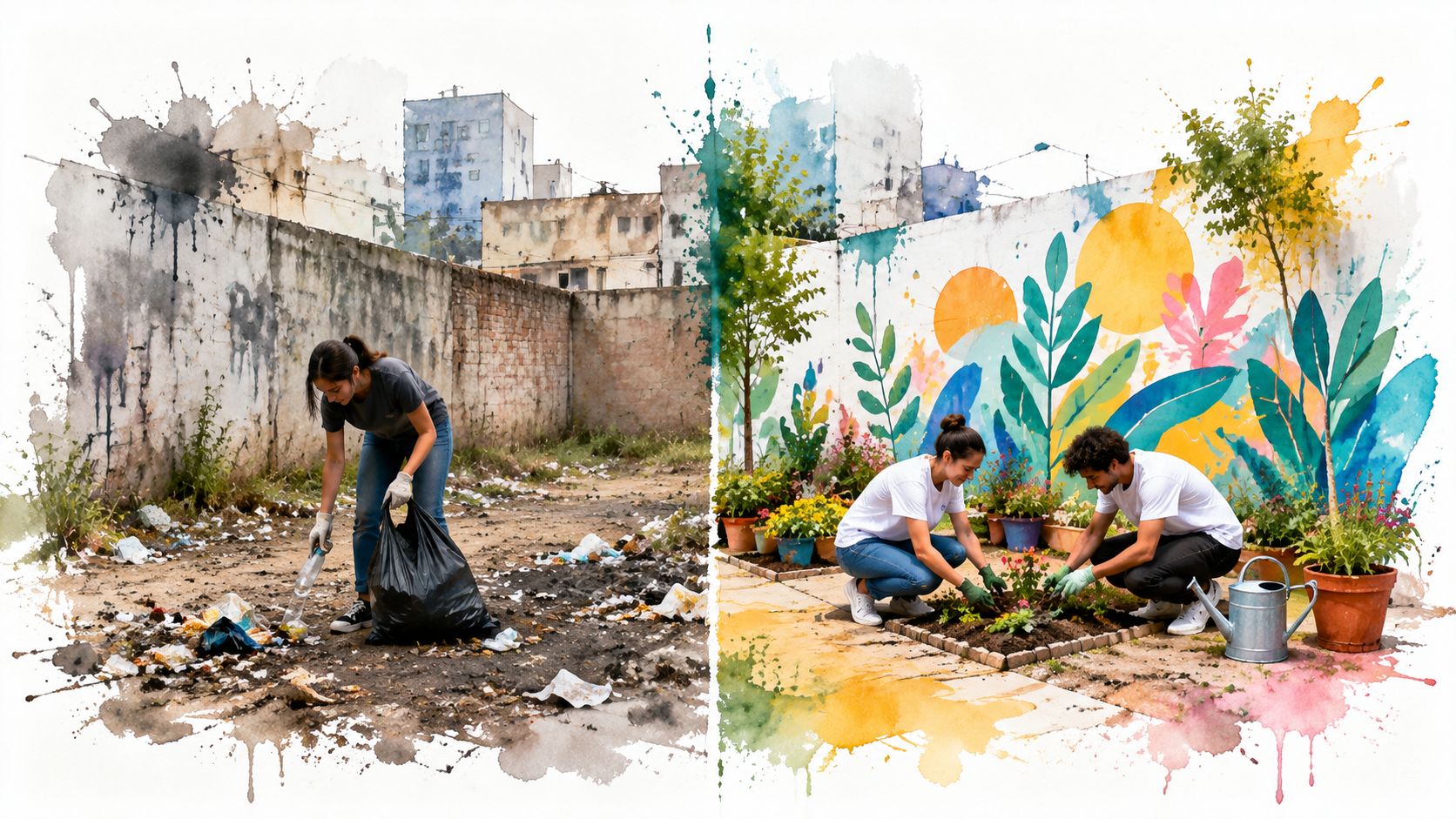
I started picking up trash that belonged to strangers, and somehow that made it easier to face the junk in my own life. It sounds ridiculous until you've done it.
Why other people's mess feels lighter
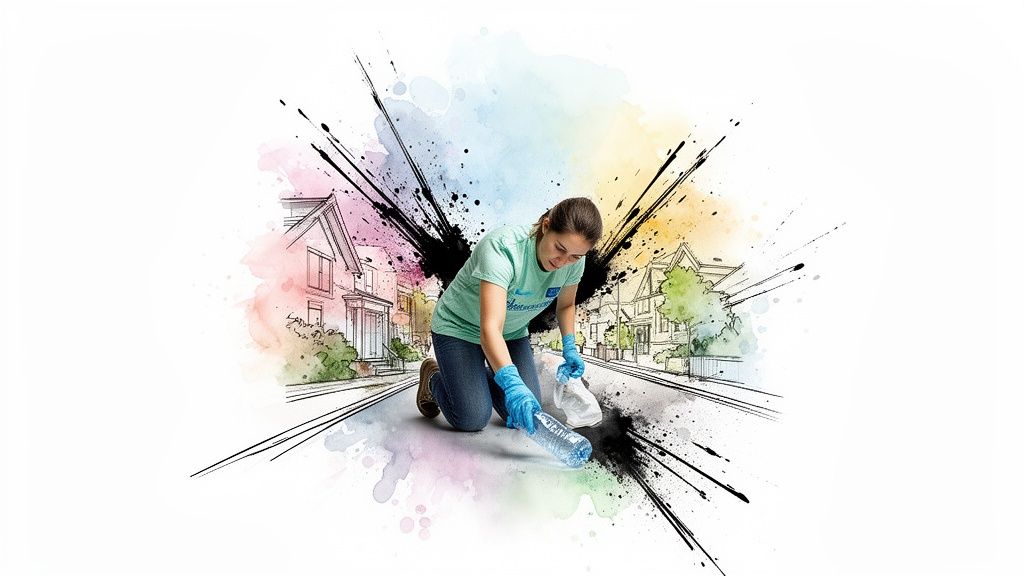
When I went outside and picked up litter, the work felt clean in a way my own room never did. A bottle on the curb didn't carry my history. A fast food bag in the grass didn't know my failures. There was no emotional backstory. I saw trash, I grabbed it, and the block looked better.
That simple loop did something important. It gave me evidence that I could act.
The old Tom Sawyer story nails this. He got stuck painting a fence, then reframed the whole thing until other people wanted in. I don't care whether you love the story. I care about the trick inside it. The trick is this: when you change the frame, you change the energy.
Helping other people can do that. Service turns self-improvement from a private courtroom into a visible task.
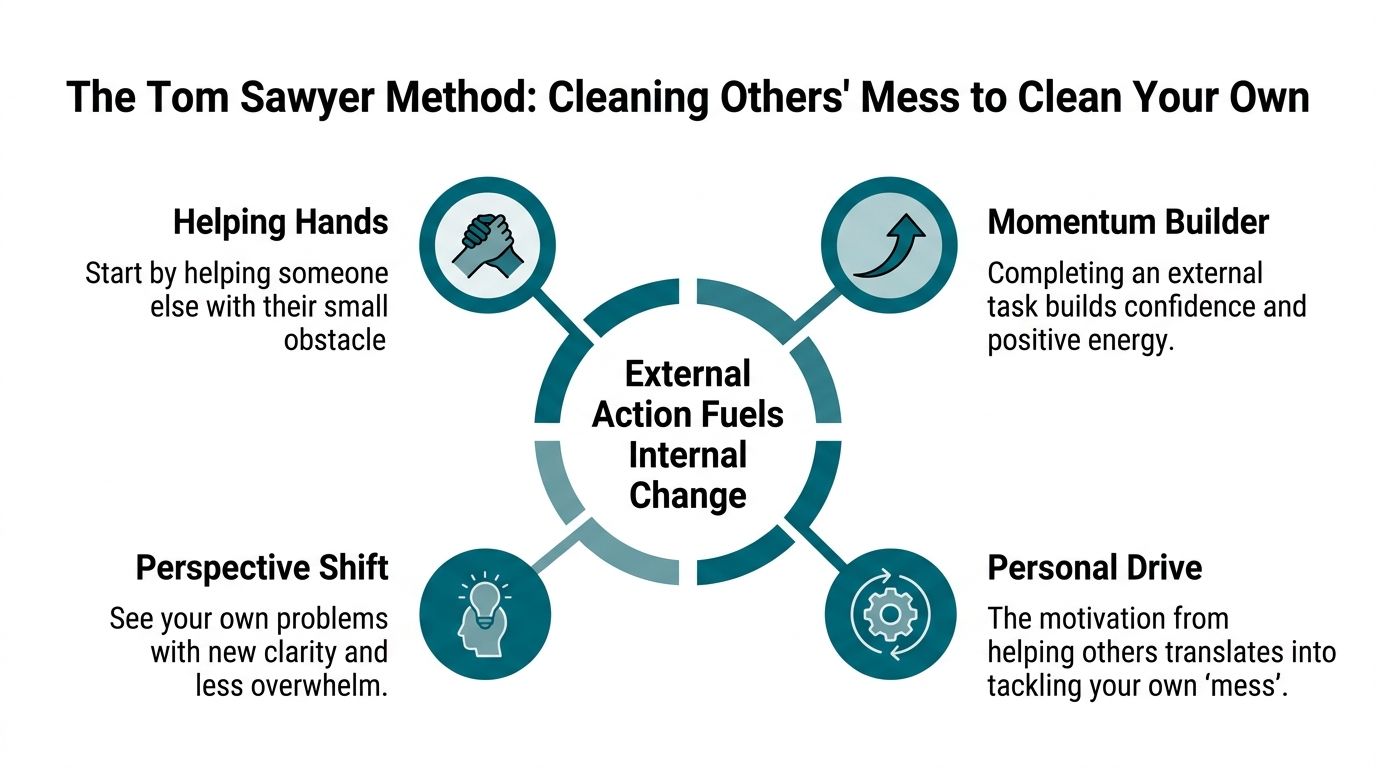
External action creates internal motion
When you're stuck in your own head, introspection can become quicksand. You keep thinking, sorting, processing, analyzing. Hours pass. Nothing moves.
External service breaks that spell.
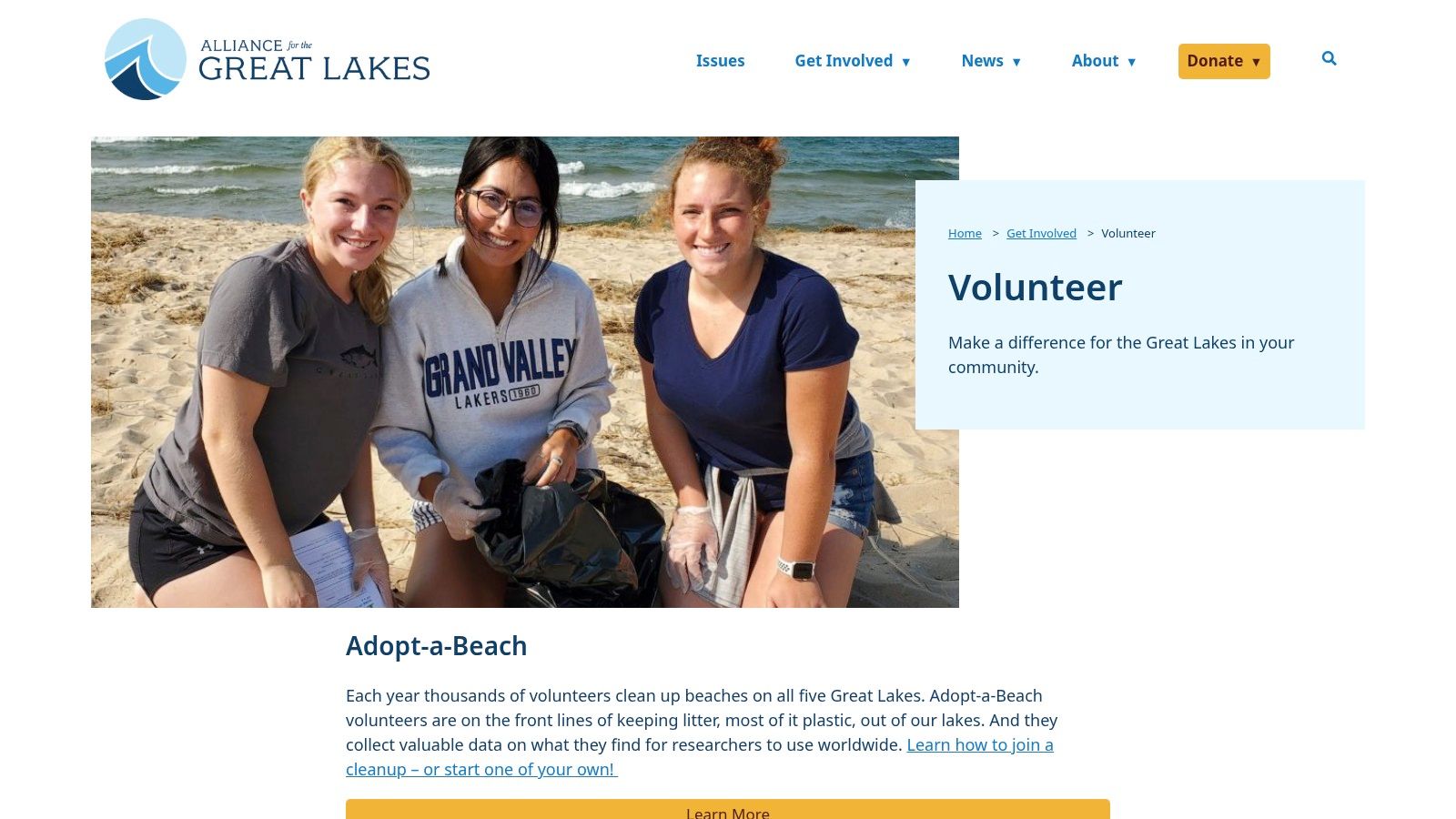
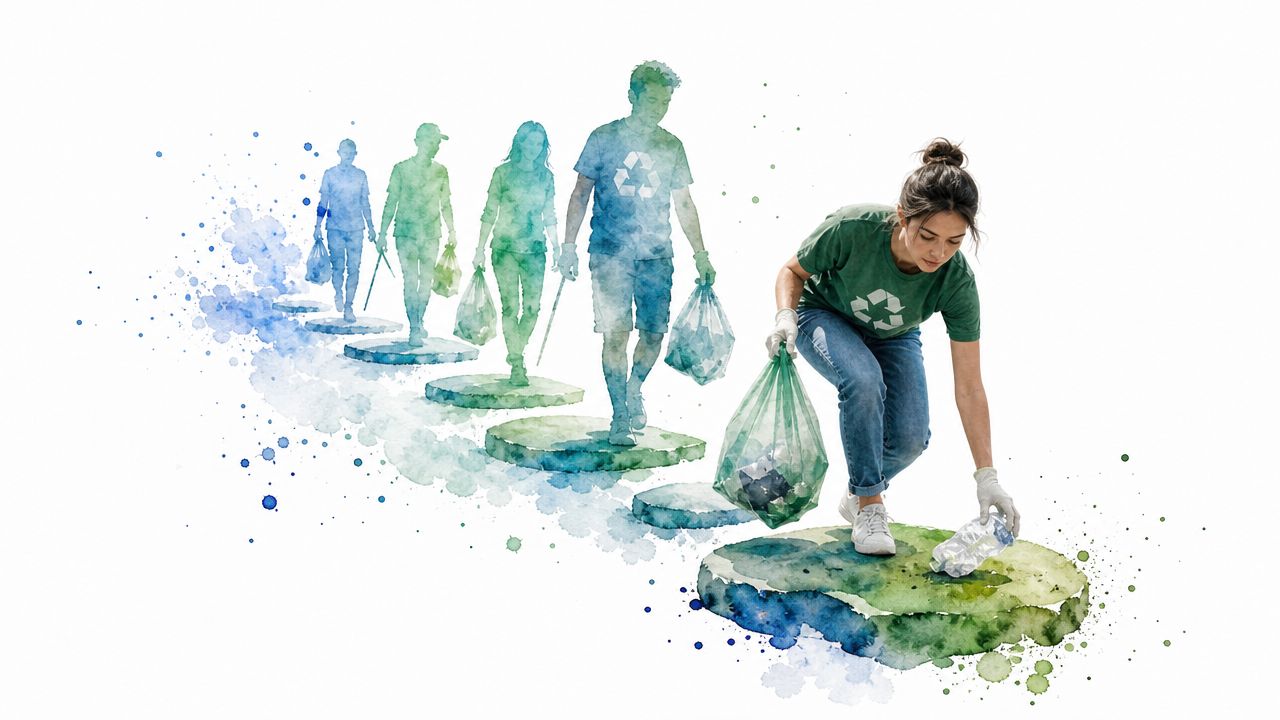
You don't need a giant mission. You need a concrete task that gets your body involved and points your attention outward. Pick up litter. Help a friend sort a closet. Walk an older neighbor's groceries upstairs. Sweep a shared hallway. Wipe down the break room at work without making a speech about it.
Here's why this works:
- The task is visible: You can see before and after with your own eyes.
- The stakes are lower: You're not wrestling your whole identity. You're doing one useful thing.
- Your body joins the process: Motion cuts through rumination.
- You build trust fast: You keep a promise, even a small one.
I learned a lot from reading about intrinsic motivation and what keeps action going from the inside. The part that mattered most to me was simple. Lasting drive usually grows better from meaning than from self-scolding.
Do something useful before you feel ready. Readiness often shows up late.
Find your fence to paint
Your "fence" should be tangible, slightly uncomfortable, and easy to repeat. It should also help someone or improve a shared space.
Try one of these:
- For mental fog: Take a trash bag and clean one stretch of sidewalk near your home.
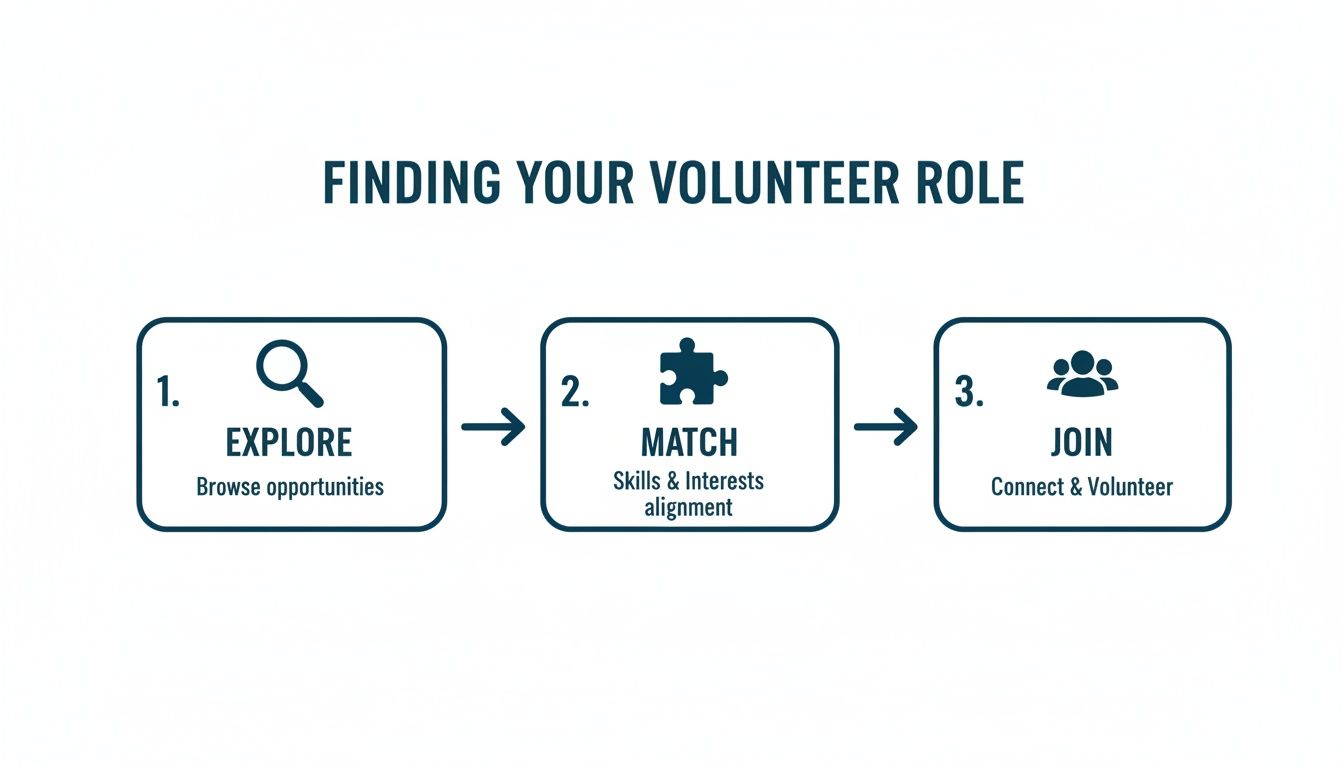
- For loneliness: Join a recurring volunteer shift where people work side by side.
- For procrastination: Help someone else finish a task with a clear endpoint.
- For low self-trust: Pick one weekly service habit and protect it.
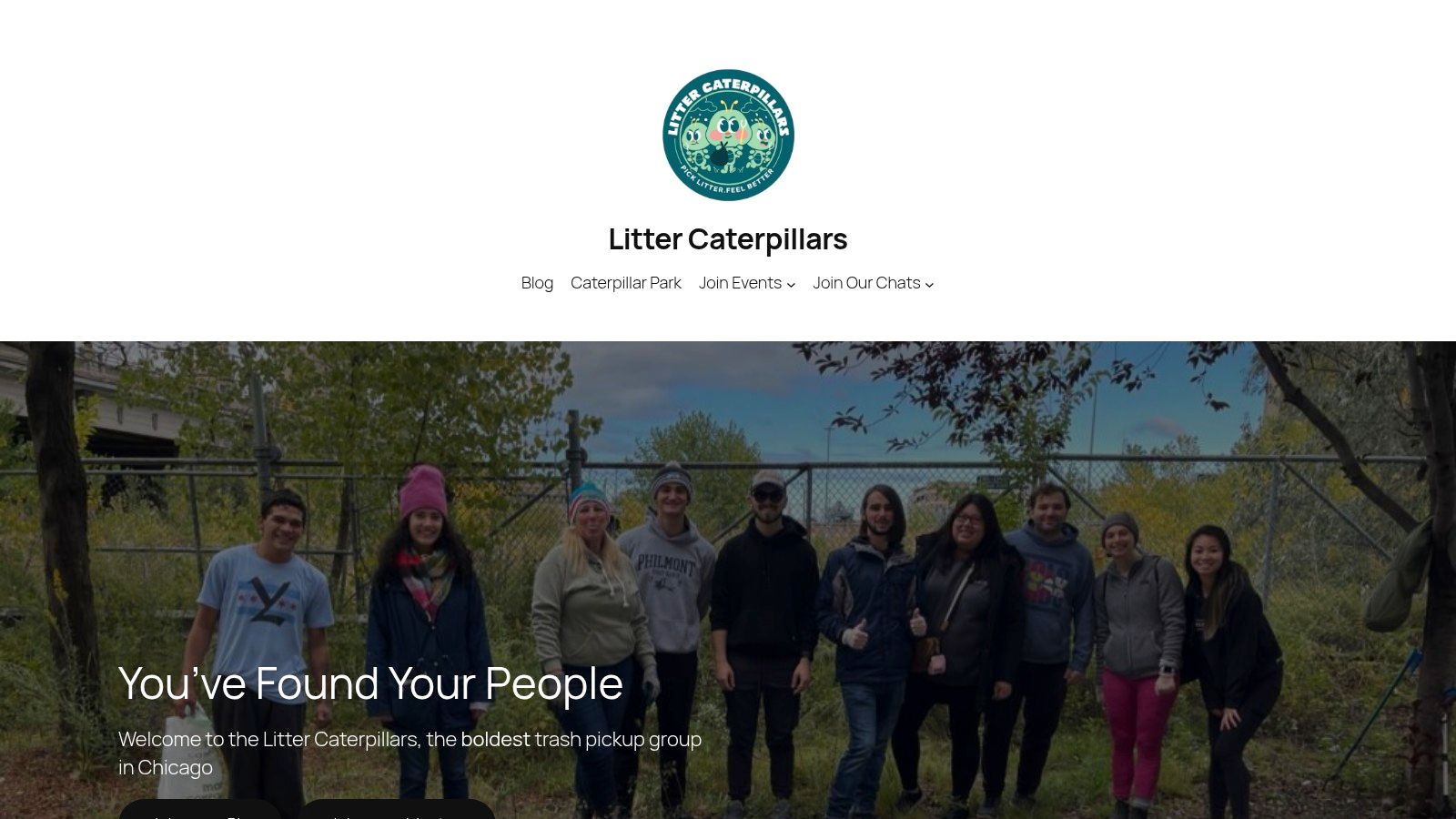
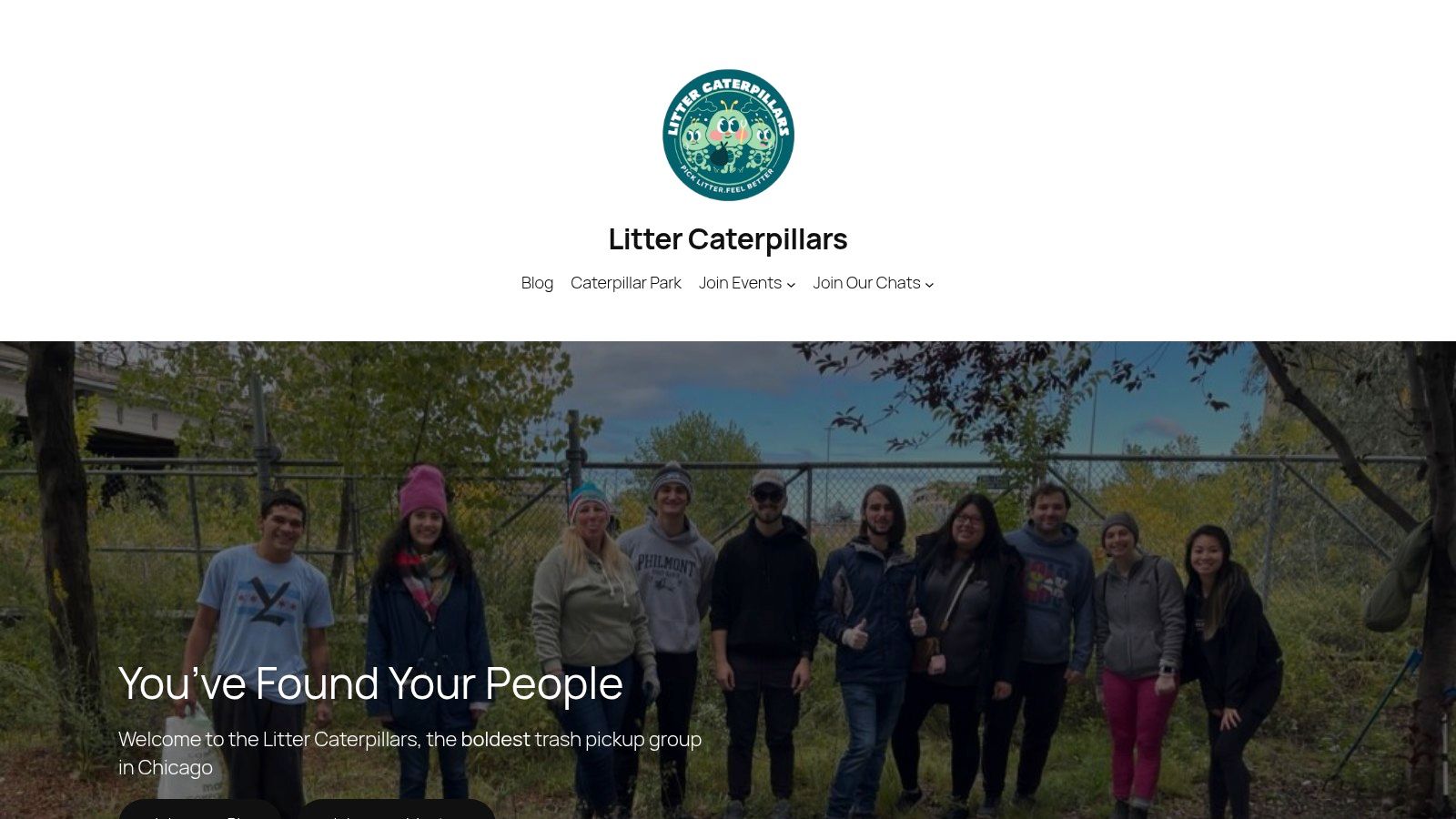
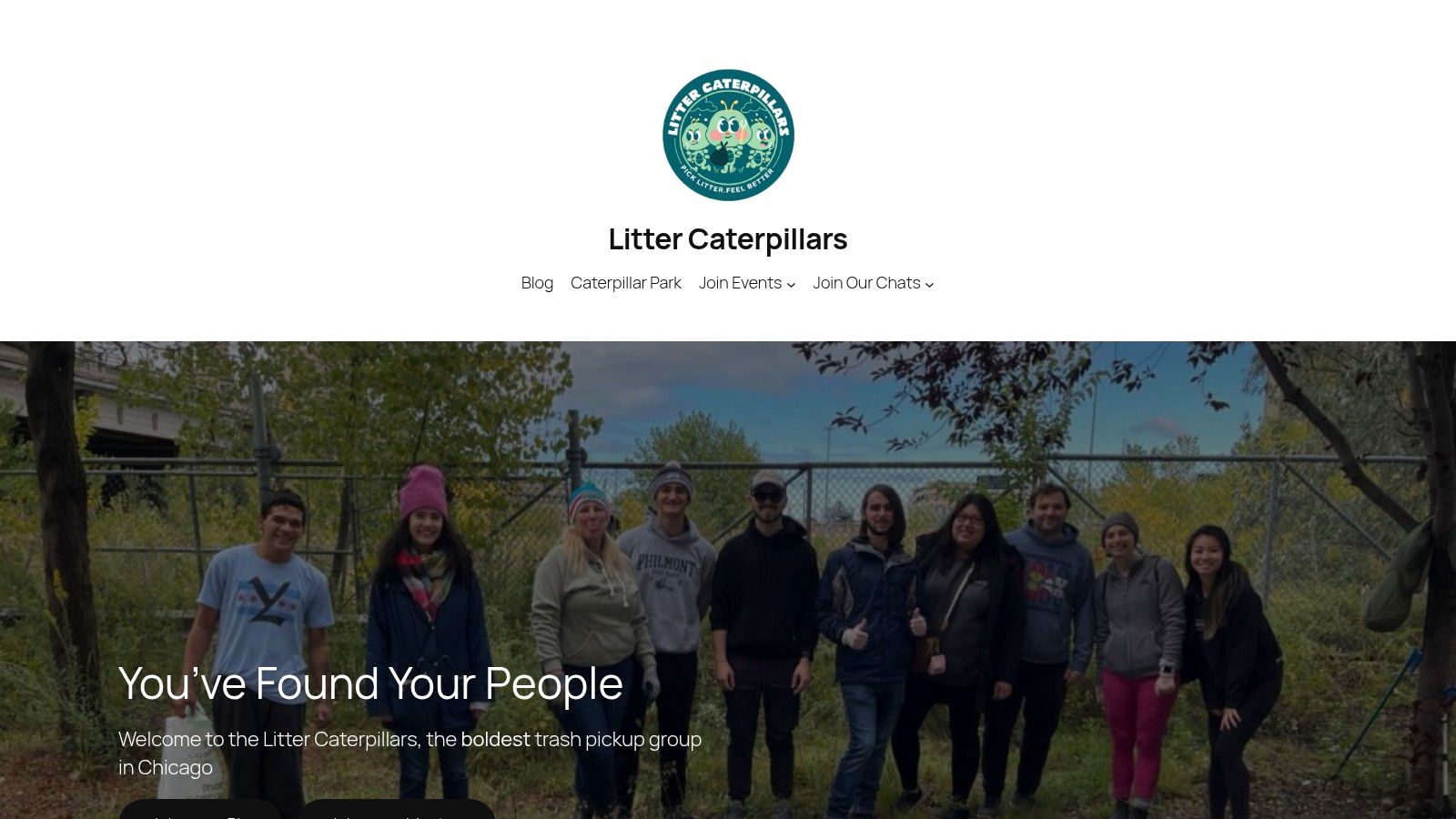
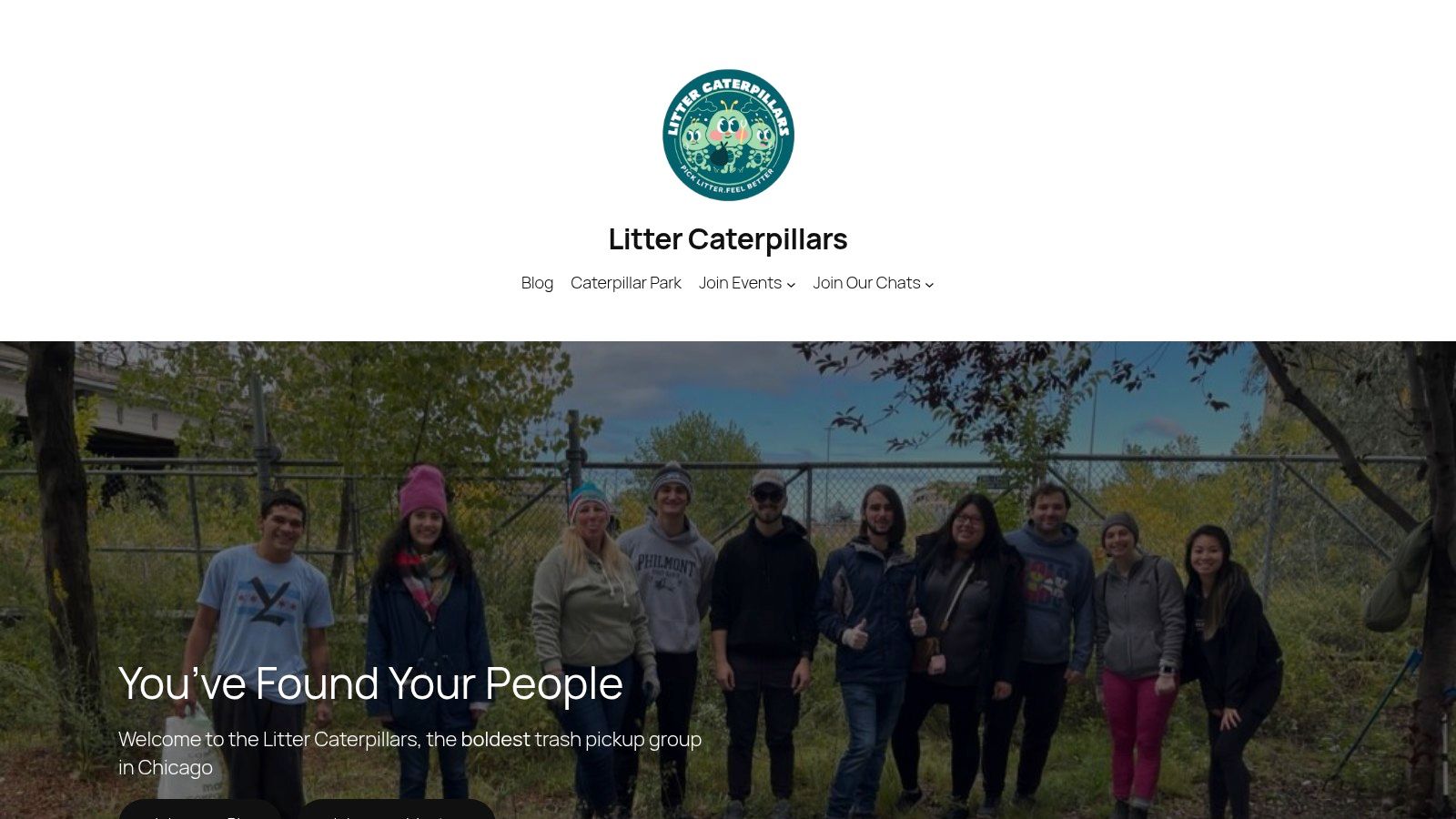
I know one option firsthand. Litter Caterpillars runs volunteer trash pickups in Chicago on weekend mornings, which gives people a recurring, physical way to practice service, consistency, and courage in public. But the method matters more than the group name. If you're nowhere near Chicago, your version can be different.
Why this strange route works
Your brain loves proof. It doesn't care much about your speeches.
If you tell yourself, "I'm changing," but your days stay the same, the words rot. If you spend one morning helping clean a block, carrying bags, talking to people, and making a place look better, you have proof. Small proof, yes. But proof has teeth.
That is why I call this the Tom Sawyer method. Reframe the hard thing. Turn growth into service. Make the job visible. Let action pull your mind behind it.
Creating Your Caterpillar Transformation Plan
Big goals can make you freeze. "Get my life together" is too large to hold. Your brain hears that and looks for a place to hide.
I had to shrink everything until it looked almost silly. That's when I could finally move.
Start with one block
A city doesn't get cleaned all at once. You do one block. Then another. Your life works the same way.
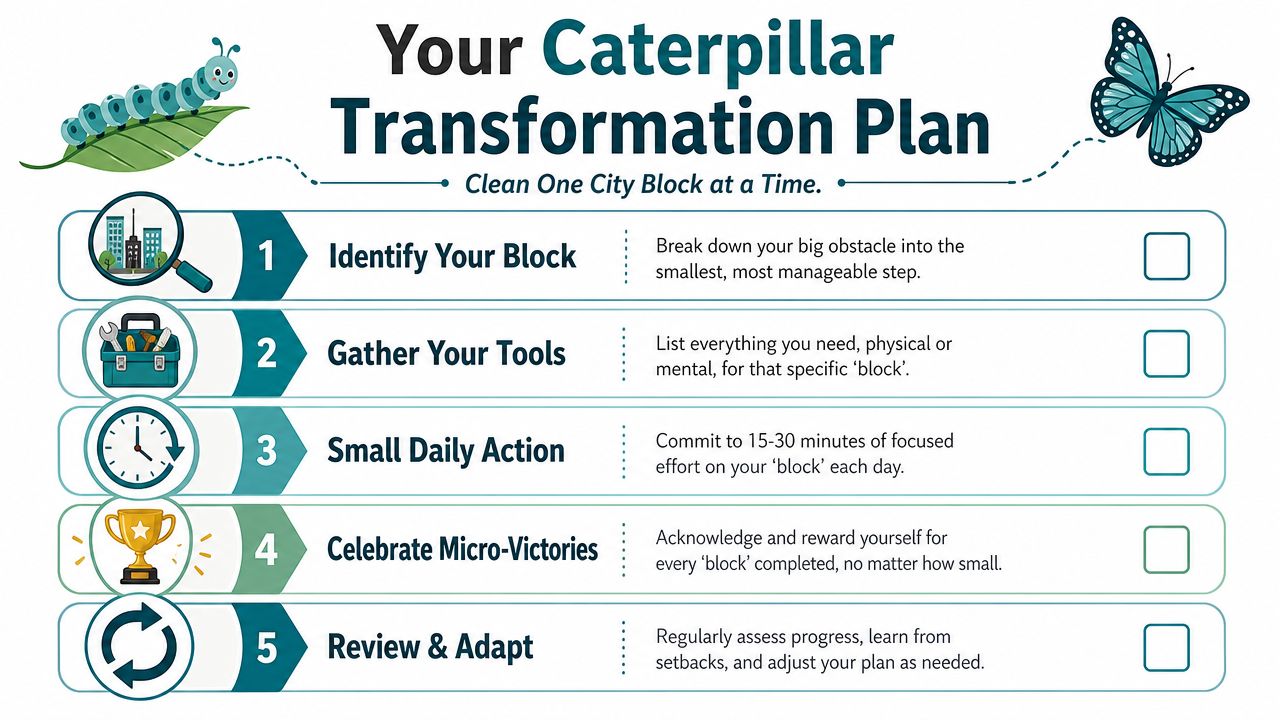
When you think about overcoming personal obstacles, don't write down the grand identity shift. Write down the smallest version of it that still counts.
Bad plan: become consistent.
Better plan: show up for one hour this Saturday with gloves and a trash bag.
Bad plan: fix my apartment.
Better plan: clear the kitchen counter and throw away expired food.
Bad plan: rebuild my social life.
Better plan: text one reliable person and ask them to join me for a useful errand.
Build a plan you can actually obey
I use a simple framework. Keep it ugly and practical.
Name the block
Choose one obstacle that bothers you enough to matter and feels small enough to touch. One drawer. One phone call. One walk around the block with a bag.List the tools
Put down what you need before the moment arrives. Trash bags. Gloves. Calendar reminder. Water bottle. Friend's number. Bus route. Shoes by the door.Set a tiny time box
Give yourself a short container. If you feel ambitious, your ambition will betray you. Short is sticky.Choose a service angle
Ask, "Who else benefits if I do this?" Shared benefit adds fuel. Cleaning your front step helps your neighbors. Calling your aunt helps her and gets you out of yourself. Returning library books helps the next person too.
A grounded check: Make the task so small that your excuse sounds a little dramatic.
A sample plan
Here is what this can look like in real life.
| Part | Example |
|---|---|
| Obstacle | I avoid my kitchen because it reminds me how scattered I feel |
| Small block | Throw away expired food and wash what is in the sink |
| Tools | Gloves, sponge, soap, trash bag, playlist |
| Time box | One short session on Saturday morning |
| Service angle | Clean one small patch outside my building after I finish |
| Win condition | I showed up and completed the block I chose |
The win condition matters. It should focus on showing up, not on becoming a new person overnight.
Keep the bar low enough to repeat
A lot of people wreck themselves by treating one good day like a personality transplant. They clean for hours, write a color-coded plan, buy containers, and then disappear for weeks.
I've done that. It feels productive. It isn't.
Repeatable action has a different texture. It's plain. It doesn't make a lot of noise. You almost feel unimpressed by it. That's usually a good sign.
Use these guardrails:
- Pick one recurring slot: Weekend morning works well because the day hasn't chewed you up yet.
- Remove setup friction: Put supplies where your hand can find them fast.
- Pair action with place: If you always start at the same corner, desk, or block, your body learns the route.
- Track proof, not perfection: Write down "I showed up" every time you do it.
When you miss a day
You will miss days. I miss days. Everyone does.
The trap is making the miss mean something huge. "See, I knew I wasn't disciplined." No. It means you missed a day.
When you slip, don't redesign your whole life. Resume the block. That is it. Start so small that you can restart while annoyed, tired, or embarrassed.
That's how a plan becomes real. It doesn't need to impress anyone. It needs to survive contact with your actual life.
Finding Your People in the Hailstorm
The first cleanup was absurd.
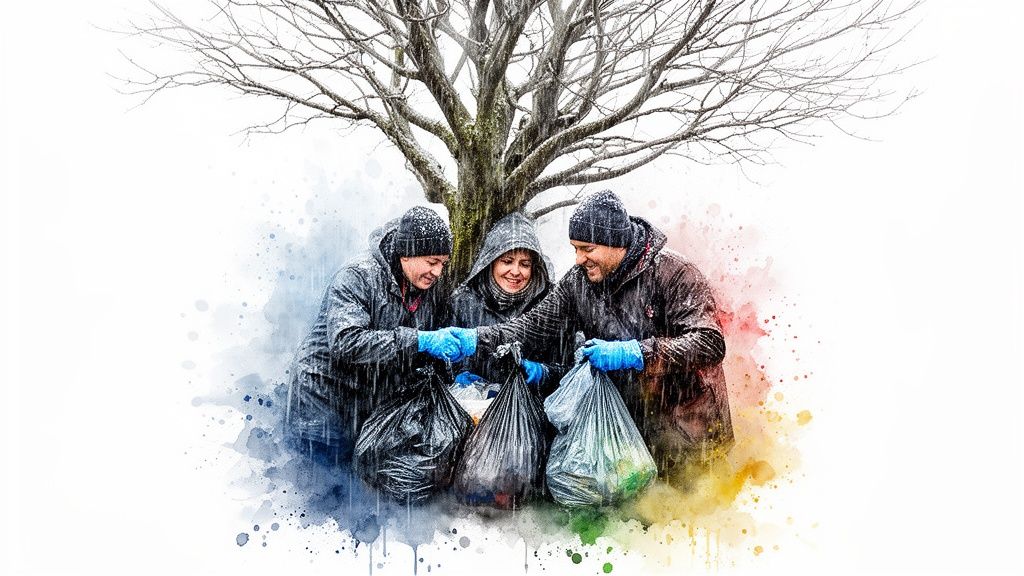
There were only three of us. The sky turned ugly, then Chicago did what Chicago does. Hail. Cold wind. Wet hands. We huddled under a tree, shivering, while Uber after Uber canceled on us.

I should've gone home angry. Instead, I felt weirdly alive.
Shared hardship has a strange warmth
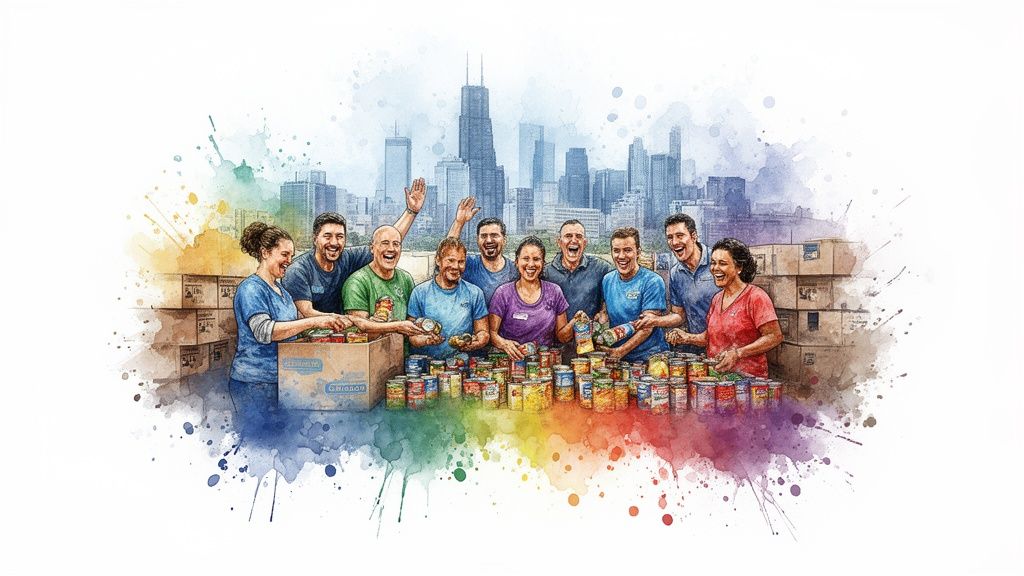
When you do something difficult with other people, the day gets a pulse. You remember the details. The wet sleeves. The stupid jokes. The look on someone's face when the weather gets worse and they stay anyway.
That kind of bond is different from casual hanging out. Talking over drinks is easy. Standing in bad weather with a trash grabber and a half-full bag tells you more about a person.
I realized something under that tree. I didn't only need better habits. I needed better people around those habits. I needed givers. People who'd show up early, carry weight, laugh when plans got messy, and help without turning everything into a performance.
Some friendships start with comfort. The durable ones often start with effort.
How to find the people who stay
You don't find solid people by making a perfect list of personality traits. You find them while doing useful things in conditions that aren't polished.
That can mean service work, mutual aid, community gardening, park cleanups, food pantries, church kitchens, neighborhood builds, or any recurring task where people trade convenience for care.
Look for these signs:
- They arrive when it's inconvenient: Rain, cold, early mornings, awkward locations.
- They don't need applause: They work without asking the room to clap.
- They make hard things lighter: Not easier, lighter. Big difference.
- They keep their word in small ways: That usually predicts the rest.
I also think a lot of social anxiety softens when you stop treating social life like performance and start treating it like teamwork. If that's your knot, this piece on how service can help with social anxiety gets at something real. It's easier to talk when your hands have a job.
Let the story get a little rough
People chase smooth experiences and then wonder why their lives feel flat. A little weather helps. A little inconvenience gives the day a shape.
This clip catches some of that spirit:
I don't mean you should seek danger or ignore safety. I mean stop rejecting every situation that has friction. Friction is where people become memorable to each other.
Build your circle on purpose
After that rough first cleanup, I made a quiet promise to myself. I would engineer my social circle more carefully. Less chaos. Less selfishness. More people who like doing good work together.
You can do that too.
Try this simple filter:
- Go where useful work happens
- Return often enough for people to recognize you
- Notice who sticks around after the easy part
- Invite one person to do one more useful thing
That last step matters. Community doesn't fall from the sky. Somebody has to text first. Somebody has to say, "Want to help me with this Saturday morning?"
When people stand with you in the hail, they change your idea of what's possible. Hard days stop feeling like private punishment. They start feeling like story.
Making Progress a Permanent Part of You
At some point, progress stops being a project and starts becoming part of your character. That shift is quiet. No trumpet. No montage.
You just notice that you are the kind of person who shows up.
Bravery has a rougher texture than people admit
I used to think bravery would feel clean and noble. It doesn't. Usually it feels awkward, underprepared, slightly embarrassed, and a little cold.
That is fine.
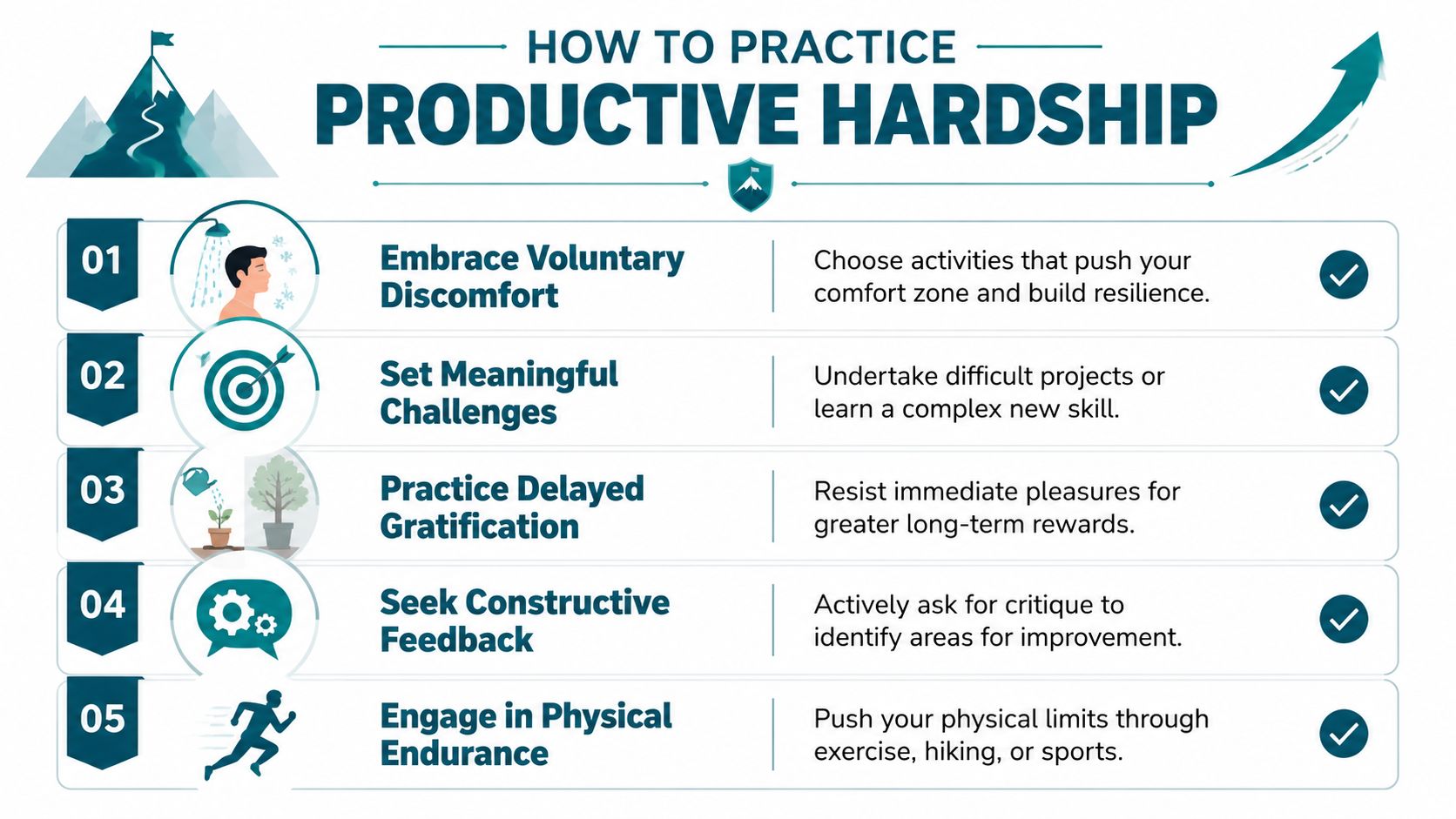
I learned to stop treating fear, failure, and suffering like signs to turn back. Sometimes they are just the price of entry. If you're serious about overcoming personal obstacles, you need a relationship with discomfort that isn't so dramatic. It can hurt and still be useful.
Identity grows from repeated proof
Pride matters here. I mean earned pride, the kind that comes from doing hard, kind things often enough that you start to believe your own record.
Sports teams have flags, songs, colors, rituals. They understand something simple. People act differently when they feel part of something and when they feel proud of what they do. You don't need to become corny about it. But you do need to let yourself say, "Yes, this is who I am now."
You are not just trying to be more reliable.
You are reliable because you keep returning.
You are not just trying to be brave.
You practice brave things on ordinary mornings.
If procrastination keeps pulling you backward, I like this practical take on how to overcome procrastination through action and repetition. The heart of it is familiar. You build momentum by doing, not by waiting for a cleaner mood.
Keep this sentence nearby: I don't need a new life today. I need one honest action that matches the person I'm becoming.
Keep your own receipts
Make your progress visible to yourself.
Use a notebook, a notes app, a wall calendar, or a scrap of paper by the door. Record the actions that matter. Showed up. Picked up a bag of trash. Cleaned the sink. Sent the text. Took the walk. Helped the neighbor. Returned after missing last week.
These are receipts for your identity.
Bad days will come. You'll feel flat. You'll slide. None of that cancels the person you are building. A rough week is weather. It isn't a verdict.
What lasts is the pattern. You keep showing up, rain or shine, and eventually your life starts to trust you. That trust is hard to describe if you've lived without it. It feels like standing up straighter inside your own skin.
And once you feel that, even briefly, you won't want to go back.
If you want a practical way to get out of your head and into motion, Litter Caterpillars has weekly Chicago cleanup events built around service, friendship, and doing hard things together outdoors. Bring gloves if you have them. Bring yourself if you don't.