

Coffee warms my hand as lake wind cuts across the morning, and Chicago gives me several good choices at once. I can wander beside the water, learn inside a museum, meet neighbors over music or food, or pick up litter with people who decided to spend part of their weekend caring for the city.
The best Chicago weekend activities don't only fill empty hours. They take me through parks, public art, local businesses, family spaces, and volunteer work, so the city feels close and touchable. I plan one morning anchor, one flexible afternoon activity, and one evening option, then check the weather, travel time, admission rules, event schedule, and expected crowds before I leave. Chicago's skyline, river tours, museums, ballparks, and lakefront attractions give me plenty of ways to build that rhythm, as this Chicago weekend guide also shows.
1. Join a Litter Caterpillars Cleanup in Your Ward
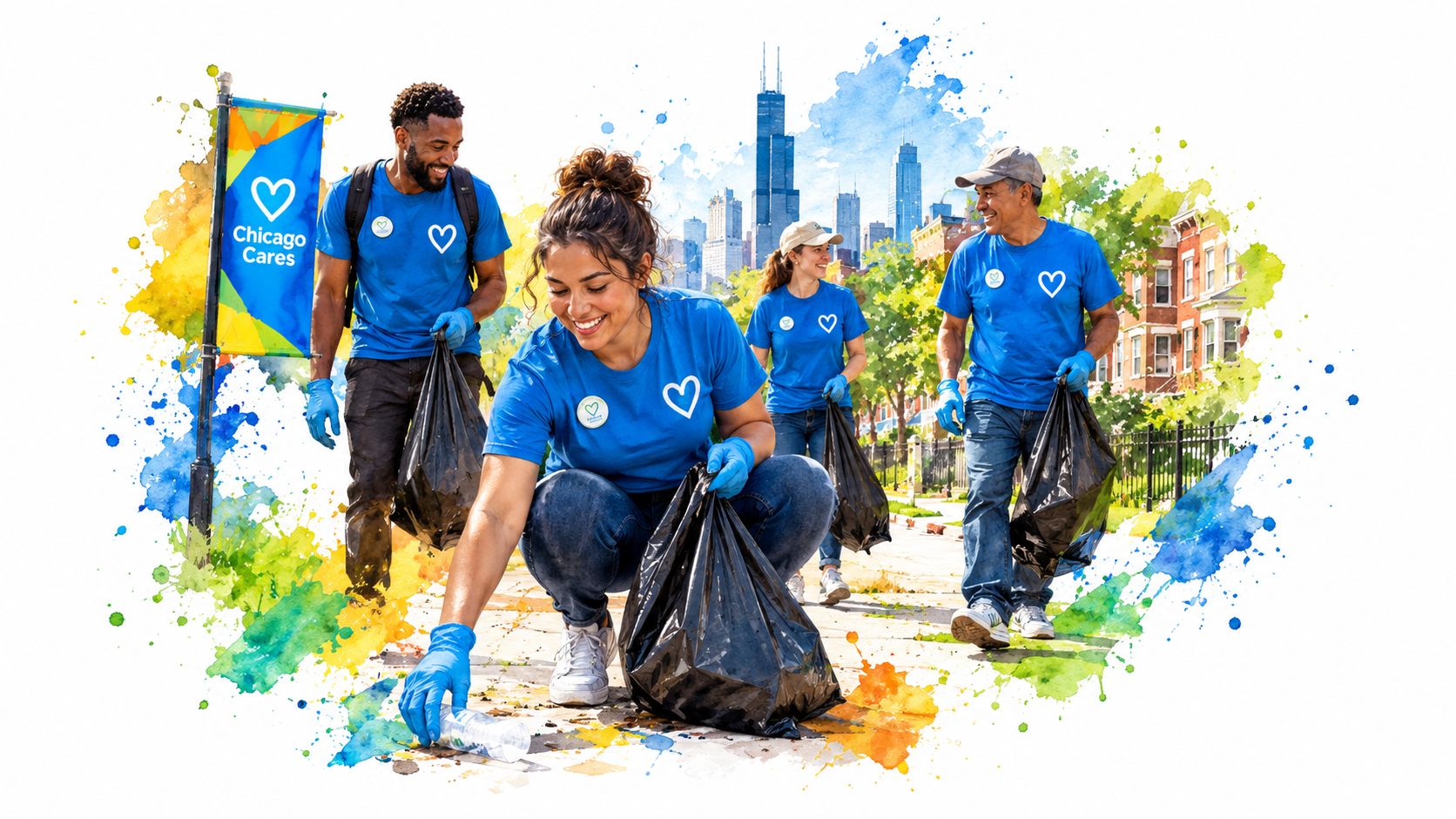
Saturday morning feels different when you trade a slow start for gloves, a bag, and a block that needs attention. Litter Caterpillars moves through all 50 Chicago wards, so you can volunteer near home or use a cleanup as a reason to visit a neighborhood you rarely see. The group meets on weekend mornings and keeps its focus on people, safety, and the simple work of removing trash together.
Kevin Tao started the group after finding that cleaning someone else's mess felt easier than cleaning his own. That idea gives the morning a warm, honest energy. You pick up wrappers and bottles, but you also talk with people who chose service, friendship, and a little discomfort over another hour indoors.
Start simply and stay connected
Bring sturdy gloves, wear clothes that can get dirty, and sign up through the group's Meetup or Instagram pages to find the next gathering. You can check the Chicago ward boundaries before choosing a location. The group has cleaned a highway during a bike-event shutdown and turned an empty Englewood lot into Caterpillar Park after winning it at auction.
Practical rule: Start with one cleanup, arrive early, and give yourself time to learn names before the work begins.
The group works through rain, heat, and winter weather, so check the forecast and dress for the conditions. After the cleanup, stay for a nearby coffee or meal. That small follow-up turns a service morning into a neighborhood connection.
Here's what the rhythm can look like: volunteer in the morning, eat nearby, then spend the afternoon exploring the same area instead of rushing across the city.
2. Explore Navy Pier and Lake Michigan
Walk toward Navy Pier with coffee in hand, and the city gradually opens into water, boats, sky, and a long view down the shoreline. You can ride the Ferris wheel, browse food vendors, play arcade games, or sit at the edge and watch the lake change color. I like this plan when I want movement without a strict itinerary.
Go early on Saturday if you want more room to walk before the crowds build. Check the pier's event calendar before leaving because concerts and other gatherings can change the feel of the afternoon. Bring sunscreen and water, then use public transit or check parking details before you arrive.
Turn a waterfront visit into a longer route
Navy Pier works well as a starting point rather than a final stop. Walk toward the Riverwalk, continue through nearby streets, or use the pier as a meeting place before a cleanup in the surrounding area. A public beach and Lake Michigan plan can help you connect the water with practical care for shared outdoor spaces.

A clear afternoon can carry several moods. Families gather around the attractions, couples watch boats return, and solo visitors find a bench with a wide view. You don't need to buy a ticket to enjoy the walk, so you can set your spending around food, rides, or a simple lakeside pause.
Bring a reusable bottle, keep food waste contained, and leave the water's edge as clean as you found it.
If weather turns rough, shorten the outdoor portion and move into an indoor attraction nearby. If the sky stays bright, let the walk stretch into sunset.
3. Visit the Art Institute of Chicago
The bronze lions outside the Art Institute make an easy meeting point on Michigan Avenue. I like to start inside with one gallery, then follow whatever catches my attention. A room of paintings may lead to sculpture, design, or objects from another period, but there is no need to chase the whole collection in one visit. An hour can feel full, while an unhurried afternoon leaves room for surprises.
The museum suits a solo outing, a family break, or a quiet reset after time outdoors. Wear comfortable shoes, use the museum app to shape your route, and leave space to stop. One painting may hold your attention longer than planned.
Check the admission window first
The museum lists Thursday evening hours from 5 to 8 p.m. Admission rules, Illinois resident eligibility, free dates, and special exhibition details can change. Check the summer museum admission guide alongside the Art Institute's own admission page before building the weekend around a visit.
A Sunday morning may offer a calmer gallery experience than a busy afternoon, though the current schedule should decide your timing. Afterward, walk through Grant Park, eat nearby, or join an afternoon cleanup. That combination gives the day a cultural stop and a practical way to care for the city.
Choose one gallery before entering. A smaller plan leaves more time to look, discuss what you see, and remember it later.
Your cost check should cover admission, resident eligibility, timed entry, and special exhibitions. Confirm each detail before leaving home, then bring only the spending you expect to use.
4. Bike Along the Lakefront Trail
A bike gives the lakefront a different pace. I can leave downtown, follow the water north toward Lincoln Park, or ride south toward Hyde Park, passing beaches, parks, piers, joggers, walkers, and other cyclists along the way. The city becomes a sequence of small scenes instead of a list of destinations.
Rent a Divvy bike or use a local shop, then choose one place to reach before you start. A specific destination makes the ride easier to pace than an open-ended promise to keep going. Start early if you want less heat and fewer people, bring water and sunscreen, and wear bright clothing where traffic crosses the route.
Give the ride a purpose
The Lakefront Trail works well as the outdoor anchor in a weekend plan. Ride in the morning, stop for food near your destination, and use the afternoon for a museum, neighborhood walk, or volunteer event. The Chicago trail guide can help you connect the ride with places that need attention.
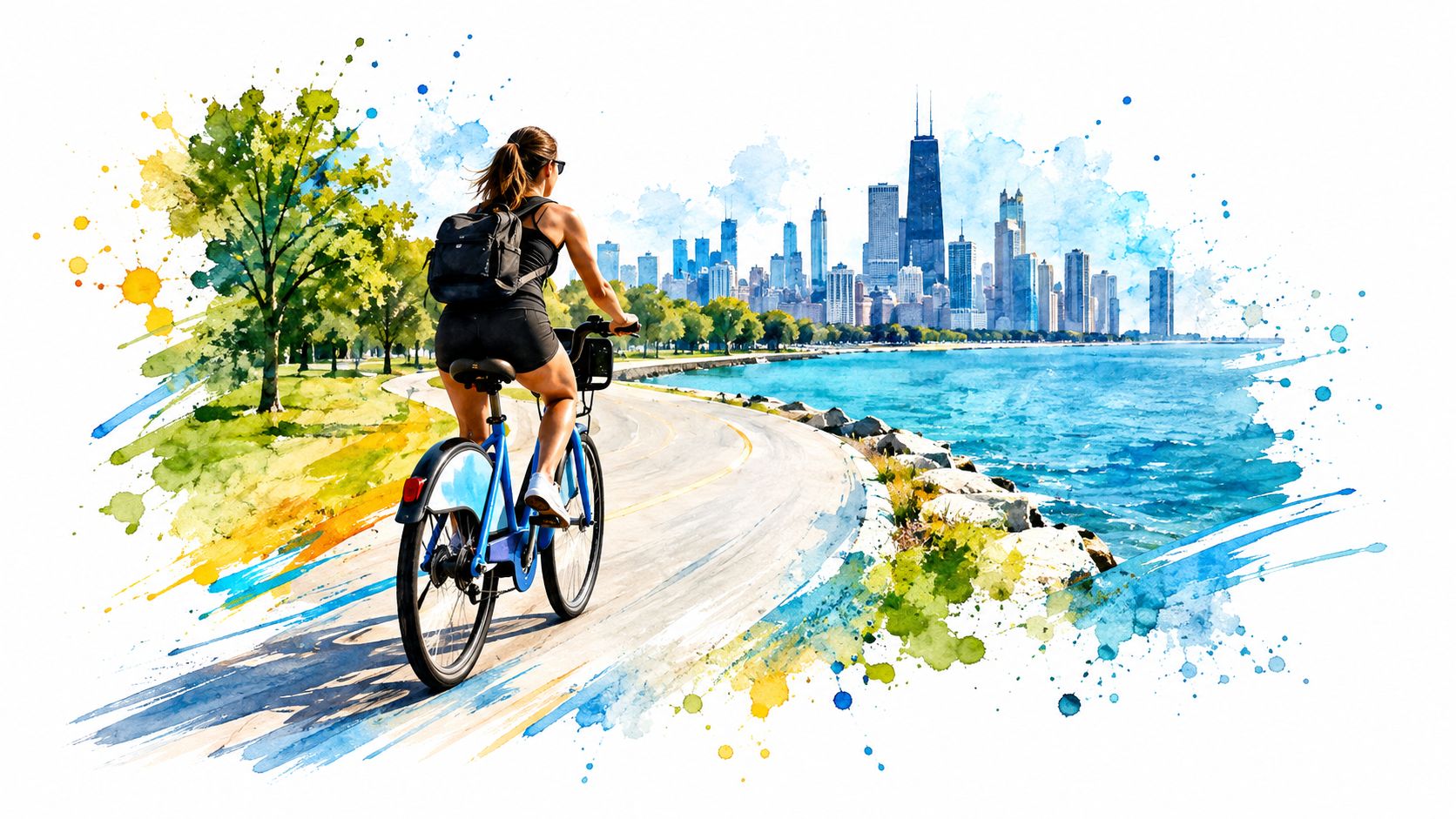
You can also pause when you notice litter, record the location, and pass it to a cleanup group rather than trying to carry everything yourself. Litter Caterpillars once cleaned a highway during a bike-event shutdown, so cycling and service already fit naturally together.
Ride with a finish line: Pick a beach, museum, café, or park before you roll out.
If you prefer another kind of urban ride, compare options with this guide to choosing your perfect urban ride. Then check bike access, weather, and transit connections before committing to a long route.
5. Catch Live Music at Venues Across Neighborhoods
A weekend music plan can begin in a small room where the stage sits close enough for you to see every hand move. Try jazz at Green Mill in Uptown, blues at Buddy Guy's Legends on the South Side, or indie and rock at Empty Bottle in West Town. House music venues in warehouse districts bring a different kind of night, with the room itself becoming part of the experience.
Chicago's music venues give you a reason to cross neighborhood lines. A basement show, a theater set, and a late jazz performance each ask for a different evening pace. I check Songkick, Bandsintown, and venue websites, then look at doors, start times, age rules, and transit before I buy a ticket.
Let the neighborhood shape the night
Arrive early at a small venue if you want a good view. Use public transit when parking feels difficult, buy a drink or merchandise if you can, and give local musicians your attention instead of spending the entire set on your phone. The night feels more personal when you learn where you are, not only who is playing.
Pick a venue in a neighborhood you haven't explored, then return another weekend to help care for that area.
A concert can become the evening portion of a simple three-part plan. Start with a park or cleanup, eat near the venue, and let the music finish the day. You don't need to force every activity into one neighborhood, but keeping the route practical helps you enjoy the show.
Check last-train times before the first song begins. If you plan to walk afterward, choose a well-lit route and keep your group together.
6. Walk Through Millennium Park and Cloud Gate
Early morning light turns Cloud Gate into a quiet mirror before the busiest crowds arrive. I walk around the curved steel surface, watch reflections bend and multiply, then move through Millennium Park toward gardens, fountains, and open gathering spaces. The park gives families, artists, visitors, and downtown workers room to share the same few blocks.
You can enter and explore without paying admission, which makes this an easy choice when your weekend budget needs room for another activity. Check the event calendar for a free concert or performance, then take a slower route through Lurie Garden if you want a quieter stretch. The surrounding streets lead naturally toward museums, restaurants, and the lakefront.
Notice the work behind a public space
A well-kept park invites a practical question: what would this place feel like if nobody cared for it? As you walk, look at the paths, planting beds, bins, seating, and shared areas. That observation can lead to a cleanup plan in another park or neighborhood.
Keep food contained, use the bins provided, and don't touch artwork or plantings. If you bring children, give them a simple challenge, such as finding three textures or noticing how the sculpture changes with the angle of the sun.
A free morning walk can leave room for a paid museum, meal, or evening show later.
Cloud Gate works as a short stop or a full downtown outing. You can meet friends there, take photographs, then walk until the city gives you a new direction.
7. Visit Chicago's Museum Campus and the Lakefront Museums
By late morning, Museum Campus gives families three distinct choices within walking distance. The Field Museum puts dinosaur skeletons and ancient objects at the center of the visit. Shedd Aquarium brings aquatic life close, while Adler Planetarium turns the group's attention toward space. The lakefront sits just beyond them, ready for a slower finish.
I usually choose one museum, or two at most, then protect time for the water. A child who has just met SUE at the Field Museum may need a quiet bench afterward, while another visitor may stay absorbed by Shedd Aquarium's 32,000 aquatic animals, as described in this Chicago attractions guide. Leaving room between stops keeps the afternoon from becoming a race.
Build the day around curiosity
Reserve tickets online if you want a more predictable arrival, and check each institution's current hours before leaving home. Free admission policies vary by museum. The Chicago museum day guide lists institution-specific windows, including select dates for Illinois residents, so compare those details with your schedule before paying.
Plan the lakefront break around your budget. Pack a picnic if museum food costs more than you want to spend, and bring a reusable bottle to reduce waste. Keep food contained, use the available bins, and leave plantings and wildlife undisturbed.
Choose the museum that fits your group's attention span, then give the lakefront time to reset the day.
Check weather, walking distances, stroller needs, and return transit. If your family enjoys hands-on service, finish by joining a nearby cleanup through Litter Caterpillars or carrying a small bag for litter you find along the route. The visit becomes more meaningful when care for the shoreline follows the learning inside.
8. Explore Neighborhood Breweries and Local Businesses
An afternoon taproom visit gives you a reason to slow down and ask where you are. Logan Square, Pilsen, and Lakeview each give the experience a different setting, and many breweries pair drinks with food trucks, music, games, or a conversation with staff. You can start close to home, then choose another neighborhood for a later weekend.
I like asking brewers what they recommend and what else sits within walking distance. That question often leads to a bookstore, bakery, market, record shop, or small restaurant. Supporting the business matters, but so does spending time in the area with care.
Pair a stop with a service plan
Visit in the afternoon if you want a less crowded room, try a house specialty, and use public transit if you plan to visit more than one taproom. Keep the route simple and choose a sober ride plan before the first pour. A custom foldable koozie can fit a picnic or outdoor gathering, but keep drinks within the rules of the place you visit.
You can also ask whether a brewery would welcome a cleanup partnership. A volunteer group might meet nearby, clean the surrounding blocks, then finish with food or a nonalcoholic drink. Litter Caterpillars works across all 50 wards, so neighborhood exploration can become a way to find new service routes.
Spend locally, walk lightly: Buy from the businesses you visit, use the bins available, and leave the block ready for the next person.
Check age policies, event times, transit, and whether a taproom takes reservations. The best brewery outing leaves room for conversation rather than forcing too many stops.
9. Walk and Explore Neighborhood Murals and Street Art
Pilsen can fill a walk with Mexican and Chicano murals, while Logan Square brings contemporary work into its streets and South Side community projects give public walls their own stories. Wicker Park adds artist-driven pieces and changing views around busy blocks. I like mural walks because the route stays open. You can follow a planned list or turn down the next street when a color catches your eye.
Use daylight hours, go with friends, and research the artist or community story behind each mural when you can. Search the #ChicagoMurals tag for ideas, but confirm that a piece still exists before building the entire walk around it. Street art can change, so every route carries a little surprise.
Respect the wall and the people nearby
Photograph public art without blocking doorways, entering private property, or touching painted surfaces. Keep voices low near homes, carry your waste, and remember that a mural can sit beside someone's daily life rather than inside a tourist route.
A mural walk pairs naturally with cleanup work. You can spend the morning picking up litter, eat nearby, then walk through the neighborhood with a camera in hand. Caring for the ground around public art shows respect for the work on the walls.
Look closely at the whole block, not only the biggest painting. Small signs, storefronts, gardens, and repaired corners tell you where you are.
Choose a route that matches your group's walking pace and check transit for the return trip. If rain arrives, save the walk for another day and move into a museum, gallery, or neighborhood café.
9 Chicago Weekend Activities Compared
| Activity | 🔄 Complexity | ⚡ Resource requirements | ⭐ Expected outcomes | 📊 Ideal use cases | 💡 Key advantages |
|---|---|---|---|---|---|
| Join a Litter Caterpillars Cleanup in Your Ward | Low, simple sign-up, recurring schedule | Minimal, gloves/bag, 2–3 hours, local coordination | ⭐⭐⭐⭐⭐, measurable litter removal, strong social bonds | Regular volunteer engagement, neighborhood restoration | No cost, builds friendships, city-wide reach |
| Explore Navy Pier and Lake Michigan | Low, self-guided, walkable site logistics | Moderate, transit/parking, attraction fees optional | ⭐⭐⭐, scenic views, recreational enjoyment | Sightseeing, meetups before nearby cleanups | Accessible, varied attractions, event programming |
| Visit the Art Institute of Chicago | Moderate, advance planning, ticketing | Moderate, admission, time for galleries | ⭐⭐⭐⭐, high cultural/educational value | Cultural enrichment, educational groups, prep before service | World-class collection, flexible visit length |
| Bike Along the Lakefront Trail | Low–Moderate, route planning, bike rental options | Low–Moderate, rental or own bike, safety gear | ⭐⭐⭐, exercise, broad neighborhood exposure | Active recreation, paired bike cleanups, touring neighborhoods | Low cost, covers distance quickly, scenic route |
| Catch Live Music at Venues Across Neighborhoods | Moderate, ticketing, variable venue logistics | Low–Moderate, tickets, transit, possible late hours | ⭐⭐⭐, cultural discovery, neighborhood connection | Nightlife exploration, discovering local artists | Affordable entertainment, authentic local scenes |
| Hike or Walk Through Millennium Park and Cloud Gate | Low, public access, minimal planning | Low, transit, comfortable shoes | ⭐⭐⭐, iconic photos, public-space experience | Quick visits, people-watching, meeting points for groups | Free, central location, mix of art and nature |
| Visit Chicago's Museum Campus and the Lakefront Museums | Moderate–High, multiple venues, scheduling | High, multiple admissions, full-day commitment | ⭐⭐⭐⭐, diverse educational experiences | Full-day museum visits, family or tourist outings | Multiple world-class institutions in one area |
| Explore Neighborhood Breweries and Local Businesses | Low–Moderate, route and timing planning | Moderate, spending on food/drink, transit | ⭐⭐⭐, local economic support, social connection | Social outings, neighborhood discovery, post-cleanup meetups | Supports small business, neighborhood authenticity |
| Walk and Explore Neighborhood Murals and Street Art | Low, self-guided or guided tours, map use | Low, walking, camera, daytime safety | ⭐⭐⭐, cultural insight, visual inspiration | Cultural exploration, photography, community context for cleanups | Free, authentic community expression, easy to combine with walks |
Build a Weekend You Will Remember
A good Chicago weekend doesn't need a packed calendar. I can build one around three simple movements: service first, outdoor discovery next, and culture or neighborhood connection at night.
For a service-first morning, I can join Litter Caterpillars on Saturday or Sunday, bring gloves and clothes that can get dirty, and meet volunteers in a Chicago ward I know well or want to understand better. After the cleanup, I can eat nearby and spend the afternoon exploring local shops, murals, or a park. The Chicago Park District says parks generally stay open from 6:00 a.m. to 11:00 p.m., unless a sign says otherwise, so I can plan an early walk, picnic, or cleanup inside that daily window using the park hours guidance.
For an outdoor route, I can start with the Lakefront Trail, ride toward Lincoln Park or Hyde Park, then stop at a beach, museum, or café. I can also walk from Navy Pier toward the Riverwalk, or begin at Millennium Park and let the morning unfold through gardens, public art, and nearby streets. Chicago has a walkable park catchment, with 98% of residents living within a 10-minute walk of a park, according to the ParkScore data, so a park-based plan can work in many parts of the city.
For a culture or neighborhood evening, I can choose the Art Institute, Museum Campus, a live music venue, a brewery, or a mural route. I check the exact event time, admission rule, weather, transit connection, and crowd level before I leave. Some weekend activities use fixed entry windows, and a first-Friday gallery event can keep venues open until 8 p.m., so the current Chicago weekend listings deserve a quick look before I set the route.
Group size changes the logistics for service and park gatherings. The Chicago Park District says groups of 50 or more, or gatherings with a tent, bounce house, alcohol, or speaker, need a permit filed at least two weeks ahead, as this Chicago parks permit guide explains. If your plan includes a large volunteer crew, handle that step before you announce the date.
Chicago's visitor profile also gives leisure planners a useful clue. 96% of leisure travel parties visiting Chicago take part in at least one activity, compared with a 95% U.S. benchmark, according to the Illinois and Chicago visitor profile. You don't need to copy a tourist itinerary. Choose one thing that gets you outside, one thing that helps you learn or connect, and one small act that leaves the place better.
If I had one open weekend, I'd choose a Litter Caterpillars cleanup in the morning, a lakefront walk or bike ride after lunch, and live music or a neighborhood mural walk before the day ends. I'd bring a friend, check the details, and leave enough empty space for an unexpected conversation or turn down a new street. The city feels less like a backdrop when I give part of my weekend to caring for it.
When you choose your plan, think about the kind of memory you want to carry home. Maybe it's the lake wind after a long ride, a child asking a museum question, a song in a small room, or a clean sidewalk that looked different because you helped. The activity matters, and so does the way you move through the place.
Litter Caterpillars brings Chicago volunteers together for weekend morning cleanups across all 50 wards, with open group chats and regular events that make it easier to meet people while caring for local streets and parks. Choose one neighborhood from this list, bring a friend, and visit Litter Caterpillars to find your next cleanup.