
Want to help Chicago's environment but don't know which door to open? One group may feel like a Sunday cleanup crew, another like a river classroom, and another like a training ground for a neighborhood project. Chicago has room for all three. One directory counted 553 environmental organizations across the greater Chicago metro area, with 2,878 employees, more than $394 million in annual revenue, and about $1 billion in assets. That directory's Chicago listing shows how many paths exist.
This roundup helps you compare hands-on work, schedules, locations, training, accessibility, and partnership options. You'll find recurring litter pickups, river stewardship, tree care, kayak work, family action days, and neighborhood leadership. If you want a low-pressure way to meet people while serving the city, start with Litter Caterpillars. If you need a small daily habit before your first cleanup, learn how to care for and clean a daily tote, then choose the kind of service that fits your week.
1. Litter Caterpillars
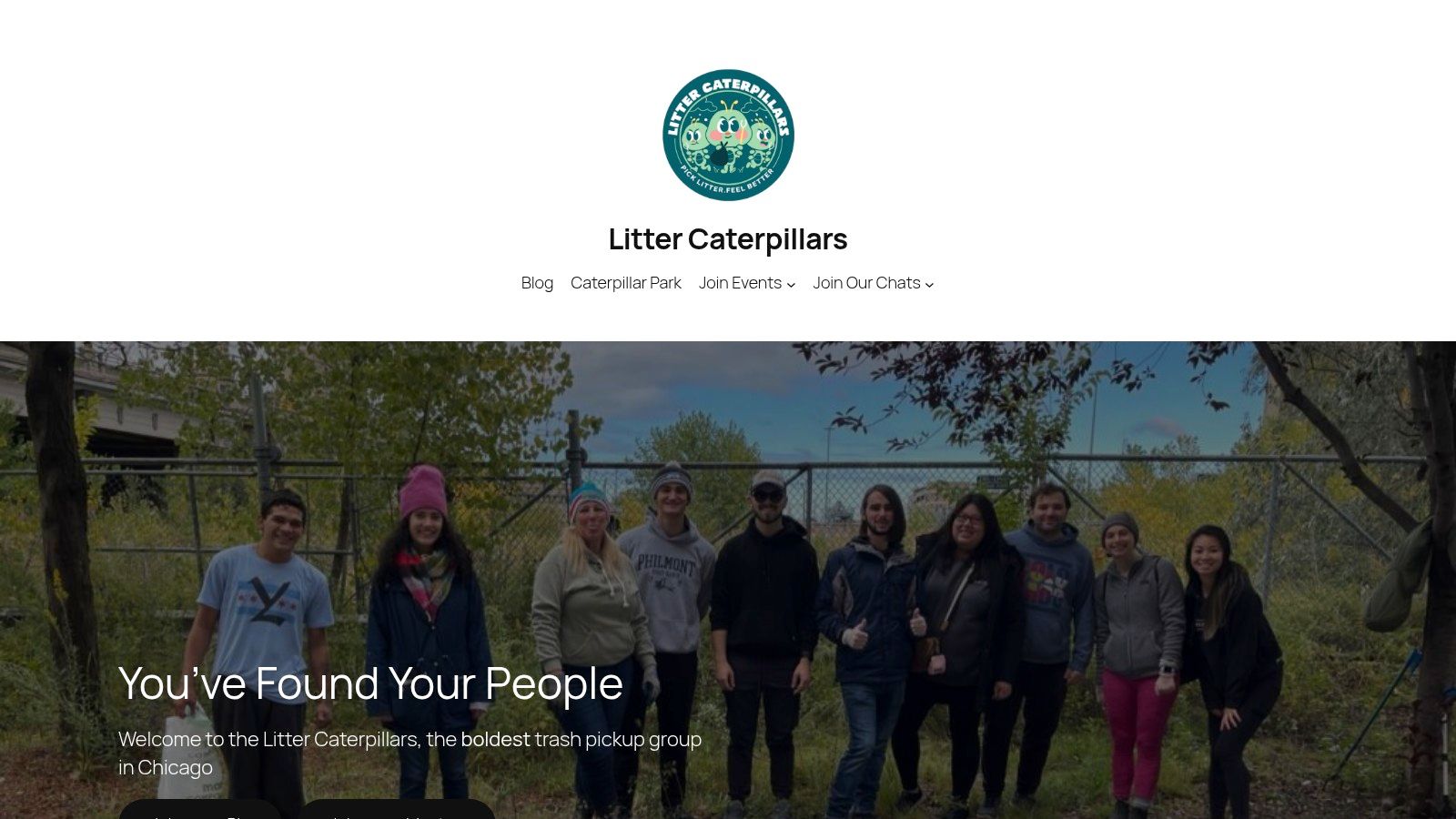
A Litter Caterpillars cleanup starts with a simple assignment, pick up what other people left behind, then keep walking together. Kevin Tao founded the group after confronting his own struggles with cleanliness, consistency, and bravery. That personal story gives the crew a human feel. You aren't signing up for a distant cause. You're joining people who want to make service easier to repeat.
The group meets on weekend mornings, rain or shine, across all 50 Chicago wards, including places other crews may avoid. Litter Caterpillars' volunteer opportunities make it easy to find a meetup through the group's open channels, including Meetup, Instagram, Pie, and group chats. The crew has cleaned a highway during a bike-event shutdown and won an empty lot at auction to create Caterpillar Park in Englewood.
Why this door fits
Litter Caterpillars builds its identity around bravery, kindness, unity, and a volunteer-first approach. Flags, badges, a theme song, and group rituals give each event a shared rhythm. The group prioritizes volunteer safety and happiness, and it doesn't pressure members for donations.
That style suits students, young professionals, newcomers, and anyone who wants recurring neighborhood service with a social side. It also gives businesses or community groups a straightforward partnership conversation, especially when they need dependable weekend cleanup support.
Best fit: You want a recurring cleanup community, visible block-by-block work, and a reason to get outside on weekend mornings.
The trade-off comes from that same intensity. Weekend mornings won't suit every schedule, and extreme heat, blizzards, highway closures, or other difficult conditions can make events physically demanding. Litter Caterpillars also doesn't present itself as a formal institutional service-credit program, so volunteers seeking extensive paperwork or a traditional nonprofit structure may need to ask questions before organizing a partnership. Visit the Litter Caterpillars website before you plan your first event.
2. Friends of the Chicago River
You might arrive at a Friends of the Chicago River event with gloves, a water bottle, and little idea what the river corridor needs. You'll leave with a more practical view of stewardship. Volunteers clean litter, mulch trails, and remove invasive plants across river and public-space sites during Chicago-Calumet River Day.
The event has taken place every year since 1992, according to Friends of the Chicago River's River Day information. The organization also runs the Litter Free Chicago-Calumet River Initiative, along with year-round habitat and stewardship work across multiple river reaches. This Chicago river cleanup guide can help you compare the experience with other local options.
A practical choice for groups
Friends of the Chicago River has a clear path for first-time volunteers. Join a public event, bring your team to a scheduled stewardship activity, or ask about a structured corporate River Action Day. The organization also has partnerships across government and community networks, which can help companies, schools, and civic groups find a well-organized entry point.
A River Action Day suits a group that wants a planned service experience with instructions, coordination, and a defined site. You won't need to invent a project from scratch. The organization handles much of the structure, while your group supplies time and energy.
The main trade-off involves timing. Corporate River Action Days need advance booking, and public volunteer spots may fill near major events. Check the calendar early instead of waiting until the week before your preferred date. You should also ask about river reach, tools, physical demands, weather plans, and whether your group needs a reservation.
3. Alliance for the Great Lakes Adopt-a-Beach
Some volunteers want a fixed beach, a repeatable schedule, and a way to record what they find. Alliance for the Great Lakes Adopt-a-Beach gives them that format. You can join or start a team at a preferred beach or river shoreline, plan recurring cleanups, and submit standardized debris data to a central database.
The program works across all five Great Lakes, while Chicago volunteers can choose lakefront and shoreline sites that fit their location. The Alliance for the Great Lakes connects the hands-on cleanup with regional policy and prevention work. If you want a Chicago beach cleanup that feels flexible rather than heavily programmed, this Lake Michigan volunteer guide provides another useful point of comparison.
A good match for repeat teams
Adopt-a-Beach works well for a neighborhood association, school, company, or group of friends that wants to return to the same place. You can build a habit without waiting for one large annual event. The data collection also gives volunteers a clear task beyond filling bags. You record the debris, submit the results, and create a more consistent picture of what reaches the shore.
The program's regional scope can help a partner explain why local cleanup data matters to a broader Great Lakes organization. The format also makes sign-up relatively simple for people who want a defined assignment.
Seasonal weather can limit lakefront work, and teams usually handle much of their own logistics and materials unless a partner helps. Ask who supplies gloves, bags, grabbers, disposal support, and data instructions. Then set a schedule your team can realistically keep. A smaller recurring effort works better than a grand plan nobody can maintain.
4. Openlands TreeKeepers and TreePlanters
A tree project gives you a different kind of service story. You don't leave with a full trash bag. You leave with a planted tree, a pruning lesson, or a block that now has neighbors working together.
Openlands connects volunteers with trees, land, and water work across the region. Its TreeKeepers program provides a month-long certification in tree care, including planting, pruning, and urban canopy advocacy. Its TreePlanters Grant helps blocks organize volunteers for free or low-cost tree plantings. Openlands' volunteer and conservation programs also connect with City forestry, the Park District, and regional partners.
From learner to neighborhood organizer
TreeKeepers fits volunteers who want training before taking on more responsibility. You'll gain a clearer understanding of how trees need care, rather than treating planting as a one-day photo opportunity. TreePlanters suits neighbors who already have a block, apartment community, school, or local group ready to organize.
That combination creates a natural progression. You can learn the basics, help with hands-on work, then bring those skills back to your own neighborhood. Regular events take place across different communities, so you may find a site near home or work.
The schedule requires planning. Certification cohorts run on fixed calendars, and seats can fill quickly. Tree planting also depends on neighborhood coordination, resident participation, and follow-up care. Before you contact Openlands about a group partnership, decide who will recruit volunteers, communicate with neighbors, prepare the site, and maintain the trees afterward.
5. Urban Rivers and the Wild Mile
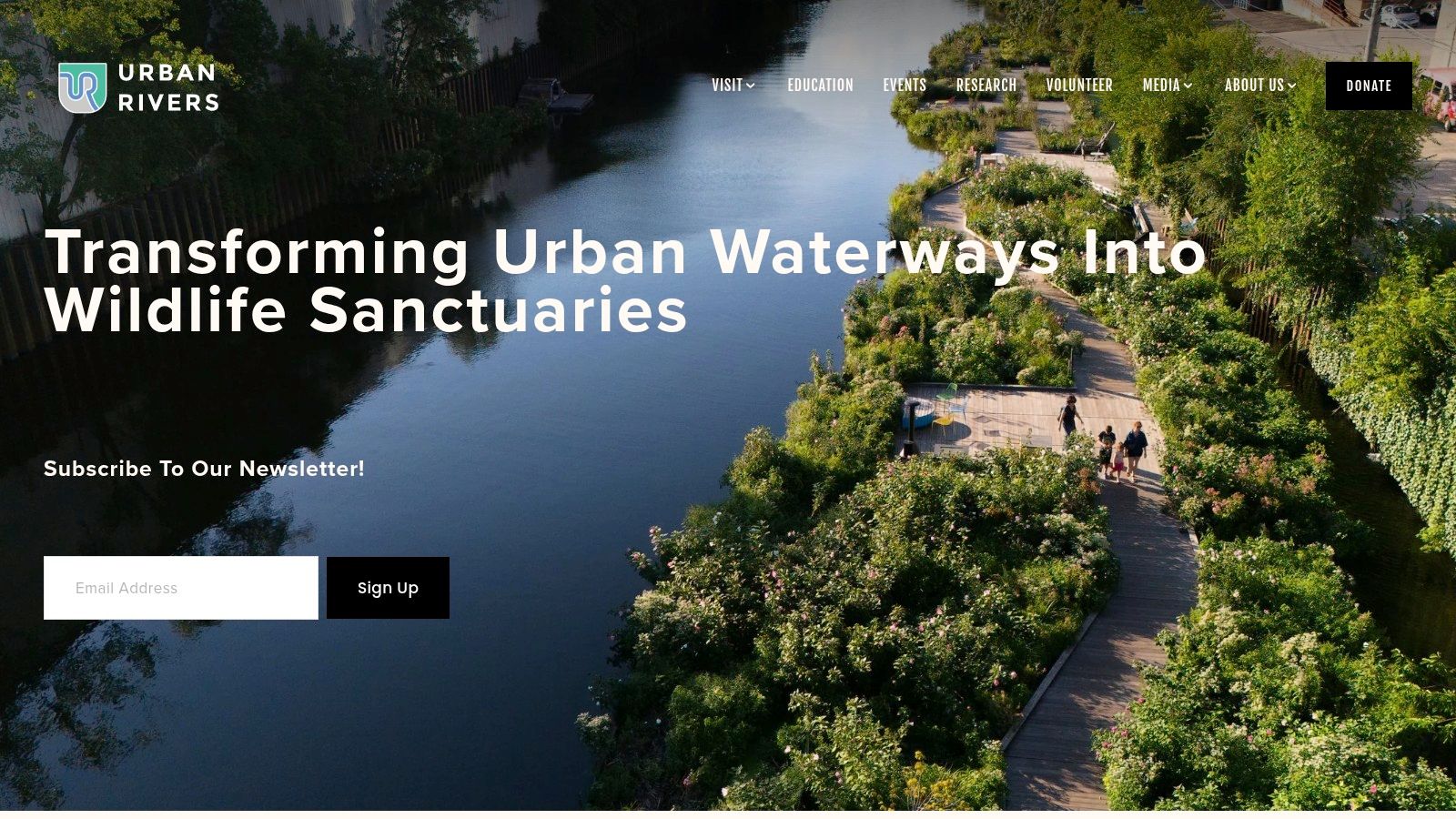
You may come to Urban Rivers because you want your volunteer day to feel like an expedition. River Rangers work around the Wild Mile, a floating eco-park on the North Branch, where volunteers install and maintain floating wetlands, remove litter by kayak, and help with habitat monitoring.
The water changes the experience. Instead of walking a trail with a grabber, you may paddle toward floating debris, inspect wetland plantings, or learn how a habitat project works from inside the river corridor. Urban Rivers keeps a live calendar with regular shifts, training, and different sign-up times.
Choose adventure, then check the details
This group suits volunteers who want an unusual service setting and a chance to grow into leadership. Experienced participants can take on roles such as event facilitator. The Wild Mile also gives schools, companies, and community groups a memorable place to introduce people to river care.
Kayak shifts bring clear trade-offs. Weather can cancel or change a session, and some roles may not suit every ability level. Read the event description closely before signing up. Ask about water access, equipment, physical movement, training, and alternatives for volunteers who can't kayak.
The live calendar helps people who need flexibility. You can look for a time that fits instead of waiting for one annual event. If you want to build a team, contact Urban Rivers early and describe your group size, experience, accessibility needs, and preferred work.
6. Shedd Aquarium Action Days
A family cleanup needs clear instructions, a manageable pace, and a place where first-time volunteers won't feel lost. Shedd Aquarium Action Days provide free, all-ages service days along Lake Michigan, the Chicago River, and nearby forest preserves.
Volunteers may remove litter, collect seed, weed, plant, or help gather litter data. Shedd works with partners including the Alliance for the Great Lakes and the Park District, so participants can move between coastal and woodland restoration. Shedd Aquarium's Action Days include public sign-ups and group reservation options for schools, scouts, community organizations, and some corporate teams.
A gentle first step
Action Days suit families who want to serve together, teachers who need a practical outdoor activity, and companies that want a structured day with straightforward safety guidance. The multiple city locations can make travel easier, while the public calendar gives new volunteers a simple starting point.
Schools and scout groups should ask about group reservations, age requirements, supervision, equipment, and the exact work planned. Companies should ask whether the event fits their team size and whether the organizer supplies materials. Every participant needs to complete the required waiver.
Weather can reschedule an event, and popular dates may fill quickly. Read the instructions before you leave home, including clothing, footwear, water, meeting location, and cancellation notices. A family service day works best when everyone knows what the day will ask of them.
7. Chicago Conservation Corps at the Peggy Notebaert Nature Museum
Chicago has plenty of environmental work for people who want to attend an event. It also has a place for people who want to design one. The Chicago Conservation Corps, hosted by the Peggy Notebaert Nature Museum, trains adult residents to lead sustainability projects across the city.
The program's Sustainability Leadership Training includes mentorship, tools, and access to small project funds after completion. Participants can work on community projects involving energy, waste, food, and climate. The Chicago Conservation Corps also runs public Explorer events, which create a lower-barrier way to meet the program before applying for training.
When you want to lead
C3 fits a resident who keeps noticing the same issue on their block and wants a plan for addressing it. You might organize a waste project, build a food initiative, or help neighbors understand a climate concern. The training gives you curriculum, mentors, and a community of alumni across Chicago neighborhoods.
Explorer events work well if you're curious but not ready to apply. Attend one, ask questions, and learn what the training expects. If you already have a neighborhood project in mind, prepare a short description of the problem, the people you want to involve, and the first practical action.
Cohorts have application deadlines and limited seats. Some training tracks close between seasons, so don't assume you can enroll whenever you feel ready. Ask about the next application window, attendance schedule, project requirements, mentorship, and fund access before you promise your neighbors a launch date.
Chicago Environmental Groups, 7-Point Comparison
| Organization | Implementation Complexity 🔄 | Resource Requirements ⚡ | Expected Outcomes 📊 | Ideal Use Cases 💡 | Key Advantages ⭐ |
|---|---|---|---|---|---|
| Litter Caterpillars | Low 🔄, volunteer-led weekly meetups with simple coordination | Low ⚡, volunteers, grabbers, bags; occasional permits | High 📊, consistent visible litter removal; ward-wide coverage | Neighborhood cleanups, community building, routine volunteer shifts | ⭐ Strong volunteer-first culture, high reliability, tangible local results |
| Friends of the Chicago River | Moderate 🔄, scheduled, partner-coordinated events | Moderate ⚡, staff, logistics, equipment; advance booking for corporate days | High 📊, large-scale river cleanups and habitat restoration | Corporate team days, high-visibility river stewardship | ⭐ Established nonprofit with deep government/community partnerships |
| Alliance for the Great Lakes (Adopt-a-Beach) | Low 🔄, DIY adopt model with standardized protocols | Low–Moderate ⚡, volunteer teams, seasonal supplies, data submission | Moderate–High 📊, recurring beach cleanups + data for policy use | Seasonal lakefront efforts, data-driven advocacy and repeat teams | ⭐ Science-backed data collection and regional credibility |
| Openlands (TreeKeepers + TreePlanters) | Moderate–High 🔄, certification cohorts and grant application steps | Moderate ⚡, training time, volunteers, trees, partner coordination | High 📊, increased canopy, trained neighborhood leaders, block plantings | Tree care training, neighborhood planting campaigns | ⭐ Clear training pathway and strong city forestry partnerships |
| Urban Rivers (The Wild Mile) | Moderate 🔄, on-water logistics and safety training | Moderate ⚡, kayaks/boats, wetland materials, trained volunteers | High 📊, innovative habitat restoration with strong public visibility | On-water restoration, adventurous volunteer experiences, outreach | ⭐ Memorable, high-visibility projects with leadership opportunities |
| Shedd Aquarium – Action Days | Low 🔄, public sign-ups with clear instructions; waivers required | Moderate ⚡, institutional staff, partners, materials | Moderate–High 📊, reliable public participation and habitat work | Family-friendly events, schools, community group service days | ⭐ Strong institutional support and multi-site reliability |
| Chicago Conservation Corps (C3) – Peggy Notebaert | High 🔄, multi-week training, applications, cohort scheduling | Moderate–High ⚡, curriculum, mentors, small project funds | High 📊, trained leaders who run sustained neighborhood projects | Volunteers aiming to design and lead long-term sustainability projects | ⭐ Leadership training, mentorship, and seed funding for community projects |
Choose One Saturday and Start There
Chicago's environmental groups give you different ways to enter service. Choose the kind of work you want to try first. You may want litter pickup with Litter Caterpillars, river work with Friends of the Chicago River, beach stewardship through Adopt-a-Beach, tree care with Openlands, kayak work at the Wild Mile, family habitat restoration through Shedd Aquarium, or project leadership with the Chicago Conservation Corps.
Then check the current calendar. Dates, meeting points, weather plans, equipment, waivers, and registration rules can change. Read those details before you leave home, especially if you're bringing children, arranging transportation, or planning around limited mobility. A quick email can prevent a long trip to a full event or an unsuitable worksite.
Start small: Pick one event you can attend this month, then decide what you want to repeat.
Companies, schools, and neighborhood groups should contact the organizer before announcing a team partnership. Ask about group reservations, recurring cleanup support, volunteer coordination, materials, disposal, training, accessibility, and schedule fit. Tell the organizer what your group can provide, such as people, transportation, tools, outreach, or a reliable return date.
Chicago's stewardship network includes more than 400 environmental stewardship groups and organizations, including 189 not-for-profit organizations, 72 local government agencies, and 63 community groups, according to the Chicago Stewardship Mapping Project. That range means you don't need to force yourself into the most visible type of activism. You can start with a riverbank, a tree pit, a shoreline, a forest preserve, or a neighborhood conversation.
You also don't need a perfect long-term plan. Attend one morning. Notice what you enjoy, what your body handles well, and whether you want more training or more social connection. Then return, invite someone, or contact a second group.
For a recurring weekend cleanup built around friendship, reliability, and visible neighborhood work, visit Litter Caterpillars.
Litter Caterpillars gives Chicago volunteers weekly weekend-morning trash pickups across all 50 wards, with a volunteer-first culture built around safety, friendship, and shared service. If you want a hands-on doorway into Chicago's environmental groups, visit Litter Caterpillars and choose your first cleanup.