
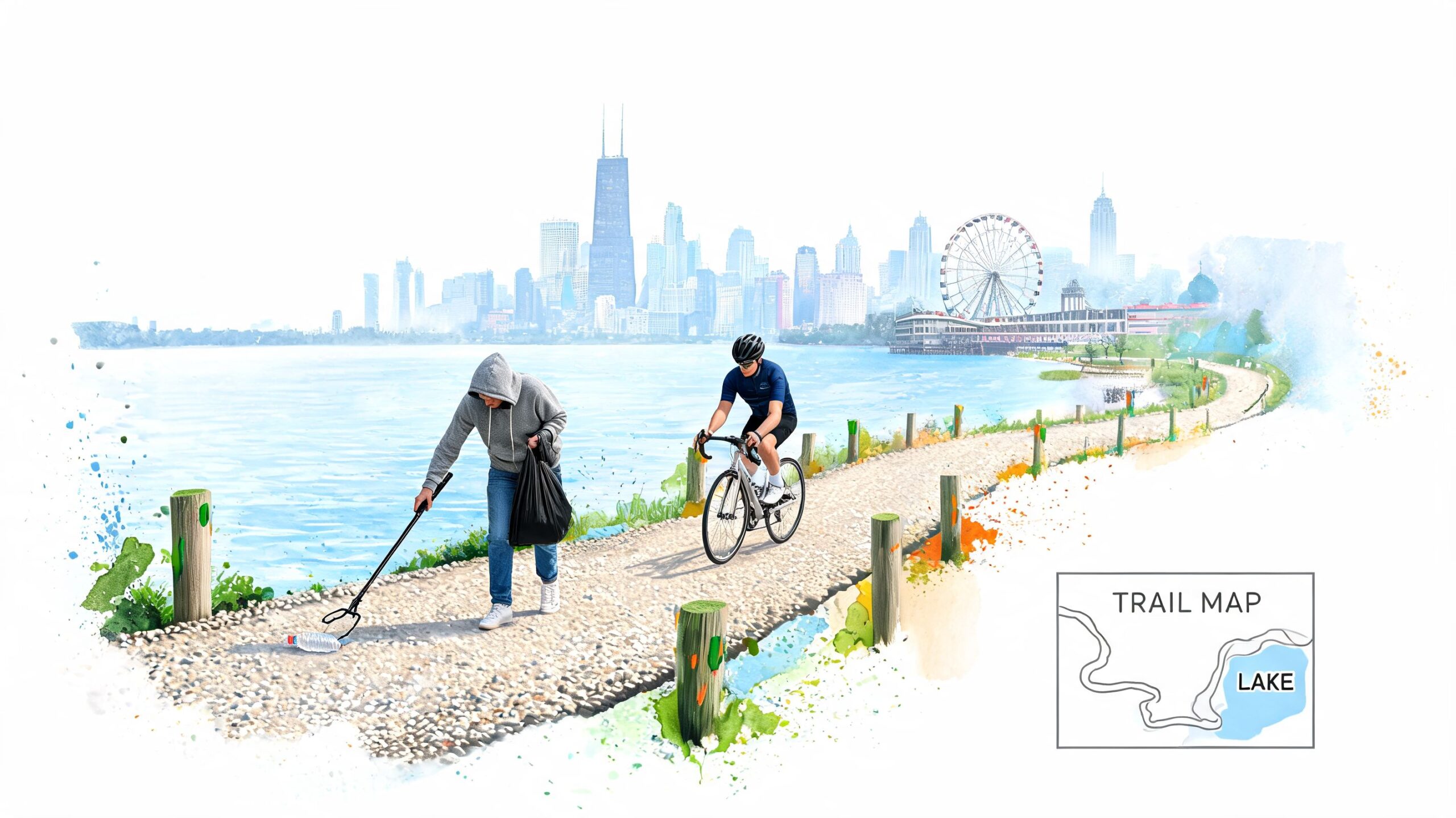
More Than a Trail: A Path to Yourself
I used to think my life was a mess because my apartment was a mess. Every old jar and forgotten bag of nuts in my kitchen told a story of failure. They were small, but to me they might as well have weighed 500 pounds.
Then I started picking up trash outside.
That shift changed me faster than any journal prompt ever did. When I cleaned a sidewalk, a park edge, or the weeds near a trail fence, I could see the story change in real time. One bottle gone. One bag gone. One corner less defeated. It was easier to clean up the city than to clean up myself, and that was exactly why it worked.
Now when I think about trails in Chicago, I don't think first about cardio or scenery. I think about missions. I think about showing up on a cold morning with gloves on, coffee in hand, and a few people who also want to do something honest with their weekend. I think about how service strips away your excuses. You stop performing. You start doing.
If you're looking for trails in Chicago, start with a path that can carry both your feet and your conscience. Walk it. Notice it. Clean it. Let the city train you into someone tougher, kinder, and less afraid of hard things.
1. Chicago Lakefront Trail
One Saturday at sunrise, I filled half a bag before I had walked a single mile. Coffee cups gathered near a bench. A plastic fork hid in the grass by the path. A gull pecked at a crumpled wrapper while runners streamed past the water as if the mess belonged to someone else.
That morning is why I send new volunteers here first.
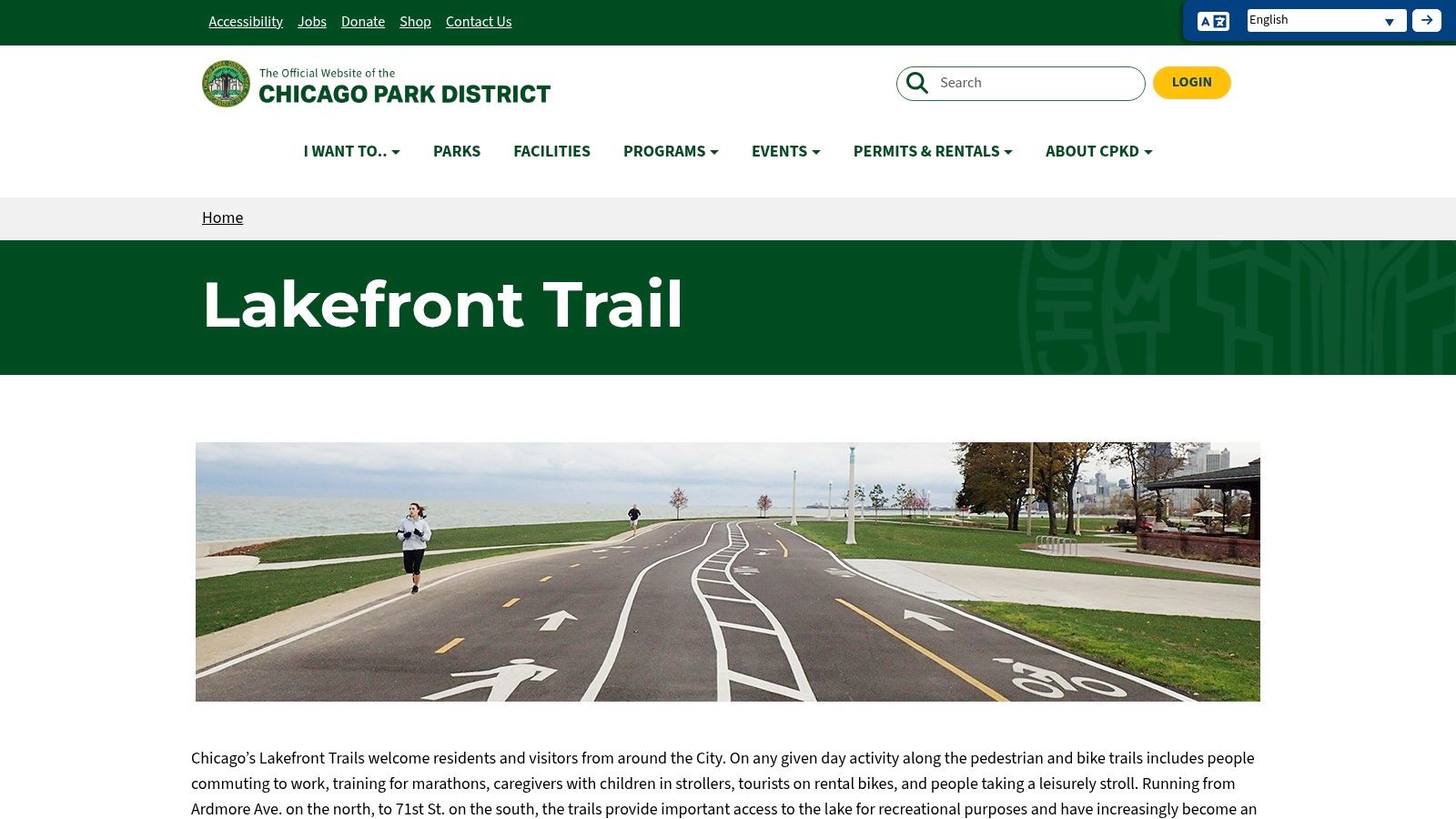
The Chicago Lakefront Trail puts you face to face with the city you claim to love. It stretches along Lake Michigan and cuts through some of Chicago's best-known park space, including Lincoln Park, Grant Park, Burnham Park, and Jackson Park, as described by the Chicago Park District's Lakefront Trail page. You do not have to guess where to start or wonder whether your work will matter. Pick an access point, grab gloves, and begin.
I like this trail for first Litter Caterpillars missions because the feedback is immediate. A short cleanup can change the look of a curve, a fence line, or a patch of grass in less than an hour. You see families, cyclists, commuters, and tourists pass through the space you just cleared. Service becomes public. So does your effort.
That does something to a person.
On the lakefront, there is nowhere to hide from your own standards. The wind is sharp. The path is open. If you say you care about Chicago, this is a good place to prove it with your hands. I have shown up here tired, distracted, and full of excuses. I have left steadier every time.
Practical rule: Start with one defined stretch, clean it well, and let visible progress build your momentum.
This trail also works for people who want a mission and movement in the same morning. Clean for an hour. Then keep walking. Let the shoreline settle your head while your bag gets heavier. If you want to map out nearby green spaces for your next service day, I often use this guide to Chicago parks we can clean next.
- Best for: First cleanup meetups, visible public service, long post-cleanup walks
- Watch for: Crowds, lakefront wind, and fast bike traffic in busy areas
- Start mindset: Do the unglamorous work in front of you
For me, the Lakefront Trail is not a leisure route first. It is a proving ground. I go there to remember that growth rarely starts with insight alone. Sometimes it starts with bending down, picking up somebody else's mess, and deciding you are strong enough to leave a place better than you found it.
2. The 606
The first time I brought a grabber onto The 606, I made the mistake of thinking a raised trail would stay clean on its own. Then I spotted a coffee lid pinned against a bench, a candy wrapper tucked under prairie grass, and a crushed water bottle caught near the fence above somebody's backyard. I filled half a bag before I reached the next ramp.
That changed how I see this trail.
The 606 runs through neighborhoods instead of beside them, so every cleanup feels personal. You are not out at the edge of the city. You are inside its daily life, passing murals, apartments, gardens, and people carrying groceries home. For a Litter Caterpillars mission, that matters. Service here is not abstract. You clear a path that your neighbors will use before the hour is over.
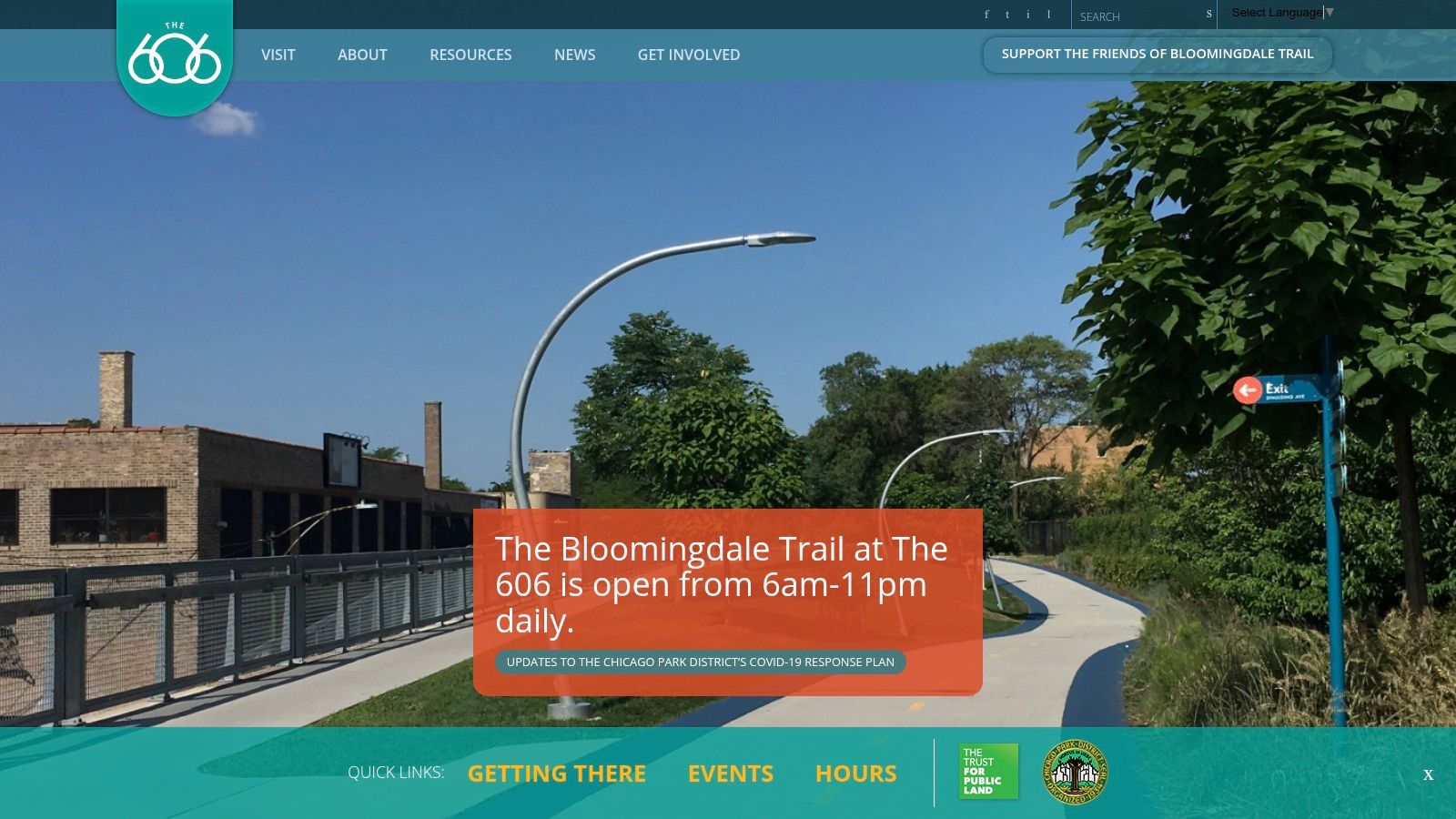
The Bloomingdale Trail opened in June 2015 as a major elevated rail trail project built from a former rail line. That history gives the place its character. The route sits above the street like a reused piece of muscle, built for movement once, rebuilt for community now.
I have learned to read this trail by who shows up. Early morning belongs to people trying to get somewhere. Later in the day, the pace softens. Parents stop with strollers. Friends talk while walking side by side. Cyclists cut through. Teenagers linger near the art. A cleanup on The 606 teaches a different kind of discipline than the lakefront. You work with interruptions, foot traffic, and constant reminders that public space survives only if ordinary people treat it like shared responsibility.
Mission rule: On The 606, pick a short segment, work it thoroughly, and let consistency beat distance.
That lesson stayed with me after the pandemic closures and reopening changed how people used public paths across Chicago. People returned because this trail does more than move bodies. It stitches neighborhoods together. When I show up with a bag and a picker, I feel that stitch in my own habits too. I stop waiting for perfect conditions. I do the small work in front of me, then the next piece, then the next.
The service angle is what gives The 606 its weight. This corridor added green space in built-up neighborhoods that need public room to breathe. If I say I care about community, this is one place where I can prove it with my hands.
- Best for: Short volunteer meetups, repeat cleanup laps, neighborhood-level service
- Watch for: Crowding, fast bikes, and tight moments near access points
- Start mindset: Treat every wrapper like it landed on your block
Check current access and programming on The 606 official site.
3. Chicago Riverwalk

Some trails ask you to go long. The Chicago Riverwalk asks you to pay attention.
I like bringing newer volunteers here because it teaches a lesson fast. You don't need mud, woods, or a giant route to practice stewardship. You just need eyes open and ego down. A wrapper near a stair landing is still a job. A cup wedged by the river wall is still your problem if you decide this city is partly yours.
Short path, sharp lesson
The Riverwalk is a pedestrian promenade with architecture, water, public art, and constant movement. It works well for people who want a shorter outing but still want that feeling of being inside the pulse of downtown. You can walk, talk, pick up a few things, and still leave feeling like you did something concrete.
I think of this place as a white shirt trail. Every stain shows.
That isn't a bad thing. It means your work is visible. If you're trying to invite a friend into service and they feel intimidated by a huge cleanup, the Riverwalk is a good first rep. It's urban, central, and easy to pair with coffee, conversation, and a little courage.
Street-level truth: A short cleanup still counts. Stop pretending impact only happens when you're exhausted.
The downside is obvious. Some segments get tight, and the flow of people can make stop-and-start cleanup awkward. I wouldn't choose it for a hard run or a big bike outing. I would choose it for outreach, reflection, and helping someone understand that civic care isn't abstract. It lives in handrails, corners, planters, and the edge where a city meets its water.
If that's your style, use the City of Chicago Riverwalk page to plan your visit.
4. Major Taylor Trail
I trust trails that make me work a little.
Major Taylor Trail has that feeling. It doesn't flatter you. It asks you to stay alert, notice transitions, and keep your head in the game. That's part of why I respect it as a service trail. When a route isn't spoon-feeding you comfort, you show up with more intention.
Why this South Side route stays with me
This trail connects neighborhoods, parks, and preserve space on the South Side. I like it for cleanup rides because it feels less polished than the most famous downtown routes. That means you notice edges, crossings, fencing, brush lines, and all the places where litter can collect and then stay ignored.
There is a moral lesson in that.
We all clean the places people already praise. Real character shows when you clean the places people skip.
- Best for: South Side rides, focused cleanup sessions, volunteers who like a route with texture
- What I like: More room to think, less tourist energy, stronger sense of local stewardship
- What to respect: Pay attention at crossings and connectors
When I walk or ride here, I think about the version of me who once avoided difficult tasks because they felt awkward or unglamorous. Then I think about how much of adulthood is doing the awkward useful thing before someone congratulates you for it.
This trail helps train that muscle. You don't need applause. You need gloves, patience, and enough pride to care for a route that deserves effort.
Clean where you are tempted to look away. That's where growth usually lives.
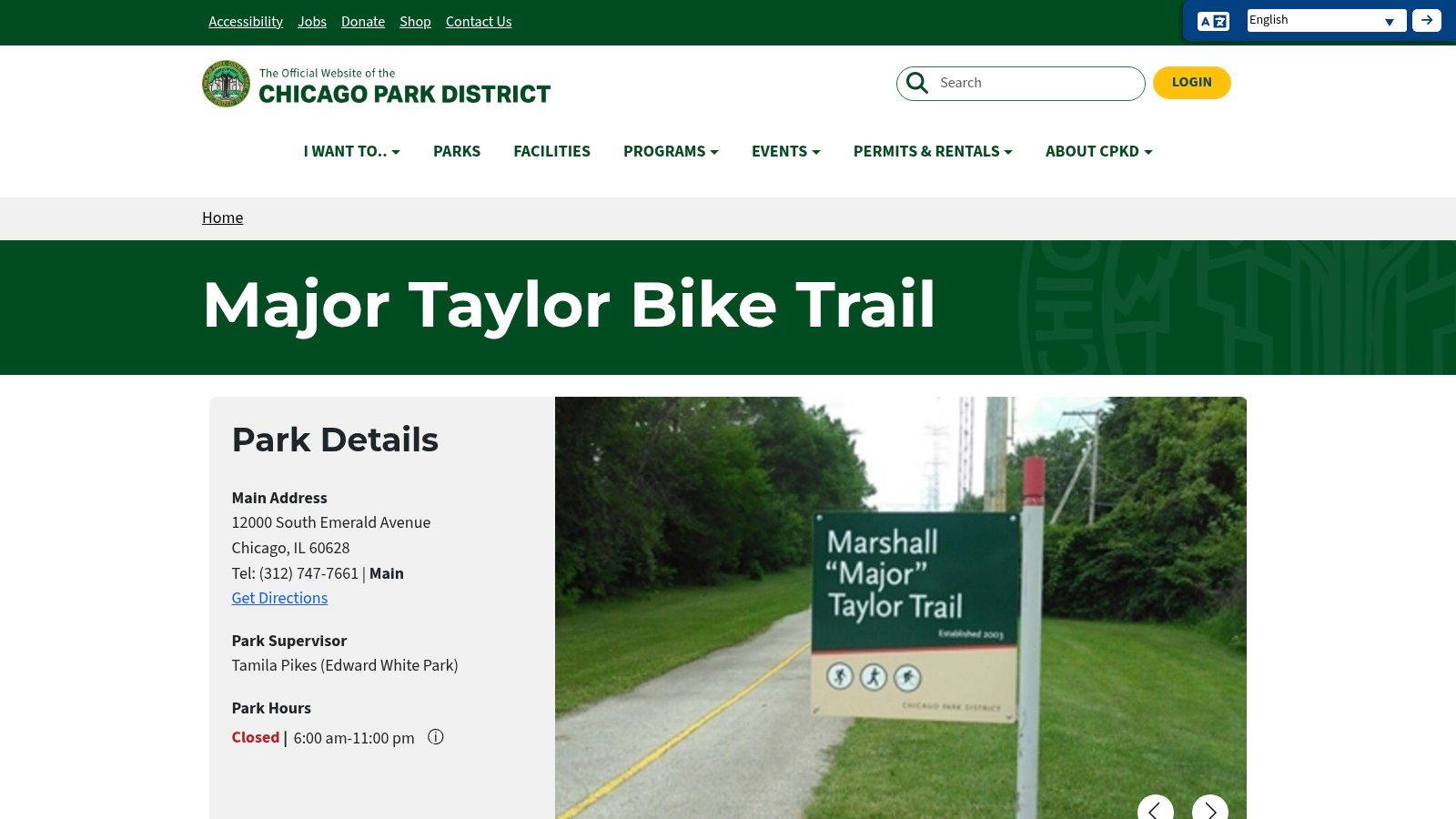
If you want route details, use the Chicago Park District's Major Taylor Bike Trail page.
5. North Branch Trail
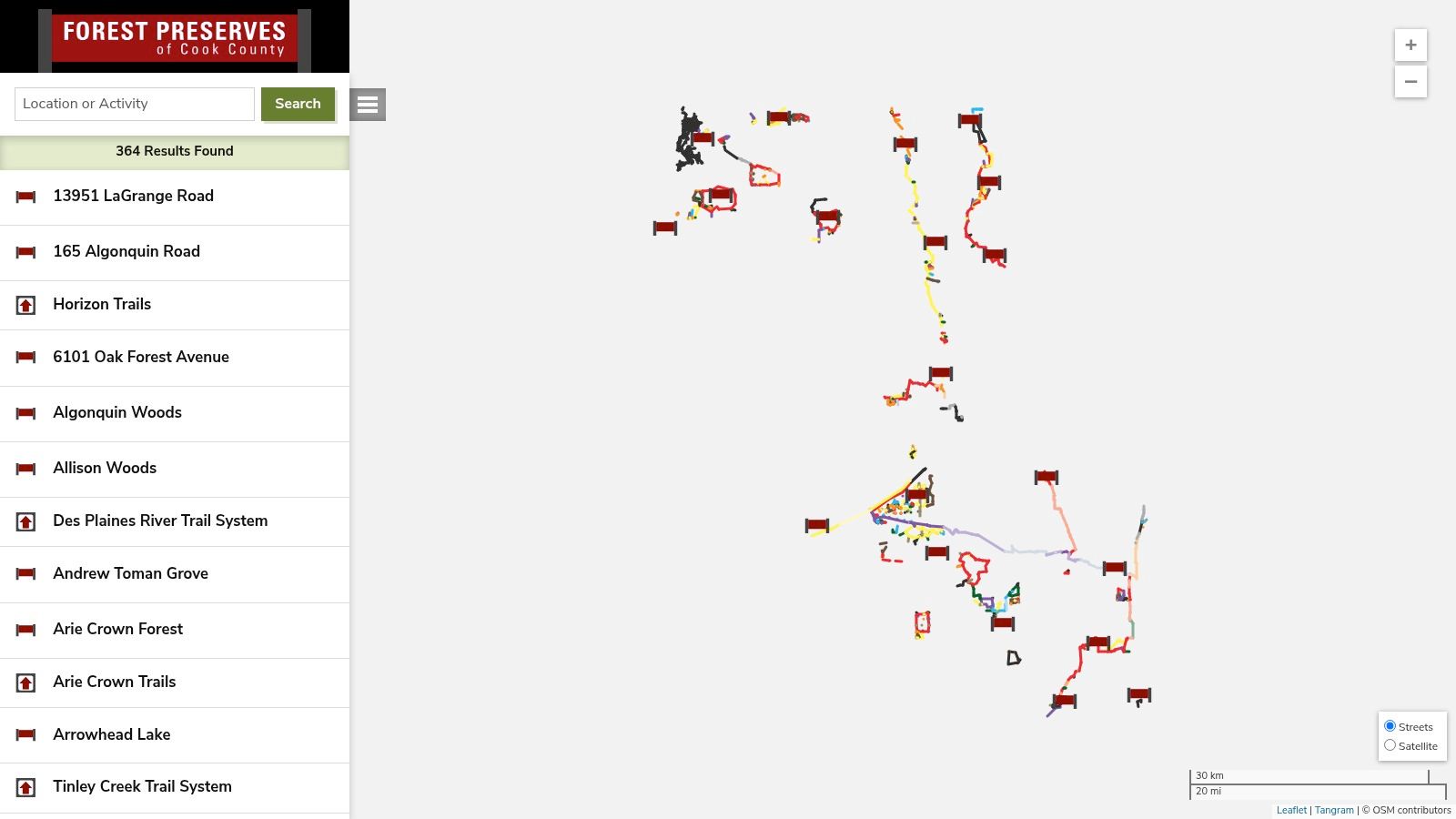
When I need to think through my life without staring directly at it, I go somewhere with trees. North Branch Trail gives me that kind of cover. The city noise softens. My thoughts stop shouting. The work becomes simple again.
Among trails in Chicago, this is one of my favorites for endurance days. You can settle into a rhythm and keep going. For a cleanup crew, that means you need a plan. Long, calmer routes can trick you into thinking litter isn't there. It is. It just hides better.
The trail for steady people
North Branch Trail is the one I pick when I want distance without the crush of the lakefront. The shaded feel changes your pace. You stop performing your workout for strangers and start listening to your breathing, your footsteps, your group, your own excuses.
That matters more than is commonly understood.
I also like this trail because it invites expansion. One section can become a longer day. A casual walk can become a service mission and then a ride. If you're exploring connected green routes beyond the city core, I often compare it with the ideas in this guide to the Des Plaines River Trail near Chicago.
- Best for: Long rides, long runs, quiet volunteer mornings
- What to bring: Water and a little self-discipline
- What to expect: Fewer built-in amenities than a high-traffic city corridor
I think of North Branch as the cast-iron pan of Chicago trails. It isn't flashy. It gets better when you use it often. It can handle heat. It can handle neglect. And if you care for it, it pays you back for years.
You can review access points and maps through the Forest Preserves map portal.
6. Cal-Sag Trail
Cal-Sag Trail feels like a sentence still being written. I mean that in a good way.
Some people only want finished things. I don't. A trail with gaps, detours, and active development reminds me of actual self-improvement. You don't become solid all at once. You build in sections. You connect what you can. You keep moving while parts of you are still under construction.
Why I respect a work-in-progress route
This trail gives you long flat stretches that are great for steady movement. I like it for rides where the goal is less about speed and more about consistency. Put your head down, keep your cadence honest, and let the miles scrape the nonsense off your brain.
For service, the route has another draw. Work-in-progress corridors can attract less casual care. People use them, but they don't always feel fully claimed. That creates an opening for volunteers who want to step in early and build a habit of ownership before a place becomes trendy or polished.
I also keep a data mindset when I think about routes like this. Chicago has neighborhood analytics tools that use 20+ years of demographic, business, and real estate data to model neighborhood types and intervention points. I don't need to copy that exact system to learn from it. If you're planning cleanup efforts, random isn't always noble. Sometimes it just wastes energy. Smarter route choice can help you put volunteer hours where they matter most.
Field note: Pick a segment, define a turnaround point, and commit. Wandering burns energy. Purpose saves it.
- Best for: Steady cycling, long service rides, people who like emerging routes
- Watch for: Gaps, detours, and more spread-out amenities
- Start mindset: You don't need a perfect corridor to do honest work
For maps and current route information, check the Cal-Sag Trail website.
7. Burnham Greenway
I have a soft spot for places that feel unfinished but full of promise. Burnham Greenway gives me that feeling. It pulls together the Southeast Side, preserves, wetlands, rail history, and a future path that still needs patient people.
That patience matters. In cleanup work, in friendship, in building a better self, you rarely get the clean uninterrupted route right away.
A trail that asks for faith
Burnham Greenway isn't fully continuous today. That's part of the experience. You may need street links and a bit more planning than you would on a simpler route. But I like what that asks of you. It asks you to pay attention instead of drifting through the day.
This corridor also points toward a service ethic I care about. Mainstream trail chatter often gravitates toward polished destination routes, while underserved neighborhoods with trail assets get less practical attention. One gap analysis on Chicago trail coverage calls out missing discussion around neighborhood-level access, safety, maintenance, and volunteer engagement in places like Englewood, Pilsen, and South Shore, while noting the lack of attention to trails in underserved areas in this review of Chicago day-hike coverage.
That hit me hard because it's true to what I see on the ground. If you only go where praise already lives, you'll miss where help is needed.
I also think trails should teach us history, not just mileage. Some of Chicago's present routes and streets trace older Native trade paths created by Ojibwe, Odawa, Potawatomi, and Miami nations. Diagonal routes like Milwaukee, Lincoln, Clark, and Vincennes followed that older network, as described in this discussion of Indigenous trail history in Chicago. When I pick up trash on or near these corridors, I try to remember that stewardship didn't begin with me.
If you're exploring preserve-linked routes on the Southeast Side, this guide to Chicago forest preserve ideas can help you think bigger than a single segment.
For route documents, use the Burnham Greenway guide on TrailLink.
Chicago Trails: 7-Point Comparison
| Trail | 🔄 Implementation complexity | ⚡ Resource requirements | 📊 Expected outcomes | 💡 Ideal use cases | ⭐ Key advantages |
|---|---|---|---|---|---|
| Chicago Lakefront Trail | Moderate, major coordinated upgrades completed (Trail Separation Project) | High, frequent maintenance, restrooms, water points, transit integration | Very high visibility and heavy year‑round use (weather permitting) | Long runs, group meetups, high‑visibility volunteer events, sightseeing | Iconic skyline/lake views; continuous separated paved paths; many access points |
| The 606 (Bloomingdale Trail) | Low–Moderate, adaptive reuse of elevated rail, routine upkeep | Moderate, lighting, access ramps, programming, winter plowing | Strong neighborhood connector with steady local usage and events | Short outings, arts/fitness programming, quick car‑free commutes | Elevated, car‑free link with frequent access and regular programming |
| Chicago Riverwalk | Moderate, urban waterfront infrastructure and seasonal operations | High, seasonal concessions, docks, security and crowd management | High visibility for outreach; intense short‑stay foot traffic | Short urban strolls, tours, concessions, public outreach | Central, photogenic riverfront with public art and water access |
| Major Taylor Trail | Moderate, multi‑jurisdiction coordination; some on‑street transitions | Moderate, signage, crossing improvements, community stewardship | Good for training miles and community engagement with lower congestion | Training rides, community cleanups, South Side connectivity | Less crowded, strong local stewardship, regional linkages |
| North Branch Trail | Moderate, long corridor through preserves; connecting multiple segments | Moderate, parking, trail upkeep; fewer on‑trail amenities | Excellent for long endurance outings and nature immersion | Long runs/rides, customizable distances, nature trips | Shaded, long continuous miles; access to Skokie Lagoons and Botanic Garden |
| Cal‑Sag Trail | High, phased build‑out with gaps and multi‑agency coordination | Moderate–High, development of segments, remote amenities, mapping | Growing regional spine for steady‑pace training and neighborhood links | Long cycling, steady‑pace training, east–west regional connectivity | Long, flat sections; less crowded and strong regional potential |
| Burnham Greenway | High, incomplete today; requires funding, grade separations and connectors | High, ongoing construction, coordination across agencies and crossings | High potential connectivity and nature access once completed | Future regional link and nature‑rich access for Southeast Side communities | Planned high‑impact connectivity linking preserves, wetlands and regional networks |
Are You Ready to Walk the Walk?
You've seen the paths. You know the way. Each trail is a choice.
I mean that directly, but I also mean it in the way that matters more. You can treat trails in Chicago like content. A backdrop. A fitness box to check. A pretty place to spend two hours before brunch. Or you can treat them like training grounds for your character.
That's what changed me.
I didn't become stronger because I had some sudden burst of discipline at home. I became stronger because I kept showing up outside. I met people who were willing to wake up early, carry bags, laugh in bad weather, and do a humble job with real pride. I learned that bravery often looks boring from a distance. It's just consistency with dirt on it.
These trails each teach something different. The Lakefront Trail teaches scale. The 606 teaches neighborhood care. The Riverwalk teaches attention. Major Taylor teaches respect. North Branch teaches steadiness. Cal-Sag teaches patience with works in progress. Burnham Greenway teaches faith in places that still need love and connection.
You don't need to master all of them this month. You just need to start.
Pick one trail. Bring gloves. Bring water. Bring a friend if that helps, or come alone if that's the brave thing for you right now. Walk a section and ask a hard question: when I leave, will this place be better, worse, or exactly the same because I was here?
Try to become the kind of person who can't tolerate leaving it the same.
The journey isn't just seeing Chicago's trails. It's changing them, and letting that work change you back. One bottle. One can. One cracked little corner of the city at a time. The next step isn't on a map. It's a decision.
Find a Litter Caterpillars meetup on one of these trails. Show up. Let's see what story we can write together.
If you're ready to stop scrolling and start serving, join Litter Caterpillars. We pick up trash across Chicago, make real friends, and build courage the old-fashioned way: by showing up on weekend mornings and doing the work.