

You're sitting at the kitchen table with coffee gone lukewarm, and the weekend still feels open. You want to do community service for adults, but the options blur together fast, a dozen causes, a dozen sign-up forms, and no sense of where you'd fit. Start with the kind of morning you can picture yourself keeping, then pick the role that matches it.
A single Saturday cleanup is one kind of fit. A recurring stewardship shift is another. If you want to test the water first, volunteer opportunities in Maricopa County can give you a sense of how local service listings get organized, but Chicago has its own set of options that match different schedules and comfort levels.
1. Chicago Cares
You show up with gloves in your bag, a vague nervousness in your stomach, and a team lead who already knows where you're going. That's the kind of start Chicago Cares makes easier. Its calendar mixes hands-on, skills-based, and virtual projects, so you can pick a one-time event or look for a way to use your own experience.
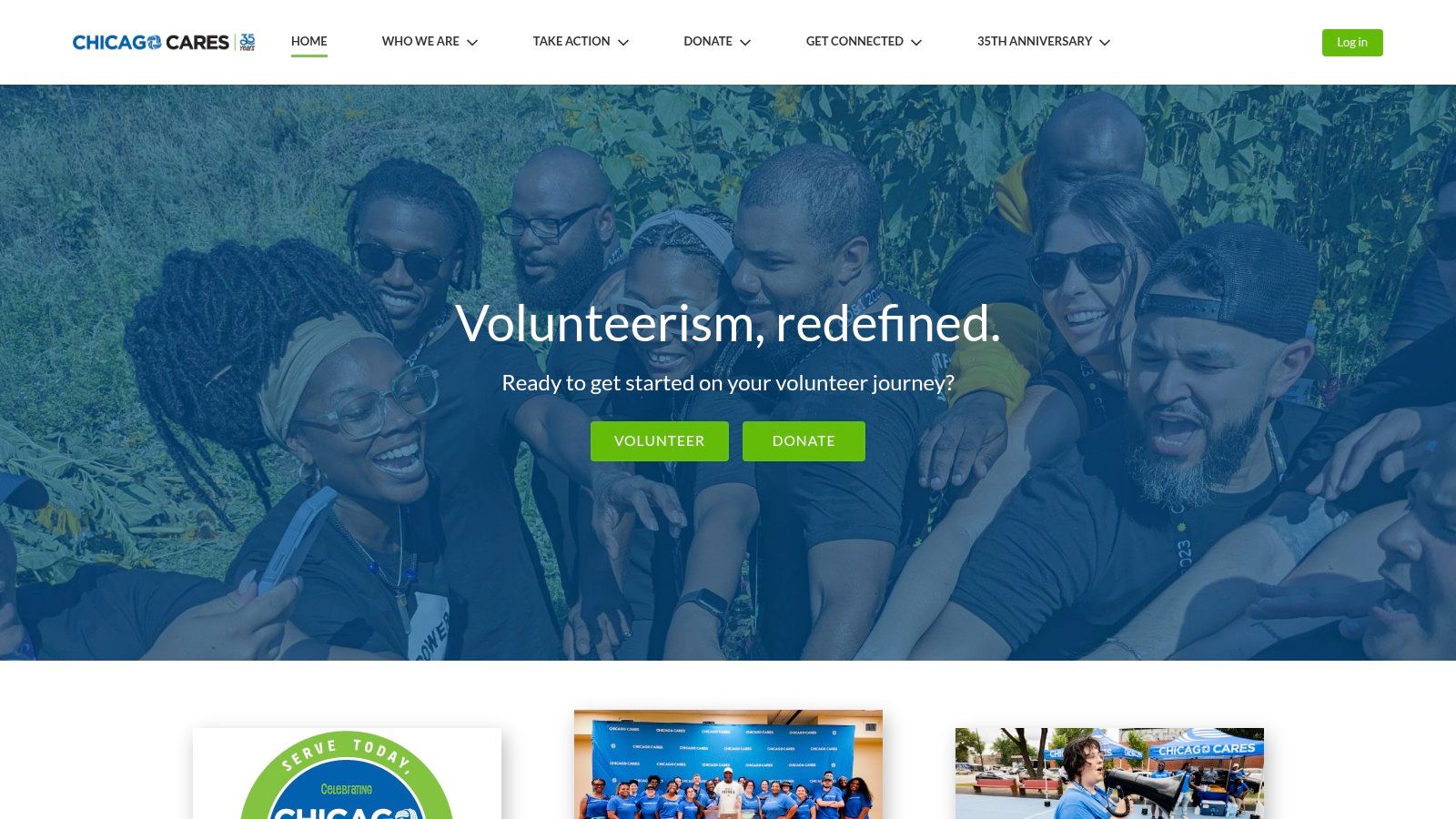
Chicago Cares is a strong fit when you want structure without a long ramp-up. You create an account, browse a searchable calendar, and book free volunteer events with staff support and clear conduct expectations. It also points you toward partner nonprofits if you want a direct placement later, which helps when you're ready to move from one-off service into a steadier role.
Practical rule: If you're new to volunteering, pick the event with the clearest start time, the clearest site instructions, and the shortest barrier to entry.
One more useful detail, the organization has a broad reach across causes and neighborhoods, so you can choose between something close to home and something tied to a skill you already use at work. Popular weekend and holiday slots can fill fast, so this is the place to check early in the week if your schedule is tight. For a local starting point, the city-specific guide to volunteer opportunities in Chicago pairs well with this kind of search.
If you want to compare funder and civic networks in the state, the Grantlas Illinois funder list gives you another way to see how service groups fit into a broader local system.
2. Idealist
You're at your desk during lunch, and you don't want to commit to one cause just yet. You want choices, and you want them sorted by location, time, and the kind of work you can do after work. Idealist is built for that kind of search.
Its volunteer database includes VolunteerMatch listings, in-person and virtual roles, and Chicago-specific filters. You can look for something tied to your cause, your schedule, or your skill set, then vet the host organization before you say yes.
Use it like a filter, not a shortcut
Idealist works well when you want to compare options side by side. Free search gives you a broad field, and organizations can post at no cost, with paid upgrades available to them if they want extra reach. That means the listings can vary in quality, so you need to read closely and check how fast a group replies before you build your weekend around it.
The best part is the range. You can find niche causes, remote tasks, and group volunteering tools for workplaces or CSR programs, which makes it easier to match a role to your real life instead of forcing your life around the role. If one Saturday morning is all you can spare, you can search for that. If you want to volunteer from home, you can do that too.
When I use Idealist, I treat it like a menu, not a promise. I open a few tabs, compare the host groups, and choose the one that sounds prepared for a first-timer. That saves me from awkward surprises on the day of the event.
3. Habitat for Humanity Chicago
You're standing in a half-built room, holding a tool you've never used, and someone still explains the next step without making it weird. That's the feel of a Habitat build day. Habitat for Humanity Chicago also has ReStore shifts and committee roles, so you can choose between physical work and ongoing support.
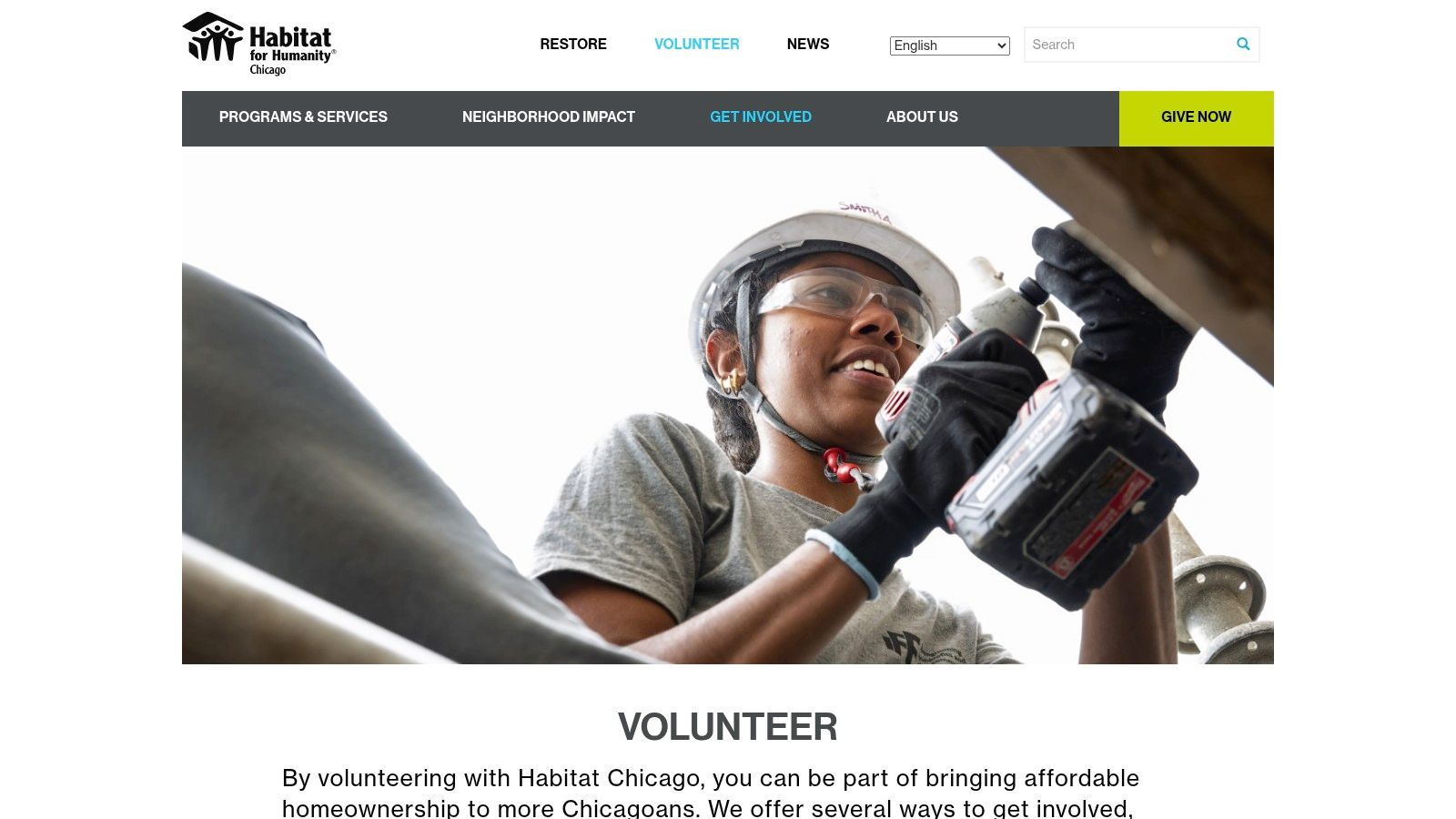
No construction background is required for individual volunteer days. Safety guidance and site leadership shape the build experience, and weekday as well as some weekend dates help if your free time doesn't fall neatly on Saturday. If you want a steadier rhythm, committee roles keep you involved after the first day ends.
A good match for people who want visible work
This is the right pick when you want to leave tired in a good way. Build days have a direct result you can point to, and that matters for adults who like to see the day become something concrete. ReStore shifts bring a different pace, indoors and more retail-like, which can feel easier if you want service without the physical strain of a job site.
The tradeoff is clear. Construction can be demanding, outdoor work depends on weather, and corporate Team Builds require a company donation. But if you want a first-timer-friendly setup with a clear process, Habitat makes the path simple enough to follow.
If you need proof of hours, the group can verify them upon request. That helps when you're serving through work, school, or another program that wants documentation.
4. Greater Chicago Food Depository
You're in a warehouse, stacking boxes, and the work has a rhythm that keeps your hands busy and your mind calm. The Greater Chicago Food Depository gives adults that kind of shift, with warehouse repacking and connections to partner pantries and community sites.
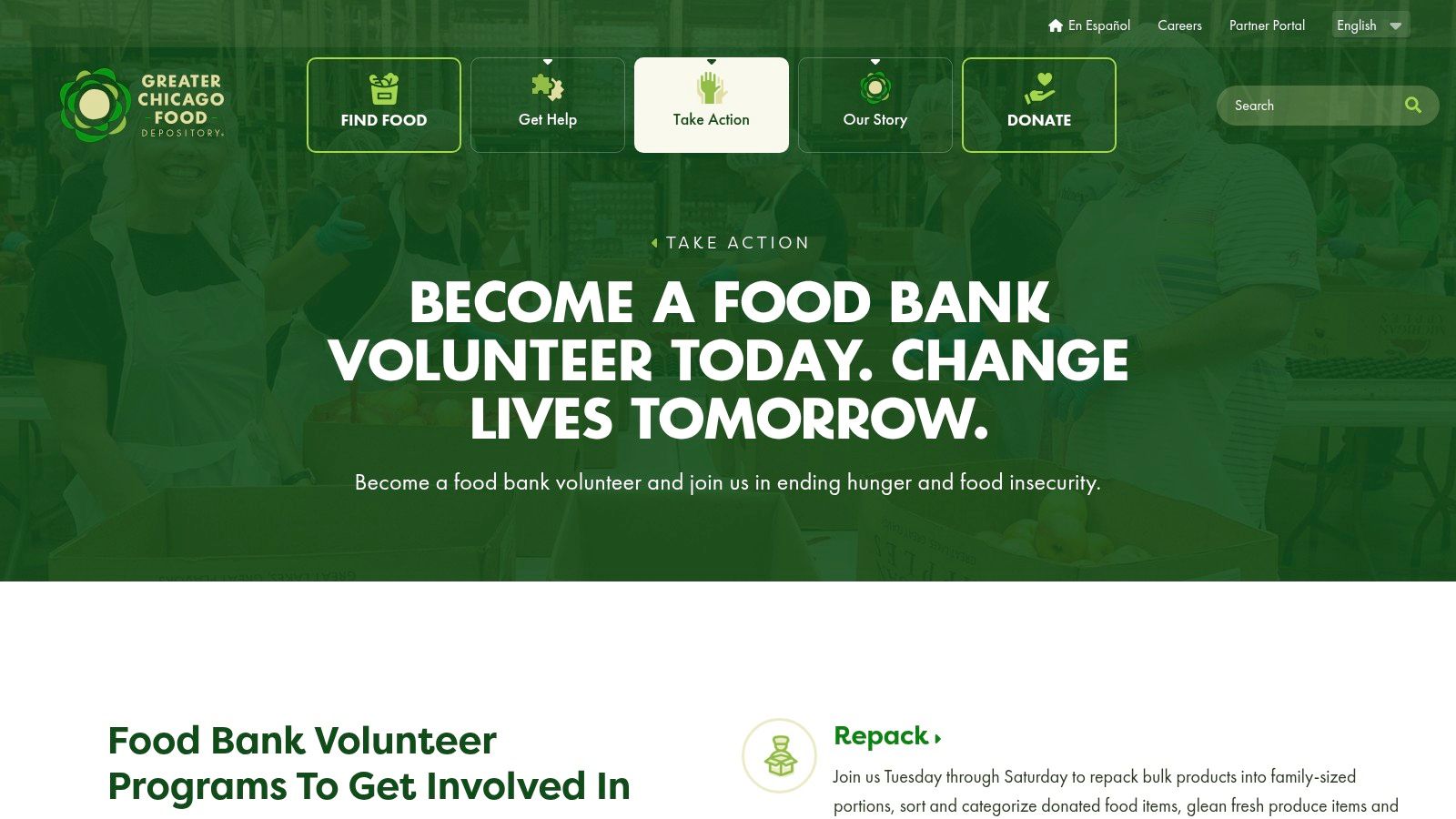
The schedule usually runs Tuesday through Saturday, which helps if your weekends are packed or you can leave work a little early. You need to register in advance, there are no walk-ins, and the service is free. Individual volunteers, friend groups, and work teams can all fit here, and court-ordered service may be possible with approval.
My rule for food-bank shifts: Pick one you can repeat, because the second visit feels easier than the first.
The pace matters here. Packing can mean standing for long stretches, so I'd choose this if you don't mind being on your feet and you like work that shows results right away. Holiday and weekend dates can book out, so don't wait if your calendar already feels crowded.
For a local route into similar service, the Chicago food bank volunteer guide can help you compare how these shifts look in practice before you sign up.
5. Forest Preserves of Cook County Volunteer Program
You're knee-deep in grass, the air smells like wet earth, and nobody expects you to sit still and talk like a networker. That's part of the appeal here. The Forest Preserves of Cook County runs year-round outdoor service across more than 70,000 acres, and the work changes with the season.
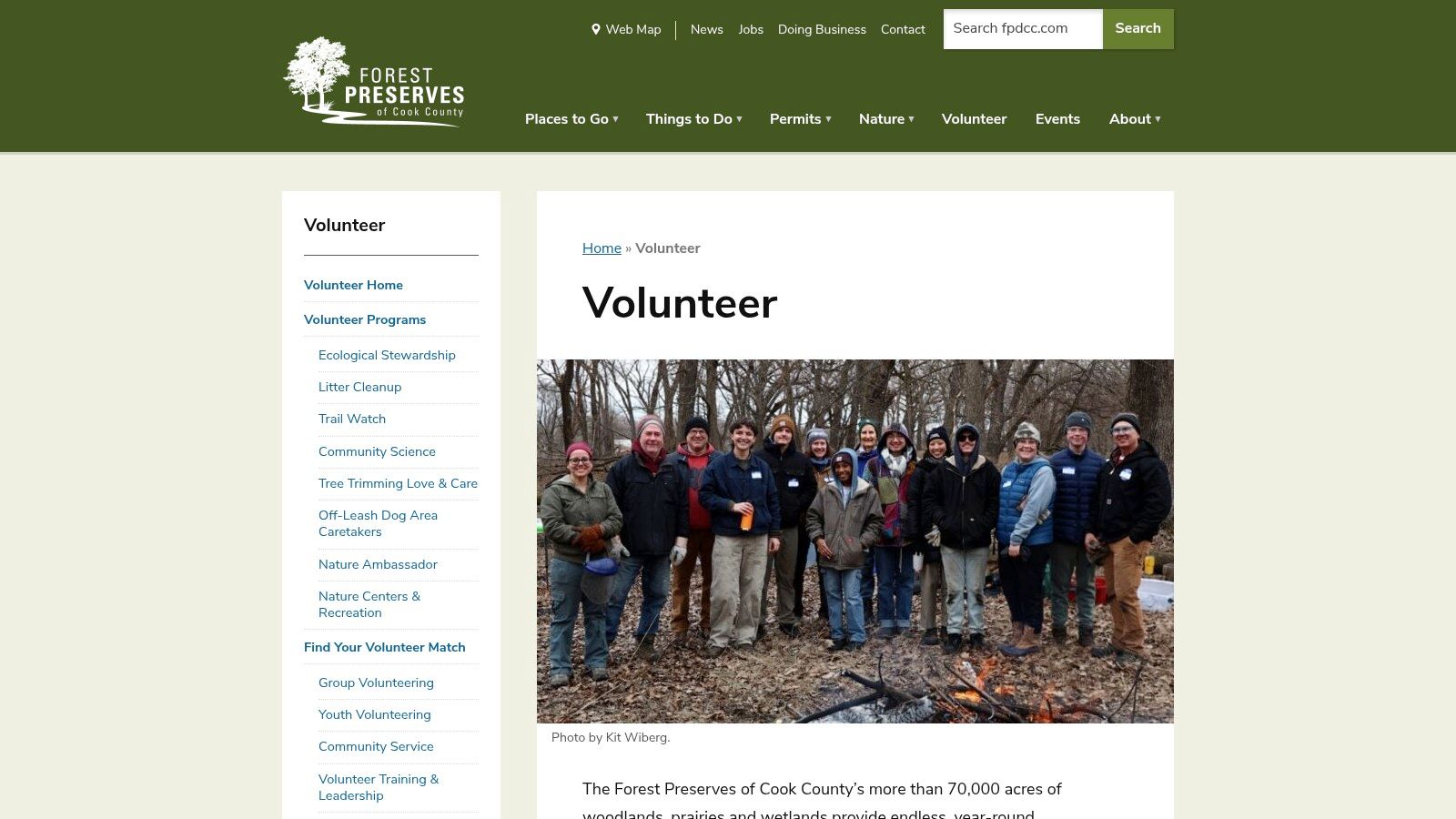
You can join litter cleanup, habitat restoration, invasive-species removal, seed collecting, trail support, or stewardship leadership. Some events are simple enough for a first visit, while others ask for orientation or training if you want to keep coming back. That mix makes it useful for adults who want weekend morning work that can grow into something steadier.
Good for people who want repeatable outdoor service
This program fits a different comfort level than a one-day city cleanup. You're outdoors, you may travel farther than you would for a neighborhood event, and the weather can cancel plans fast. But if you like having a regular Saturday morning that gets you outside and around the same people again and again, the setup makes sense.
I like this kind of volunteer role because the task repeats, but it doesn't feel stale. You can learn a site, learn a crew, and start to recognize the same trails or habitats over time. That makes it easier to return without needing a fresh burst of motivation every week.
If your goal is community service for adults that feels active but not chaotic, this is one of the better long-haul options.
6. Friends of the Chicago River
You're on the riverbank with a trash bag, gloves, and a small crew that already knows the route. The work is plain, the setup is organized, and the result shows up fast in front of you. Friends of the Chicago River runs Chicago River Day, smaller River Action Days, and ongoing stewardship opportunities through the CREW volunteer list.
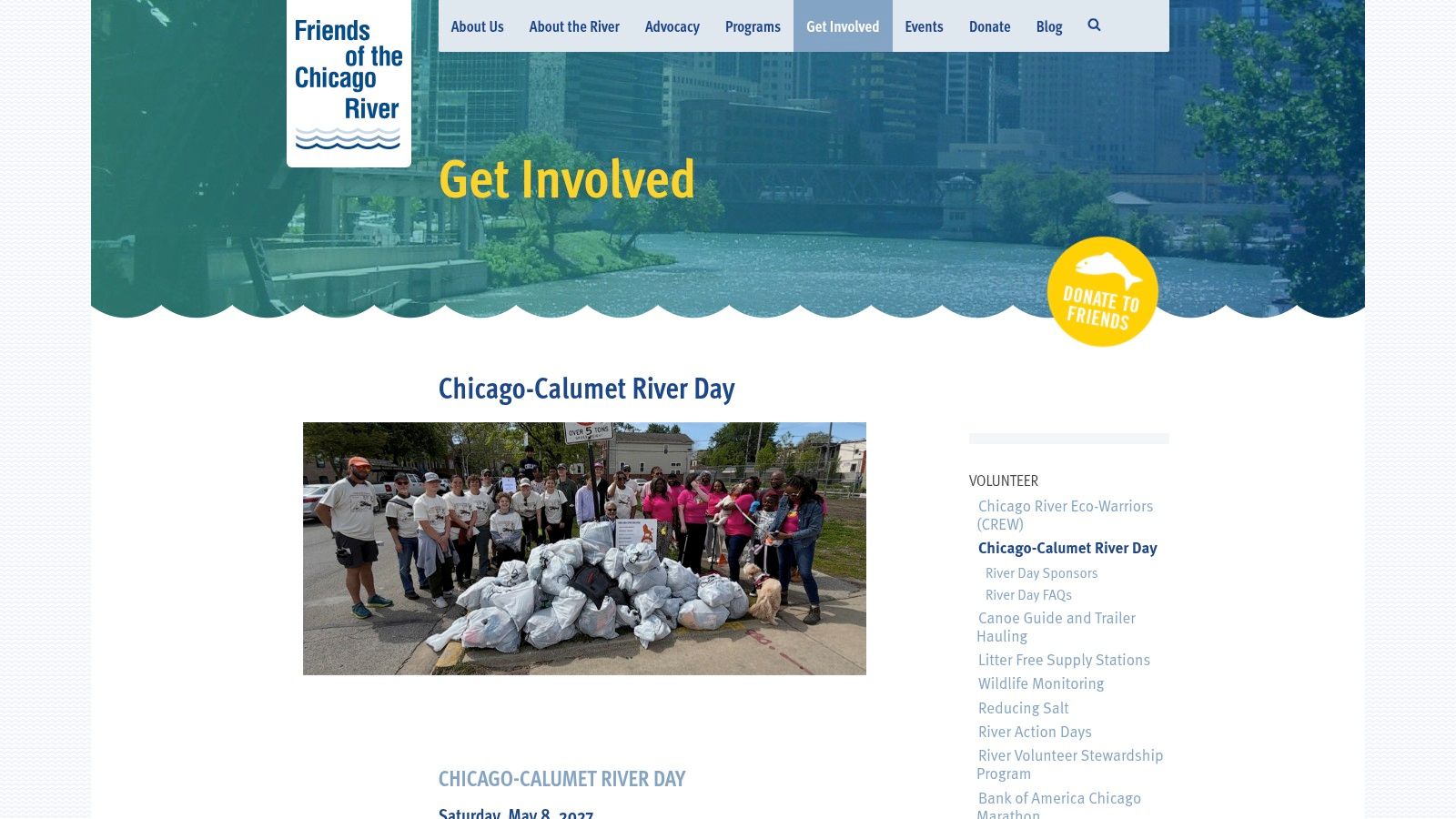
This is a clean fit if you want a beginner-friendly event with supplies and site leads already in place. It's also good if you want a social setting without a lot of formality. The annual flagship cleanup is seasonal, but the group also has smaller options and corporate River Action Days, so you're not locked into one date a year.
Plain truth: If you want a first cleanup that feels easy to enter, pick the event where someone else handles the supplies and the route.
The terrain can be uneven, so you'll want clothes and shoes that can handle mud, wind, or slick edges. That's not a dealbreaker, just a reason to dress like you plan to work. If you want to see how another neighborhood group frames river cleanup, the Chicago river cleanup page gives a nearby example of the same kind of service.
7. Alliance for the Great Lakes Adopt-a-Beach
You're on the shoreline with a bucket, a clipboard, and a bag full of litter, and the cleanup has a second layer to it. You're not only clearing trash, you're also recording data for a regional coastal database. That's what makes Adopt-a-Beach different.
You can join a posted cleanup or train to lead a team, which makes this a good match for adults who want both a simple entry point and a path into leadership. Staff support and materials help Team Leaders, and the program also gives guidance on permits and tools for recurring events. Sponsorship options exist for companies and groups, but individual volunteers can join for free.
Best for people who like service with a tracking habit
I'd pick this if I wanted a cleanup that feels a little like citizen science without becoming technical. You still pick up litter, but you also collect standardized information that gets recorded in a larger system. That extra step can make the morning feel more focused, especially if you like routines and tidy procedures.
The seasonal schedule and weather dependence matter here. Wind and surf can change the day quickly, so this works best for people who don't mind a plan that may need flexibility. If you like the idea of showing up for the same beach more than once, the team-leader path gives you a way to keep returning in a structured way.
This is a solid choice for adults who want service that mixes outdoor work, data, and repetition.
7 Chicago Adult Community Service Programs Compared
| Organization | 🔄 Participation effort | ⚡ Resources and requirements | 📊 Expected impact | ⭐ Key advantages | 💡 Ideal use cases |
|---|---|---|---|---|---|
| Chicago Cares | Low; browse and book events, with training for many activities | Free; account required; in-person or virtual options | Direct support for vetted local nonprofits | Reliable calendar, clear guidance, broad causes and neighborhoods | One-time service, weekend volunteering, or skills-based projects |
| Idealist | Low to moderate; search listings and vet organizations | Free to search; in-person and virtual roles; availability varies | Contributions to a wide range of causes | Large selection, useful filters, options for niche interests | Finding flexible, specialized, or remote roles |
| Habitat for Humanity Chicago | Moderate; structured shifts, with ongoing committee options | Individual service is free; physical work may be required; team builds require a company donation | Tangible support for housing projects and ReStore operations | Safety guidance, first-timer-friendly builds, visible results | Hands-on construction, team volunteering, or ongoing involvement |
| Greater Chicago Food Depository | Low to moderate; advance registration required | Free; shifts typically Tuesday–Saturday; warehouse work may involve prolonged standing | Immediate food-supply support with measurable shift outcomes | Group-friendly scheduling and accessible first-timer shifts | Food distribution volunteering, group service, or approved court-ordered service |
| Forest Preserves of Cook County Volunteer Program | Moderate; some roles require training or orientation | Free; outdoor work; travel to some sites may be needed | Ongoing habitat, trail, and ecological stewardship | Year-round opportunities, skill-building, and potential leadership paths | Outdoor service and sustained environmental involvement |
| Friends of the Chicago River | Low for cleanups; recurring roles are available | Free; supplies and site leads provided; suitable footwear recommended | Visible river and shoreline cleanup impact | Organized beginner-friendly events and options beyond the annual cleanup | One-time group cleanup or ongoing river stewardship |
| Alliance for the Great Lakes Adopt-a-Beach | Low to join; moderate to lead a team | Free; outdoor, seasonal events; team leaders manage logistics and data entry | Litter removal plus data for a regional coastal database | Combines cleanup with citizen science; support available for team leaders | Beach cleanups, citizen science, or organizing recurring events |
Pick One Date and Show Up
Choose one option from this list that fits your weekend and book it this week. If you want a crew that meets every weekend morning, Litter Caterpillars gathers volunteers on Meetup, in an Instagram group chat, and in an open planning group chat. Join the chat, introduce yourself, then attend one posted event at littercaterpillars.com. Expect to meet people, pick up litter, and leave with your next date already on the calendar. The group never asks volunteers for donations, so you can focus on showing up.
If you want a simple place to start, Litter Caterpillars has weekend Chicago trash-pickup events that fit adults who want low-pressure service and real-world company. You can join, help clean public spaces, and leave without a long commitment hanging over your week. Visit the site, pick a Saturday, and make your first move this weekend.