A single picture can change your world. Think about it. One photograph ignites a movement. It shifts your perspective. It can inspire you to take action. This is the power you hold when you share compelling plastic pollution pictures. But finding the right image, one that tells a story and moves people, feels like searching for a message in a bottle. Where do you even begin?
I’ve been there. I’ve scrolled endlessly, trying to find that one perfect shot, the one that screams with the urgency of our planet’s plastic crisis for my social media post or a community presentation. That’s why I created this guide for you. It's not just a list; it’s your personal atlas to the most impactful visual resources I’ve found online.
I will show you a curated collection of the best platforms for sourcing powerful images. For each one, I’ll show you exactly what they offer, complete with screenshots, direct links, and my clear guidance on usage rights. We'll explore everything. From free, high-quality photos perfect for activists like you on a budget to professional-grade editorial content for major campaigns. My goal is simple: I want to help you find the visuals you need to tell your story, inspire your community, and make a real difference. Let’s dive in and find your spark.
1. NOAA Marine Debris Program – Photo & Multimedia Galleries
When you need authoritative, compelling plastic pollution pictures for your school project, a nonprofit report, or a community presentation, the NOAA Marine Debris Program’s gallery is your first stop. Imagine it’s a national archive of our country’s fight against marine debris. It’s not just a random collection of images; it's a curated library, and it tells the real stories of pollution and cleanup from our oceans, our rivers, and our Great Lakes.
What I love about this resource is its credibility. These aren't just snapshots; they are pieces of evidence. Each image I find there often comes with detailed captions telling me exactly where and when it was taken, providing the context I need to build a powerful narrative for you. You can see the direct impact of a hurricane on a coastline in Florida or the dedicated work of volunteers cleaning a beach in Oregon. It’s real.
Why It's a Go-To Source
This platform stands out because it's a U.S. government resource. That means most of the imagery NOAA created is in the public domain for us to use within the United States. For activists, educators, and nonprofits like us working on a shoestring budget, this is gold. You get high-quality, mission-aligned content without worrying about complex licensing fees. It’s an incredible tool for anyone documenting the problem and exploring the many solutions for pollution in our oceans.
Getting the Most Out of the NOAA Galleries
The website is straightforward, but here’s how I use it like a pro, and you can too:
- Filter with a Purpose: Don't just browse. You should use their curated galleries like "Types of Marine Debris" or "Cleanup Activities" to find exactly what you need. Are you focusing on abandoned fishing gear? There's a section for that.
- Check the Fine Print: I always do this. While most images are public domain, some are contributed by partners and may have different usage rights. Always click on an image and check the "Credit" or "Image Use" line. It's a simple step that ensures you're using the photo correctly. NOAA kindly requests a credit from you, which is a small price to pay for such a valuable resource.
- Tell the Full Story: I suggest you pair a shocking image of debris with an inspiring one of a cleanup effort from the same gallery. This helps you create a more complete and hopeful message that moves people from awareness to action.
| Feature Summary | How You Can Use It |
|---|---|
| Public Domain (U.S.) | I use images freely for educational, editorial, and nonprofit work without licensing costs. You can too. |
| Authoritative Captions | You can add credibility to your reports and presentations with accurate location and date information. |
| Curated Galleries | I quickly find specific types of pollution or cleanup photos to fit my campaign's theme. |
| U.S. Focus | You can showcase local and national impact, from the Great Lakes to the Gulf Coast. |
This isn't just a place for you to find plastic pollution pictures; it's a tool I use to build a more persuasive and authentic case for protecting our waters.
Visit the NOAA Marine Debris Program Gallery
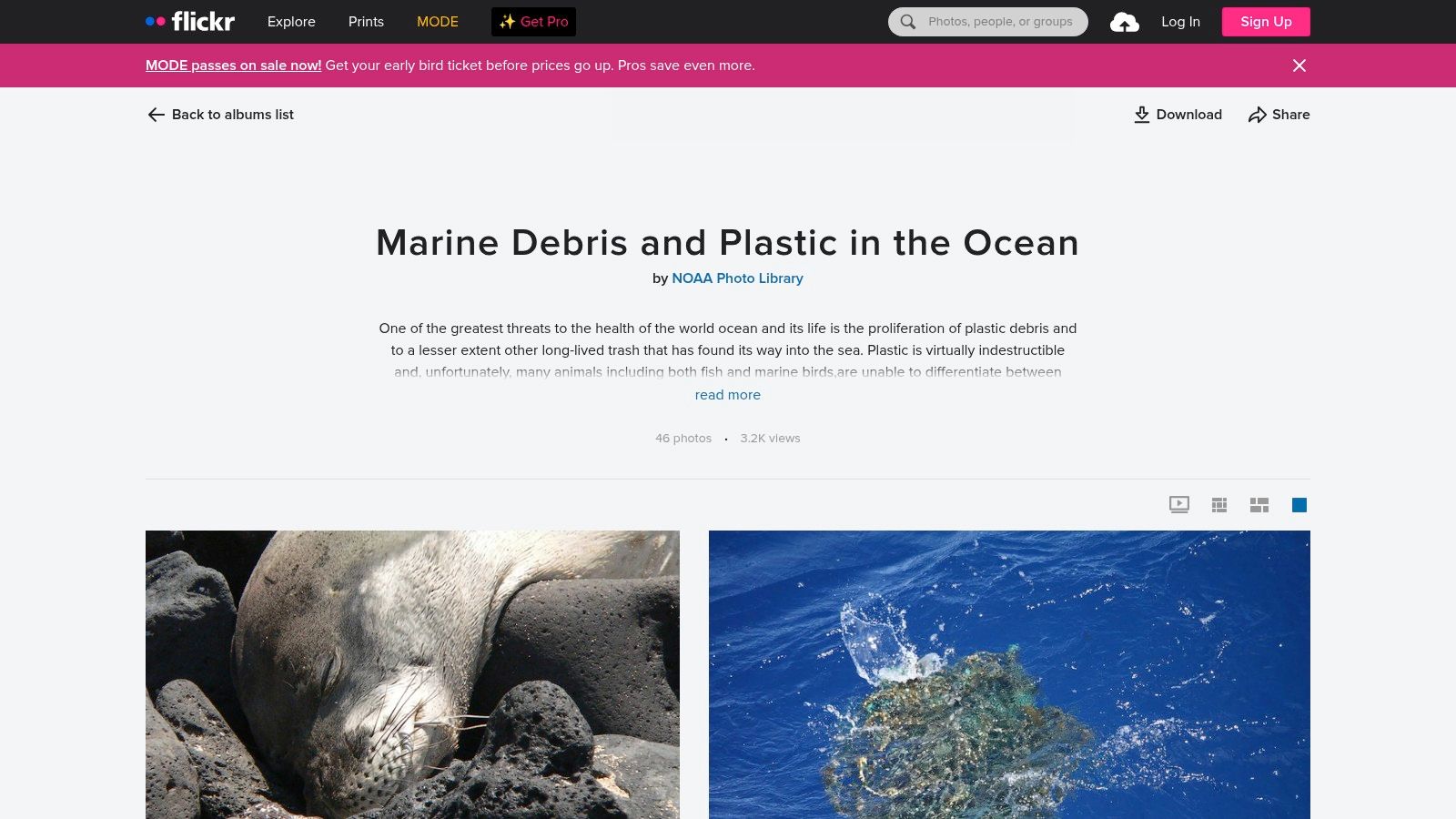
2. NOAA Photo Library – Marine Debris & Plastic (Flickr albums)
If the main NOAA gallery is a curated museum, then its Flickr presence is the sprawling, public archive in the museum’s basement. I think of it that way. This collection is a treasure trove for anyone like you who is digging deeper into the history and scope of plastic pollution pictures. It feels less formal, but it's vast, containing hundreds of historical and contemporary images that document decades of my country's research and cleanup efforts.
I often find myself lost in these albums. Not just because of the shocking photos of entangled wildlife, but because of the stories they tell me. You can find a black-and-white photo of debris from the 1980s right next to a high-resolution shot of a modern-day beach cleanup. It's a powerful visual timeline of how long we’ve been fighting this battle and how the problem has evolved. It tells a story.
Why It's a Go-To Source
I find this source fantastic for its sheer volume and the raw, unfiltered nature of its content. Because it’s on Flickr, a platform I know was built for photographers, you get multiple download sizes for free. The public-domain status of most NOAA-created images makes this a goldmine for students, activists, and small nonprofits who need powerful visuals without a budget. You'll find it perfect for showing the long-term impact of our throwaway culture.
Getting the Most Out of the NOAA Flickr Albums
The Flickr interface can feel a bit chaotic if you're used to polished stock sites. Here’s how you can navigate it effectively:
- Explore the Albums: You shouldn't just search. Start with the dedicated album, "Marine Debris," to see the most relevant images grouped together. From there, you can dive into tags and related photos.
- Always Double-Check Credits: This is crucial for you. I can't stress this enough. While most images are public domain in the U.S., some are from partners and have different rules. You must look at the description on each photo page for "Credit:" or "Image Use:" notes before you download. It’s a simple check that keeps your work honest.
- Use for "Then and Now" Stories: The historical depth is this collection's superpower. I love pairing an old photo of plastic bottles from the 90s with a new one to show that this problem isn't new. This creates a compelling narrative about urgency and the need for lasting solutions for you.
| Feature Summary | How You Can Use It |
|---|---|
| Public Domain (U.S.) | You can download and use high-resolution images for free in your projects, especially for NOAA-created content. |
| Historical & Deep Catalog | You can create powerful before-and-after or "then vs. now" visual stories for educational content. |
| Flickr Album Structure | I browse themed collections like "Marine Debris" to find specific, relevant images quickly. |
| Multiple Download Sizes | You can get the right image resolution for any use, from a social media post to a large presentation slide. |
This isn't just a random photo dump; it’s a living archive I use that offers a unique perspective on our long and complicated relationship with plastic.
Visit the NOAA Photo Library on Flickr
3. Getty Images – Plastic Pollution (Creative + Editorial)
When your project demands the kind of plastic pollution pictures that stop you in your tracks, Getty Images is the industry standard. Imagine it as the world’s premiere visual archive, a place where top-tier photojournalists and creative photographers document our plastic crisis with unparalleled artistry and emotional impact. This is where I go for broadcast-quality visuals that can anchor a national campaign or a high-stakes corporate presentation you might be giving.
What I admire about Getty is the sheer quality and scope. These aren’t just pictures; they are visual statements. One search can give you a heartbreaking editorial shot of a turtle entangled in a plastic bag, a powerful image from a G7 summit discussion on marine litter, and a polished creative photo of a family cleaning a beach. It’s a complete visual ecosystem for you to tell the story of plastic from every conceivable angle.
Why It's a Go-To Source
Getty Images stands out for its professionalism and reliability, especially for high-visibility projects. Their Rights & Clearance services provide me with peace of mind, ensuring that an image is legally sound for commercial or sensitive use. For organizations like yours that need to know their visuals are 100% buttoned up, this is an essential service. It moves your work from simply raising awareness to confidently leading the conversation and exploring how to reduce plastic pollution on a global stage.
Getting the Most Out of Getty Images
The platform is massive. I know. But with the right approach, you can find the perfect shot:
- Differentiate Creative vs. Editorial: You should use the "Editorial" filter for real-world, news-focused events (like protests or policy meetings). Then you switch to "Creative" for more conceptual, art-directed images that evoke a specific mood or idea. Knowing the difference is key to finding the right fit for your message.
- Plan Your Budget: Getty is a premium service. I've learned that you can purchase single images or use prepaid "image packs" for a better per-image rate. For ongoing needs, a subscription might be cost-effective. Plan ahead so you don't get sticker shock.
- Read the License Carefully: You have to pay close attention to the license type. Editorial images often have restrictions and I find they can't be used for advertising. If you need to use a photo to promote a product or service, you'll need to find one with a commercial license or work with Getty to clear the rights.
| Feature Summary | How You Can Use It |
|---|---|
| Pro-Grade Curation | I find high-impact, emotionally resonant images for major campaigns and presentations here. You can too. |
| Rights & Clearance Services | You secure legal peace of mind for commercial or rights-sensitive uses. |
| Editorial & Creative | I choose between real-world journalism and art-directed concepts to fit my narrative. |
| Global Scope | You can access a deep well of photos covering policy, wildlife, and cleanup efforts worldwide. |
For those moments when only the best will do, Getty Images provides you with the professional plastic pollution pictures needed to make a powerful, lasting impression.
Visit Getty Images – Plastic Pollution
4. Shutterstock – Plastic Pollution (Stock photos, vectors, footage)
When your project demands a specific look or a creative concept beyond simple documentation, Shutterstock is the commercial powerhouse you turn to. This isn't a government archive; it's a massive global marketplace. A bazaar of plastic pollution pictures created by professional photographers, illustrators, and videographers. It’s your creative toolkit for building campaigns, social media assets, and marketing materials with a polished, professional edge.
What I appreciate about Shutterstock is the sheer volume and variety. You can find everything. I've seen a heartbreakingly artistic shot of a turtle tangled in a plastic bag and a clean, minimalist vector icon of a recycling symbol. It's a different kind of resource, one I designed for when you need to buy a license to create derivative works like website banners, infographics, or even merchandise for a fundraiser.
Why It's a Go-To Source
Shutterstock stands out for its commercial flexibility. While I love free resources for reports and educational slides, Shutterstock gives you the licensing you need to confidently run a paid social media ad or print a large-scale banner. With a subscription, I get a consistent supply of fresh, high-quality content, making it a cost-effective choice for organizations that are constantly communicating with their audience about plastic pollution.
Getting the Most Out of Shutterstock
The platform is huge, but I can help you find the perfect asset quickly if you know how:
- Think Beyond Photos: Don't just search for "plastic pollution." You should try "plastic waste vector" to find graphics for an explainer video, or "ocean cleanup aerial footage" for a dramatic opening to a campaign video. The combination of media types is its strength.
- Use the Advanced Filters: On the search results page, I want you to use the filters on the left to narrow down by orientation (vertical for stories, horizontal for banners), color, and even the number of people in the shot. This saves you from scrolling through thousands of images.
- Understand the License: For most digital and small print runs, I find the Standard License is fine. But if you're planning a massive print campaign or creating merchandise to sell, you'll need the Enhanced License. You must always check the licensing page before you commit.
| Feature Summary | How You Can Use It |
|---|---|
| Vast Creative Library | You can find photos, vectors, illustrations, and videos to fit any creative brief or campaign style. |
| Flexible Licensing | You can purchase assets with clear usage rights for commercial marketing, advertising, and web content. |
| Subscription Models | I access a steady stream of content affordably; you can too if you have ongoing marketing needs. |
| Powerful Search Tools | You can quickly find specific image styles, orientations, and compositions for your exact needs. |
This is where you go when you need guaranteed quality and the legal clearance to use powerful plastic pollution pictures in every part of your campaign.
Visit Shutterstock's Plastic Pollution Collection
5. Adobe Stock – Plastic Pollution (Royalty-free creative)
For those of us crafting professional-grade social media campaigns, designing flyers, or building impactful reports, Adobe Stock is where creative polish meets powerful messaging. When you need high-quality, royalty-free plastic pollution pictures that have a more artistic or conceptual feel, this is your destination. Think of it as your creative partner that lives right inside your design software, ready to supply the perfect image to make your project shine.
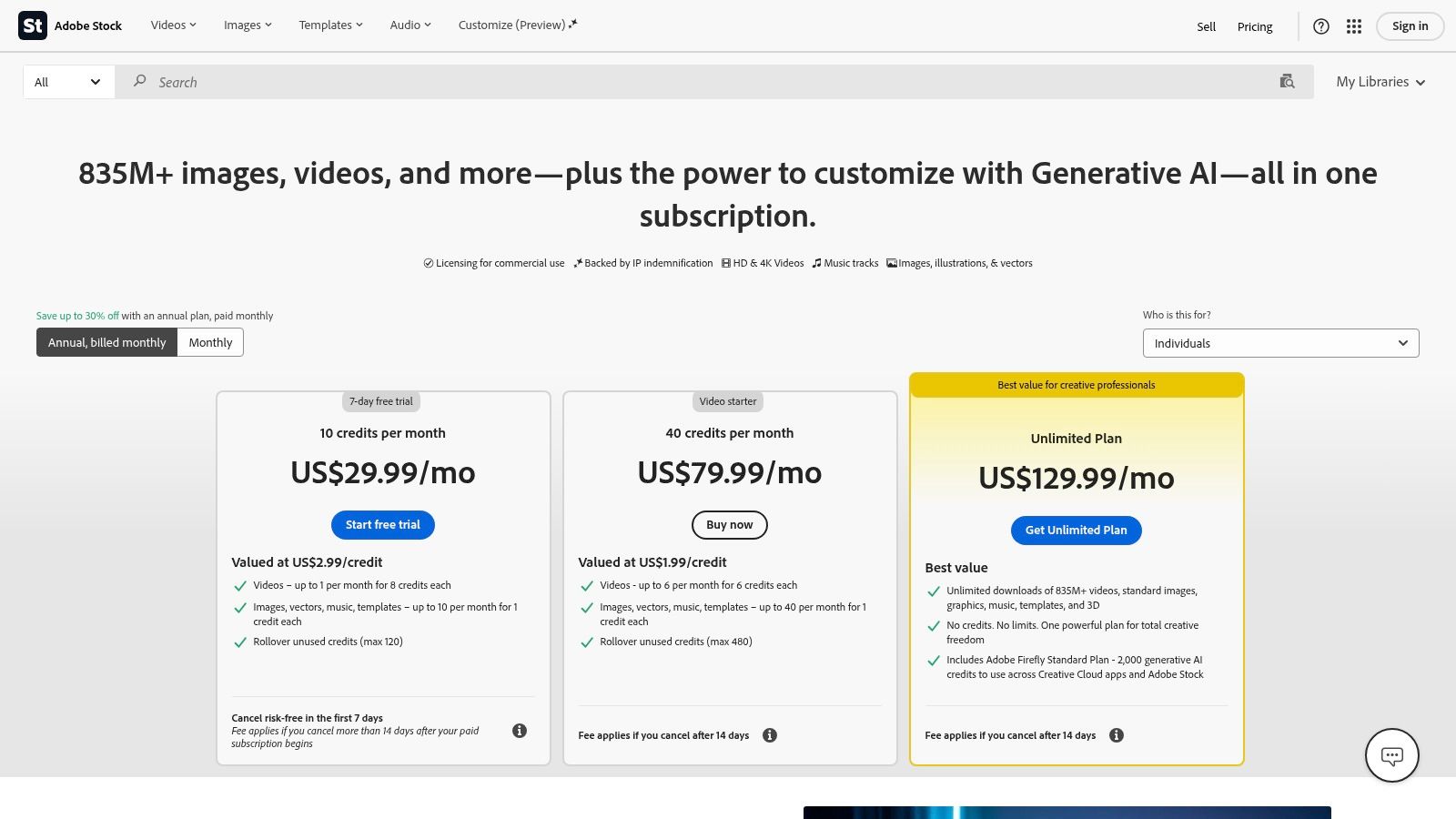
What I find incredibly useful is the direct integration with Adobe Creative Cloud. You can search for an image, test it in your Photoshop or Illustrator layout, and then license it right there without breaking your creative flow. I see the pricing and licensing are clear and predictable, which removes my anxiety of accidentally misusing an image.
Why It's a Go-To Source
Adobe Stock stands out for designers and marketers like you who need more than just documentary photos. It's filled with illustrations and conceptual photos that can convey the feeling of the plastic crisis, not just the reality. The platform is less about raw photojournalism and more about providing a versatile creative asset for you. While I know the images require payment, the clear licensing terms and easy-to-use platform provide me with peace of mind and save valuable time.
Getting the Most Out of Adobe Stock
Here’s how I make this premium resource work for me, and you can too:
- Test Before You Buy: I want you to use the Creative Cloud integration to place watermarked comps directly into your designs. This lets you see exactly how an image will look before you commit your budget.
- Go Beyond Photos: Don't just search for "plastic pollution." You should try searching for illustrations, vectors, or even video clips. An animated graphic I use for social media can often be more engaging than a static photo.
- Understand the License: Pay close attention to the Standard vs. Extended license. A Standard License is perfect for most digital and small-print uses (like your social posts or local event flyers). If you're planning a large-scale ad campaign or creating merchandise, you'll need an Extended License, which I know comes at an additional cost.
| Feature Summary | How You Can Use It |
|---|---|
| Creative Cloud Integration | You can seamlessly search and license images directly within Photoshop or Illustrator to speed up your workflow. |
| Clear Licensing Tiers | You can confidently use images for web, social, or print by choosing the right license without legal guesswork. |
| Illustrations & Vectors | I create unique campaign visuals with artistic graphics that complement photographic content. |
| Conceptual Imagery | You can find powerful, artistic metaphors for plastic pollution to create an emotional connection with your audience. |
Adobe Stock is the perfect tool for you when your message needs that extra layer of professional design to capture hearts and minds.
Visit Adobe Stock – Plastic Pollution
6. Unsplash – Free “Plastic Pollution” Photos
When you need visually stunning plastic pollution pictures that are both artistic and impactful for your blog, social media, or a design project, Unsplash is a goldmine. It's a massive community library of high-resolution photos contributed by photographers from around the world. I want you to think of it less like an evidence locker and more like an art gallery, offering creative, often beautiful, interpretations of the pollution crisis.
What I find so powerful about Unsplash is its accessibility. For grassroots activists, student groups, or anyone like you working with a zero-dollar budget, this platform provides the visual fuel to get a message out. I find the quality is often breathtaking, giving you polished, professional-looking images that can stop someone from scrolling and make them think. You'll find everything from macro shots of microplastics to vast, somber beachscapes.
Why It's a Go-To Source
Unsplash is the go-to for speed and style. The Unsplash License is incredibly straightforward: you can use the photos for free, even commercially, without asking my permission. While attribution is appreciated, it’s not required. This simplicity removes a huge barrier for creators like you who need compelling visuals right now. It's the perfect resource for you to build a beautiful website or craft an eye-catching social media campaign to raise awareness about solutions for pollution in our oceans.
Getting the Most Out of Unsplash
The sheer volume of photos can be overwhelming, but I know you can navigate it like an expert:
- Be Specific in Your Search: Instead of just "plastic," I want you to try "plastic bottle ocean," "ghost net," or "beach cleanup volunteer." The more targeted your keywords, the better your results.
- Create Collections: You should use the "Add to Collection" feature to save your favorite images. This helps you curate a visual theme for a campaign or project before you start downloading.
- Mind the Context: Because these are community-submitted photos, you must always self-vet them. Be careful with images featuring recognizable people or prominent brand logos to avoid any implied endorsement. I know the standard Unsplash license does not include model or property releases.
| Feature Summary | How You Can Use It |
|---|---|
| Free Unsplash License | You can use high-quality photos for social media, blogs, and web design without any licensing costs. |
| Community-Contributed | You can discover diverse and artistic perspectives on plastic pollution from global photographers. |
| Simple Search & Download | You can quickly find and download the exact images you need to make your content pop. |
| Creative Variety | I move beyond typical documentary shots with more abstract and emotionally resonant imagery. |
Unsplash isn’t just for finding free plastic pollution pictures; it’s for finding the right picture that tells your story with beauty and urgency.
Visit Unsplash for Plastic Pollution Photos
7. The Ocean Cleanup – Media Gallery
If you're looking for images that scream “solutions,” The Ocean Cleanup’s media gallery is your destination. This isn't just a collection of sad plastic pollution pictures; it's a visual diary of innovation in action. You get a front-row seat to their massive engineering feats, from the river-scouring Interceptors to the massive System 03 tackling the Great Pacific Garbage Patch. It’s storytelling gold for anyone like you who wants to pair the problem with a powerful, tangible solution.
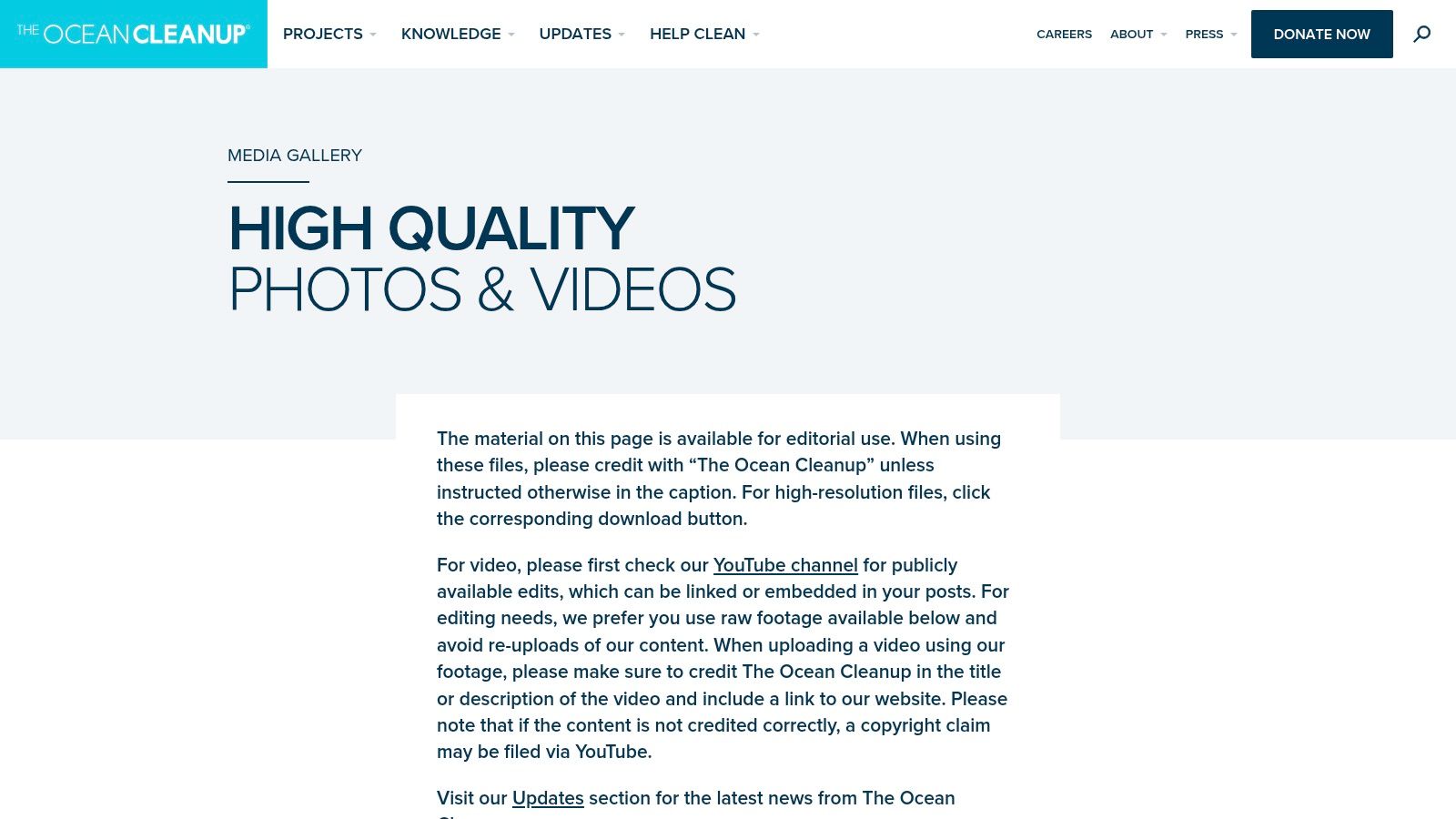
What I find so compelling here is the narrative focus. Each album is a chapter in their mission. You can see the sheer scale of plastic they're removing from the ocean or watch an Interceptor prevent trash from ever reaching it. I see the images are professionally shot, dramatic, and perfectly suited for explaining complex technology in a single, powerful frame. They help you tell a story of hope and progress, which is just as important as showing the problem.
Why It's a Go-To Source
The Ocean Cleanup’s gallery stands out for its high-impact, solutions-oriented visuals. While other sites show the widespread nature of debris, this one gives you a focused look at one of the world's most ambitious cleanup operations. For content creators, educators, and advocates like you, these images provide the “after” to the typical “before” shot, illustrating that large-scale change is possible. I find it’s especially helpful if you want to contrast global efforts with local ones, like the community cleanups on a public beach at Lake Michigan.
Getting the Most Out of The Ocean Cleanup Gallery
The platform is designed for media and supporters. Here’s how you can use it effectively:
- Follow the Story: I want you to browse the albums by project. If you're explaining how river cleanup works, head straight to the "Interceptor" album. Need to show the scale of ocean gyres? The "Great Pacific Garbage Patch" section is where you need to be.
- Credit with Care: The Ocean Cleanup requires credit for their images. It's a simple request for access to their incredible library. You should always check the usage guidelines provided, as you’re not just using a photo—you’re sharing their story.
- Use the B-Roll: Don't forget the video content! They offer broadcast-quality b-roll footage, which I find perfect for creating engaging social media reels, short documentaries, or presentation openers that capture your attention immediately.
| Feature Summary | How You Can Use It |
|---|---|
| Solutions-Focused Imagery | You can show the "after" picture of cleanup technology at work, inspiring hope and action. |
| Project-Based Albums | You can quickly find visuals related to specific cleanup systems, like Interceptors or ocean systems. |
| Clear Credit Guidelines | You can easily understand how to properly attribute photos and videos to support their mission. |
| High-Quality Video B-Roll | I create dynamic video content for social media, presentations, and educational purposes. You can too. |
This gallery is more than a source for plastic pollution pictures; it's a visual testament to human ingenuity and a powerful tool I use for inspiring you to believe in a cleaner future.
Visit The Ocean Cleanup – Media Gallery
Plastic Pollution Photo Resources — 7-Source Comparison
| Source | 🔄 Implementation Complexity | ⚡ Resource Requirements | ⭐ Expected Quality | 💡 Ideal Use Cases | 📊 Key Advantages / Expected Outcomes |
|---|---|---|---|---|---|
| NOAA Marine Debris Program – Photo & Multimedia Galleries | Low 🔄 — curated, browseable | Low ⚡ — mostly public domain; verify credits | ⭐⭐ — variable resolution | Education, nonprofit storytelling, community cleanup reports | Public-domain NOAA images with authoritative captions and location metadata |
| NOAA Photo Library – Marine Debris & Plastic (Flickr albums) | Low–Medium 🔄 — album/tag navigation | Low ⚡ — free for NOAA content; check contributor notes | ⭐⭐ — large historical catalog, mixed resolution | Historical comparisons, project documentation, education | Extensive archive and downloadable sizes; useful for before/after visuals |
| Getty Images – Plastic Pollution (Creative + Editorial) | Medium–High 🔄 — licensing/clearance workflows | High ⚡ — premium licensing and clearance fees | ⭐⭐⭐ — pro-grade, editorial depth | Press, legal-sensitive publications, high-end presentations | Strong legal support, consistent professional imagery and global coverage |
| Shutterstock – Plastic Pollution (Stock photos, vectors, footage) | Medium 🔄 — straightforward licensing options | Medium ⚡ — subscription or on-demand costs; license limits apply | ⭐⭐ — broad creative range; some “stock” look | Marketing, social, web assets, composites | Cost-effective scalable sourcing with many formats (photos, vectors, video) |
| Adobe Stock – Plastic Pollution (Royalty-free creative) | Medium 🔄 — integrated into Adobe workflows | Medium ⚡ — predictable pricing; extended license cost for wide use | ⭐⭐ — high-quality creative, less editorial | Design workflows, quick edits for reports/flyers/social | Smooth Creative Cloud integration with clear licensing tiers |
| Unsplash – Free “Plastic Pollution” Photos | Low 🔄 — simple search and download | Very Low ⚡ — free (attribution appreciated); vet releases | ⭐⭐ — high-res but variable and fewer editorial sequences | Nonprofits, quick web/social content, volunteer groups | Budget-friendly variety; easy downloads but releases not guaranteed |
| The Ocean Cleanup – Media Gallery | Low 🔄 — curated by project | Low–Medium ⚡ — free with credit guidelines; some restrictions | ⭐⭐⭐ — compelling, project-focused visuals | Explainers, project storytelling, before/after cleanup posts | Strong story-driven imagery with project context, captions and reuse guidance |
Beyond the Frame: Turning Plastic Pollution Pictures into Action
We've just walked through a gallery of powerful resources. I showed you everything from the scientific archives of NOAA to the creative collections on Adobe Stock and Unsplash. You've seen the stark, heartbreaking reality of plastic suffocating our oceans and the quiet tragedy of a single bottle marring a beautiful landscape. These aren't just images; they are stories. They are data points. They are urgent calls for your help, all captured in a single frame.
Remember the photo of the sea turtle tangled in a six-pack ring? I do. Or the stark overhead shot of a river choked with plastic waste? These plastic pollution pictures do more than just inform us. They make us feel something. They bypass the logical part of our brain that gets bogged down in statistics and connect directly to our hearts. This is their true power: to spark our empathy and ignite a desire for change.
But looking at a picture, feeling that pang of sadness or anger in your gut, is only the first step. The real journey begins when you decide to do something about it.
Choosing Your Lens for Change
I want you to think of the tools we explored not just as image libraries, but as different lenses for your activism. Your choice depends on the story you want to tell:
- For the Educator: If your goal is to teach and inform, especially with a focus on scientific accuracy, the NOAA Photo Library and Marine Debris Program galleries are your go-to. Their detailed captions and scientific context provide an unshakeable foundation for your presentations, school projects, or community workshops in places like Chicago.
- For the Social Media Warrior: Do you need a steady stream of high-impact, emotionally resonant content? Unsplash offers stunning, free-to-use visuals perfect for your Instagram feed. Meanwhile, Getty and Shutterstock provide a massive arsenal of both creative and editorial images that I've seen stop the scroll and drive a message home.
- For the Hopeful Innovator: If you want to inspire people with solutions and progress, The Ocean Cleanup’s media gallery is your best bet. Their images of massive cleanup systems in action offer a powerful narrative of hope and human ingenuity that you can share.
The most important takeaway for you is this: you don't have to be a professional photographer to make a difference. You just have to be a storyteller. Use these plastic pollution pictures as your prompts. I want you to pair them with your own experiences, with the story of a cleanup you joined at Montrose Beach, or a conversation you had with a neighbor. Make the global problem personal, local, and undeniable.
This journey from awareness to action is where I see real change born. It starts with an image that moves you, grows into a conversation you have, and finally blossoms into tangible action, right here in our own communities. Don't just share a picture; share a mission. Let these images be the fuel, not your final destination.
Ready to move from seeing the problem to solving it? Our Litter Caterpillars are designed for exactly that-transforming your local cleanup efforts. These durable, reusable mesh bags make collecting litter more efficient and sustainable, so you can spend less time juggling trash bags and more time making a real impact on the plastic pollution you see in your own neighborhood. Get your Litter Caterpillars today and become part of the solution.